Medical Receptionist
SOC 43-6013.00 · ESCO 3344 · OSCA 552131
Role snapshot
Overview
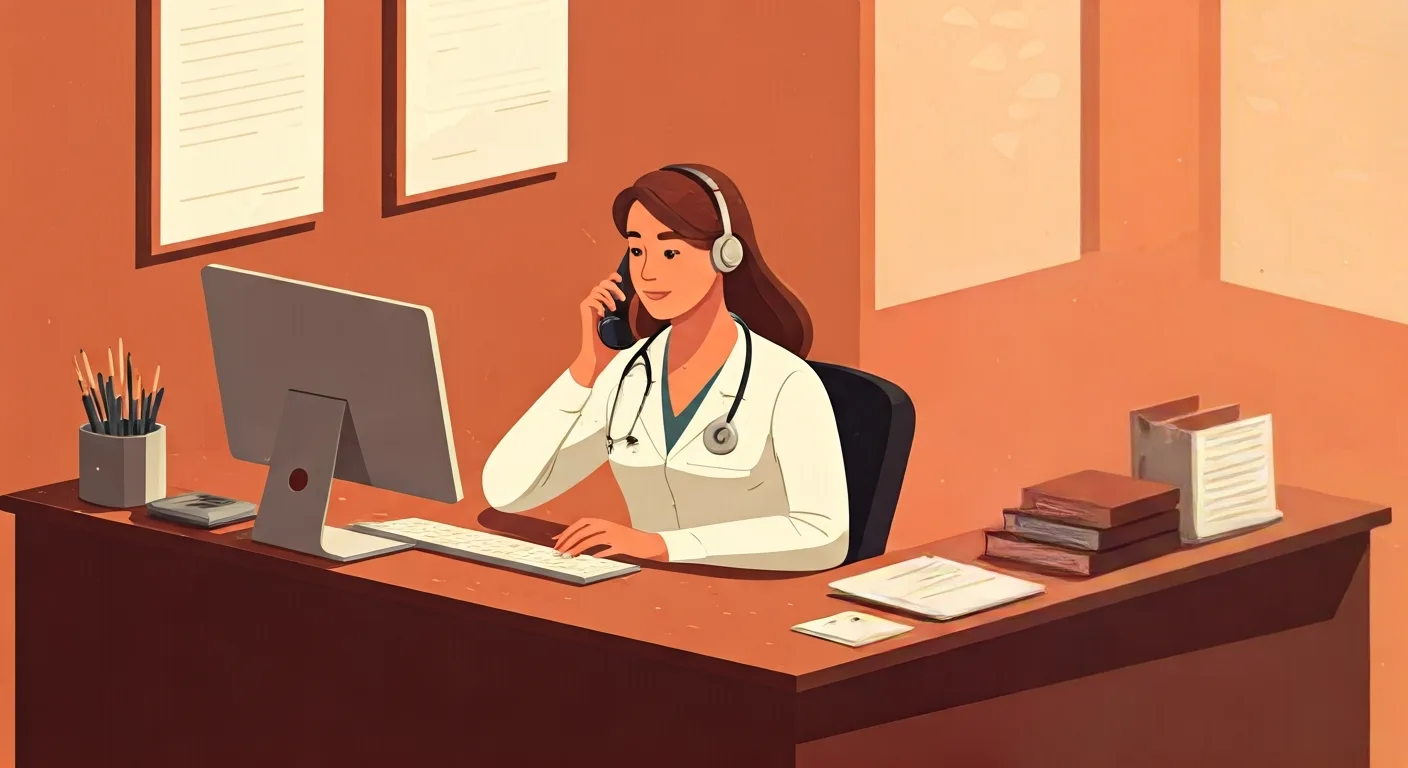
A Medical Receptionist is the first point of contact for patients in a healthcare setting. They are responsible for greeting patients, scheduling appointments, managing medical records, processing billing, and coordinating communication between patients and clinical staff. This role requires strong organizational and communication skills to ensure smooth clinic operations and a positive patient experience.
Crucial for patient satisfaction and efficient clinic flow, Medical Receptionists ensure patients feel welcomed, appointments run on time, and administrative tasks are handled accurately, directly supporting patient care and practice success.
On the job
- Greet patients, verify appointments, and manage patient check-in and check-out processes
- Schedule and confirm patient appointments, maintaining organized calendars for multiple providers
- Answer phone calls, address patient inquiries, and direct calls to appropriate staff members
- Process patient demographic and insurance information, update medical records, and handle billing inquiries
- Maintain cleanliness and orderliness of the reception area and waiting room
Tools & technology
Average salary
Job outlook
GrowingJob growth is expected to be above average over the next five years.
Education & training
High school diploma or equivalent is typically required, with some employers preferring a certificate or associate's degree in medical office administration or a related field.
AI impact outlook
Note — this is our current view. AI is moving fast, so we revisit these ratings.
Show how this was assessed Hide the detail
Note — this is our current view. AI is moving fast, so we revisit these ratings.
Show how this was assessed Hide the detailWhy this role received this rating
Core task exposure
high
How much of the role’s important work could AI perform?
Scheduling, check-in/out, basic inquiries, and insurance processing are highly exposed to AI automation.
End-to-end automation
high
Can AI complete the work without substantial human involvement?
Many administrative workflows, like appointment booking and patient intake, can be automated end-to-end, though complex cases need human oversight.
Adoption pressure
high
How likely are employers to introduce AI into this work?
Healthcare providers are highly motivated to adopt AI for efficiency, cost reduction, and improved patient flow.
Human dependence
low
How much does success depend on human judgement, relationships and accountability?
Success is moderately dependent on human empathy for patient interaction, de-escalating frustration, and complex problem-solving.
Protective — a higher rating lowers the overall score.
Role adaptability
moderate
How easily can the role evolve as AI takes on more tasks?
The role can adapt by managing automated systems, handling complex patient issues, and providing higher-level patient support and navigation.
Shown for context — not part of the score.
What AI may take on
These are the parts of the role most likely to be automated or significantly accelerated.
- Automating patient appointment scheduling and reminders
- Managing patient check-in and check-out processes via kiosks or apps
- Answering common patient inquiries via chatbots or virtual assistants
- Processing patient demographic and insurance information
- Updating basic medical records and generating billing inquiries
Where people remain essential
These parts continue to depend heavily on human judgement, relationships and accountability.
- Greeting patients with empathy and providing a personal touch
- De-escalating frustrated or emotional patient situations
- Handling complex scheduling conflicts or urgent care needs
- Coordinating communication between patients and clinical staff for complex issues
- Assisting patients with intricate insurance or billing questions
- Maintaining a welcoming and organized physical reception environment
- Providing personalized support for vulnerable or confused patients
How the role may evolve
Patient intake automates, human interaction elevates.
The role will shift from primarily transactional tasks to becoming a patient advocate, focusing on complex problem-solving, empathetic communication, and supporting patients through their healthcare journey.
Strengthen your future fit
- Proficiency in managing and troubleshooting EHR and scheduling software
- Enhanced interpersonal and empathetic communication skills
- Strong problem-solving and conflict resolution abilities
- Deep understanding of medical billing and insurance complexities
- Adaptability to evolving healthcare technologies and patient service models
- Assessment horizon
- 3–7 years
- Confidence
- High
- Last reviewed
- August 2026
- Methodology
- v1.0
This assessment reflects current AI capabilities and expected adoption patterns. Actual impacts will vary by industry, employer and the way each role is performed.
Career pathways
WHERE YOU COULD GO
CURRENT ROLE
Medical Receptionist
Personal & Professional Services
ADJACENT MOVES
STARTING POINTS
Who thrives here
Interest profile
conventional · CSE
People who enjoy structured environments, precise administrative tasks, and direct interaction with others in a service-oriented capacity tend to thrive as a Medical Receptionist.
Personality characteristics
Detail-oriented
Excels at managing patient records, scheduling, and billing with precision and accuracy.
Service-minded
Finds satisfaction in assisting patients and ensuring a smooth, positive experience for them.
Composed
Remains calm and professional when handling busy periods, demanding patients, or urgent situations.
Organized
Proficient in maintaining structured workflows, managing multiple tasks, and keeping the reception area orderly.
Communicative
Comfortable engaging with a diverse range of patients, clinical staff, and external contacts.
Best for
- Individuals who thrive in a structured, service-oriented environment.
- Those who enjoy being the first point of contact and making a positive impact on patient experience.
- People with excellent organizational skills and a strong attention to detail.
Watch out for
- The fast-paced environment can be demanding, requiring constant multitasking and quick problem-solving.
- Frequent interaction with patients, sometimes under stress, requires patience and empathy.
A week in the life
A representative working week for a Medical Receptionist — where the deep work, meetings, and admin actually land.
Real people. Real results.
Thousands of people
can't be wrong.





Frequently asked questions about Medical Receptionist roles
What does a Medical Receptionist do?
A Medical Receptionist a Medical Receptionist is the first point of contact for patients in a healthcare setting. They are responsible for greeting patients, scheduling appointments, managing medical records, processing billing, and coordinating communication between patients and clinical staff. This role requires strong organizational and communication skills to ensure smooth clinic operations and a positive patient experience. Crucial for patient satisfaction and efficient clinic flow, Medical Receptionists ensure patients feel welcomed, appointments run on time, and administrative tasks are handled accurately, directly supporting patient care and practice success.
How much does a Medical Receptionist earn?
A Medical Receptionist earns a median of $38,000 per year in the US, typically ranging from $30,000 to $48,000.
What qualifications do you need to become a Medical Receptionist?
To become a Medical Receptionist, high school diploma or equivalent is typically required, with some employers preferring a certificate or associate's degree in medical office administration or a related field.
What personality suits a Medical Receptionist?
Medical Receptionist roles tend to suit people who are highly conscientious — precise, organised and strong on follow-through (Conscientiousness 78/100) and warm and cooperative — tuned in to the people around them (Agreeableness 72/100). The traits that matter most in the role are Detail-oriented, Service-minded, Composed and Organized. Excels at managing patient records, scheduling, and billing with precision and accuracy. On interests, Medical Receptionist maps to a CSE Holland Code profile — people who enjoy structured environments, precise administrative tasks, and direct interaction with others in a service-oriented capacity tend to thrive as a Medical Receptionist.
Who does a Medical Receptionist role suit?
A Medical Receptionist role is usually a strong fit for these reasons. High Conventional (C) affinity means you'll enjoy the structured processes and organizational tasks of the role. Strong Social (S) affinity aligns with the constant patient interaction and helpful nature of the job. The role offers a fast-paced environment where your ability to manage multiple tasks efficiently will be valued.
What are the downsides of being a Medical Receptionist?
Medical Receptionist roles come with trade-offs worth weighing up. The fast-paced environment can be demanding, requiring constant multitasking and quick problem-solving. Frequent interaction with patients, sometimes under stress, requires patience and empathy.
What is the work environment like for a Medical Receptionist?
Work as a Medical Receptionist is mostly clinical-based with onsite arrangements common, highly structured, with set processes and deadlines and high exposure to clients or stakeholders. Around 8% of the week is focused deep work.
What skills do you need to be a Medical Receptionist?
Core skills for a Medical Receptionist include Patient scheduling, Medical record management, Customer service, Administrative support and Billing and insurance verification.
How do you become a Medical Receptionist?
Common entry routes into Medical Receptionist roles include High School Graduate, Customer Service Representative and Administrative Assistant.
What career progression is there for a Medical Receptionist?
From a Medical Receptionist role, common next steps include Medical Office Manager; lateral moves include Medical Biller and Coder and Clinical Medical Assistant.
What is the job outlook for Medical Receptionist roles?
The outlook for Medical Receptionist roles is currently rated growing. Job growth is expected to be above average over the next five years.
Will AI replace Medical Receptionist roles?
Traitstack rates automation risk for Medical Receptionist roles at 78 out of 100, which is strong. Routine scheduling and data processing are ripe for AI automation, allowing human receptionists to focus on empathetic patient interaction and complex problem resolution. AI is most likely to take on automating patient appointment scheduling and reminders, managing patient check-in and check-out processes via kiosks or apps and answering common patient inquiries via chatbots or virtual assistants. Greeting patients with empathy and providing a personal touch, de-escalating frustrated or emotional patient situations and handling complex scheduling conflicts or urgent care needs stay with people. Patient intake automates, human interaction elevates. That score measures how much of the work could change, not the likelihood the job disappears. It is Traitstack's current view, revisited as AI capability moves.