Enrolled Nurse
SOC 29-2061.00 · ESCO 3221 · OSCA 441131
Role snapshot
Overview
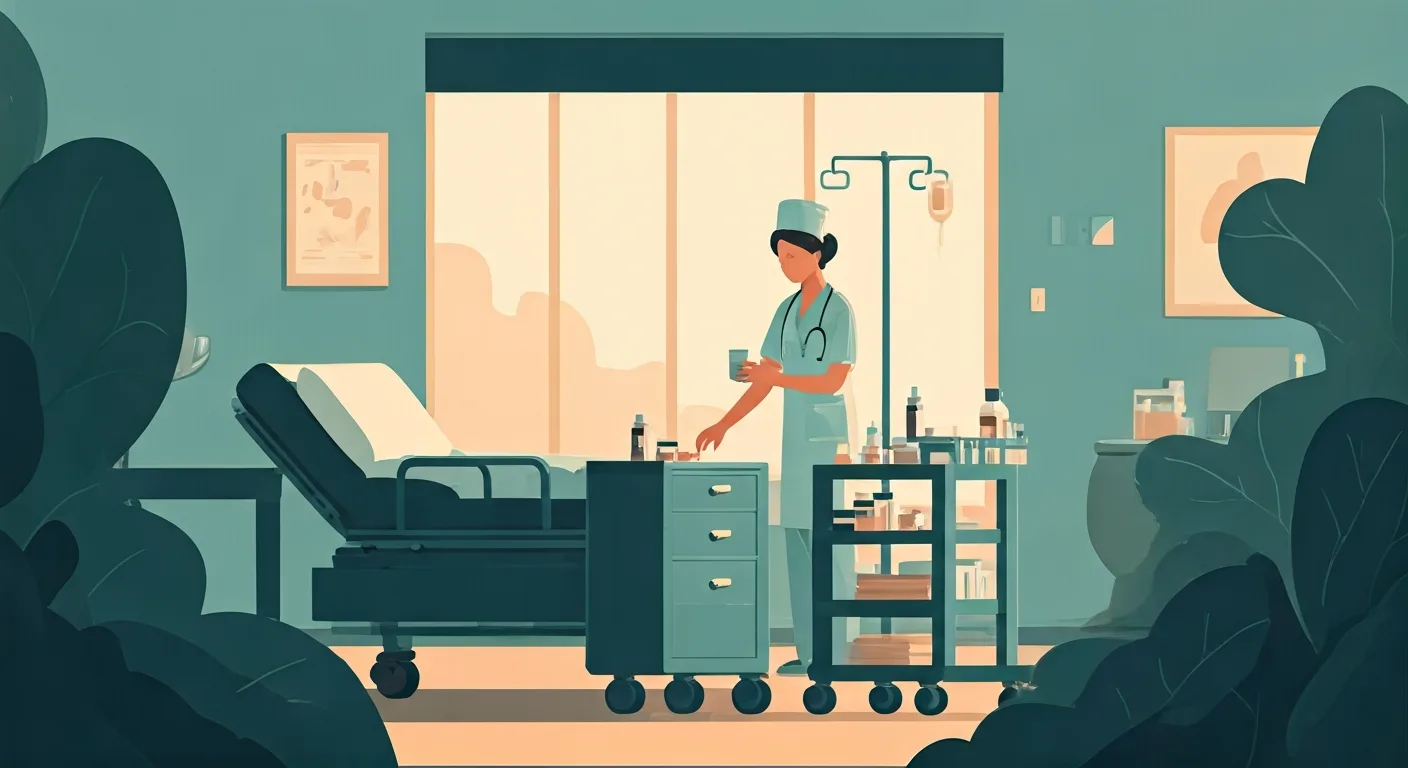
Enrolled Nurses, also known as Licensed Practical Nurses (LPNs) or Licensed Vocational Nurses (LVNs) in some regions, provide essential basic nursing care under the supervision of Registered Nurses or doctors. Their duties include monitoring vital signs, administering medications, changing dressings, and assisting patients with daily living activities. They work across various healthcare settings such as hospitals, aged care facilities, clinics, and home health services, focusing on patient comfort, safety, and well-being.
Provides direct, compassionate care to patients, contributing significantly to their comfort, recovery, and overall well-being. Supports the healthcare team by managing routine tasks and observing patient conditions, ensuring efficient and effective service delivery.
On the job
- Monitor and record patients' vital signs, symptoms, and medical information.
- Administer medications and injections as prescribed by doctors, under supervision.
- Assist patients with personal care, including bathing, dressing, and feeding.
- Change wound dressings and perform basic wound care.
- Educate patients and their families on health maintenance and disease prevention.
Tools & technology
Average salary
Job outlook
GrowingJob growth is expected to be above average over the next five years.
Education & training
Completion of a diploma or advanced diploma in nursing, typically from a vocational institution or community college.
AI impact outlook
Note — this is our current view. AI is moving fast, so we revisit these ratings.
Show how this was assessed Hide the detail
Note — this is our current view. AI is moving fast, so we revisit these ratings.
Show how this was assessed Hide the detailWhy this role received this rating
Core task exposure
moderate
How much of the role’s important work could AI perform?
Monitoring and recording vital signs, documentation in EHRs, and basic patient education involve tasks exposed to AI assistance.
End-to-end automation
low
Can AI complete the work without substantial human involvement?
Direct physical care, hands-on patient assistance, and medication administration require human presence and judgment, preventing full automation.
Adoption pressure
high
How likely are employers to introduce AI into this work?
The potential for AI to improve efficiency in documentation and monitoring is high, but direct patient safety concerns limit rapid, full-scale adoption.
Human dependence
strong
How much does success depend on human judgement, relationships and accountability?
Success is highly dependent on direct patient interaction, empathy, physical assistance, and the ability to observe subtle changes in patient condition.
Protective — a higher rating lowers the overall score.
Role adaptability
moderate
How easily can the role evolve as AI takes on more tasks?
The core tasks are relatively defined, but Enrolled Nurses frequently adapt to different care settings, patient populations, and new medical procedures.
Shown for context — not part of the score.
What AI may take on
These are the parts of the role most likely to be automated or significantly accelerated.
- Monitoring and recording patient vital signs and symptoms
- Documenting care provided and patient observations in EHRs
- Providing standardized patient education materials
- Assisting with medication dispensing logistics and alerts
- Tracking patient progress against established care goals
Where people remain essential
These parts continue to depend heavily on human judgement, relationships and accountability.
- Assisting patients with personal care, bathing, and mobility
- Performing wound care and assessing healing progress
- Administering medications and injections with precision
- Providing emotional support and comfort to patients
- Observing subtle changes in patient condition beyond data points
- Responding to immediate patient needs and emergencies
How the role may evolve
Focus on direct patient connection, not documentation.
With AI handling more of the data recording and basic monitoring, Enrolled Nurses will have more time for hands-on patient care, emotional support, and direct observation.
Strengthen your future fit
- Enhanced bedside care and patient observation skills
- Proficiency in utilizing smart monitoring technologies
- Empathetic communication and patient advocacy
- Critical thinking for immediate patient assessment
- Adaptability to diverse healthcare environments
- Assessment horizon
- 3–7 years
- Confidence
- High
- Last reviewed
- August 2026
- Methodology
- v1.0
This assessment reflects current AI capabilities and expected adoption patterns. Actual impacts will vary by industry, employer and the way each role is performed.
Career pathways
WHERE YOU COULD GO
CURRENT ROLE
Enrolled Nurse
Nursing & Midwifery
ADJACENT MOVES
STARTING POINTS
Who thrives here
Interest profile
social · SRC
Individuals who enjoy providing direct care, following established procedures, and working in a structured environment to support patient health often thrive as an Enrolled Nurse.
Personality characteristics
Conscientious
Highly organised and responsible, meticulously follows protocols and ensures accuracy in patient care and documentation.
Agreeable
Empathetic and compassionate, able to build trust with patients and collaborate effectively with colleagues.
Emotionally Stable
Maintains composure under pressure, handling challenging patient situations and emergencies with a calm and steady demeanor.
Extroverted
Comfortable interacting with diverse patients, families, and healthcare team members, communicating clearly and reassuringly.
Open to Experience
Willing to learn new techniques and adapt to evolving medical procedures and patient needs.
Practical
Enjoys hands-on tasks and applying practical skills to deliver direct patient care.
Best for
- Individuals who are compassionate, detail-oriented, and thrive in a structured, fast-paced clinical environment.
- Those who find fulfillment in providing direct, tangible care and support to patients.
- People who enjoy being part of a dedicated healthcare team and contributing to patient well-being.
Watch out for
- The work can be physically and emotionally demanding, requiring resilience and stress management.
- Adherence to strict protocols and procedures means less room for independent decision-making compared to other roles.
- Regular shift work, including weekends and public holidays, is common.
A week in the life
A representative working week for an Enrolled Nurse — where the deep work, meetings, and admin actually land.
Real people. Real results.
Thousands of people
can't be wrong.


Frequently asked questions about Enrolled Nurse roles
What does an Enrolled Nurse do?
An Enrolled Nurse enrolled Nurses, also known as Licensed Practical Nurses (LPNs) or Licensed Vocational Nurses (LVNs) in some regions, provide essential basic nursing care under the supervision of Registered Nurses or doctors. Their duties include monitoring vital signs, administering medications, changing dressings, and assisting patients with daily living activities. They work across various healthcare settings such as hospitals, aged care facilities, clinics, and home health services, focusing on patient comfort, safety, and well-being. Provides direct, compassionate care to patients, contributing significantly to their comfort, recovery, and overall well-being. Supports the healthcare team by managing routine tasks and observing patient conditions, ensuring efficient and effective service delivery.
How much does an Enrolled Nurse earn?
An Enrolled Nurse earns a median of $60,000 per year in the US, typically ranging from $45,000 to $75,000.
What qualifications do you need to become an Enrolled Nurse?
To become an Enrolled Nurse, completion of a diploma or advanced diploma in nursing, typically from a vocational institution or community college. Current state-issued nursing license (e.g., LPN or LVN license in the US).
What personality suits an Enrolled Nurse?
Enrolled Nurse roles tend to suit people who are highly conscientious — precise, organised and strong on follow-through (Conscientiousness 80/100) and warm and cooperative — tuned in to the people around them (Agreeableness 78/100). The traits that matter most in the role are Conscientious, Agreeable, Emotionally Stable and Extroverted. Highly organised and responsible, meticulously follows protocols and ensures accuracy in patient care and documentation. On interests, Enrolled Nurse maps to a SRC Holland Code profile — individuals who enjoy providing direct care, following established procedures, and working in a structured environment to support patient health often thrive as an Enrolled Nurse.
Who does an Enrolled Nurse role suit?
An Enrolled Nurse role is usually a strong fit for these reasons. Strong Social (S) and Realistic (R) alignment, as the role is hands-on and focused on direct patient care and support. High Conscientiousness (C) is crucial for meticulously following medical procedures and maintaining accurate documentation. The role requires high Agreeableness (A) for effective teamwork and empathetic patient interaction.
What are the downsides of being an Enrolled Nurse?
Enrolled Nurse roles come with trade-offs worth weighing up. The work can be physically and emotionally demanding, requiring resilience and stress management. Adherence to strict protocols and procedures means less room for independent decision-making compared to other roles. Regular shift work, including weekends and public holidays, is common.
What is the work environment like for an Enrolled Nurse?
Work as an Enrolled Nurse is mostly clinical-based with onsite arrangements common, highly structured, with set processes and deadlines and high exposure to clients or stakeholders. Around 75% of the week is focused deep work.
What skills do you need to be an Enrolled Nurse?
Core skills for an Enrolled Nurse include Patient assessment, Medication administration, Wound care, Communication skills and Basic life support (BLS).
How do you become an Enrolled Nurse?
Common entry routes into Enrolled Nurse roles include Nursing Assistant and Certified Nursing Assistant.
What career progression is there for an Enrolled Nurse?
From an Enrolled Nurse role, common next steps include Registered Nurse and Specialized Enrolled Nurse (e.g., Wound Care); lateral moves include Health Unit Coordinator.
What is the job outlook for Enrolled Nurse roles?
The outlook for Enrolled Nurse roles is currently rated growing. Job growth is expected to be above average over the next five years.
Will AI replace Enrolled Nurse roles?
Traitstack rates automation risk for Enrolled Nurse roles at 37 out of 100, which is low. Routine vital sign monitoring and documentation will see AI augmentation, but direct patient care and hands-on assistance remain core human tasks. AI is most likely to take on monitoring and recording patient vital signs and symptoms, documenting care provided and patient observations in ehrs and providing standardized patient education materials. Assisting patients with personal care, bathing, and mobility, performing wound care and assessing healing progress and administering medications and injections with precision stay with people. Focus on direct patient connection, not documentation. That score measures how much of the work could change, not the likelihood the job disappears. It is Traitstack's current view, revisited as AI capability moves.