Cardiac Physiologist
SOC 29-2031.00 · ESCO 3211 · OSCA 263932
Role snapshot
Overview
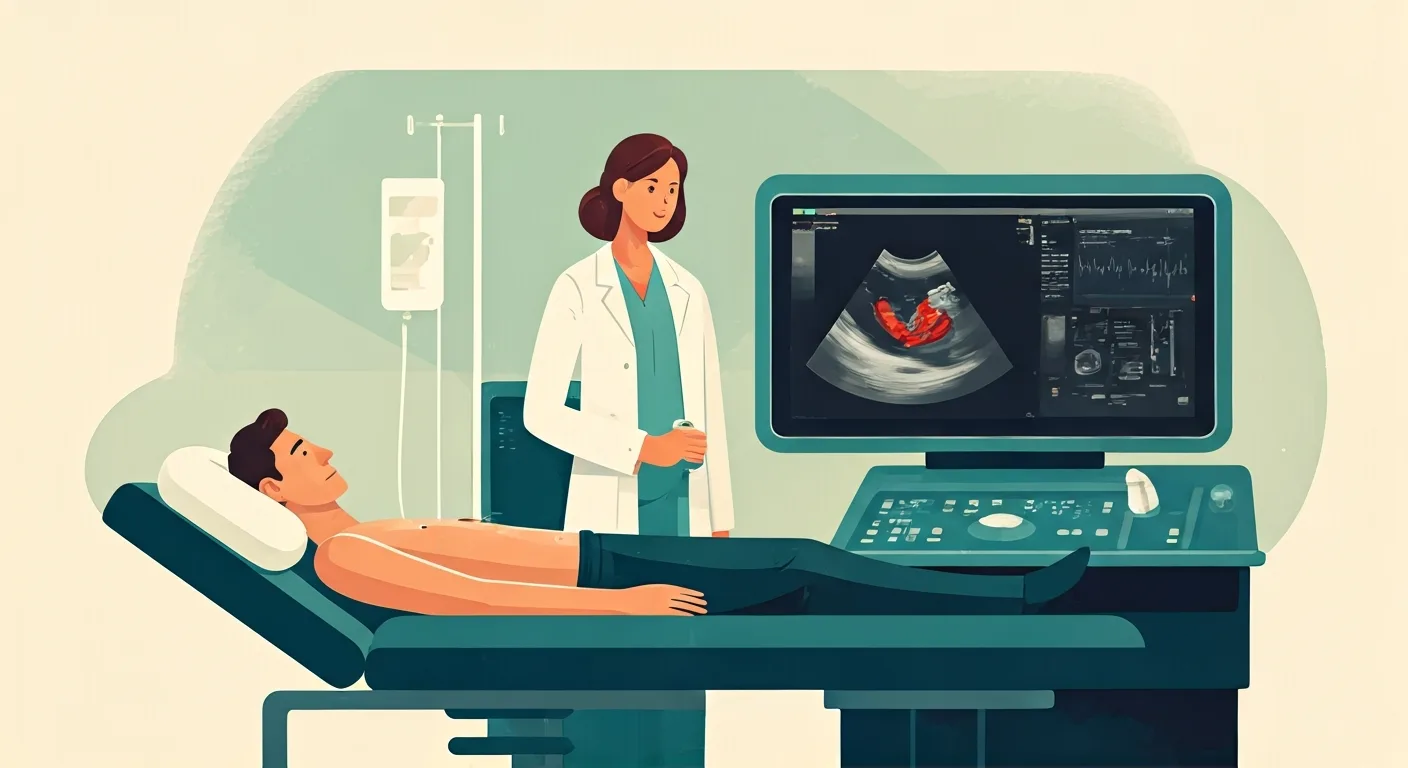
Performs and interprets a wide range of diagnostic heart tests, including electrocardiograms (ECGs), echocardiograms, and cardiac stress tests. This role is crucial in helping cardiologists accurately diagnose and manage various cardiac conditions. Cardiac physiologists operate sophisticated monitoring equipment, analyse data, and report their findings, while also providing essential support and reassurance to patients throughout their procedures.
Directly contributes to the early and accurate diagnosis of heart conditions, enabling timely treatment and improving patient outcomes and quality of life. Plays a vital role in cardiac disease management.
On the job
- Perform and analyse 12-lead ECGs and set up Holter monitoring devices.
- Conduct comprehensive transthoracic echocardiograms and stress echocardiograms.
- Set up and manage cardiac stress tests, monitoring patient physiological responses.
- Prepare detailed technical reports of findings for review and interpretation by cardiologists.
- Provide patient education and emotional support during diagnostic procedures, explaining tests and addressing concerns.
Tools & technology
Average salary
Job outlook
StableDemand is steady. This is an established role with consistent hiring across sectors.
Education & training
A Bachelor's degree in Cardiac Physiology, Clinical Physiology, or a related science field, or an advanced diploma in cardiovascular technology is typically required.
AI impact outlook
Note — this is our current view. AI is moving fast, so we revisit these ratings.
Show how this was assessed Hide the detail
Note — this is our current view. AI is moving fast, so we revisit these ratings.
Show how this was assessed Hide the detailWhy this role received this rating
Core task exposure
moderate
How much of the role’s important work could AI perform?
Analysis of ECGs, Holter data, and basic echocardiogram measurements are highly amenable to AI interpretation and reporting.
End-to-end automation
low
Can AI complete the work without substantial human involvement?
While data acquisition and initial analysis can be automated, performing complex scans and real-time patient monitoring during stress tests prevent full end-to-end automation.
Adoption pressure
high
How likely are employers to introduce AI into this work?
The drive for faster, more accurate diagnostics in cardiology creates strong pressure for AI adoption in data analysis and preliminary interpretation.
Human dependence
strong
How much does success depend on human judgement, relationships and accountability?
Success requires skilled manipulation of imaging probes, vigilant patient monitoring during stress tests, and empathetic patient interaction during procedures.
Protective — a higher rating lowers the overall score.
Role adaptability
strong
How easily can the role evolve as AI takes on more tasks?
The role is highly adaptable, constantly integrating new imaging technologies, diagnostic methods, and AI-enhanced analytical tools.
Shown for context — not part of the score.
What AI may take on
These are the parts of the role most likely to be automated or significantly accelerated.
- Automated analysis and interpretation of 12-lead ECGs and Holter data
- Preliminary interpretation of echocardiogram measurements and flagging anomalies
- Generating detailed technical reports from diagnostic findings
- Setting up and calibrating monitoring devices for routine tests
- Predictive analytics for cardiac risk based on test data
Where people remain essential
These parts continue to depend heavily on human judgement, relationships and accountability.
- Performing comprehensive transthoracic and stress echocardiograms with skilled probe manipulation
- Managing cardiac stress tests, monitoring patient physiological responses in real-time
- Providing patient education and emotional support during diagnostic procedures
- Interpreting ambiguous or complex diagnostic images and data
- Collaborating with cardiologists to discuss findings and implications
- Ensuring patient comfort and safety throughout invasive and non-invasive tests
- Troubleshooting equipment malfunctions during procedures
How the role may evolve
Mastering complex imaging and patient-centric procedural support.
Cardiac Physiologists will use AI to streamline data analysis and reporting, enabling them to focus on mastering advanced imaging techniques, making real-time clinical judgments during tests, and providing critical patient support.
Strengthen your future fit
- Expertise in performing advanced echocardiography and complex imaging modalities
- Enhanced critical thinking and clinical judgment during stress tests
- Proficiency in patient communication and emotional support
- Advanced data interpretation skills for AI-augmented reports
- Adapting to new cardiac diagnostic technologies and protocols
- Assessment horizon
- 3–7 years
- Confidence
- Medium
- Last reviewed
- August 2026
- Methodology
- v1.0
This assessment reflects current AI capabilities and expected adoption patterns. Actual impacts will vary by industry, employer and the way each role is performed.
Career pathways
WHERE YOU COULD GO
CURRENT ROLE
Cardiac Physiologist
Allied Health
ADJACENT MOVES
STARTING POINTS
Who thrives here
Interest profile
investigative · RIC
People who enjoy working with specialized medical equipment, meticulously analyzing diagnostic data, and following structured clinical protocols to support patient care often thrive in this role.
Personality characteristics
Detail-oriented
Ensures accuracy and precision in diagnostic testing and reporting, which is crucial for patient safety and effective treatment.
Empathetic
Provides comfort, clear explanations, and reassurance to patients who may be anxious or unwell during medical procedures.
Composed
Maintains calm and focus when performing complex procedures, interpreting critical data, or dealing with urgent clinical situations.
Analytical
Thoroughly interprets complex physiological data, cardiac imaging results, and patient symptoms to aid in diagnosis.
Reliable
Adheres strictly to clinical protocols, equipment operation standards, and reporting guidelines to ensure consistent, high-quality care.
Best for
- Individuals who are methodical, analytical, and dedicated to precision and patient care in a clinical setting.
- Those who enjoy using advanced medical technology and scientific principles to directly contribute to patient health and diagnosis.
Watch out for
- The work is highly structured and protocol-driven, offering limited scope for creative or entrepreneurial approaches to tasks.
- Requires maintaining composure and accuracy under pressure, especially when dealing with urgent clinical situations or complex patient cases.
A week in the life
A representative working week for a Cardiac Physiologist — where the deep work, meetings, and admin actually land.
Real people. Real results.
Thousands of people
can't be wrong.



Frequently asked questions about Cardiac Physiologist roles
What does a Cardiac Physiologist do?
A Cardiac Physiologist performs and interprets a wide range of diagnostic heart tests, including electrocardiograms (ECGs), echocardiograms, and cardiac stress tests. This role is crucial in helping cardiologists accurately diagnose and manage various cardiac conditions. Cardiac physiologists operate sophisticated monitoring equipment, analyse data, and report their findings, while also providing essential support and reassurance to patients throughout their procedures. Directly contributes to the early and accurate diagnosis of heart conditions, enabling timely treatment and improving patient outcomes and quality of life. Plays a vital role in cardiac disease management.
How much does a Cardiac Physiologist earn?
A Cardiac Physiologist earns a median of $85,000 per year in the US, typically ranging from $65,000 to $110,000.
What qualifications do you need to become a Cardiac Physiologist?
To become a Cardiac Physiologist, a Bachelor's degree in Cardiac Physiology, Clinical Physiology, or a related science field, or an advanced diploma in cardiovascular technology is typically required. Professional registration with a relevant accreditation body (e.g., ARDMS for cardiac sonography, RCCP).
What personality suits a Cardiac Physiologist?
Cardiac Physiologist roles tend to suit people who are highly conscientious — precise, organised and strong on follow-through (Conscientiousness 84/100) and warm and cooperative — tuned in to the people around them (Agreeableness 68/100). The traits that matter most in the role are Detail-oriented, Empathetic, Composed and Analytical. Ensures accuracy and precision in diagnostic testing and reporting, which is crucial for patient safety and effective treatment. On interests, Cardiac Physiologist maps to a RIC Holland Code profile — people who enjoy working with specialized medical equipment, meticulously analyzing diagnostic data, and following structured clinical protocols to support patient care often thrive in this role.
Who does a Cardiac Physiologist role suit?
A Cardiac Physiologist role is usually a strong fit for these reasons. Strong Investigative and Conventional alignment: the role demands precise data analysis and strict adherence to clinical protocols. High Conscientiousness is key for ensuring accuracy in diagnostic procedures and meticulous reporting, directly impacting patient outcomes. Significant patient interaction allows those with high Agreeableness to provide empathetic care and support during potentially stressful procedures.
What are the downsides of being a Cardiac Physiologist?
Cardiac Physiologist roles come with trade-offs worth weighing up. The work is highly structured and protocol-driven, offering limited scope for creative or entrepreneurial approaches to tasks. Requires maintaining composure and accuracy under pressure, especially when dealing with urgent clinical situations or complex patient cases.
What is the work environment like for a Cardiac Physiologist?
Work as a Cardiac Physiologist is mostly clinical-based with onsite arrangements common, highly structured, with set processes and deadlines, a moderate pace and high exposure to clients or stakeholders. Around 77% of the week is focused deep work.
What skills do you need to be a Cardiac Physiologist?
Core skills for a Cardiac Physiologist include Cardiac ultrasound imaging, ECG interpretation, Patient care and communication, Diagnostic equipment operation and Clinical data analysis and reporting.
How do you become a Cardiac Physiologist?
Common entry routes into Cardiac Physiologist roles include Junior Cardiac Physiologist, Student Cardiac Physiologist and Medical Assistant Cardiology.
What career progression is there for a Cardiac Physiologist?
From a Cardiac Physiologist role, common next steps include Senior Cardiac Physiologist and Cardiac Sonography Supervisor; lateral moves include Clinical Research Coordinator.
What is the job outlook for Cardiac Physiologist roles?
The outlook for Cardiac Physiologist roles is currently rated stable. Demand is steady. This is an established role with consistent hiring across sectors.
Will AI replace Cardiac Physiologist roles?
Traitstack rates automation risk for Cardiac Physiologist roles at 53 out of 100, which is moderate. The skilled performance of complex scans, real-time patient monitoring, and emotional support during procedures will remain human, even as AI is poised to enhance diagnostic data analysis and report generation. AI is most likely to take on automated analysis and interpretation of 12-lead ecgs and holter data, preliminary interpretation of echocardiogram measurements and flagging anomalies and generating detailed technical reports from diagnostic findings. Performing comprehensive transthoracic and stress echocardiograms with skilled probe manipulation, managing cardiac stress tests, monitoring patient physiological responses in real-time and providing patient education and emotional support during diagnostic procedures stay with people. Mastering complex imaging and patient-centric procedural support. That score measures how much of the work could change, not the likelihood the job disappears. It is Traitstack's current view, revisited as AI capability moves.