Nursing Assistant
SOC 31-1131.00 · ESCO 5321 · OSCA 442231
Role snapshot
Overview
Provides essential direct care to patients under the supervision of registered nurses and other medical staff. Responsibilities include assisting with daily living activities like bathing, dressing, and feeding, monitoring vital signs, documenting observations, and ensuring patient comfort and safety in various healthcare settings such as hospitals, long-term care facilities, and home health.
Contributes directly to patient well-being and recovery by ensuring their basic needs are met, maintaining hygiene, and providing compassionate support, thereby freeing up nursing staff for more complex medical tasks.
On the job
- Assist patients with personal care, including bathing, dressing, grooming, and toileting.
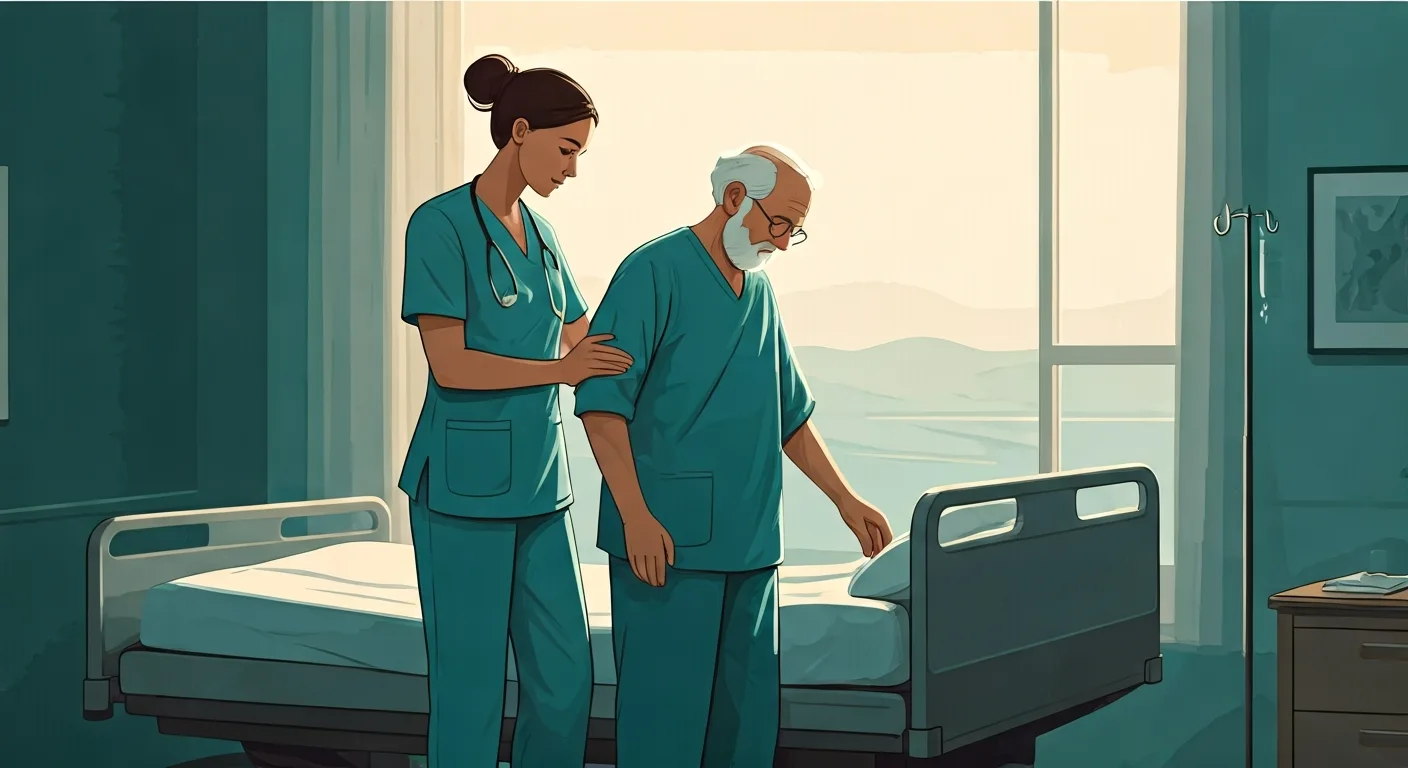
- Help patients with mobility, transferring, and positioning safely in beds or wheelchairs.
- Monitor and record vital signs (temperature, pulse, respiration, blood pressure), intake, and output, reporting changes to nurses.
- Serve meals and assist with feeding, ensuring dietary restrictions and preferences are followed.
- Maintain a clean and organized patient environment, changing linens and restocking supplies.
Tools & technology
Average salary
Job outlook
ExcellentNew job opportunities are highly likely. Demand significantly outpaces supply in most markets.
Education & training
Completion of a state-approved nursing assistant training program and passing a certification exam are typically required.
AI impact outlook
Note — this is our current view. AI is moving fast, so we revisit these ratings.
Show how this was assessed Hide the detail
Note — this is our current view. AI is moving fast, so we revisit these ratings.
Show how this was assessed Hide the detailWhy this role received this rating
Core task exposure
moderate
How much of the role’s important work could AI perform?
Monitoring vital signs and documenting patient observations are highly susceptible to AI automation, but direct physical assistance remains minimally exposed.
End-to-end automation
low
Can AI complete the work without substantial human involvement?
Complete automation of personal care tasks like bathing, dressing, and feeding, along with patient mobility assistance, is currently impossible and highly unlikely.
Adoption pressure
high
How likely are employers to introduce AI into this work?
High, as healthcare facilities seek to automate routine data collection and documentation to improve efficiency and reduce costs in a labor-intensive sector.
Human dependence
strong
How much does success depend on human judgement, relationships and accountability?
Success critically relies on providing direct human comfort, maintaining patient dignity, offering physical assistance, and responding immediately to unpredictable physical needs.
Protective — a higher rating lowers the overall score.
Role adaptability
moderate
How easily can the role evolve as AI takes on more tasks?
The role's core tasks of direct patient assistance are enduring, though workflows will adapt to integrate more technology for monitoring and documentation.
Shown for context — not part of the score.
What AI may take on
These are the parts of the role most likely to be automated or significantly accelerated.
- Automated monitoring and recording of vital signs
- Digital documentation of patient intake and output
- Alerting nurses to changes in patient condition based on data
- Managing inventory of supplies in patient rooms
- Assisting with meal ordering according to dietary restrictions
Where people remain essential
These parts continue to depend heavily on human judgement, relationships and accountability.
- Assisting patients with personal care like bathing and dressing
- Helping patients with mobility, transfers, and positioning
- Ensuring patient comfort and dignity through direct interaction
- Responding to immediate, unexpected patient needs (e.g., falls)
- Providing emotional support and companionship
- Observing subtle, non-quantifiable changes in patient well-being
- Serving meals and assisting with feeding in a compassionate manner
How the role may evolve
The personal touch intensifies. Routine data collection becomes AI-assisted.
Nursing assistants will increasingly rely on AI tools for data collection and reporting, allowing them to dedicate more focused time to providing direct, compassionate physical care and emotional support to patients.
Strengthen your future fit
- Proficiency in using AI-integrated patient monitoring systems
- Enhanced communication and empathy skills
- Expertise in safe patient handling and mobility techniques
- Acute observational skills for non-verbal cues
- Adaptability to new healthcare technologies and protocols
- Assessment horizon
- 3–7 years
- Confidence
- Medium
- Last reviewed
- August 2026
- Methodology
- v1.0
This assessment reflects current AI capabilities and expected adoption patterns. Actual impacts will vary by industry, employer and the way each role is performed.
Career pathways
WHERE YOU COULD GO
CURRENT ROLE
Nursing Assistant
Nursing & Midwifery
ADJACENT MOVES
Who thrives here
Interest profile
social · SRC
Individuals who enjoy providing direct care, performing practical tasks, and working in structured environments to support patient well-being tend to thrive in this role.
Personality characteristics
Caring
Demonstrates empathy and provides comfort to patients, understanding their physical and emotional needs.
Conscientious
Consistently follows care plans, medical protocols, and documentation procedures with accuracy.
Observant
Pays close attention to changes in a patient's condition and accurately reports observations to nursing staff.
Team-oriented
Works effectively with nurses, doctors, and other healthcare professionals to ensure coordinated patient care.
Steady Under Pressure
Maintains composure and effectiveness in demanding and sometimes stressful patient care situations.
Best for
- Individuals who find fulfillment in caring for others and making a tangible difference in their daily lives.
- Those who thrive in a structured, fast-paced environment and enjoy hands-on work.
- People seeking an entry point into the healthcare field with opportunities for further education and career advancement.
Watch out for
- The role can be physically demanding, requiring lifting, transferring, and long periods spent on your feet.
- It can be emotionally challenging, as you will deal with patients experiencing illness, injury, and sometimes end-of-life care.
- Shift work, including nights, weekends, and holidays, is common and often required.
A week in the life
A representative working week for a Nursing Assistant — where the deep work, meetings, and admin actually land.
Real people. Real results.
Thousands of people
can't be wrong.



Frequently asked questions about Nursing Assistant roles
What does a Nursing Assistant do?
A Nursing Assistant provides essential direct care to patients under the supervision of registered nurses and other medical staff. Responsibilities include assisting with daily living activities like bathing, dressing, and feeding, monitoring vital signs, documenting observations, and ensuring patient comfort and safety in various healthcare settings such as hospitals, long-term care facilities, and home health. Contributes directly to patient well-being and recovery by ensuring their basic needs are met, maintaining hygiene, and providing compassionate support, thereby freeing up nursing staff for more complex medical tasks.
How much does a Nursing Assistant earn?
A Nursing Assistant earns a median of $38,000 per year in the US, typically ranging from $30,000 to $45,000.
What qualifications do you need to become a Nursing Assistant?
To become a Nursing Assistant, completion of a state-approved nursing assistant training program and passing a certification exam are typically required. State certification as a Nursing Assistant (CNA).
What personality suits a Nursing Assistant?
Nursing Assistant roles tend to suit people who are warm and cooperative — tuned in to the people around them (Agreeableness 80/100) and highly conscientious — precise, organised and strong on follow-through (Conscientiousness 75/100). The traits that matter most in the role are Caring, Conscientious, Observant and Team-oriented. Demonstrates empathy and provides comfort to patients, understanding their physical and emotional needs. On interests, Nursing Assistant maps to a SRC Holland Code profile — individuals who enjoy providing direct care, performing practical tasks, and working in structured environments to support patient well-being tend to thrive in this role.
Who does a Nursing Assistant role suit?
A Nursing Assistant role is usually a strong fit for these reasons. Your high Social (S) interest aligns perfectly with the direct patient interaction and compassionate care central to this role. A strong Realistic (R) interest is well-suited for the hands-on tasks and practical patient support involved. High Conscientiousness (C) is crucial for consistently following medical protocols and accurate documentation.
What are the downsides of being a Nursing Assistant?
Nursing Assistant roles come with trade-offs worth weighing up. The role can be physically demanding, requiring lifting, transferring, and long periods spent on your feet. It can be emotionally challenging, as you will deal with patients experiencing illness, injury, and sometimes end-of-life care. Shift work, including nights, weekends, and holidays, is common and often required.
What is the work environment like for a Nursing Assistant?
Work as a Nursing Assistant is mostly clinical-based with onsite arrangements common, highly structured, with set processes and deadlines and high exposure to clients or stakeholders. Around 4% of the week is focused deep work.
What skills do you need to be a Nursing Assistant?
Core skills for a Nursing Assistant include Basic patient care, Vital sign monitoring, Patient mobility assistance, Communication and Documentation.
How do you become a Nursing Assistant?
Typical routes into Nursing Assistant roles include Certified Nursing Assistant (CNA) Program, Nursing Assistant Training Program and Certificate in Patient Care.
What career progression is there for a Nursing Assistant?
From a Nursing Assistant role, common next steps include Licensed Practical Nurse (LPN) and Registered Nurse (RN); lateral moves include Home Health Aide and Medical Assistant.
What is the job outlook for Nursing Assistant roles?
The outlook for Nursing Assistant roles is currently rated excellent. New job opportunities are highly likely. Demand significantly outpaces supply in most markets.
Will AI replace Nursing Assistant roles?
Traitstack rates automation risk for Nursing Assistant roles at 34 out of 100, which is low. Routine monitoring and documentation are exposed to AI, yet the physical assistance, personal care, and direct human comfort provided are not. AI is most likely to take on automated monitoring and recording of vital signs, digital documentation of patient intake and output and alerting nurses to changes in patient condition based on data. Assisting patients with personal care like bathing and dressing, helping patients with mobility, transfers, and positioning and ensuring patient comfort and dignity through direct interaction stay with people. The personal touch intensifies. Routine data collection becomes AI-assisted. That score measures how much of the work could change, not the likelihood the job disappears. It is Traitstack's current view, revisited as AI capability moves.