Neurosurgeon
SOC 29-1242.00 · ESCO 2212 · OSCA 264633
Role snapshot
Overview
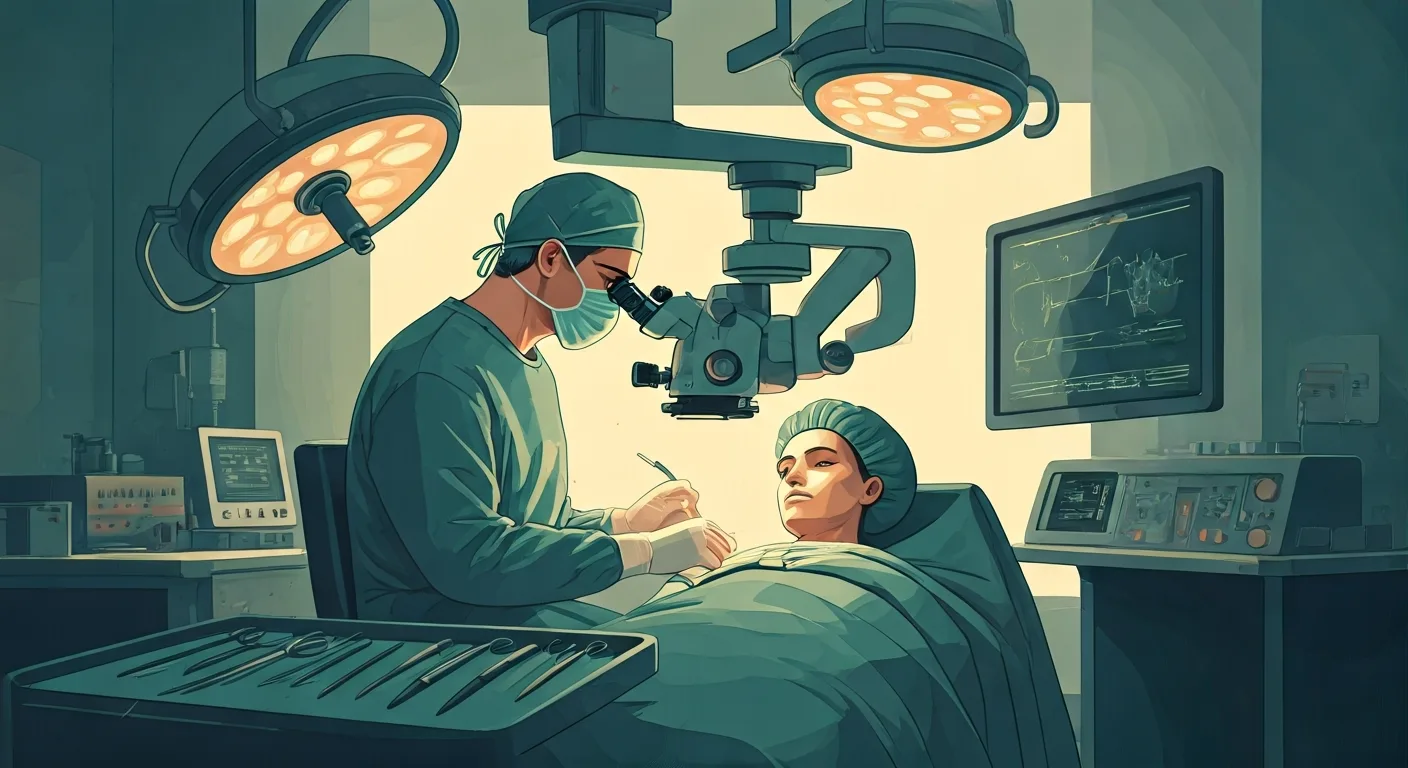
Performs intricate surgical procedures on the brain, spinal cord, and peripheral nerves to treat tumours, aneurysms, and traumatic injuries. Makes high-stakes decisions under pressure while leading an operating-room team. This role requires exceptional precision, extensive medical knowledge, and the ability to manage complex cases and critical patient care.
Significantly improves or saves lives by treating complex neurological conditions, restoring function, and alleviating pain. Contributes to medical advancements through research and training.
On the job
- Diagnose and evaluate neurological conditions through physical exams, imaging, and patient history.
- Perform highly complex surgical procedures on the brain, spine, and peripheral nerves.
- Manage pre-operative and post-operative patient care, including monitoring and follow-up.
- Collaborate with multidisciplinary teams, including neurologists, radiologists, and anesthesiologists.
- Stay current with medical advancements, surgical techniques, and research in neurosurgery.
Tools & technology
Average salary
Job outlook
GrowingJob growth is expected to be above average over the next five years.
Education & training
Extensive education including a Doctor of Medicine (MD), a general surgery internship, a neurosurgery residency, and often a specialized fellowship.
AI impact outlook
Note — this is our current view. AI is moving fast, so we revisit these ratings.
Show how this was assessed Hide the detail
Note — this is our current view. AI is moving fast, so we revisit these ratings.
Show how this was assessed Hide the detailWhy this role received this rating
Core task exposure
low
How much of the role’s important work could AI perform?
While AI can assist with diagnostic imaging and synthesize vast medical literature, the intricate manual performance of brain and spine surgery remains firmly human.
End-to-end automation
low
Can AI complete the work without substantial human involvement?
The comprehensive workflow from patient consultation to complex surgical execution and post-operative care requires continuous human judgment, making full automation impossible.
Adoption pressure
low
How likely are employers to introduce AI into this work?
The extreme high stakes, patient safety, and stringent regulatory and ethical frameworks severely limit the adoption of AI for anything beyond decision support and assistance in core surgical tasks.
Human dependence
strong
How much does success depend on human judgement, relationships and accountability?
The profound need for human judgment, precision, ethical accountability, and patient trust in high-stakes surgical procedures is paramount for success.
Protective — a higher rating lowers the overall score.
Role adaptability
moderate
How easily can the role evolve as AI takes on more tasks?
This highly specialized field constantly integrates new diagnostic techniques, surgical tools, and research, requiring neurosurgeons to adapt their practices continually.
Shown for context — not part of the score.
What AI may take on
These are the parts of the role most likely to be automated or significantly accelerated.
- Synthesizing vast amounts of medical research and patient data for diagnostic support.
- Assisting with pre-operative planning and surgical pathway optimization.
- Enhanced analysis of complex neurological imaging (MRI, CT) to identify subtle anomalies.
- Real-time intraoperative guidance and anomaly detection during surgery.
- Automating aspects of patient monitoring data analysis for early issue detection.
- Drafting routine post-operative care instructions and discharge summaries.
Where people remain essential
These parts continue to depend heavily on human judgement, relationships and accountability.
- Performing intricate manual surgical procedures on delicate neurological structures.
- Making critical, real-time surgical decisions under extreme pressure.
- Providing empathetic patient and family communication and obtaining informed consent.
- Leading and coordinating multidisciplinary surgical teams.
- Bearing ultimate legal and ethical accountability for patient outcomes.
- Adapting to unforeseen anatomical variations and surgical complications.
- Developing novel surgical techniques and advancing the field through research.
How the role may evolve
From solo expertise to augmented surgical precision and decision-making.
The role shifts to integrate advanced AI-driven tools for enhanced diagnostics and surgical guidance, elevating the surgeon's precision and capacity for complex cases rather than replacing them.
Strengthen your future fit
- Proficiency in utilizing advanced AI-powered diagnostic and surgical navigation systems.
- Leading multidisciplinary teams that include AI specialists and data scientists.
- Mastering adaptive surgical techniques for AI-assisted interventions.
- Maintaining ethical oversight and accountability for AI-informed decisions.
- Continual learning in emerging neurosurgical and AI technologies.
- Assessment horizon
- 3–7 years
- Confidence
- High
- Last reviewed
- August 2026
- Methodology
- v1.0
This assessment reflects current AI capabilities and expected adoption patterns. Actual impacts will vary by industry, employer and the way each role is performed.
Career pathways
WHERE YOU COULD GO
CURRENT ROLE
Neurosurgeon
Medical & Clinical
ADJACENT MOVES
STARTING POINTS
Who thrives here
Interest profile
investigative · IRS
Neurosurgeons typically possess a strong Investigative interest, driven by complex problem-solving and scientific inquiry. Their Realistic side is crucial for hands-on surgical precision, while a Social orientation supports patient interaction and team collaboration.
Personality characteristics
Conscientious
Exhibits extreme precision, meticulous attention to detail, and unwavering responsibility in high-stakes surgical environments.
Emotionally Stable
Maintains composure and a steady hand under immense pressure, making critical decisions calmly and effectively.
Analytical
Driven by an Investigative curiosity to diagnose complex neurological conditions and devise optimal surgical strategies.
Collaborative
Works effectively as a leader within a surgical team, fostering clear communication and mutual respect.
Decisive
Capable of making rapid, high-impact decisions in the operating room, often with incomplete information.
Best for
- Individuals who thrive under extreme pressure and possess an unwavering commitment to precision and patient outcomes.
- Those driven by complex intellectual challenges and a desire to master highly specialized surgical skills.
- People who are natural leaders, capable of directing a team in critical, fast-paced environments.
Watch out for
- The role involves extremely long, unpredictable hours and high emotional stress, requiring significant personal resilience.
- The extensive education and training pathway is one of the longest and most demanding in medicine.
A week in the life
A representative working week for a Neurosurgeon — where the deep work, meetings, and admin actually land.
Real people. Real results.
Thousands of people
can't be wrong.




Frequently asked questions about Neurosurgeon roles
What does a Neurosurgeon do?
A Neurosurgeon performs intricate surgical procedures on the brain, spinal cord, and peripheral nerves to treat tumours, aneurysms, and traumatic injuries. Makes high-stakes decisions under pressure while leading an operating-room team. This role requires exceptional precision, extensive medical knowledge, and the ability to manage complex cases and critical patient care. Significantly improves or saves lives by treating complex neurological conditions, restoring function, and alleviating pain. Contributes to medical advancements through research and training.
How much does a Neurosurgeon earn?
A Neurosurgeon earns a median of $600,000 per year in the US, typically ranging from $350,000 to $900,000.
What qualifications do you need to become a Neurosurgeon?
To become a Neurosurgeon, extensive education including a Doctor of Medicine (MD), a general surgery internship, a neurosurgery residency, and often a specialized fellowship. State Medical License.
What personality suits a Neurosurgeon?
Neurosurgeon roles tend to suit people who are highly conscientious — precise, organised and strong on follow-through (Conscientiousness 92/100) and steady under pressure — deadlines and setbacks do not rattle them easily (Emotional Stability 70/100). The traits that matter most in the role are Conscientious, Emotionally Stable, Analytical and Collaborative. Exhibits extreme precision, meticulous attention to detail, and unwavering responsibility in high-stakes surgical environments. On interests, Neurosurgeon maps to an IRS Holland Code profile — neurosurgeons typically possess a strong Investigative interest, driven by complex problem-solving and scientific inquiry. Their Realistic side is crucial for hands-on surgical precision, while a Social orientation supports patient interaction and team collaboration.
Who does a Neurosurgeon role suit?
A Neurosurgeon role is usually a strong fit for these reasons. Requires exceptional precision and analytical thinking, aligning strongly with Investigative and Realistic interests. Involves high-stakes decision-making and leadership, appealing to individuals with strong conscientiousness and emotional stability. Offers the profound satisfaction of directly impacting and saving human lives through highly specialized medical intervention.
What are the downsides of being a Neurosurgeon?
Neurosurgeon roles come with trade-offs worth weighing up. The role involves extremely long, unpredictable hours and high emotional stress, requiring significant personal resilience. The extensive education and training pathway is one of the longest and most demanding in medicine.
What is the work environment like for a Neurosurgeon?
Work as a Neurosurgeon is mostly clinical-based with onsite arrangements common, highly structured, with set processes and deadlines and high exposure to clients or stakeholders. Around 38% of the week is focused deep work.
What skills do you need to be a Neurosurgeon?
Core skills for a Neurosurgeon include Surgical Precision, Diagnostic Reasoning, Critical Decision Making, Team Leadership and Patient Communication.
How do you become a Neurosurgeon?
Common entry routes into Neurosurgeon roles include Medical Resident, General Surgeon and Neurologist.
What career progression is there for a Neurosurgeon?
From a Neurosurgeon role, common next steps include Chief of Neurosurgery and Director of Neuro-Oncology; lateral moves include Medical Educator.
What is the job outlook for Neurosurgeon roles?
The outlook for Neurosurgeon roles is currently rated growing. Job growth is expected to be above average over the next five years.
Will AI replace Neurosurgeon roles?
Traitstack rates automation risk for Neurosurgeon roles at 12 out of 100, which is low. While AI provides diagnostic and planning assistance, the execution of intricate surgery and the ultimate ethical and medical accountability remain with the neurosurgeon. AI is most likely to take on synthesizing vast amounts of medical research and patient data for diagnostic support., assisting with pre-operative planning and surgical pathway optimization. and enhanced analysis of complex neurological imaging (mri, ct) to identify subtle anomalies.. Performing intricate manual surgical procedures on delicate neurological structures., making critical, real-time surgical decisions under extreme pressure. and providing empathetic patient and family communication and obtaining informed consent. stay with people. From solo expertise to augmented surgical precision and decision-making. That score measures how much of the work could change, not the likelihood the job disappears. It is Traitstack's current view, revisited as AI capability moves.