Ophthalmologist
SOC 29-1241.00 · ESCO 2212 · OSCA 264934
Role snapshot
Overview
Diagnoses and treats diseases and disorders of the eye, performing surgeries such as cataract removal and laser vision correction. Conducts comprehensive eye exams and manages chronic conditions like glaucoma and macular degeneration. This medical specialty requires extensive training in both medical and surgical aspects of eye care, providing critical services to maintain and restore vision.
Significantly improves patients' quality of life by preserving, restoring, or enhancing their vision, enabling them to live more independently and engage fully with the world.
On the job
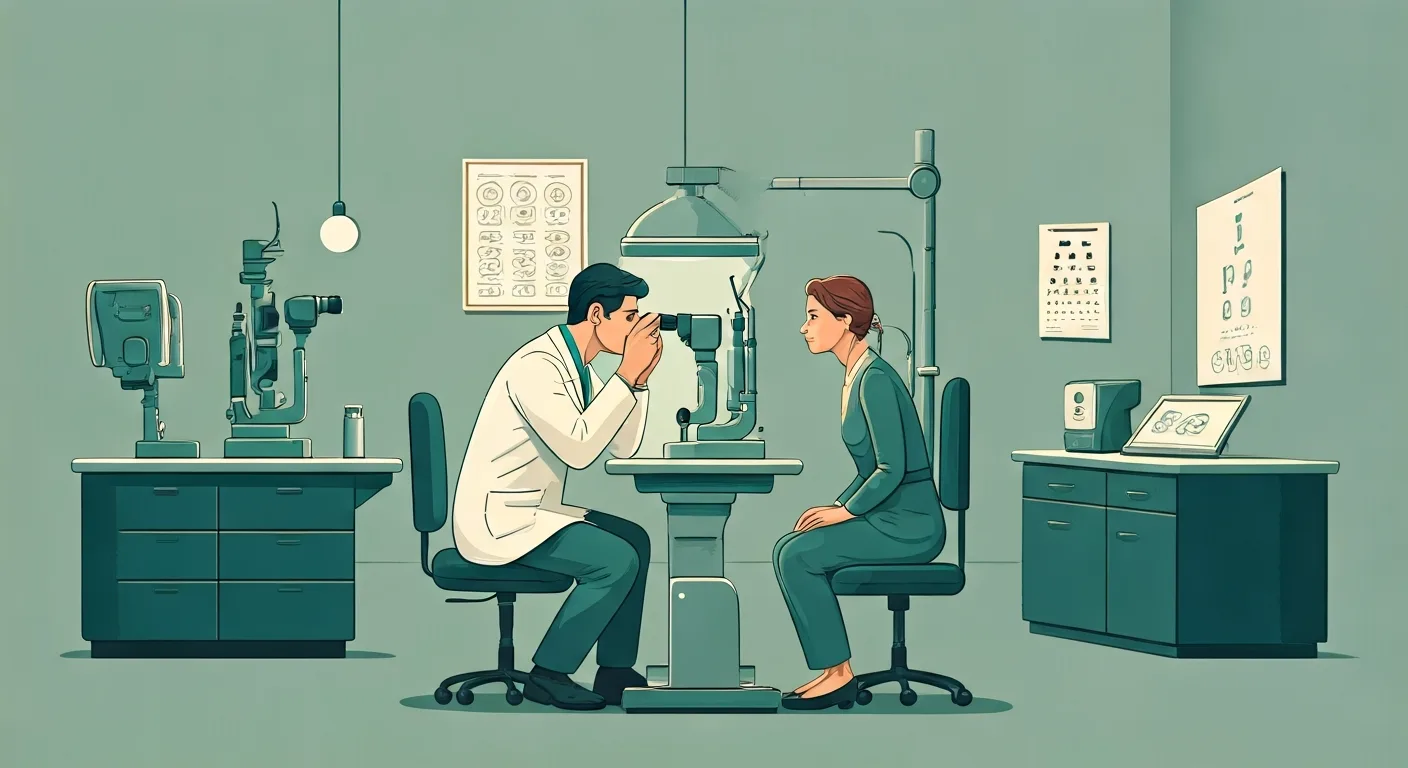
- Conduct comprehensive eye examinations, including vision tests, slit-lamp examinations, and fundoscopy.
- Diagnose and manage various ocular conditions such as glaucoma, cataracts, diabetic retinopathy, and macular degeneration.
- Perform intricate surgical procedures, including cataract extraction, laser vision correction (LASIK/PRK), and retinal surgery.
- Prescribe medications, corrective lenses, and other treatments for eye diseases and vision problems.
- Educate patients on eye health, preventive care, and post-operative instructions.
Tools & technology
Average salary
Job outlook
ExcellentNew job opportunities are highly likely. Demand significantly outpaces supply in most markets.
Education & training
Completion of medical school (MD or DO), followed by an ophthalmology residency and often a fellowship.
AI impact outlook
Note — this is our current view. AI is moving fast, so we revisit these ratings.
Show how this was assessed Hide the detail
Note — this is our current view. AI is moving fast, so we revisit these ratings.
Show how this was assessed Hide the detailWhy this role received this rating
Core task exposure
low
How much of the role’s important work could AI perform?
AI can effectively analyze ocular imaging for conditions like glaucoma or diabetic retinopathy, but intricate surgical procedures and personalized treatment adaptation require human skill.
End-to-end automation
low
Can AI complete the work without substantial human involvement?
Surgical procedures, direct patient examinations, and complex decision-making are too nuanced for end-to-end automation by AI.
Adoption pressure
moderate
How likely are employers to introduce AI into this work?
AI's capability in image analysis for early disease detection is highly attractive, leading to moderate adoption pressure for specific tasks.
Human dependence
strong
How much does success depend on human judgement, relationships and accountability?
Success in ophthalmology hinges on precision surgical skills, accurate diagnostic judgment, and effective patient communication regarding vision care.
Protective — a higher rating lowers the overall score.
Role adaptability
strong
How easily can the role evolve as AI takes on more tasks?
Ophthalmologists regularly adopt advanced diagnostic imaging, laser technologies, and new surgical techniques, indicating high adaptability.
Shown for context — not part of the score.
What AI may take on
These are the parts of the role most likely to be automated or significantly accelerated.
- Analyze retinal scans for early signs of diabetic retinopathy or macular degeneration
- Identify cataracts from slit-lamp images
- Assist in surgical planning for laser vision correction
- Monitor progression of conditions like glaucoma based on imaging
- Automate prescription generation for common refractive errors
Where people remain essential
These parts continue to depend heavily on human judgement, relationships and accountability.
- Performing intricate surgical procedures like cataract extraction and LASIK
- Conducting comprehensive physical eye examinations
- Making critical diagnostic decisions for complex cases
- Providing personalized patient counseling on vision health
- Adapting treatment plans to individual patient needs and responses
- Managing surgical complications and unexpected patient reactions
- Ensuring ethical care and accountability for patient vision
How the role may evolve
Augmented diagnostics. Human precision in surgery and patient relationships.
The role will involve greater reliance on AI for diagnostic screening and data interpretation, freeing ophthalmologists to focus their expertise on complex surgical interventions and direct patient care.
Strengthen your future fit
- Expertise in interpreting AI-generated diagnostic insights
- Advanced microsurgical skills for delicate eye procedures
- Strong communication for explaining complex conditions
- Ability to integrate new technologies into practice
- Critical judgment in high-stakes vision-related decisions
- Assessment horizon
- 3–7 years
- Confidence
- High
- Last reviewed
- August 2026
- Methodology
- v1.0
This assessment reflects current AI capabilities and expected adoption patterns. Actual impacts will vary by industry, employer and the way each role is performed.
Career pathways
WHERE YOU COULD GO
CURRENT ROLE
Ophthalmologist
Medical & Clinical
ADJACENT MOVES
STARTING POINTS
Who thrives here
Interest profile
investigative · ISR
People who are intellectually curious about complex biological systems, enjoy methodical problem-solving, are adept with tools and procedures, and committed to helping others, often excel in ophthalmology.
Personality characteristics
Meticulous
Approaches diagnostics and surgical procedures with extreme care and attention to detail, ensuring precision and patient safety.
Analytical
Applies scientific reasoning and methodical investigation to diagnose complex eye conditions and develop effective treatment plans.
Composed
Maintains calm and effectiveness under pressure, especially during critical surgeries or emergency situations.
Empathetic
Connects with patients, understanding their concerns and communicating complex medical information clearly and compassionately.
Dexterous
Possesses excellent fine motor skills and hand-eye coordination for delicate surgical procedures and instrument handling.
Best for
- Individuals who thrive on solving complex medical puzzles and performing highly skilled, precise procedures.
- Those dedicated to patient well-being and committed to a career of continuous learning and rigorous practice.
- People who can maintain focus and composure in high-stakes clinical and surgical environments.
Watch out for
- The extensive training and demanding work schedule can be very challenging and require significant personal sacrifice.
- High stakes involved in preserving vision can lead to considerable pressure and responsibility.
A week in the life
A representative working week for an Ophthalmologist — where the deep work, meetings, and admin actually land.
Real people. Real results.
Thousands of people
can't be wrong.





Frequently asked questions about Ophthalmologist roles
What does an Ophthalmologist do?
An Ophthalmologist diagnoses and treats diseases and disorders of the eye, performing surgeries such as cataract removal and laser vision correction. Conducts comprehensive eye exams and manages chronic conditions like glaucoma and macular degeneration. This medical specialty requires extensive training in both medical and surgical aspects of eye care, providing critical services to maintain and restore vision. Significantly improves patients' quality of life by preserving, restoring, or enhancing their vision, enabling them to live more independently and engage fully with the world.
How much does an Ophthalmologist earn?
An Ophthalmologist earns a median of $350,000 per year in the US, typically ranging from $200,000 to $500,000.
What qualifications do you need to become an Ophthalmologist?
To become an Ophthalmologist, completion of medical school (MD or DO), followed by an ophthalmology residency and often a fellowship. State Medical License.
What personality suits an Ophthalmologist?
Ophthalmologist roles tend to suit people who are highly conscientious — precise, organised and strong on follow-through (Conscientiousness 88/100) and warm and cooperative — tuned in to the people around them (Agreeableness 65/100). The traits that matter most in the role are Meticulous, Analytical, Composed and Empathetic. Approaches diagnostics and surgical procedures with extreme care and attention to detail, ensuring precision and patient safety. On interests, Ophthalmologist maps to an ISR Holland Code profile — people who are intellectually curious about complex biological systems, enjoy methodical problem-solving, are adept with tools and procedures, and committed to helping others, often excel in ophthalmology.
Who does an Ophthalmologist role suit?
An Ophthalmologist role is usually a strong fit for these reasons. Strong Investigative and Realistic alignment: the role demands deep scientific understanding, methodical diagnosis, and precise surgical skills. High Conscientiousness is crucial for the meticulous nature of eye surgery and patient management. The work involves direct patient interaction and a significant impact on their quality of life, appealing to those with Social interests.
What are the downsides of being an Ophthalmologist?
Ophthalmologist roles come with trade-offs worth weighing up. The extensive training and demanding work schedule can be very challenging and require significant personal sacrifice. High stakes involved in preserving vision can lead to considerable pressure and responsibility.
What is the work environment like for an Ophthalmologist?
Work as an Ophthalmologist is mostly clinical-based with onsite arrangements common, highly structured, with set processes and deadlines and high exposure to clients or stakeholders. Around 80% of the week is focused deep work.
What skills do you need to be an Ophthalmologist?
Core skills for an Ophthalmologist include Surgical precision, Diagnostic acumen, Patient management, Interpersonal communication and Problem-solving.
How do you become an Ophthalmologist?
Common entry routes into Ophthalmologist roles include Medical Student, Medical Resident and Ophthalmology Resident.
What career progression is there for an Ophthalmologist?
From an Ophthalmologist role, common next steps include Chief of Ophthalmology, Ophthalmic Researcher and Subspecialty Fellowship (e.g., Oculoplastics); lateral moves include Medical Educator.
What is the job outlook for Ophthalmologist roles?
The outlook for Ophthalmologist roles is currently rated excellent. New job opportunities are highly likely. Demand significantly outpaces supply in most markets.
Will AI replace Ophthalmologist roles?
Traitstack rates automation risk for Ophthalmologist roles at 26 out of 100, which is low. AI will significantly improve the early detection of eye diseases through image analysis; however, the delicate surgical interventions and personalized vision care will remain the ophthalmologist's core responsibility. AI is most likely to take on analyze retinal scans for early signs of diabetic retinopathy or macular degeneration, identify cataracts from slit-lamp images and assist in surgical planning for laser vision correction. Performing intricate surgical procedures like cataract extraction and lasik, conducting comprehensive physical eye examinations and making critical diagnostic decisions for complex cases stay with people. Augmented diagnostics. Human precision in surgery and patient relationships. That score measures how much of the work could change, not the likelihood the job disappears. It is Traitstack's current view, revisited as AI capability moves.