Emergency Medicine Physician
SOC 29-1214.00 · ESCO 2212 · OSCA 264331
Role snapshot
Overview
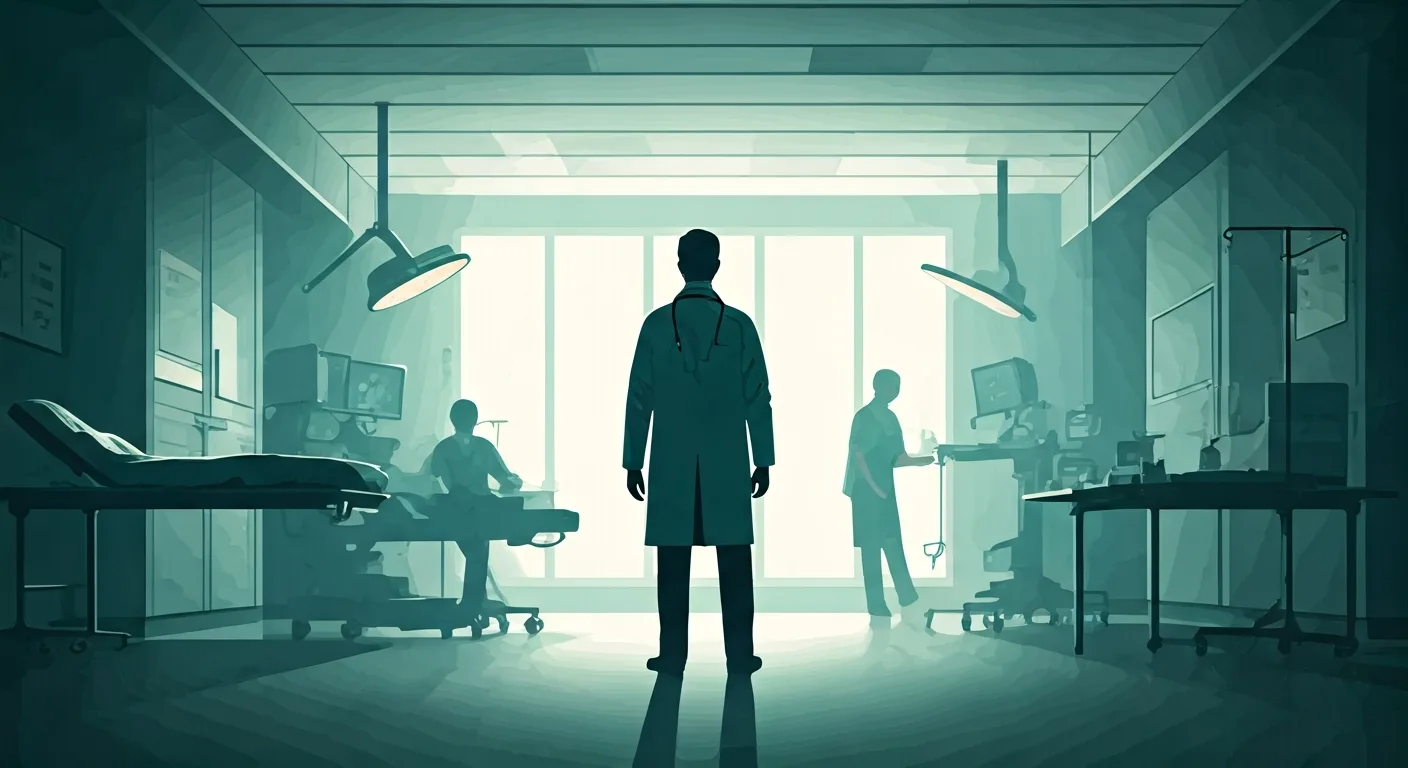
Emergency Medicine Physicians triage and treat a wide range of urgent conditions in hospital emergency departments, from broken bones to cardiac arrest. Rapid decision-making, leading resuscitation teams, and managing high patient volumes define an intense workday.
Provides immediate and life-saving care to critically ill and injured patients, stabilizing conditions, making rapid diagnoses, and coordinating further treatment or admission.
On the job
- Rapidly assess and diagnose critically ill or injured patients in the emergency department
- Perform life-saving procedures, lead resuscitation efforts, and stabilize acute medical conditions
- Order and interpret diagnostic tests, such as laboratory results and medical imaging
- Manage multiple complex cases simultaneously in a high-pressure, unpredictable environment
- Communicate effectively with patients, families, and other medical specialists to coordinate care
Tools & technology
Average salary
Job outlook
ExcellentNew job opportunities are highly likely. Demand significantly outpaces supply in most markets.
Education & training
Completion of a Doctor of Medicine (MD) or Doctor of Osteopathic Medicine (DO) degree, followed by a residency in Emergency Medicine, and often board certification.
AI impact outlook
Note — this is our current view. AI is moving fast, so we revisit these ratings.
Show how this was assessed Hide the detail
Note — this is our current view. AI is moving fast, so we revisit these ratings.
Show how this was assessed Hide the detailWhy this role received this rating
Core task exposure
moderate
How much of the role’s important work could AI perform?
AI can aid in triage, diagnostic interpretation, and protocol suggestion, but the dynamic, high-stakes nature of EM limits full exposure.
End-to-end automation
low
Can AI complete the work without substantial human involvement?
The unpredictable nature, rapid decision-making, and need for immediate physical intervention prevent end-to-end automation.
Adoption pressure
high
How likely are employers to introduce AI into this work?
High pressure to adopt AI for efficiency in triage, diagnostic support, and documentation within busy emergency departments.
Human dependence
strong
How much does success depend on human judgement, relationships and accountability?
Success is critically dependent on rapid human judgment, physical skills in life-saving procedures, and leadership in crisis.
Protective — a higher rating lowers the overall score.
Role adaptability
strong
How easily can the role evolve as AI takes on more tasks?
Emergency medicine is inherently adaptable, constantly integrating new protocols and technologies for acute care.
Shown for context — not part of the score.
What AI may take on
These are the parts of the role most likely to be automated or significantly accelerated.
- Automated triage based on vital signs and patient symptoms
- Accelerated interpretation of diagnostic images and lab results
- Generating initial treatment protocols for common emergencies
- Summarizing complex patient histories for quick review
- Drafting discharge summaries and documentation
Where people remain essential
These parts continue to depend heavily on human judgement, relationships and accountability.
- Performing immediate life-saving interventions and surgeries
- Leading and coordinating resuscitation teams in high-stress situations
- Making critical, real-time decisions under extreme pressure
- Communicating empathetically with distressed patients and families
- Managing unpredictable and complex multi-system failures
- Bearing ultimate accountability for patient outcomes
How the role may evolve
Less time on data processing. More time on critical intervention and team leadership.
The emergency physician will spend less time on routine data analysis and more on direct patient intervention, team management, and critical decision-making.
Strengthen your future fit
- Proficiency in advanced resuscitation techniques and critical procedures
- Developing strong leadership and communication skills under pressure
- Mastering AI-enhanced diagnostic and triage tools
- Focusing on complex, undifferentiated patient presentations
- Assessment horizon
- 3–7 years
- Confidence
- High
- Last reviewed
- August 2026
- Methodology
- v1.0
This assessment reflects current AI capabilities and expected adoption patterns. Actual impacts will vary by industry, employer and the way each role is performed.
Career pathways
WHERE YOU COULD GO
CURRENT ROLE
Emergency Medicine Physician
Medical & Clinical
ADJACENT MOVES
STARTING POINTS
Who thrives here
Interest profile
investigative · ISC
Individuals who enjoy complex problem-solving, applying scientific knowledge to diagnose and treat urgent conditions, and working collaboratively in a fast-paced environment are well-suited for this role.
Personality characteristics
Conscientious
Highly organized and disciplined, meticulously following protocols and managing complex patient loads under pressure.
Open-minded
Curious about new medical advancements, adaptable to rapidly evolving clinical situations, and willing to learn continuously.
Extraverted
Comfortable leading teams, communicating clearly and decisively under pressure, and interacting with diverse patients and families.
Agreeable
Collaborative and empathetic, working effectively with diverse healthcare teams and reassuring anxious patients and their families.
Composed
Maintains calm and effectiveness in high-stress, critical situations without being overwhelmed or losing focus.
Best for
- Individuals who thrive under pressure and are adept at making rapid, critical decisions with incomplete information.
- Those seeking a dynamic role with constant intellectual challenge, direct patient impact and a wide variety of medical cases.
- Team players who excel in interdisciplinary collaboration, leadership, and clear communication in high-stakes environments.
- People with high resilience, strong problem-solving skills, and a profound sense of responsibility for patient well-being.
Watch out for
- The intense, unpredictable nature of emergencies can lead to high stress, emotional fatigue, and potential burnout.
- Requires regular shift work, including nights, weekends, and holidays, which can significantly impact personal life and routines.
- Frequent exposure to trauma, death, and ethical dilemmas can be emotionally taxing and requires strong coping mechanisms.
A week in the life
A representative working week for an Emergency Medicine Physician — where the deep work, meetings, and admin actually land.
Real people. Real results.
Thousands of people
can't be wrong.




Frequently asked questions about Emergency Medicine Physician roles
What does an Emergency Medicine Physician do?
An Emergency Medicine Physician emergency Medicine Physicians triage and treat a wide range of urgent conditions in hospital emergency departments, from broken bones to cardiac arrest. Rapid decision-making, leading resuscitation teams, and managing high patient volumes define an intense workday. Provides immediate and life-saving care to critically ill and injured patients, stabilizing conditions, making rapid diagnoses, and coordinating further treatment or admission.
How much does an Emergency Medicine Physician earn?
An Emergency Medicine Physician earns a median of $350,000 per year in the US, typically ranging from $250,000 to $450,000.
What qualifications do you need to become an Emergency Medicine Physician?
To become an Emergency Medicine Physician, completion of a Doctor of Medicine (MD) or Doctor of Osteopathic Medicine (DO) degree, followed by a residency in Emergency Medicine, and often board certification. State Medical License.
What personality suits an Emergency Medicine Physician?
Emergency Medicine Physician roles tend to suit people who are highly conscientious — precise, organised and strong on follow-through (Conscientiousness 85/100) and warm and cooperative — tuned in to the people around them (Agreeableness 68/100). The traits that matter most in the role are Conscientious, Open-minded, Extraverted and Agreeable. Highly organized and disciplined, meticulously following protocols and managing complex patient loads under pressure. On interests, Emergency Medicine Physician maps to an ISC Holland Code profile — individuals who enjoy complex problem-solving, applying scientific knowledge to diagnose and treat urgent conditions, and working collaboratively in a fast-paced environment are well-suited for this role.
Who does an Emergency Medicine Physician role suit?
An Emergency Medicine Physician role is usually a strong fit for these reasons. Strong Investigative and Social interests align with the diagnostic challenges and collaborative patient care required in emergency medicine. The role demands high conscientiousness and emotional stability to manage critical, fast-paced situations effectively. Provides immediate and tangible impact, appealing to those motivated by direct life-saving interventions and crisis resolution.
What are the downsides of being an Emergency Medicine Physician?
Emergency Medicine Physician roles come with trade-offs worth weighing up. The intense, unpredictable nature of emergencies can lead to high stress, emotional fatigue, and potential burnout. Requires regular shift work, including nights, weekends, and holidays, which can significantly impact personal life and routines. Frequent exposure to trauma, death, and ethical dilemmas can be emotionally taxing and requires strong coping mechanisms.
What is the work environment like for an Emergency Medicine Physician?
Work as an Emergency Medicine Physician is mostly clinical-based with onsite arrangements common, semi-structured — a mix of set processes and self-directed work and high exposure to clients or stakeholders. Around 80% of the week is focused deep work.
What skills do you need to be an Emergency Medicine Physician?
Core skills for an Emergency Medicine Physician include Emergency medical procedures, Advanced cardiac life support (ACLS), Diagnostic reasoning, Crisis management and Interprofessional communication.
How do you become an Emergency Medicine Physician?
Common entry routes into Emergency Medicine Physician roles include Medical Resident, Medical Intern and Medical Student.
What career progression is there for an Emergency Medicine Physician?
From an Emergency Medicine Physician role, common next steps include Chief of Emergency Medicine, Medical Director (Emergency Department) and Academic Emergency Physician; lateral moves include Critical Care Physician and Hospitalist.
What is the job outlook for Emergency Medicine Physician roles?
The outlook for Emergency Medicine Physician roles is currently rated excellent. New job opportunities are highly likely. Demand significantly outpaces supply in most markets.
Will AI replace Emergency Medicine Physician roles?
Traitstack rates automation risk for Emergency Medicine Physician roles at 36 out of 100, which is low. While AI supports rapid diagnostic assessment and documentation, the physical performance of life-saving procedures and leadership in crisis remain firmly human responsibilities. AI is most likely to take on automated triage based on vital signs and patient symptoms, accelerated interpretation of diagnostic images and lab results and generating initial treatment protocols for common emergencies. Performing immediate life-saving interventions and surgeries, leading and coordinating resuscitation teams in high-stress situations and making critical, real-time decisions under extreme pressure stay with people. Less time on data processing. More time on critical intervention and team leadership. That score measures how much of the work could change, not the likelihood the job disappears. It is Traitstack's current view, revisited as AI capability moves.