Sterilisation Technician
SOC 31-9093.00 · ESCO 5329 · OSCA 731937
Role snapshot
Overview
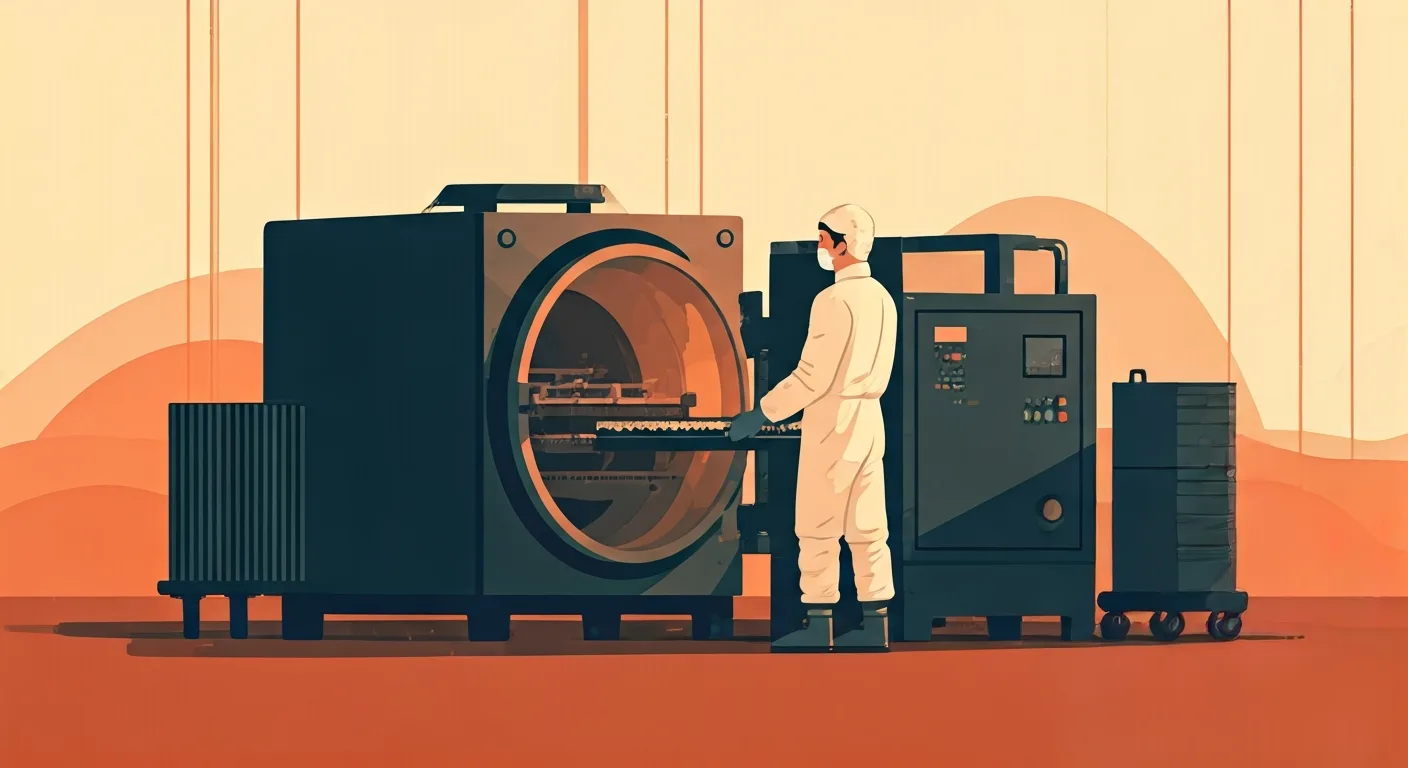
Sterilisation Technicians play a critical role in healthcare by meticulously cleaning, disinfecting, and sterilising surgical instruments and medical equipment. They use specialised machinery, such as autoclaves, and chemical processes to ensure all items meet stringent infection control standards. This role involves precise packaging of sterile items, maintaining detailed traceability records, and adhering strictly to protocols to prevent healthcare-associated infections and ensure patient safety.
Directly contributes to patient safety and public health by preventing the spread of infections through properly sterilised medical equipment and instruments, essential for all surgical and medical procedures.
On the job
- Operate and monitor sterilisation equipment, including autoclaves, washer-disinfectors, and ultrasonic cleaners
- Inspect, assemble, and package surgical instruments and medical devices for sterilisation
- Maintain accurate records of sterilisation cycles, equipment maintenance, and inventory
- Perform quality control checks on sterilised items to ensure sterility and proper functionality
- Adhere to strict infection control policies, procedures, and regulatory standards
Tools & technology
Average salary
Job outlook
StableDemand is steady. This is an established role with consistent hiring across sectors.
Education & training
High school diploma or GED required; vocational training or a certificate in sterile processing technology is often preferred or required.
AI impact outlook
Note — this is our current view. AI is moving fast, so we revisit these ratings.
Show how this was assessed Hide the detail
Note — this is our current view. AI is moving fast, so we revisit these ratings.
Show how this was assessed Hide the detailWhy this role received this rating
Core task exposure
low
How much of the role’s important work could AI perform?
AI can automate aspects of instrument tracking, inventory management, compliance reporting, and predictive maintenance scheduling, which are part of the role's administrative tasks.
End-to-end automation
low
Can AI complete the work without substantial human involvement?
While AI can optimize workflows, the physical tasks of cleaning, inspecting for residue/damage, assembling complex trays, and loading/unloading require human dexterity and judgment.
Adoption pressure
high
How likely are employers to introduce AI into this work?
Hospitals have strong incentives to reduce infection risk and improve efficiency, pushing for automated tracking and reporting systems in sterile processing departments.
Human dependence
moderate
How much does success depend on human judgement, relationships and accountability?
Success relies on meticulous attention to detail, adherence to stringent protocols, and quality control, which require human vigilance, though the tasks are highly standardized.
Protective — a higher rating lowers the overall score.
Role adaptability
moderate
How easily can the role evolve as AI takes on more tasks?
The role can adapt by focusing on quality assurance, troubleshooting automated systems, and managing complex or delicate instrument sets that defy full automation.
Shown for context — not part of the score.
What AI may take on
These are the parts of the role most likely to be automated or significantly accelerated.
- Automated tracking and tracing of individual surgical instruments via RFID or vision systems
- Generating compliance reports and audits for sterilization cycles
- Predictive maintenance scheduling for sterilization equipment
- Optimizing instrument inventory levels and reorder points
- Automated documentation of sterilization parameters and batch records
Where people remain essential
These parts continue to depend heavily on human judgement, relationships and accountability.
- Visually inspecting instruments for residue, damage, and proper functionality
- Manually assembling complex surgical instrument trays according to specific protocols
- Loading and unloading delicate instruments into and out of sterilization equipment
- Performing quality control checks on sterilized items for sterility and integrity
- Troubleshooting equipment malfunctions and resolving complex issues
- Adhering to strict infection control policies in a hands-on manner
How the role may evolve
Tracking is automated. Meticulous inspection endures.
Sterilisation Technicians will see their administrative tasks like tracking and reporting largely automated, allowing them to focus on the critical hands-on work of meticulous inspection, assembly, and quality assurance of complex medical instruments.
Strengthen your future fit
- Proficiency in operating and monitoring advanced instrument tracking systems
- Enhanced visual inspection skills for subtle instrument damage or residue
- Troubleshooting automated equipment and resolving technical issues
- Deep understanding of infection control protocols and regulatory standards
- Adaptability to handle increasingly complex and delicate surgical instruments
- Assessment horizon
- 3–7 years
- Confidence
- High
- Last reviewed
- August 2026
- Methodology
- v1.0
This assessment reflects current AI capabilities and expected adoption patterns. Actual impacts will vary by industry, employer and the way each role is performed.
Career pathways
WHERE YOU COULD GO
CURRENT ROLE
Sterilisation Technician
Medical & Clinical
ADJACENT MOVES
STARTING POINTS
Who thrives here
Interest profile
realistic · RCI
Individuals who enjoy hands-on, practical tasks, following precise procedures, and understanding technical details often thrive as Sterilisation Technicians.
Personality characteristics
Meticulous
Exhibits extreme attention to detail and precision in all tasks, ensuring no steps are missed in critical processes.
Procedure-oriented
Prefers and excels at following established protocols and guidelines rigorously, vital for sterile processing.
Reliable
Consistently performs duties with accuracy and dependability, understanding the high stakes of their work.
Calm under pressure
Maintains composure and focus in a demanding environment where errors can have serious consequences.
Investigative
Has an interest in understanding the science behind sterilisation, pathogens, and equipment function.
Best for
- Individuals who thrive in highly structured environments with clear, critical procedures
- Those who enjoy practical, hands-on work that directly impacts healthcare outcomes
- People who are meticulous, reliable, and committed to maintaining high standards of quality
Watch out for
- The role requires constant vigilance and attention to detail, which can be mentally demanding
- Strict adherence to procedures means less room for creative problem-solving or deviation
A week in the life
A representative working week for a Sterilisation Technician — where the deep work, meetings, and admin actually land.
Real people. Real results.
Thousands of people
can't be wrong.


Frequently asked questions about Sterilisation Technician roles
What does a Sterilisation Technician do?
A Sterilisation Technician sterilisation Technicians play a critical role in healthcare by meticulously cleaning, disinfecting, and sterilising surgical instruments and medical equipment. They use specialised machinery, such as autoclaves, and chemical processes to ensure all items meet stringent infection control standards. This role involves precise packaging of sterile items, maintaining detailed traceability records, and adhering strictly to protocols to prevent healthcare-associated infections and ensure patient safety. Directly contributes to patient safety and public health by preventing the spread of infections through properly sterilised medical equipment and instruments, essential for all surgical and medical procedures.
How much does a Sterilisation Technician earn?
A Sterilisation Technician earns a median of $45,000 per year in the US, typically ranging from $35,000 to $55,000.
What qualifications do you need to become a Sterilisation Technician?
To become a Sterilisation Technician, high school diploma or GED required; vocational training or a certificate in sterile processing technology is often preferred or required. Certification from a recognised body such as the Certification Board for Sterile Processing and Distribution (CBSPD) or the International Association of Healthcare Central Service Materiel Management (IAHCSMM) is often required or preferred by employers.
What personality suits a Sterilisation Technician?
Sterilisation Technician roles tend to suit people who are highly conscientious — precise, organised and strong on follow-through (Conscientiousness 88/100) and steady under pressure — deadlines and setbacks do not rattle them easily (Emotional Stability 78/100). The traits that matter most in the role are Meticulous, Procedure-oriented, Reliable and Calm under pressure. Exhibits extreme attention to detail and precision in all tasks, ensuring no steps are missed in critical processes. On interests, Sterilisation Technician maps to a RCI Holland Code profile — individuals who enjoy hands-on, practical tasks, following precise procedures, and understanding technical details often thrive as Sterilisation Technicians.
Who does a Sterilisation Technician role suit?
A Sterilisation Technician role is usually a strong fit for these reasons. High Conventional alignment: the role demands strict adherence to protocols and detailed record-keeping. Significant Realistic alignment: involves hands-on work with specialised equipment and instruments. Emphasis on precision and meticulousness aligns with a high conscientiousness personality trait.
What are the downsides of being a Sterilisation Technician?
Sterilisation Technician roles come with trade-offs worth weighing up. The role requires constant vigilance and attention to detail, which can be mentally demanding. Strict adherence to procedures means less room for creative problem-solving or deviation.
What is the work environment like for a Sterilisation Technician?
Work as a Sterilisation Technician is mostly clinical-based with onsite arrangements common, highly structured, with set processes and deadlines, a moderate pace and low exposure to clients or stakeholders. Around 70% of the week is focused deep work.
What skills do you need to be a Sterilisation Technician?
Core skills for a Sterilisation Technician include Aseptic technique, Infection control protocols, Surgical instrument identification, Sterilisation equipment operation and Record-keeping and documentation.
How do you become a Sterilisation Technician?
Common entry routes into Sterilisation Technician roles include Medical Assistant, Hospital Support Staff and Warehouse Associate.
What career progression is there for a Sterilisation Technician?
From a Sterilisation Technician role, common next steps include Senior Sterilisation Technician and Infection Control Coordinator; lateral moves include Surgical Technologist.
What is the job outlook for Sterilisation Technician roles?
The outlook for Sterilisation Technician roles is currently rated stable. Demand is steady. This is an established role with consistent hiring across sectors.
Will AI replace Sterilisation Technician roles?
Traitstack rates automation risk for Sterilisation Technician roles at 43 out of 100, which is moderate. Record-keeping and instrument tracking could see significant AI automation; the physical inspection, assembly, and meticulous handling of medical instruments will still require human dexterity. AI is most likely to take on automated tracking and tracing of individual surgical instruments via rfid or vision systems, generating compliance reports and audits for sterilization cycles and predictive maintenance scheduling for sterilization equipment. Visually inspecting instruments for residue, damage, and proper functionality, manually assembling complex surgical instrument trays according to specific protocols and loading and unloading delicate instruments into and out of sterilization equipment stay with people. Tracking is automated. Meticulous inspection endures. That score measures how much of the work could change, not the likelihood the job disappears. It is Traitstack's current view, revisited as AI capability moves.