Baker
SOC 51-3011.00 · ESCO 7512 · OSCA 322131
Role snapshot
Overview
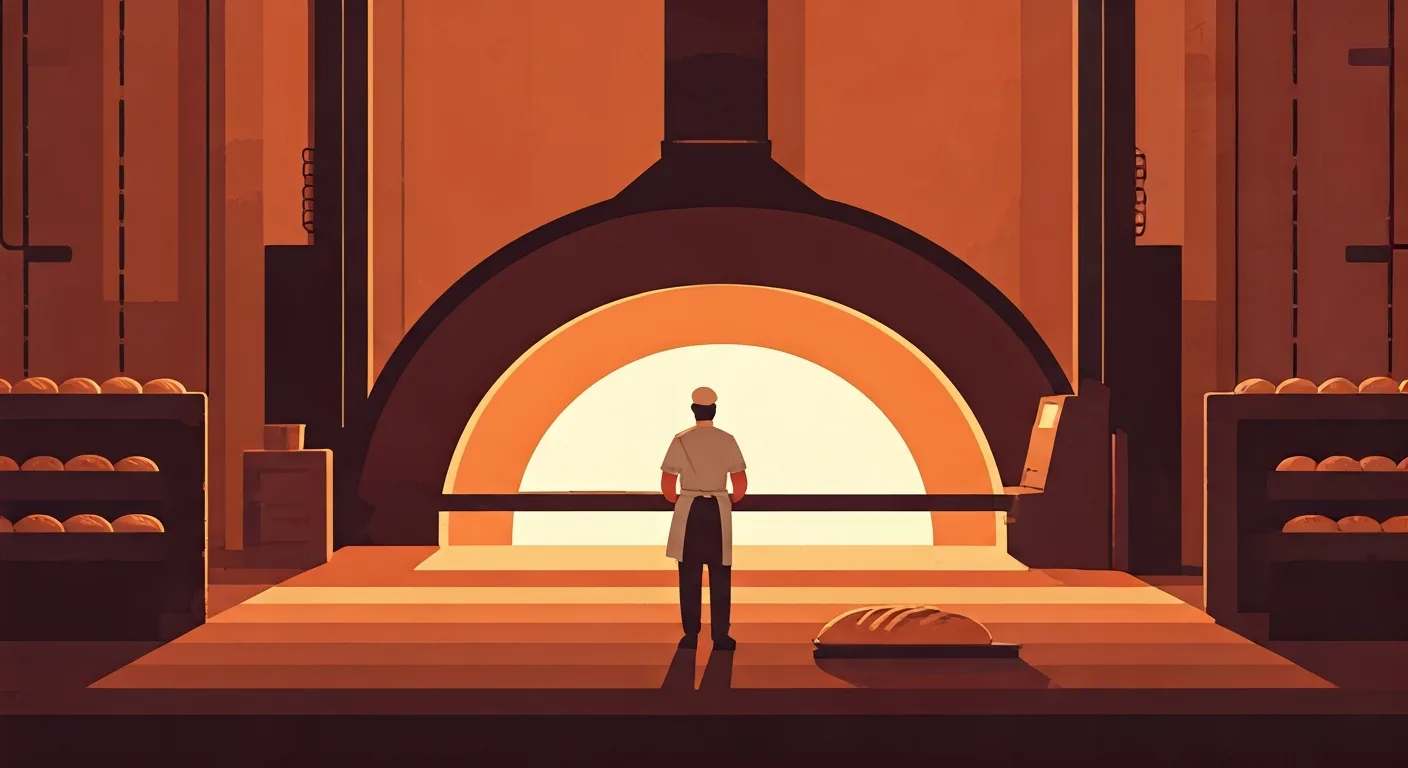
Measures and mixes ingredients, shapes dough, and operates ovens to produce bread, pastries, and cakes on a commercial scale. Follows recipes precisely, monitors baking times, and maintains food safety and hygiene standards, ensuring consistent quality and efficient production for consumers.
Ensures the consistent production of high-quality baked goods, contributing to customer satisfaction and the availability of essential food items. Plays a key role in the daily operation of commercial kitchens and bakeries.
On the job
- Prepare and measure ingredients accurately according to established recipes and production schedules.
- Mix, knead, proof, and shape various types of dough for breads, rolls, and pastries.
- Operate and monitor commercial ovens, adjusting temperatures and baking times for optimal results.
- Decorate and finish baked goods, including icing cakes, glazing pastries, or applying toppings.
- Maintain a clean, sanitary, and organized work environment, adhering to all food safety regulations.
Tools & technology
Average salary
Job outlook
StableDemand is steady. This is an established role with consistent hiring across sectors.
Education & training
Vocational training, apprenticeship, or significant on-the-job experience in commercial baking is typically required.
AI impact outlook
Note — this is our current view. AI is moving fast, so we revisit these ratings.
Show how this was assessed Hide the detail
Note — this is our current view. AI is moving fast, so we revisit these ratings.
Show how this was assessed Hide the detailWhy this role received this rating
Core task exposure
low
How much of the role’s important work could AI perform?
The core craft tasks of mixing, kneading, shaping, and decorating dough require tactile skill and sensory judgment that AI cannot perform.
End-to-end automation
low
Can AI complete the work without substantial human involvement?
Physical manipulation of dough, sensory evaluation of proofing, and artistic finishing are binding constraints against end-to-end automation for craft baking.
Adoption pressure
low
How likely are employers to introduce AI into this work?
The capital investment for fully automated craft baking lines is high, and the focus on unique products and quality in commercial bakeries limits AI adoption for core worker tasks.
Human dependence
strong
How much does success depend on human judgement, relationships and accountability?
Success depends critically on human sensory evaluation (touch, smell, sight), dexterity, and experienced judgment for dough consistency, proofing, and finishing techniques.
Protective — a higher rating lowers the overall score.
Role adaptability
strong
How easily can the role evolve as AI takes on more tasks?
Bakers constantly adapt recipes, techniques, and products to changing consumer tastes and ingredient availability, demonstrating high craft adaptability.
Shown for context — not part of the score.
What AI may take on
These are the parts of the role most likely to be automated or significantly accelerated.
- Optimise ingredient quantities and fermentation times for efficiency
- Manage inventory and automatically reorder supplies
- Predict optimal baking times and temperatures based on environmental factors
- Generate production schedules to meet demand forecasts
Where people remain essential
These parts continue to depend heavily on human judgement, relationships and accountability.
- Physically mix, knead, and shape various types of dough
- Monitor dough proofing through sensory evaluation (touch, sight, smell)
- Decorate and finish baked goods with precision and creativity
- Operate and monitor commercial ovens, making nuanced adjustments
- Maintain strict hygiene standards in a physical work environment
- Troubleshoot unexpected issues with dough consistency or baking outcomes
How the role may evolve
Focus shifts from routine tasks to sensory judgment and creative finishing.
While AI may handle routine inventory and scheduling, the baker's role will deepen its emphasis on the nuanced craft of dough handling, sensory quality control, and the artistic presentation of baked goods.
Strengthen your future fit
- Advanced craft techniques in dough handling and shaping
- Sensory evaluation and quality control expertise
- Creative design and finishing of baked products
- Adaptability to new ingredients and recipe development
- Proficiency in food safety and hygiene protocols
- Assessment horizon
- 3–7 years
- Confidence
- High
- Last reviewed
- August 2026
- Methodology
- v1.0
This assessment reflects current AI capabilities and expected adoption patterns. Actual impacts will vary by industry, employer and the way each role is performed.
Career pathways
WHERE YOU COULD GO
CURRENT ROLE
Baker
Manufacturing & Production
ADJACENT MOVES
STARTING POINTS
Who thrives here
Interest profile
realistic · RCA
People who enjoy hands-on work, operating machinery, following precise instructions, and applying creative touches to tangible products tend to thrive in this role.
Personality characteristics
Precise
Follows recipes and procedures with high accuracy, ensuring consistent product quality and safety.
Methodical
Enjoys structured tasks and systematic approaches to production processes, ensuring efficiency.
Practical
Prefers hands-on work with tangible results, operating equipment, and creating physical products.
Detail-oriented
Applies aesthetic touches to baked goods within established recipes and designs, ensuring visual appeal.
Composed
Handles the demands of early mornings, hot environments, and tight schedules calmly and effectively.
Observant
Pays close attention to ingredient quality, dough consistency, and baking progress to prevent errors.
Best for
- Individuals who enjoy working with their hands and seeing immediate, tangible results.
- Those who thrive in a structured, process-driven environment with clear quality expectations.
- People who are meticulous, reliable, and committed to food safety and hygiene.
Watch out for
- Requires very early morning starts and often includes regular weekend work.
- The work can be physically demanding, involving lifting, standing for long periods, and working in warm environments.
- Limited direct customer or social interaction compared to front-of-house roles.
A week in the life
A representative working week for a Baker — where the deep work, meetings, and admin actually land.
Real people. Real results.
Thousands of people
can't be wrong.


Frequently asked questions about Baker roles
What does a Baker do?
A Baker measures and mixes ingredients, shapes dough, and operates ovens to produce bread, pastries, and cakes on a commercial scale. Follows recipes precisely, monitors baking times, and maintains food safety and hygiene standards, ensuring consistent quality and efficient production for consumers. Ensures the consistent production of high-quality baked goods, contributing to customer satisfaction and the availability of essential food items. Plays a key role in the daily operation of commercial kitchens and bakeries.
How much does a Baker earn?
A Baker earns a median of $45,000 per year in the US, typically ranging from $30,000 to $60,000.
What qualifications do you need to become a Baker?
To become a Baker, vocational training, apprenticeship, or significant on-the-job experience in commercial baking is typically required.
What personality suits a Baker?
Baker roles tend to suit people who are highly conscientious — precise, organised and strong on follow-through (Conscientiousness 82/100) and steady under pressure — deadlines and setbacks do not rattle them easily (Emotional Stability 70/100). The traits that matter most in the role are Precise, Methodical, Practical and Detail-oriented. Follows recipes and procedures with high accuracy, ensuring consistent product quality and safety. On interests, Baker maps to a RCA Holland Code profile — people who enjoy hands-on work, operating machinery, following precise instructions, and applying creative touches to tangible products tend to thrive in this role.
Who does a Baker role suit?
A Baker role is usually a strong fit for these reasons. Strong Realistic affinity: the role involves hands-on work with tools and machinery to create tangible products. High Conventional affinity: success depends on precise adherence to recipes, schedules, and food safety standards. The work environment is highly structured, ideal for those who prefer clear processes and consistent routines.
What are the downsides of being a Baker?
Baker roles come with trade-offs worth weighing up. Requires very early morning starts and often includes regular weekend work. The work can be physically demanding, involving lifting, standing for long periods, and working in warm environments. Limited direct customer or social interaction compared to front-of-house roles.
What is the work environment like for a Baker?
Work as a Baker is mostly workshop-based with onsite arrangements common, highly structured, with set processes and deadlines and low exposure to clients or stakeholders. Around 80% of the week is focused deep work.
What skills do you need to be a Baker?
Core skills for a Baker include Recipe adherence, Dough handling and shaping, Commercial oven operation, Food safety and sanitation and Attention to detail.
How do you become a Baker?
Common entry routes into Baker roles include Bakery Assistant, Kitchen Hand and Culinary School Graduate.
What career progression is there for a Baker?
From a Baker role, common next steps include Lead Baker, Pastry Chef and Bakery Manager; lateral moves include Food Production Supervisor.
What is the job outlook for Baker roles?
The outlook for Baker roles is currently rated stable. Demand is steady. This is an established role with consistent hiring across sectors.
Will AI replace Baker roles?
Traitstack rates automation risk for Baker roles at 19 out of 100, which is low. Much of the craft baker's work in mixing, shaping, and decorating will remain manual, as AI's main contributions are confined to recipe optimisation and inventory management. AI is most likely to take on optimise ingredient quantities and fermentation times for efficiency, manage inventory and automatically reorder supplies and predict optimal baking times and temperatures based on environmental factors. Physically mix, knead, and shape various types of dough, monitor dough proofing through sensory evaluation (touch, sight, smell) and decorate and finish baked goods with precision and creativity stay with people. Focus shifts from routine tasks to sensory judgment and creative finishing. That score measures how much of the work could change, not the likelihood the job disappears. It is Traitstack's current view, revisited as AI capability moves.