Park Ranger
SOC 33-3051.00 · ESCO 2133 · OSCA 244334
Role snapshot
Overview
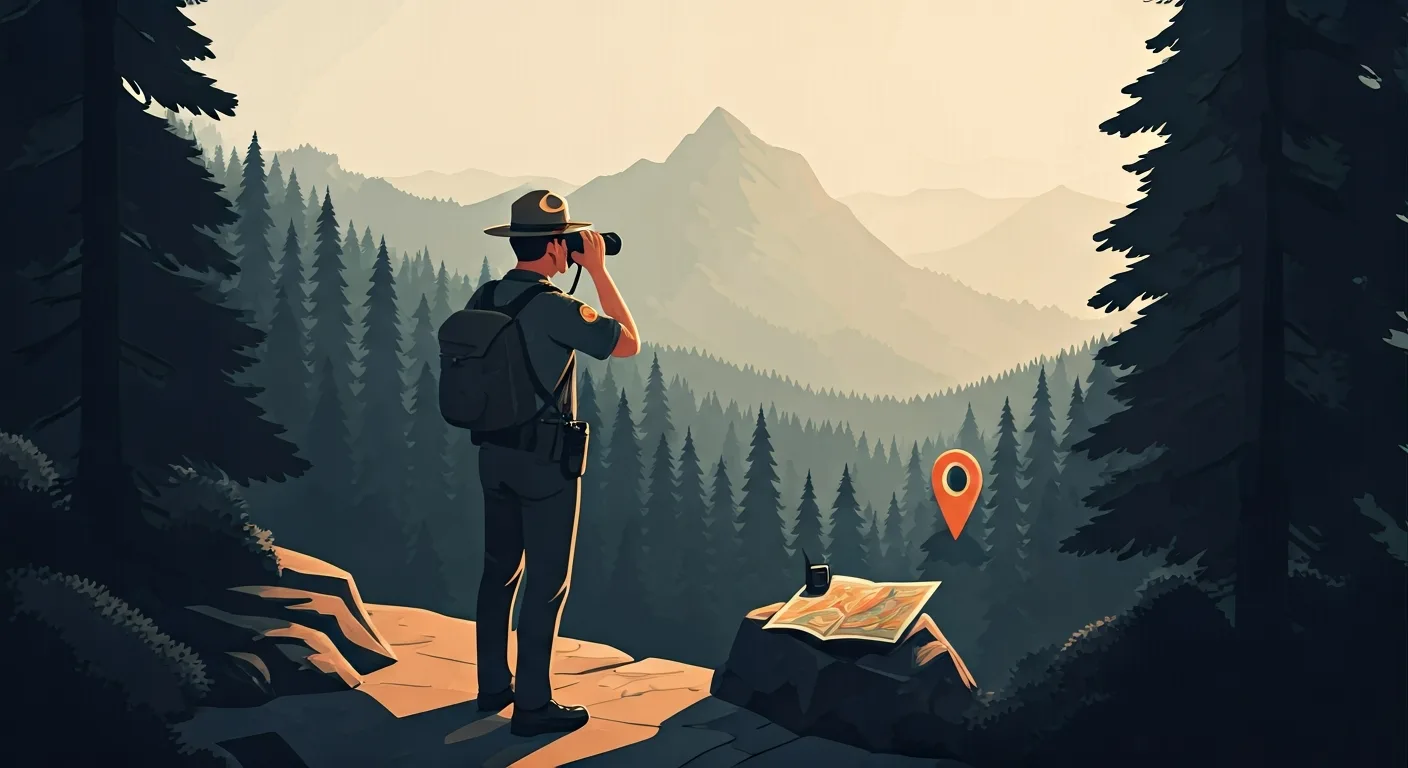
Protects natural and cultural resources in parks and reserves, patrolling trails, enforcing regulations, and educating visitors about conservation. Responds to emergencies, conducts search-and-rescue operations, and manages wildlife habitats. This role involves a blend of law enforcement, environmental education, conservation, and public safety duties, often requiring work in diverse outdoor environments.
Safeguards natural ecosystems and cultural heritage sites, ensures public safety and enjoyment of recreational areas, and promotes environmental stewardship through education and conservation efforts.
On the job
- Patrol assigned areas (trails, waterways, visitor centers) on foot, vehicle, or horseback to ensure safety and compliance with regulations.
- Educate visitors on park rules, local ecology, conservation efforts, and responsible outdoor recreation practices.
- Respond to emergencies, provide first aid, and conduct search-and-rescue operations for lost or injured individuals.
- Enforce park regulations, issue citations for violations, and investigate incidents such as vandalism or illegal hunting.
- Assist with wildlife management, habitat restoration projects, trail maintenance, and other conservation activities.
Tools & technology
Average salary
Job outlook
StableDemand is steady. This is an established role with consistent hiring across sectors.
Education & training
A bachelor's degree in park and recreation management, forestry, wildlife management, environmental science, or a related field is typically required. Some positions may accept an associate's degree with relevant experience.
AI impact outlook
Note — this is our current view. AI is moving fast, so we revisit these ratings.
Show how this was assessed Hide the detail
Note — this is our current view. AI is moving fast, so we revisit these ratings.
Show how this was assessed Hide the detailWhy this role received this rating
Core task exposure
low
How much of the role’s important work could AI perform?
Automated systems can assist with patrol monitoring and information dissemination, but direct enforcement, emergency response, and visitor education remain human tasks.
End-to-end automation
low
Can AI complete the work without substantial human involvement?
The physical demands of patrol, the unpredictability of emergencies, and the need for human interaction prevent end-to-end automation.
Adoption pressure
moderate
How likely are employers to introduce AI into this work?
Public sector resource constraints and the need for efficiency will drive some AI adoption for monitoring, balanced by safety and human interaction needs.
Human dependence
strong
How much does success depend on human judgement, relationships and accountability?
High human dependence stems from direct visitor interaction, law enforcement, emergency response, and judgment in diverse outdoor situations.
Protective — a higher rating lowers the overall score.
Role adaptability
strong
How easily can the role evolve as AI takes on more tasks?
Rangers must adapt to changing environmental conditions, new conservation practices, and evolving public needs for recreation and safety.
Shown for context — not part of the score.
What AI may take on
These are the parts of the role most likely to be automated or significantly accelerated.
- Monitoring remote park areas via drone surveillance
- Automating visitor information through kiosks or apps
- Analyzing wildlife movement data for conservation efforts
- Drafting incident reports and regulatory compliance documents
Where people remain essential
These parts continue to depend heavily on human judgement, relationships and accountability.
- Patrolling trails and waterways for direct enforcement
- Educating visitors on park rules and conservation ethics
- Responding to emergencies and conducting search-and-rescue
- Intervening in law enforcement situations and issuing citations
- Performing hands-on habitat restoration and trail maintenance
- Building relationships with local communities and stakeholders
How the role may evolve
Technology for broad monitoring; human presence for direct protection and engagement.
Rangers will increasingly leverage AI for surveillance and data collection, allowing them to allocate more time to hands-on conservation, emergency response, and direct public engagement.
Strengthen your future fit
- Operating drone technology for environmental monitoring
- Enhancing emergency response and first aid capabilities
- Developing advanced communication for diverse visitor groups
- Applying ecological data analysis for conservation planning
- Strengthening law enforcement and conflict resolution skills
- Assessment horizon
- 3–7 years
- Confidence
- Medium
- Last reviewed
- August 2026
- Methodology
- v1.0
This assessment reflects current AI capabilities and expected adoption patterns. Actual impacts will vary by industry, employer and the way each role is performed.
Career pathways
WHERE YOU COULD GO
CURRENT ROLE
Park Ranger
Government & Policy
ADJACENT MOVES
STARTING POINTS
Who thrives here
Interest profile
realistic · RCE
People who enjoy practical, hands-on work in natural environments, combined with a desire to educate and lead, often find this role rewarding. It combines elements of physical activity, structured procedures, and public interaction.
Personality characteristics
Conscientious
Diligent in following safety protocols, environmental regulations, and maintaining park standards.
Agreeable
Patient and helpful when interacting with park visitors, resolving conflicts, and working with colleagues.
Emotionally Stable
Remains calm and composed during emergencies, stressful situations, or when dealing with challenging individuals.
Proactive
Takes initiative in enforcing rules, educating the public, and managing park resources effectively.
Practical
Enjoys hands-on work, problem-solving in outdoor environments, and applying technical skills to real-world situations.
Best for
- Individuals passionate about environmental conservation and public safety in natural settings.
- Those who thrive in varied outdoor environments and enjoy a blend of physical, educational, and enforcement duties.
- People who are calm under pressure and capable of responding to emergencies effectively.
Watch out for
- The role often requires working weekends, holidays, and irregular hours, including during emergencies.
- Exposure to challenging weather conditions, difficult terrain, and potentially dangerous wildlife or situations is common.
A week in the life
A representative working week for a Park Ranger — where the deep work, meetings, and admin actually land.
Real people. Real results.
Thousands of people
can't be wrong.



Frequently asked questions about Park Ranger roles
What does a Park Ranger do?
A Park Ranger protects natural and cultural resources in parks and reserves, patrolling trails, enforcing regulations, and educating visitors about conservation. Responds to emergencies, conducts search-and-rescue operations, and manages wildlife habitats. This role involves a blend of law enforcement, environmental education, conservation, and public safety duties, often requiring work in diverse outdoor environments. Safeguards natural ecosystems and cultural heritage sites, ensures public safety and enjoyment of recreational areas, and promotes environmental stewardship through education and conservation efforts.
How much does a Park Ranger earn?
A Park Ranger earns a median of $65,000 per year in the US, typically ranging from $45,000 to $90,000.
What qualifications do you need to become a Park Ranger?
To become a Park Ranger, a bachelor's degree in park and recreation management, forestry, wildlife management, environmental science, or a related field is typically required. Some positions may accept an associate's degree with relevant experience. First Aid and CPR Certification.
What personality suits a Park Ranger?
Park Ranger roles tend to suit people who are highly conscientious — precise, organised and strong on follow-through (Conscientiousness 78/100) and steady under pressure — deadlines and setbacks do not rattle them easily (Emotional Stability 72/100). The traits that matter most in the role are Conscientious, Agreeable, Emotionally Stable and Proactive. Diligent in following safety protocols, environmental regulations, and maintaining park standards. On interests, Park Ranger maps to a RCE Holland Code profile — people who enjoy practical, hands-on work in natural environments, combined with a desire to educate and lead, often find this role rewarding. It combines elements of physical activity, structured procedures, and public interaction.
Who does a Park Ranger role suit?
A Park Ranger role is usually a strong fit for these reasons. Strong Realistic (R) interest: the role involves significant outdoor, hands-on, and practical work. A high degree of Conscientiousness is valued for upholding safety, rules, and conservation efforts. Regular interaction with the public and emergency response aligns with Enterprising (E) and Social (S) interests.
What are the downsides of being a Park Ranger?
Park Ranger roles come with trade-offs worth weighing up. The role often requires working weekends, holidays, and irregular hours, including during emergencies. Exposure to challenging weather conditions, difficult terrain, and potentially dangerous wildlife or situations is common.
What is the work environment like for a Park Ranger?
Work as a Park Ranger is mostly mixed-based with mixed arrangements common, semi-structured — a mix of set processes and self-directed work, a moderate pace and high exposure to clients or stakeholders. Around 44% of the week is focused deep work.
What skills do you need to be a Park Ranger?
Core skills for a Park Ranger include Emergency response, Environmental education, Wildlife management, Law enforcement procedures, Navigation and wilderness survival and Conflict resolution and communication.
How do you become a Park Ranger?
Common entry routes into Park Ranger roles include Seasonal Park Ranger, Conservation Technician and Volunteer Park Aide.
What career progression is there for a Park Ranger?
From a Park Ranger role, common next steps include Senior Park Ranger and Park Superintendent; lateral moves include Environmental Educator and Wildlife Biologist.
What is the job outlook for Park Ranger roles?
The outlook for Park Ranger roles is currently rated stable. Demand is steady. This is an established role with consistent hiring across sectors.
Will AI replace Park Ranger roles?
Traitstack rates automation risk for Park Ranger roles at 31 out of 100, which is low. AI-driven monitoring and administrative tasks are exposed, but the physical presence, emergency response, and direct visitor engagement are inherently human. AI is most likely to take on monitoring remote park areas via drone surveillance, automating visitor information through kiosks or apps and analyzing wildlife movement data for conservation efforts. Patrolling trails and waterways for direct enforcement, educating visitors on park rules and conservation ethics and responding to emergencies and conducting search-and-rescue stay with people. Technology for broad monitoring; human presence for direct protection and engagement. That score measures how much of the work could change, not the likelihood the job disappears. It is Traitstack's current view, revisited as AI capability moves.