Paramedic
SOC 29-2043.00 · ESCO 3258 · OSCA 141334
Role snapshot
Overview
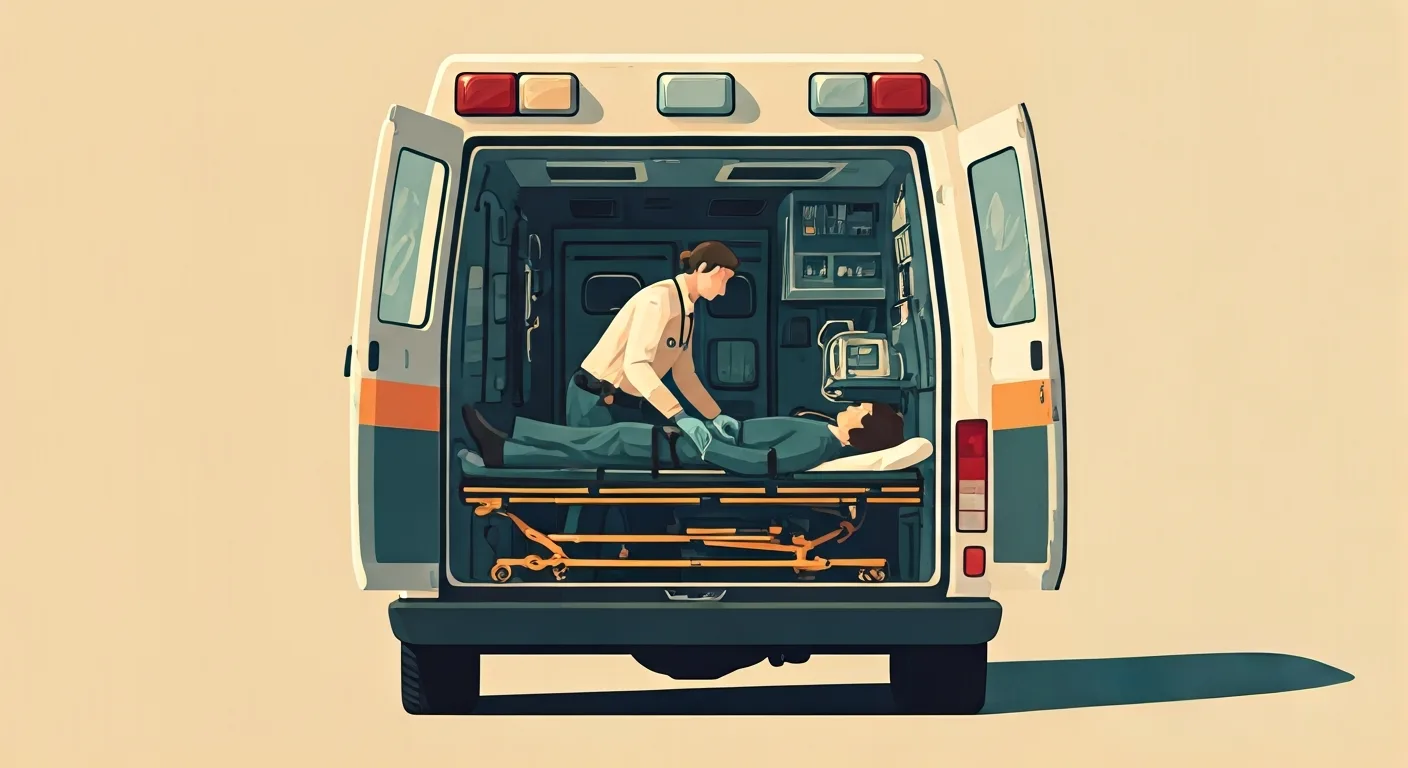
Responds to emergency calls, provides advanced life support, and stabilises patients in the field before transporting them to hospital. Makes rapid clinical decisions under pressure and operates medical equipment in ambulances and at incident scenes. This role demands a high degree of clinical skill, critical thinking, and emotional resilience to manage diverse medical emergencies.
Provides critical, life-saving medical care in emergency situations, ensuring patient stability and safe transport to definitive care, thereby reducing morbidity and mortality rates in the community.
On the job
- Assess patient conditions, diagnose medical problems, and administer advanced emergency medical care.
- Operate and maintain complex medical equipment such as defibrillators, ventilators, and IV pumps.
- Communicate effectively with patients, families, medical personnel, and other emergency services.
- Document patient care, interventions, and transport details accurately and efficiently.
- Drive and navigate emergency vehicles safely and expeditiously to incident scenes and medical facilities.
Tools & technology
Average salary
Job outlook
GrowingJob growth is expected to be above average over the next five years.
Education & training
Associate's degree or post-secondary certificate in Paramedicine is typically required, often combined with state and national certification.
AI impact outlook
Note — this is our current view. AI is moving fast, so we revisit these ratings.
Show how this was assessed Hide the detail
Note — this is our current view. AI is moving fast, so we revisit these ratings.
Show how this was assessed Hide the detailWhy this role received this rating
Core task exposure
moderate
How much of the role’s important work could AI perform?
AI could significantly assist with diagnostics, documentation, and logistical support, but hands-on patient care remains a human domain.
End-to-end automation
low
Can AI complete the work without substantial human involvement?
The need for direct human physical intervention, nuanced patient interaction, and real-time adaptation in chaotic environments prevents full automation.
Adoption pressure
high
How likely are employers to introduce AI into this work?
There is a strong push to leverage AI for efficiency in medical documentation and diagnostic support, even in high-stakes emergency contexts.
Human dependence
strong
How much does success depend on human judgement, relationships and accountability?
Success is highly dependent on a paramedic's clinical judgment, empathy, communication under pressure, and accountability for patient outcomes.
Protective — a higher rating lowers the overall score.
Role adaptability
strong
How easily can the role evolve as AI takes on more tasks?
Paramedics continually adapt to new medical protocols, technologies, and evolving emergency scenarios, making the role highly adaptable.
Shown for context — not part of the score.
What AI may take on
These are the parts of the role most likely to be automated or significantly accelerated.
- Real-time diagnostic assistance and protocol guidance
- Automated patient charting and electronic health record updates
- Optimizing ambulance routes and resource allocation
- Monitoring vital signs and flagging critical changes for human review
- Generating post-incident reports and billing documentation
Where people remain essential
These parts continue to depend heavily on human judgement, relationships and accountability.
- Hands-on patient assessment and physical examination
- Administering advanced life support and invasive procedures
- Adapting care to unpredictable on-scene conditions
- De-escalating distress and communicating with patients/families
- Ethical decision-making in complex medical emergencies
How the role may evolve
Faster data entry, more focused patient care.
The role will involve less time on administrative tasks, allowing paramedics to dedicate more attention to direct patient interaction, critical thinking, and advanced medical interventions.
Strengthen your future fit
- Proficiency in advanced medical technology and AI-assisted diagnostics
- Enhanced critical thinking and rapid decision-making skills
- Exceptional interpersonal and communication skills for diverse patient populations
- Strong emotional resilience and stress management
- Continuous learning in evolving medical practices and protocols
- Assessment horizon
- 3–7 years
- Confidence
- High
- Last reviewed
- August 2026
- Methodology
- v1.0
This assessment reflects current AI capabilities and expected adoption patterns. Actual impacts will vary by industry, employer and the way each role is performed.
Career pathways
WHERE YOU COULD GO
CURRENT ROLE
Paramedic
Emergency Services & Defence
ADJACENT MOVES
STARTING POINTS
Who thrives here
Interest profile
social · SRI
People who are highly social, enjoy realistic, hands-on tasks, and apply investigative thinking to solve problems in high-pressure situations often thrive as paramedics.
Personality characteristics
Conscientious
Highly organised, responsible, and detail-oriented, ensuring protocols are followed and equipment is ready.
Composed
Remains calm and effective under extreme pressure, making rational decisions in chaotic situations.
Compassionate
Shows genuine empathy and care for patients and their families during stressful emergencies.
Communicative
Effectively conveys information to patients, colleagues, and other medical professionals, often in high-stress environments.
Practical
Focuses on immediate, tangible solutions and applies learned procedures efficiently in the field.
Best for
- Individuals driven by a desire to help others and make a direct impact in emergency situations.
- Those who can maintain composure and make critical decisions under intense pressure.
- People who enjoy hands-on work, continuous learning, and working as part of a close-knit team.
Watch out for
- The job involves frequent exposure to traumatic events and high-stress situations, requiring strong coping mechanisms.
- Irregular shift patterns, including nights, weekends, and holidays, are common and can impact personal life.
A week in the life
A representative working week for a Paramedic — where the deep work, meetings, and admin actually land.
Real people. Real results.
Thousands of people
can't be wrong.




Frequently asked questions about Paramedic roles
What does a Paramedic do?
A Paramedic responds to emergency calls, provides advanced life support, and stabilises patients in the field before transporting them to hospital. Makes rapid clinical decisions under pressure and operates medical equipment in ambulances and at incident scenes. This role demands a high degree of clinical skill, critical thinking, and emotional resilience to manage diverse medical emergencies. Provides critical, life-saving medical care in emergency situations, ensuring patient stability and safe transport to definitive care, thereby reducing morbidity and mortality rates in the community.
How much does a Paramedic earn?
A Paramedic earns a median of $55,000 per year in the US, typically ranging from $40,000 to $75,000.
What qualifications do you need to become a Paramedic?
To become a Paramedic, associate's degree or post-secondary certificate in Paramedicine is typically required, often combined with state and national certification. State and/or national paramedic certification (e.g., NREMT-P).
What personality suits a Paramedic?
Paramedic roles tend to suit people who are highly conscientious — precise, organised and strong on follow-through (Conscientiousness 85/100) and steady under pressure — deadlines and setbacks do not rattle them easily (Emotional Stability 72/100). The traits that matter most in the role are Conscientious, Composed, Compassionate and Communicative. Highly organised, responsible, and detail-oriented, ensuring protocols are followed and equipment is ready. On interests, Paramedic maps to a SRI Holland Code profile — people who are highly social, enjoy realistic, hands-on tasks, and apply investigative thinking to solve problems in high-pressure situations often thrive as paramedics.
Who does a Paramedic role suit?
A Paramedic role is usually a strong fit for these reasons. Strong Social (S) and Realistic (R) alignment: the role is hands-on, directly helping people in real-world emergencies. Requires high conscientiousness and emotional stability, crucial for managing critical incidents effectively. The fast-paced and varied work environment suits individuals who thrive on dynamic challenges and rapid problem-solving.
What are the downsides of being a Paramedic?
Paramedic roles come with trade-offs worth weighing up. The job involves frequent exposure to traumatic events and high-stress situations, requiring strong coping mechanisms. Irregular shift patterns, including nights, weekends, and holidays, are common and can impact personal life.
What is the work environment like for a Paramedic?
Work as a Paramedic is mostly field-based with onsite arrangements common, semi-structured — a mix of set processes and self-directed work and high exposure to clients or stakeholders. Around 28% of the week is focused deep work.
What skills do you need to be a Paramedic?
Core skills for a Paramedic include Advanced life support (ALS), Critical thinking and rapid decision-making, Patient assessment and diagnosis, Emergency vehicle operation and Communication under pressure.
How do you become a Paramedic?
Common entry routes into Paramedic roles include Emergency Medical Technician Emt, Basic First Aid Responder and Firefighter.
What career progression is there for a Paramedic?
From a Paramedic role, common next steps include Lead Paramedic and Paramedic Supervisor; lateral moves include Flight Paramedic and Emergency Medical Services Educator.
What is the job outlook for Paramedic roles?
The outlook for Paramedic roles is currently rated growing. Job growth is expected to be above average over the next five years.
Will AI replace Paramedic roles?
Traitstack rates automation risk for Paramedic roles at 37 out of 100, which is low. Rapid clinical decisions under pressure and hands-on patient stabilization will remain human, while AI assists with diagnostics, documentation, and logistical support. AI is most likely to take on real-time diagnostic assistance and protocol guidance, automated patient charting and electronic health record updates and optimizing ambulance routes and resource allocation. Hands-on patient assessment and physical examination, administering advanced life support and invasive procedures and adapting care to unpredictable on-scene conditions stay with people. Faster data entry, more focused patient care. That score measures how much of the work could change, not the likelihood the job disappears. It is Traitstack's current view, revisited as AI capability moves.