Otolaryngologist
SOC 29-1248 · ESCO 2212 · OSCA 264635
Role snapshot
Overview
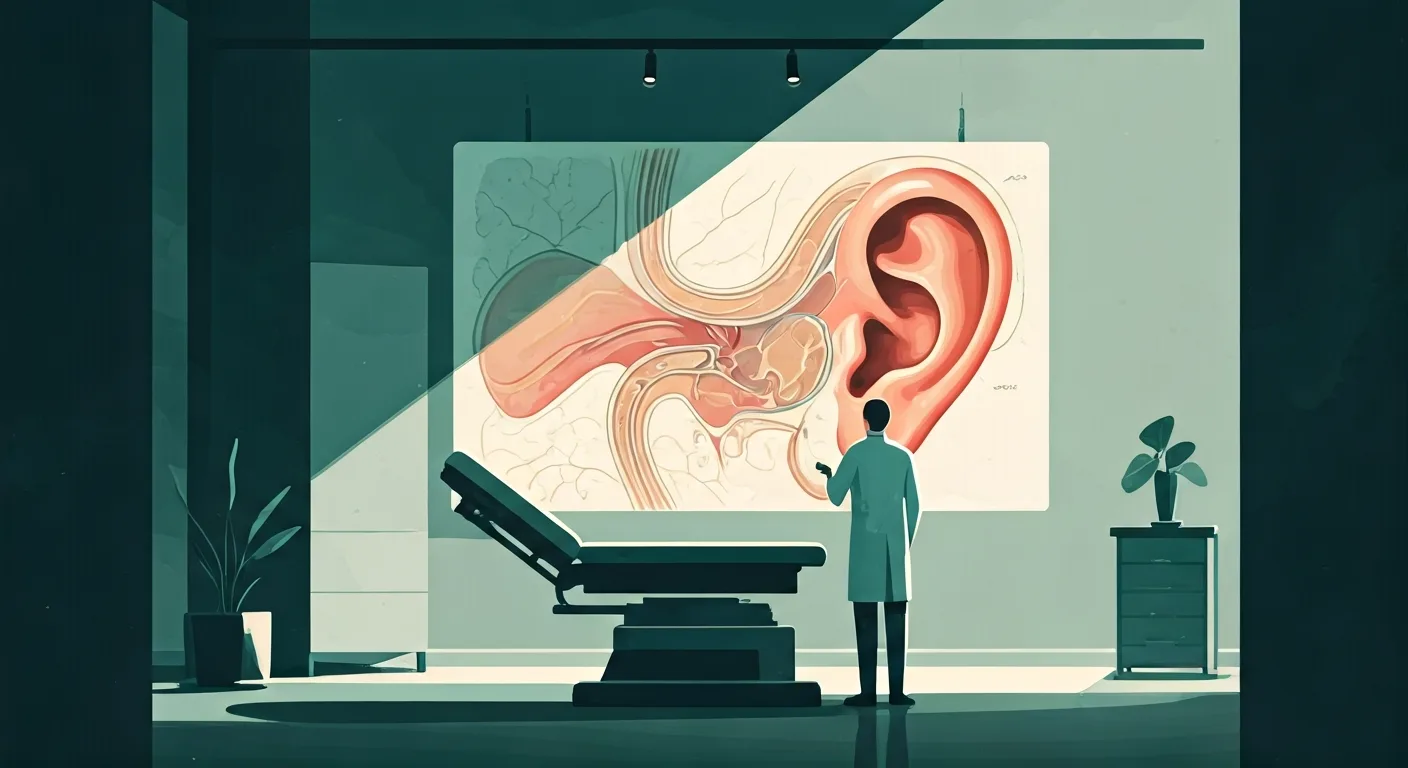
Diagnoses and treats conditions of the ear, nose, and throat, including hearing loss, sinus disease, and head and neck cancers. This specialty involves both surgical and non-surgical treatments, working with patients of all ages to manage complex medical and surgical issues affecting the head and neck region, aiming to restore function and improve quality of life.
Significantly improves patients' quality of life by restoring or improving hearing, speech, balance, and breathing, and by treating life-threatening conditions like head and neck cancers.
On the job
- Perform complex surgical procedures on the ear, nose, throat, and related structures of the head and neck.
- Diagnose and manage a wide range of conditions, such as chronic sinusitis, hearing loss, balance disorders, and vocal cord pathologies.
- Conduct thorough patient consultations, physical examinations, and develop comprehensive treatment plans.
- Interpret diagnostic tests including audiograms, videonystagmography, and imaging studies (CT, MRI).
- Collaborate with other medical specialists, such as oncologists, neurologists, and audiologists, for multidisciplinary patient care.
Tools & technology
Average salary
Job outlook
ExcellentNew job opportunities are highly likely. Demand significantly outpaces supply in most markets.
Education & training
Doctor of Medicine (MD) or Doctor of Osteopathic Medicine (DO) followed by a residency in Otolaryngology.
AI impact outlook
Note — this is our current view. AI is moving fast, so we revisit these ratings.
Show how this was assessed Hide the detail
Note — this is our current view. AI is moving fast, so we revisit these ratings.
Show how this was assessed Hide the detailWhy this role received this rating
Core task exposure
low
How much of the role’s important work could AI perform?
AI can support image analysis and diagnostic interpretation, but the delicate surgical procedures and comprehensive patient consultations remain firmly within human expertise.
End-to-end automation
low
Can AI complete the work without substantial human involvement?
The blend of surgical intervention, physical examination, and complex diagnostic reasoning prevents end-to-end automation of the role's diverse tasks.
Adoption pressure
moderate
How likely are employers to introduce AI into this work?
AI will likely be adopted for diagnostic support and data interpretation, with direct surgical application proceeding with extreme caution.
Human dependence
strong
How much does success depend on human judgement, relationships and accountability?
Success depends on the otolaryngologist's precise surgical skills, diagnostic acumen, and ability to manage complex cases involving multiple senses and vital functions.
Protective — a higher rating lowers the overall score.
Role adaptability
strong
How easily can the role evolve as AI takes on more tasks?
Otolaryngologists frequently integrate new endoscopic technologies, surgical techniques, and diagnostic tools, demonstrating high adaptability.
Shown for context — not part of the score.
What AI may take on
These are the parts of the role most likely to be automated or significantly accelerated.
- Analyze CT/MRI scans for sinus disease and head/neck tumors
- Interpret audiograms and balance test results
- Assist in surgical planning for complex procedures
- Summarize patient symptoms and history for diagnostic support
- Monitor post-operative recovery data for anomalies
Where people remain essential
These parts continue to depend heavily on human judgement, relationships and accountability.
- Performing intricate surgical procedures on the ear, nose, throat, and head/neck
- Conducting thorough physical examinations using specialized instruments
- Making critical diagnostic decisions for a wide range of complex conditions
- Providing personalized treatment plans and patient counseling
- Managing unexpected complications during surgery or recovery
- Collaborating with multidisciplinary teams for comprehensive care
- Adapting treatment strategies to individual patient needs
How the role may evolve
Intelligent diagnostic support. Enduring human skill in surgery and patient care.
The otolaryngologist's role will benefit from AI in diagnostic interpretation, allowing them to refine their focus on skilled surgical interventions and the holistic management of patient conditions.
Strengthen your future fit
- Proficiency in AI-assisted diagnostic tools and imaging analysis
- Advanced surgical skills for delicate ENT procedures
- Strong diagnostic reasoning and problem-solving abilities
- Effective communication with patients and other specialists
- Adaptability to new technologies and treatment protocols
- Assessment horizon
- 3–7 years
- Confidence
- High
- Last reviewed
- August 2026
- Methodology
- v1.0
This assessment reflects current AI capabilities and expected adoption patterns. Actual impacts will vary by industry, employer and the way each role is performed.
Career pathways
WHERE YOU COULD GO
CURRENT ROLE
Otolaryngologist
Medical & Clinical
ADJACENT MOVES
STARTING POINTS
Who thrives here
Interest profile
investigative · ISR
Individuals who thrive on scientific investigation, enjoy hands-on precision work, and are dedicated to helping others through direct care and complex problem-solving are well-suited for this demanding and rewarding medical specialty.
Personality characteristics
Conscientious
Exhibits extreme precision, attention to detail, and a high sense of responsibility in surgical procedures and patient care.
Investigative
Driven by a deep curiosity to understand complex medical conditions, diagnose accurately, and apply evidence-based treatments.
Empathetic
Shows genuine concern for patients' well-being and communicates effectively with compassion and clarity.
Calm under pressure
Maintains composure and makes critical decisions effectively, even in high-stress surgical or emergency situations.
Socially Engaged
Comfortable interacting with diverse patients, families, and multidisciplinary medical teams.
Best for
- Individuals who are committed to lifelong learning in a specialized medical field.
- Those who possess exceptional manual dexterity, attention to detail, and problem-solving skills.
- Professionals who are resilient and can thrive in a high-pressure, patient-focused environment.
Watch out for
- The extensive education and training period (medical school, residency, potentially fellowship) is long and demanding.
- High-stakes environment with significant responsibility for patient outcomes and potential for long, unpredictable hours, including on-call duties.
A week in the life
A representative working week for an Otolaryngologist — where the deep work, meetings, and admin actually land.
Real people. Real results.
Thousands of people
can't be wrong.




Frequently asked questions about Otolaryngologist roles
What does an Otolaryngologist do?
An Otolaryngologist diagnoses and treats conditions of the ear, nose, and throat, including hearing loss, sinus disease, and head and neck cancers. This specialty involves both surgical and non-surgical treatments, working with patients of all ages to manage complex medical and surgical issues affecting the head and neck region, aiming to restore function and improve quality of life. Significantly improves patients' quality of life by restoring or improving hearing, speech, balance, and breathing, and by treating life-threatening conditions like head and neck cancers.
How much does an Otolaryngologist earn?
An Otolaryngologist earns a median of $400,000 per year in the US, typically ranging from $250,000 to $600,000.
What qualifications do you need to become an Otolaryngologist?
To become an Otolaryngologist, doctor of Medicine (MD) or Doctor of Osteopathic Medicine (DO) followed by a residency in Otolaryngology. State Medical License.
What personality suits an Otolaryngologist?
Otolaryngologist roles tend to suit people who are highly conscientious — precise, organised and strong on follow-through (Conscientiousness 86/100) and warm and cooperative — tuned in to the people around them (Agreeableness 65/100). The traits that matter most in the role are Conscientious, Investigative, Empathetic and Calm under pressure. Exhibits extreme precision, attention to detail, and a high sense of responsibility in surgical procedures and patient care. On interests, Otolaryngologist maps to an ISR Holland Code profile — individuals who thrive on scientific investigation, enjoy hands-on precision work, and are dedicated to helping others through direct care and complex problem-solving are well-suited for this demanding and rewarding medical specialty.
Who does an Otolaryngologist role suit?
An Otolaryngologist role is usually a strong fit for these reasons. High Investigative (I) affinity for diagnosing complex conditions and applying medical knowledge. Strong Realistic (R) component for hands-on surgical work and performing precise procedures. Significant Social (S) interaction with patients, families, and medical teams.
What are the downsides of being an Otolaryngologist?
Otolaryngologist roles come with trade-offs worth weighing up. The extensive education and training period (medical school, residency, potentially fellowship) is long and demanding. High-stakes environment with significant responsibility for patient outcomes and potential for long, unpredictable hours, including on-call duties.
What is the work environment like for an Otolaryngologist?
Work as an Otolaryngologist is mostly clinical-based with onsite arrangements common, semi-structured — a mix of set processes and self-directed work and high exposure to clients or stakeholders. Around 3% of the week is focused deep work.
What skills do you need to be an Otolaryngologist?
Core skills for an Otolaryngologist include Surgical proficiency, Diagnostic reasoning, Patient communication, Critical decision-making and Head and neck anatomy knowledge.
How do you become an Otolaryngologist?
Common entry routes into Otolaryngologist roles include Medical Student, Medical Resident and Fellowship Trained Surgeon.
What career progression is there for an Otolaryngologist?
From an Otolaryngologist role, common next steps include Chief of Otolaryngology and Head and Neck Surgical Oncologist; lateral moves include Facial Plastic and Reconstructive Surgeon.
What is the job outlook for Otolaryngologist roles?
The outlook for Otolaryngologist roles is currently rated excellent. New job opportunities are highly likely. Demand significantly outpaces supply in most markets.
Will AI replace Otolaryngologist roles?
Traitstack rates automation risk for Otolaryngologist roles at 26 out of 100, which is low. AI will aid in interpreting diagnostic imaging and audiograms, yet the nuanced surgical interventions and comprehensive management of ear, nose, and throat conditions will remain human-centric. AI is most likely to take on analyze ct/mri scans for sinus disease and head/neck tumors, interpret audiograms and balance test results and assist in surgical planning for complex procedures. Performing intricate surgical procedures on the ear, nose, throat, and head/neck, conducting thorough physical examinations using specialized instruments and making critical diagnostic decisions for a wide range of complex conditions stay with people. Intelligent diagnostic support. Enduring human skill in surgery and patient care. That score measures how much of the work could change, not the likelihood the job disappears. It is Traitstack's current view, revisited as AI capability moves.