Nurse Practitioner
SOC 29-1171.00 · ESCO 2221 · OSCA 265431
Role snapshot
Overview
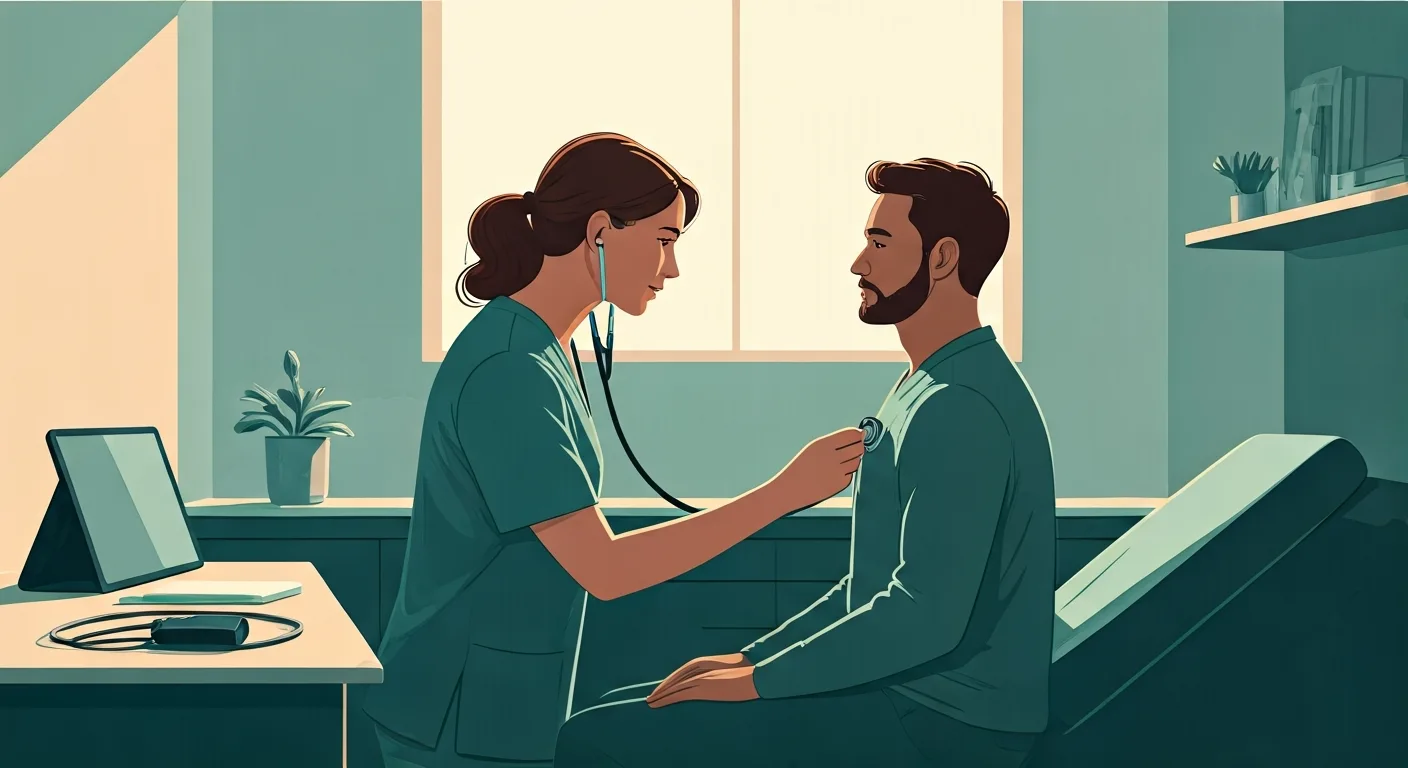
Examines patients, diagnoses conditions, orders tests, and prescribes medications, often serving as a primary care provider. Manages chronic diseases, counsels patients on prevention, and refers complex cases to specialists. Nurse Practitioners provide comprehensive healthcare, blending advanced clinical knowledge with a holistic, patient-centered approach.
Provides essential primary and specialty care, improving patient access to healthcare, managing chronic conditions, and promoting wellness, thereby enhancing community health outcomes.
On the job
- Conduct comprehensive physical assessments and health histories for patients of all ages
- Diagnose acute and chronic illnesses, interpret diagnostic tests, and develop treatment plans
- Prescribe medications, therapies, and other treatments based on patient needs and clinical guidelines
- Provide patient education and counseling on disease prevention, health promotion, and lifestyle management
- Collaborate with physicians, registered nurses, and other healthcare professionals to coordinate patient care
Tools & technology
Average salary
Job outlook
ExcellentNew job opportunities are highly likely. Demand significantly outpaces supply in most markets.
Education & training
Master's or doctoral degree in nursing, specializing in a nurse practitioner role, along with state licensure and national certification.
AI impact outlook
Note — this is our current view. AI is moving fast, so we revisit these ratings.
Show how this was assessed Hide the detail
Note — this is our current view. AI is moving fast, so we revisit these ratings.
Show how this was assessed Hide the detailWhy this role received this rating
Core task exposure
high
How much of the role’s important work could AI perform?
AI can significantly assist with diagnostics, interpreting tests, and drafting treatment plans, but physical examination and nuanced patient interaction remain human domains.
End-to-end automation
low
Can AI complete the work without substantial human involvement?
Full end-to-end automation of patient examination, diagnosis, prescription, and ongoing care management is prevented by liability, patient trust, and the need for physical interaction.
Adoption pressure
high
How likely are employers to introduce AI into this work?
Healthcare systems are aggressively adopting AI for diagnostic support, patient management, and efficiency, making this role highly targeted for augmentation.
Human dependence
strong
How much does success depend on human judgement, relationships and accountability?
Success depends profoundly on establishing patient trust, empathetic counseling, making nuanced diagnostic judgments, and carrying the ultimate accountability for patient care outcomes.
Protective — a higher rating lowers the overall score.
Role adaptability
strong
How easily can the role evolve as AI takes on more tasks?
This role is highly adaptable, continuously integrating new medical knowledge, technologies, and evolving care models to meet diverse patient needs.
Shown for context — not part of the score.
What AI may take on
These are the parts of the role most likely to be automated or significantly accelerated.
- Assisting with preliminary diagnoses based on symptoms and history
- Interpreting diagnostic test results for patterns
- Drafting medication prescriptions based on guidelines
- Generating patient education materials on common conditions
- Identifying at-risk patients for preventative interventions
Where people remain essential
These parts continue to depend heavily on human judgement, relationships and accountability.
- Conducting comprehensive physical assessments and examinations
- Building trust and rapport with patients over time
- Providing empathetic counseling and motivational interviewing
- Making final, legally accountable diagnostic and treatment decisions
- Managing complex, multi-faceted chronic disease cases
- Coordinating care across interdisciplinary teams
- Responding to acute, unpredictable patient needs
How the role may evolve
Clinical decision support grows. Human diagnostic intuition and patient trust remain central.
Nurse Practitioners will leverage AI for data synthesis and preliminary insights, allowing them to dedicate more time to complex clinical reasoning, patient education, and building therapeutic relationships.
Strengthen your future fit
- Critical evaluation of AI-generated diagnostic insights
- Advanced communication and patient counseling skills
- Expertise in complex chronic disease management
- Leadership in interdisciplinary care coordination
- Ethical decision-making in AI-assisted healthcare
- Assessment horizon
- 3–7 years
- Confidence
- Medium
- Last reviewed
- August 2026
- Methodology
- v1.0
This assessment reflects current AI capabilities and expected adoption patterns. Actual impacts will vary by industry, employer and the way each role is performed.
Career pathways
WHERE YOU COULD GO
CURRENT ROLE
Nurse Practitioner
Nursing & Midwifery
ADJACENT MOVES
STARTING POINTS
Who thrives here
Interest profile
investigative · ISC
People who enjoy investigating complex medical conditions, providing compassionate care, and adhering to structured clinical protocols tend to thrive in this role.
Personality characteristics
Conscientious
Exhibits high levels of responsibility, organization, and attention to detail in patient care and documentation.
Agreeable
Demonstrates empathy, compassion, and a collaborative spirit when interacting with patients, families, and the healthcare team.
Extroverted
Comfortable engaging with diverse patients and colleagues, effectively communicating diagnoses and treatment plans.
Open-minded
Curious about new medical research, diagnostic techniques, and treatment modalities to improve patient outcomes.
Emotionally Stable
Maintains composure and effectiveness under pressure, handling challenging patient situations and medical emergencies with resilience.
Best for
- Individuals passionate about providing comprehensive, patient-centered healthcare
- Professionals who enjoy the intellectual challenge of diagnosis and treatment planning
- Those who thrive in a collaborative environment while also valuing clinical independence
Watch out for
- The fast-paced clinical environment can be demanding and requires strong time management skills
- Occasional weekend work or on-call duties may be required depending on the practice setting
- Emotional resilience is crucial when dealing with challenging patient cases and difficult outcomes
A week in the life
A representative working week for a Nurse Practitioner — where the deep work, meetings, and admin actually land.
Real people. Real results.
Thousands of people
can't be wrong.



Frequently asked questions about Nurse Practitioner roles
What does a Nurse Practitioner do?
A Nurse Practitioner examines patients, diagnoses conditions, orders tests, and prescribes medications, often serving as a primary care provider. Manages chronic diseases, counsels patients on prevention, and refers complex cases to specialists. Nurse Practitioners provide comprehensive healthcare, blending advanced clinical knowledge with a holistic, patient-centered approach. Provides essential primary and specialty care, improving patient access to healthcare, managing chronic conditions, and promoting wellness, thereby enhancing community health outcomes.
How much does a Nurse Practitioner earn?
A Nurse Practitioner earns a median of $125,000 per year in the US, typically ranging from $95,000 to $165,000.
What qualifications do you need to become a Nurse Practitioner?
To become a Nurse Practitioner, master's or doctoral degree in nursing, specializing in a nurse practitioner role, along with state licensure and national certification. Active Registered Nurse (RN) license in the state of practice.
What personality suits a Nurse Practitioner?
Nurse Practitioner roles tend to suit people who are highly conscientious — precise, organised and strong on follow-through (Conscientiousness 82/100) and warm and cooperative — tuned in to the people around them (Agreeableness 75/100). The traits that matter most in the role are Conscientious, Agreeable, Extroverted and Open-minded. Exhibits high levels of responsibility, organization, and attention to detail in patient care and documentation. On interests, Nurse Practitioner maps to an ISC Holland Code profile — people who enjoy investigating complex medical conditions, providing compassionate care, and adhering to structured clinical protocols tend to thrive in this role.
Who does a Nurse Practitioner role suit?
A Nurse Practitioner role is usually a strong fit for these reasons. Strong Investigative and Social alignment: the role requires both diagnostic acumen and compassionate patient interaction. A significant portion of the week is dedicated to direct patient care and clinical problem-solving. High levels of autonomy in practice, balanced with collaborative teamwork, appeal to those seeking responsibility and impact.
What are the downsides of being a Nurse Practitioner?
Nurse Practitioner roles come with trade-offs worth weighing up. The fast-paced clinical environment can be demanding and requires strong time management skills. Occasional weekend work or on-call duties may be required depending on the practice setting. Emotional resilience is crucial when dealing with challenging patient cases and difficult outcomes.
What is the work environment like for a Nurse Practitioner?
Work as a Nurse Practitioner is mostly clinical-based with onsite arrangements common, semi-structured — a mix of set processes and self-directed work and high exposure to clients or stakeholders. Around 17% of the week is focused deep work.
What skills do you need to be a Nurse Practitioner?
Core skills for a Nurse Practitioner include Patient assessment and physical examination, Differential diagnosis, Pharmacology and medication management, Treatment planning and implementation and Patient education and counseling.
How do you become a Nurse Practitioner?
Common entry routes into Nurse Practitioner roles include Registered Nurse and Clinical Nurse Specialist.
What career progression is there for a Nurse Practitioner?
From a Nurse Practitioner role, common next steps include Lead Nurse Practitioner and Nurse Practitioner Specialist (e.g., Cardiology NP); lateral moves include Clinical Nurse Educator and Healthcare Administrator.
What is the job outlook for Nurse Practitioner roles?
The outlook for Nurse Practitioner roles is currently rated excellent. New job opportunities are highly likely. Demand significantly outpaces supply in most markets.
Will AI replace Nurse Practitioner roles?
Traitstack rates automation risk for Nurse Practitioner roles at 49 out of 100, which is moderate. Diagnostic and treatment planning support will be enhanced by AI, while direct patient examination, empathetic counseling, and liability for care stay with the NP. AI is most likely to take on assisting with preliminary diagnoses based on symptoms and history, interpreting diagnostic test results for patterns and drafting medication prescriptions based on guidelines. Conducting comprehensive physical assessments and examinations, building trust and rapport with patients over time and providing empathetic counseling and motivational interviewing stay with people. Clinical decision support grows. Human diagnostic intuition and patient trust remain central. That score measures how much of the work could change, not the likelihood the job disappears. It is Traitstack's current view, revisited as AI capability moves.