Motion Designer
SOC 27-1014.00 · ESCO 2166 · OSCA 232331
Role snapshot
Overview
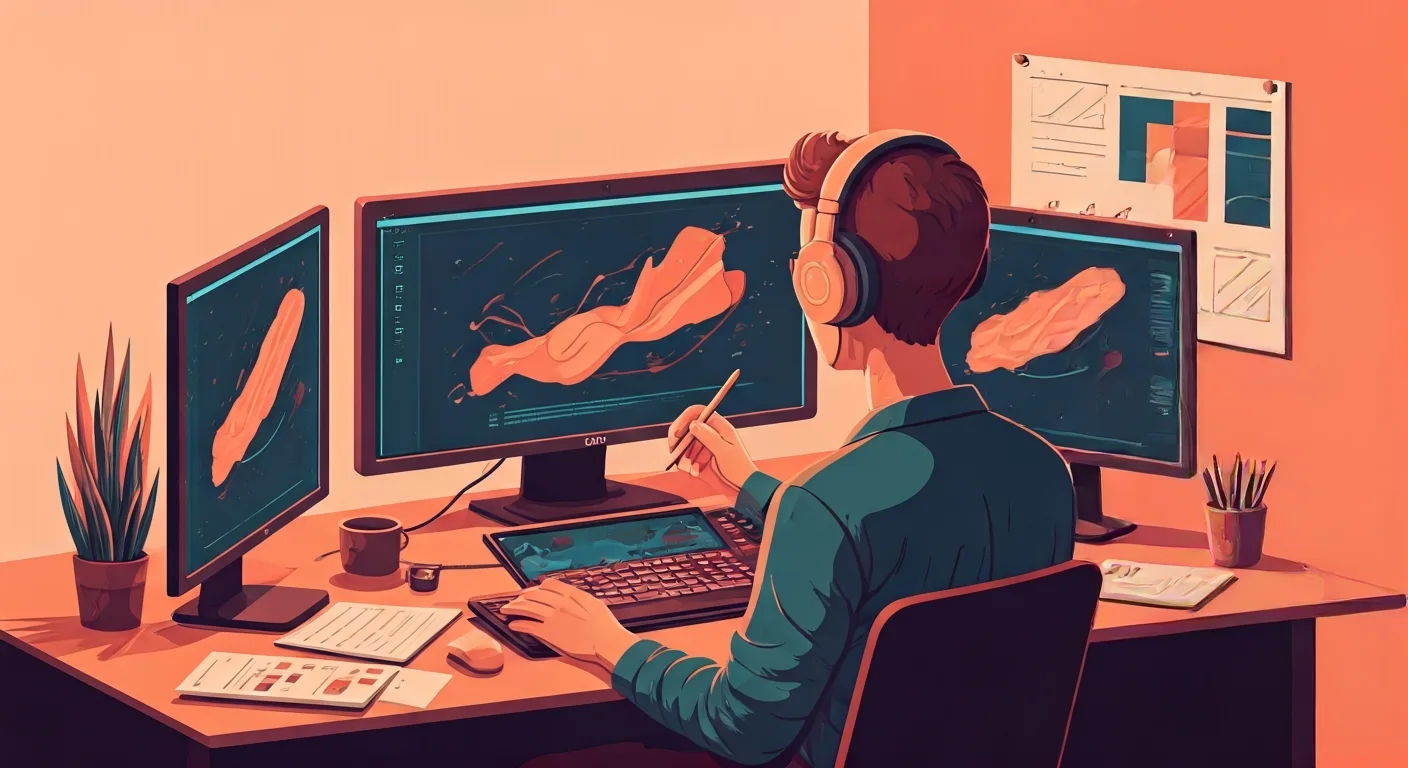
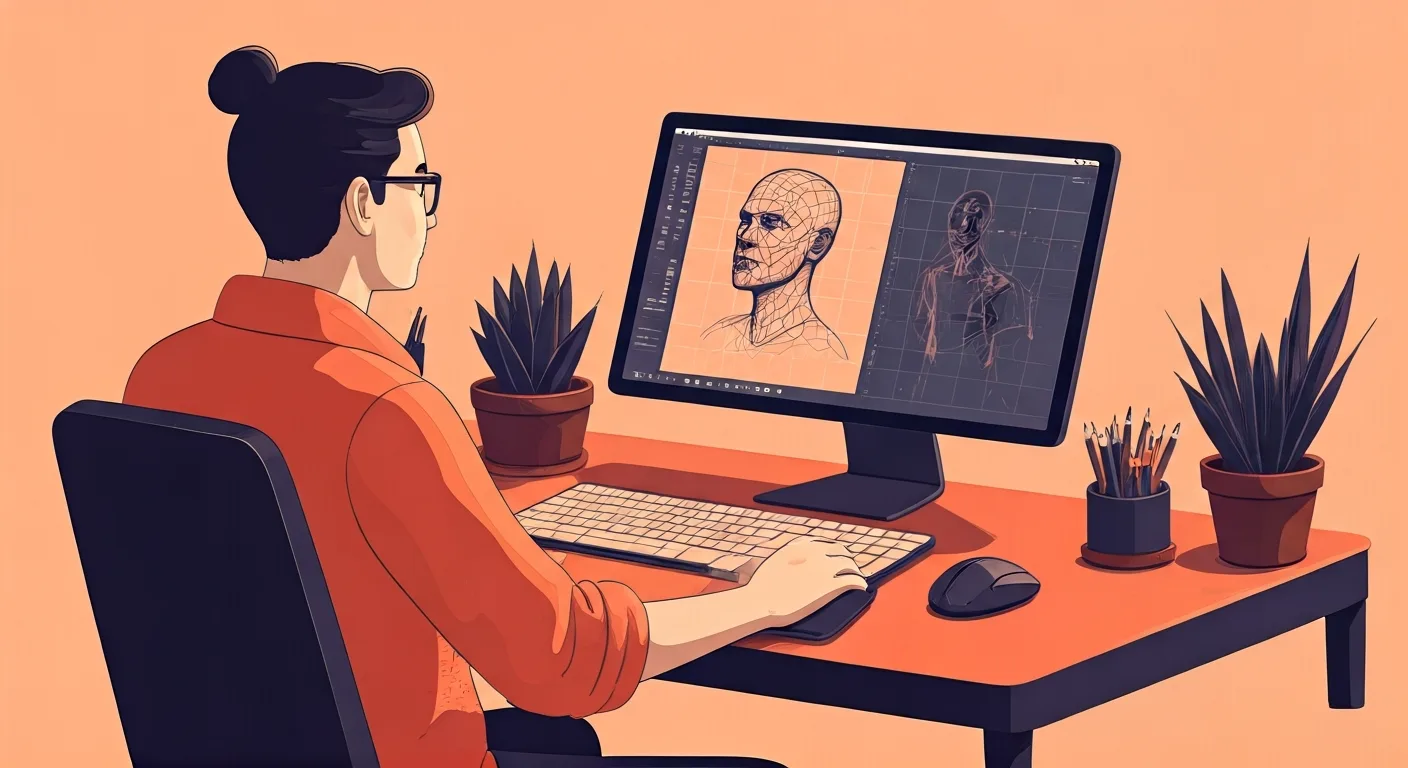
Creates animated graphics and visual effects for videos, apps, and websites, bringing static designs to life with movement and timing. Works in animation software to produce everything from subtle UI transitions to eye-catching explainer videos, enhancing storytelling and user engagement.
Brings dynamic visual storytelling to life, capturing audience attention, clarifying complex information, and enhancing brand presence across digital platforms.
On the job
- Develop animated sequences and visual effects for marketing campaigns, explainer videos, and digital products.
- Collaborate with creative teams, designers, and clients to understand project requirements and translate concepts into motion.
- Design and animate user interface elements and transitions for web and mobile applications.
- Edit and enhance raw footage with motion graphics, titles, and visual effects.
- Maintain brand consistency and visual quality across all animated content.
Tools & technology
Average salary
Job outlook
GrowingJob growth is expected to be above average over the next five years.
Education & training
Certificate, diploma, or bachelor’s degree in motion graphics, animation, graphic design, or a related field. A strong portfolio is often more critical than formal credentials.
AI impact outlook
Note — this is our current view. AI is moving fast, so we revisit these ratings.
Show how this was assessed Hide the detail
Note — this is our current view. AI is moving fast, so we revisit these ratings.
Show how this was assessed Hide the detailWhy this role received this rating
Core task exposure
high
How much of the role’s important work could AI perform?
The creation of animated sequences, visual effects, and UI transitions from concepts is highly exposed, as generative AI can produce variations and drafts from text or visual prompts.
End-to-end automation
moderate
Can AI complete the work without substantial human involvement?
While AI can generate extensive motion content, the creative brief, nuanced storytelling, brand consistency, and client feedback loops for complex projects require human judgment, limiting full workflow automation.
Adoption pressure
high
How likely are employers to introduce AI into this work?
Employers are highly likely to adopt AI tools here due to the clear efficiency gains in producing diverse animated content for marketing, entertainment, and digital products.
Human dependence
low
How much does success depend on human judgement, relationships and accountability?
Success depends on human judgment for interpreting creative briefs, ensuring brand alignment, conveying specific emotional narratives, and making final aesthetic decisions that resonate with an audience.
Protective — a higher rating lowers the overall score.
Role adaptability
strong
How easily can the role evolve as AI takes on more tasks?
The role is highly adaptable, allowing motion designers to shift from pure execution to directing AI, curating outputs, focusing on higher-level creative strategy, and integrating motion into broader UX/UI design.
Shown for context — not part of the score.
What AI may take on
These are the parts of the role most likely to be automated or significantly accelerated.
- Generating animated sequences from text descriptions or storyboards
- Creating multiple variations of visual effects and UI transitions
- Automating rotoscoping, keyframing, and motion tracking tasks
- Translating static design assets into dynamic motion graphics
- Optimizing animation timing and pacing based on predefined rules
Where people remain essential
These parts continue to depend heavily on human judgement, relationships and accountability.
- Interpreting abstract creative briefs and client vision
- Ensuring brand consistency and strategic messaging
- Crafting unique visual narratives and emotional impact
- Providing final aesthetic judgment and creative direction
- Collaborating with diverse creative teams and clients
- Developing innovative motion design concepts beyond current trends
How the role may evolve
Less time animating. More time curating and directing the creative flow.
Motion designers will spend less time on manual animation tasks and more on conceiving high-level creative strategies, curating AI-generated options, and directing complex visual storytelling.
Strengthen your future fit
- Mastering AI prompting and generative animation tools
- Developing strong storytelling and narrative design skills
- Enhancing critical aesthetic judgment and curation abilities
- Fostering cross-functional collaboration and client communication
- Specializing in interactive motion design or real-time graphics
- Assessment horizon
- 3–7 years
- Confidence
- High
- Last reviewed
- August 2026
- Methodology
- v1.0
This assessment reflects current AI capabilities and expected adoption patterns. Actual impacts will vary by industry, employer and the way each role is performed.
Career pathways
WHERE YOU COULD GO
CURRENT ROLE
Motion Designer
Design & Visual Arts
ADJACENT MOVES
STARTING POINTS
Who thrives here
Interest profile
artistic · ARC
People who enjoy creative visual expression, working with technical tools, and bringing structured projects to completion tend to thrive in this role.
Personality characteristics
Imaginative
Loves exploring new visual styles and animation techniques to create unique and engaging content.
Detail-oriented
Pays close attention to timing, transitions, and visual consistency to ensure a polished final product.
Collaborative
Enjoys working with designers, editors, and clients to bring a shared vision to life.
Technically adept
Comfortable learning and mastering complex software and digital tools for animation and visual effects.
Resilient to feedback
Can receive and incorporate constructive criticism without becoming discouraged, seeing it as part of the creative process.
Best for
- Individuals who are passionate about bringing static visuals to life with movement and sound.
- Creatives who enjoy both the artistic and technical aspects of digital media production.
- Problem-solvers who can translate complex ideas into clear, engaging animated content.
- Team players who thrive in a collaborative creative environment.
Watch out for
- Can involve tight deadlines and multiple rounds of revisions, requiring strong time management and resilience.
- Requires continuous learning to keep up with evolving software and animation techniques.
A week in the life
A representative working week for a Motion Designer — where the deep work, meetings, and admin actually land.
Real people. Real results.
Thousands of people
can't be wrong.
Frequently asked questions about Motion Designer roles
What does a Motion Designer do?
A Motion Designer creates animated graphics and visual effects for videos, apps, and websites, bringing static designs to life with movement and timing. Works in animation software to produce everything from subtle UI transitions to eye-catching explainer videos, enhancing storytelling and user engagement. Brings dynamic visual storytelling to life, capturing audience attention, clarifying complex information, and enhancing brand presence across digital platforms.
How much does a Motion Designer earn?
A Motion Designer earns a median of $85,000 per year in the US, typically ranging from $65,000 to $110,000.
What qualifications do you need to become a Motion Designer?
To become a Motion Designer, certificate, diploma, or bachelor’s degree in motion graphics, animation, graphic design, or a related field. A strong portfolio is often more critical than formal credentials.
What personality suits a Motion Designer?
Motion Designer roles tend to suit people who are open and curious — drawn to variety, ideas and new approaches (Openness 90/100) and highly conscientious — precise, organised and strong on follow-through (Conscientiousness 65/100). The traits that matter most in the role are Imaginative, Detail-oriented, Collaborative and Technically adept. Loves exploring new visual styles and animation techniques to create unique and engaging content. On interests, Motion Designer maps to an ARC Holland Code profile — people who enjoy creative visual expression, working with technical tools, and bringing structured projects to completion tend to thrive in this role.
Who does a Motion Designer role suit?
A Motion Designer role is usually a strong fit for these reasons. Strong Artistic alignment: the role is centered on visual creativity, animation, and dynamic storytelling. Engages Realistic interests through the mastery and application of specialized animation software and technical processes. Offers a balance of individual deep work and collaborative team interaction.
What are the downsides of being a Motion Designer?
Motion Designer roles come with trade-offs worth weighing up. Can involve tight deadlines and multiple rounds of revisions, requiring strong time management and resilience. Requires continuous learning to keep up with evolving software and animation techniques.
What is the work environment like for a Motion Designer?
Work as a Motion Designer is mostly office-based with hybrid arrangements common, semi-structured — a mix of set processes and self-directed work, a moderate pace and medium exposure to clients or stakeholders. Around 64% of the week is focused deep work.
What skills do you need to be a Motion Designer?
Core skills for a Motion Designer include Motion graphics design, 2D/3D animation, Video editing, Storyboarding and Creative problem-solving.
How do you become a Motion Designer?
Common entry routes into Motion Designer roles include Junior Motion Designer, Graphic Designer and Video Editor.
What career progression is there for a Motion Designer?
From a Motion Designer role, common next steps include Senior Motion Designer, Lead Motion Designer and Art Director (Motion); lateral moves include Video Editor and 3D Artist.
What is the job outlook for Motion Designer roles?
The outlook for Motion Designer roles is currently rated growing. Job growth is expected to be above average over the next five years.
Will AI replace Motion Designer roles?
Traitstack rates automation risk for Motion Designer roles at 72 out of 100, which is strong. AI models are ready to generate animated sequences and visual effects, while human creative direction, brand storytelling, and final aesthetic curation become paramount. AI is most likely to take on generating animated sequences from text descriptions or storyboards, creating multiple variations of visual effects and ui transitions and automating rotoscoping, keyframing, and motion tracking tasks. Interpreting abstract creative briefs and client vision, ensuring brand consistency and strategic messaging and crafting unique visual narratives and emotional impact stay with people. Less time animating. More time curating and directing the creative flow. That score measures how much of the work could change, not the likelihood the job disappears. It is Traitstack's current view, revisited as AI capability moves.