Model Maker
SOC 51-7031.00 · ESCO 7319 · OSCA 399431
Role snapshot
Overview
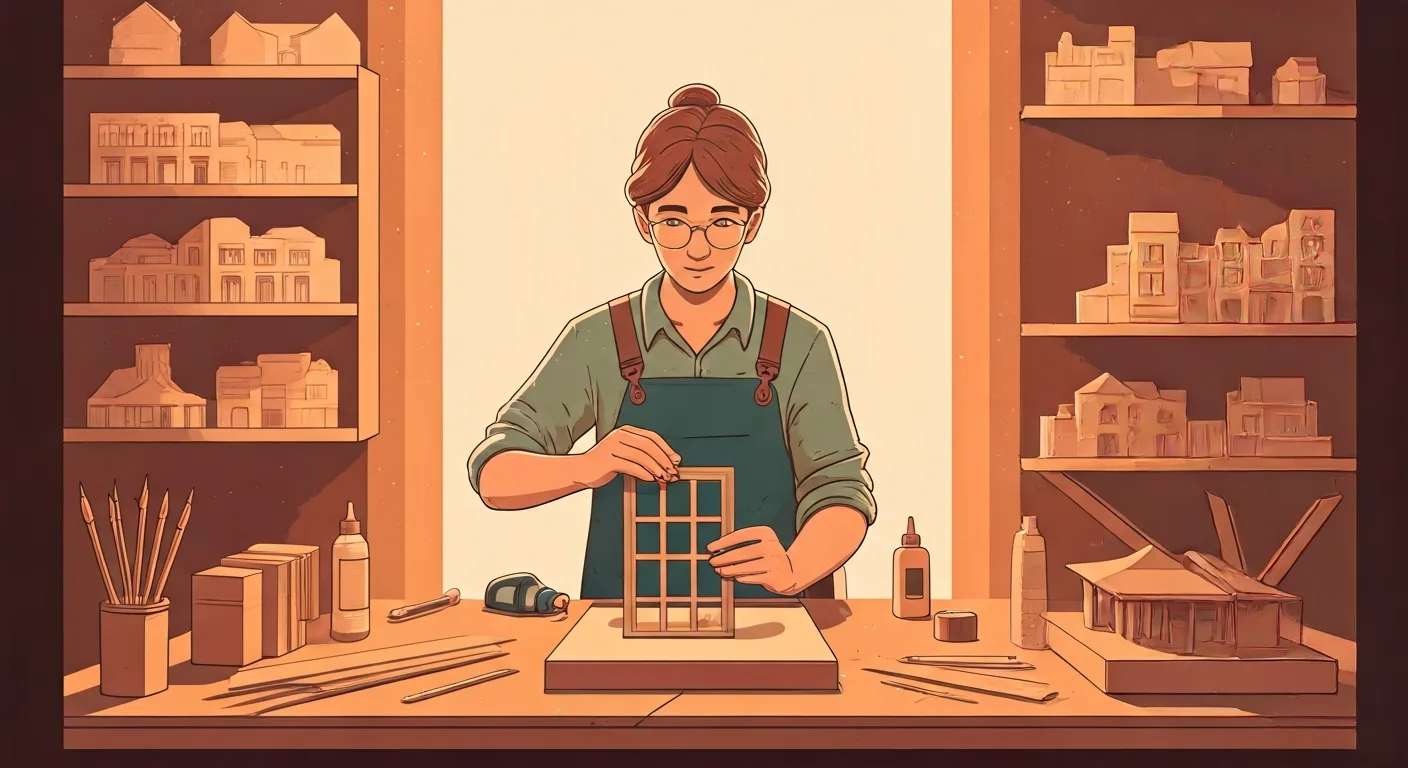
Builds highly accurate scale models and functional prototypes of products, buildings, or vehicles from various materials such as wood, metal, clay, and plastics. This role involves interpreting complex technical drawings and CAD models, and utilizing both precision hand tools and advanced machine tools to produce accurate physical representations for design validation, engineering testing, or presentation purposes.
Provides tangible, three-dimensional representations that are crucial for design validation, engineering analysis, marketing, and client presentations, significantly reducing development costs and time by identifying issues early.
On the job
- Interpreting blueprints, schematics, and CAD data to understand model specifications
- Selecting and preparing appropriate materials (wood, metal, plastic, composites) for construction
- Operating precision machinery such as CNC mills, lathes, 3D printers, and laser cutters
- Using hand tools for intricate shaping, sanding, assembly, and finishing processes
- Conducting quality checks and making adjustments to ensure models meet exact specifications
Tools & technology
Average salary
Job outlook
StableDemand is steady. This is an established role with consistent hiring across sectors.
Education & training
Vocational training, apprenticeship, or certificate in model making, precision fabrication, or a related skilled trade. Some roles may benefit from an associate's degree in industrial design or engineering technology.
AI impact outlook
Note — this is our current view. AI is moving fast, so we revisit these ratings.
Show how this was assessed Hide the detail
Note — this is our current view. AI is moving fast, so we revisit these ratings.
Show how this was assessed Hide the detailWhy this role received this rating
Core task exposure
moderate
How much of the role’s important work could AI perform?
Interpreting CAD data and optimizing machine toolpaths can be AI-assisted, but material handling, physical fabrication, and intricate hand finishing are not.
End-to-end automation
low
Can AI complete the work without substantial human involvement?
AI cannot physically prepare materials, operate precision machines autonomously for complex builds, perform intricate hand finishing, or conduct tactile quality checks on prototypes.
Adoption pressure
moderate
How likely are employers to introduce AI into this work?
High pressure exists for automated manufacturing processes via capital equipment, but less for direct AI takeover of human craftsmanship and troubleshooting.
Human dependence
moderate
How much does success depend on human judgement, relationships and accountability?
Success hinges on precise manual dexterity, problem-solving during physical fabrication, and nuanced quality assessment of tangible objects against specifications.
Protective — a higher rating lowers the overall score.
Role adaptability
moderate
How easily can the role evolve as AI takes on more tasks?
The role can adapt by specializing in highly complex designs, advanced materials, and bespoke finishing techniques that defy full automation.
Shown for context — not part of the score.
What AI may take on
These are the parts of the role most likely to be automated or significantly accelerated.
- Interpret complex technical drawings and CAD models
- Optimize machine toolpaths for CNC mills and 3D printers
- Suggest material choices based on performance requirements
- Automate initial quality checks against digital specifications
- Generate detailed build instructions from CAD data
Where people remain essential
These parts continue to depend heavily on human judgement, relationships and accountability.
- Physically select and prepare appropriate materials for construction
- Operate precision machinery with human oversight and intervention
- Use hand tools for intricate shaping, sanding, and assembly
- Conduct tactile quality checks and make nuanced adjustments
- Troubleshoot unexpected issues during the physical build process
- Ensure models meet exact specifications through skilled craftsmanship
How the role may evolve
Mastering complex digital translation and advanced physical craftsmanship.
Model makers will evolve to expertly translate AI-optimized designs into physical reality, focusing on the highly skilled manual work and problem-solving that machines cannot replicate, even with advanced automation.
Strengthen your future fit
- Proficiency in advanced CAD/CAM software and digital fabrication
- Mastery of intricate hand-finishing and assembly techniques
- Deep knowledge of materials science and properties
- Expertise in precision measurement and quality control
- Adaptability to new manufacturing processes and technologies
- Assessment horizon
- 3–7 years
- Confidence
- High
- Last reviewed
- August 2026
- Methodology
- v1.0
This assessment reflects current AI capabilities and expected adoption patterns. Actual impacts will vary by industry, employer and the way each role is performed.
Career pathways
WHERE YOU COULD GO
CURRENT ROLE
Model Maker
Design & Visual Arts
ADJACENT MOVES
STARTING POINTS
Who thrives here
Interest profile
realistic · RCI
Individuals who enjoy working with their hands, using tools and machines to create tangible objects, and who value precision and attention to detail, typically thrive as Model Makers.
Personality characteristics
Precise
Exhibits meticulous attention to detail and a commitment to accuracy in all fabrication tasks.
Methodical
Prefers to work in an organised and systematic manner, following technical specifications rigorously.
Ingenious
Enjoys exploring different techniques and materials to solve complex fabrication challenges.
Self-reliant
Comfortable working independently for extended periods, focusing on hands-on tasks.
Calm under pressure
Maintains composure and focus when dealing with intricate work or tight deadlines.
Best for
- Individuals who enjoy working with their hands to create detailed, physical objects
- Those who thrive on precision, problem-solving, and bringing technical drawings to life
- People who appreciate tangible results and continuous skill development in craftsmanship
Watch out for
- The role requires significant periods of focused, solitary work in a workshop environment
- Less emphasis on social interaction or direct client-facing activities compared to other roles
A week in the life
A representative working week for a Model Maker — where the deep work, meetings, and admin actually land.
Real people. Real results.
Thousands of people
can't be wrong.

Frequently asked questions about Model Maker roles
What does a Model Maker do?
A Model Maker builds highly accurate scale models and functional prototypes of products, buildings, or vehicles from various materials such as wood, metal, clay, and plastics. This role involves interpreting complex technical drawings and CAD models, and utilizing both precision hand tools and advanced machine tools to produce accurate physical representations for design validation, engineering testing, or presentation purposes. Provides tangible, three-dimensional representations that are crucial for design validation, engineering analysis, marketing, and client presentations, significantly reducing development costs and time by identifying issues early.
How much does a Model Maker earn?
A Model Maker earns a median of $62,000 per year in the US, typically ranging from $45,000 to $85,000.
What qualifications do you need to become a Model Maker?
To become a Model Maker, vocational training, apprenticeship, or certificate in model making, precision fabrication, or a related skilled trade. Some roles may benefit from an associate's degree in industrial design or engineering technology.
What personality suits a Model Maker?
Model Maker roles tend to suit people who are highly conscientious — precise, organised and strong on follow-through (Conscientiousness 82/100) and steady under pressure — deadlines and setbacks do not rattle them easily (Emotional Stability 72/100). The traits that matter most in the role are Precise, Methodical, Ingenious and Self-reliant. Exhibits meticulous attention to detail and a commitment to accuracy in all fabrication tasks. On interests, Model Maker maps to a RCI Holland Code profile — individuals who enjoy working with their hands, using tools and machines to create tangible objects, and who value precision and attention to detail, typically thrive as Model Makers.
Who does a Model Maker role suit?
A Model Maker role is usually a strong fit for these reasons. Strong Realistic alignment: the role is highly hands-on, involving tools, machines, and tangible outputs. High Conscientiousness is rewarded through the demand for precision, accuracy, and attention to detail. Opportunity to engage Investigative interests by interpreting complex designs and problem-solving fabrication challenges.
What are the downsides of being a Model Maker?
Model Maker roles come with trade-offs worth weighing up. The role requires significant periods of focused, solitary work in a workshop environment. Less emphasis on social interaction or direct client-facing activities compared to other roles.
What is the work environment like for a Model Maker?
Work as a Model Maker is mostly workshop-based with onsite arrangements common, semi-structured — a mix of set processes and self-directed work, a moderate pace and low exposure to clients or stakeholders. Around 55% of the week is focused deep work.
What skills do you need to be a Model Maker?
Core skills for a Model Maker include Precision Machining, Technical Drawing Interpretation, Material Selection & Fabrication, Prototyping, Quality Control and Problem-Solving.
How do you become a Model Maker?
Common entry routes into Model Maker roles include Machinist Apprentice, Fabricator Assistant and Junior Industrial Designer.
What career progression is there for a Model Maker?
From a Model Maker role, common next steps include Senior Model Maker and Prototyping Specialist; lateral moves include Tool and Die Maker and Industrial Designer (with further education).
What is the job outlook for Model Maker roles?
The outlook for Model Maker roles is currently rated stable. Demand is steady. This is an established role with consistent hiring across sectors.
Will AI replace Model Maker roles?
Traitstack rates automation risk for Model Maker roles at 41 out of 100, which is moderate. Interpretation of digital designs is increasingly AI-assisted, but the human retains mastery over precision physical fabrication, intricate finishing, and tactile quality assurance. AI is most likely to take on interpret complex technical drawings and cad models, optimize machine toolpaths for cnc mills and 3d printers and suggest material choices based on performance requirements. Physically select and prepare appropriate materials for construction, operate precision machinery with human oversight and intervention and use hand tools for intricate shaping, sanding, and assembly stay with people. Mastering complex digital translation and advanced physical craftsmanship. That score measures how much of the work could change, not the likelihood the job disappears. It is Traitstack's current view, revisited as AI capability moves.