Sheet Metal Worker
SOC 47-2211.00 · ESCO 7213 · OSCA 331936
Role snapshot
Overview
Fabricates, assembles, installs, and repairs products made from thin metal sheets, such as ductwork for heating, ventilation, and air conditioning systems, gutters, downspouts, and architectural panels. This involves interpreting blueprints, cutting, bending, shaping, and joining metal pieces using various tools and techniques to create custom components for construction, manufacturing, and industrial projects.
Ensures the efficient and safe operation of HVAC systems, proper water drainage in buildings, and the structural integrity of various metal components, contributing to building comfort, safety, and longevity.
On the job
- Read and interpret blueprints, schematics, and construction drawings to determine project specifications.
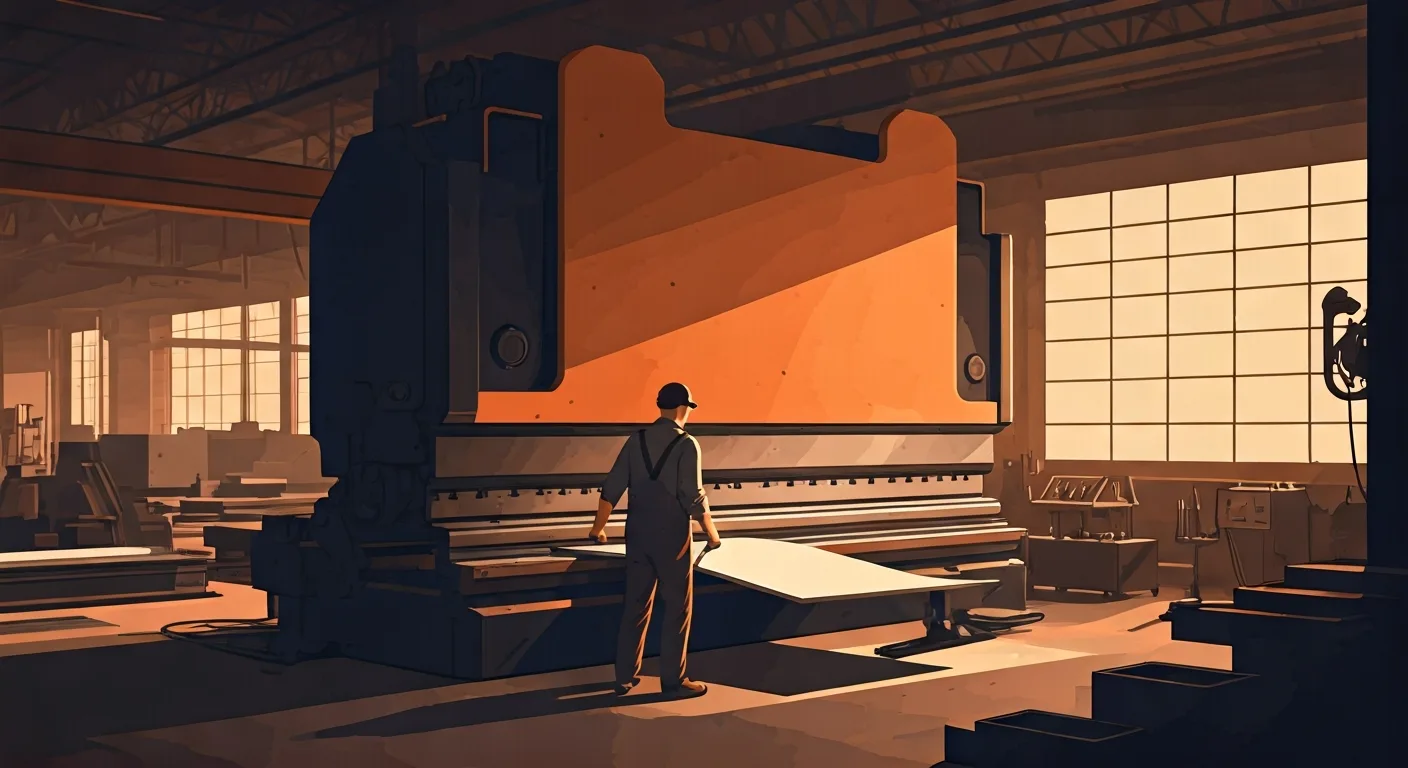
- Measure, cut, bend, and shape sheet metal using hand tools, power tools, and metalworking machinery like shears, brakes, and presses.
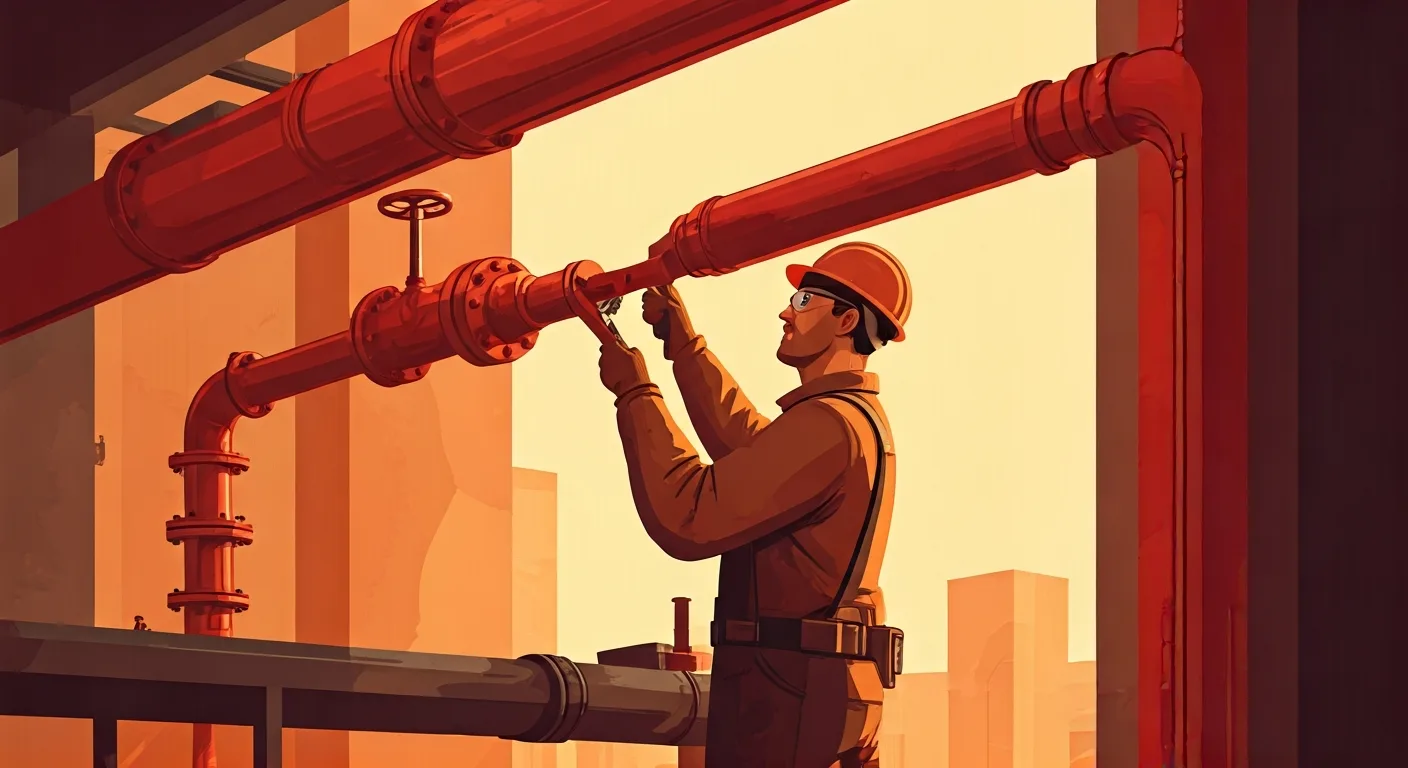
- Assemble and install sheet metal products, such as ducts, vents, gutters, and flashing, at construction sites or in workshops.
- Weld, solder, rivet, and bolt metal pieces together to create finished products or secure installations.
- Inspect finished products for quality, adherence to specifications, and compliance with building codes and safety regulations.
Tools & technology
Average salary
Job outlook
GrowingJob growth is expected to be above average over the next five years.
Education & training
High school diploma or equivalent, often followed by a formal apprenticeship or vocational training program in sheet metal work, HVAC, or welding.
AI impact outlook
Note — this is our current view. AI is moving fast, so we revisit these ratings.
Show how this was assessed Hide the detail
Note — this is our current view. AI is moving fast, so we revisit these ratings.
Show how this was assessed Hide the detailWhy this role received this rating
Core task exposure
low
How much of the role’s important work could AI perform?
AI can optimize material nesting and assist with design, but the hands-on forming, site-specific fitting, and specialized welding are less exposed.
End-to-end automation
low
Can AI complete the work without substantial human involvement?
AI cannot autonomously interpret blueprints, fabricate complex components, and install entire sheet metal systems on a construction site.
Adoption pressure
low
How likely are employers to introduce AI into this work?
The high cost of AI for bespoke, often on-site work limits adoption, with existing CNC machinery already handling much of the mass fabrication.
Human dependence
strong
How much does success depend on human judgement, relationships and accountability?
Site-specific problem-solving, custom fitting, ensuring structural integrity, code compliance, and specialized welding require significant human judgment and skill.
Protective — a higher rating lowers the overall score.
Role adaptability
strong
How easily can the role evolve as AI takes on more tasks?
The role readily adapts to new materials, evolving building codes, and advanced fabrication and installation techniques.
Shown for context — not part of the score.
What AI may take on
These are the parts of the role most likely to be automated or significantly accelerated.
- Optimization of material layouts for cutting and forming to minimize waste
- Generation of 3D models from 2D blueprints for complex components
- Robotic assistance for repetitive welding tasks in controlled shop environments
- Predictive analysis for potential structural issues in ductwork designs
Where people remain essential
These parts continue to depend heavily on human judgement, relationships and accountability.
- Interpreting complex blueprints and adapting designs to unique site conditions
- Precise hands-on forming, bending, and shaping of sheet metal
- Specialized welding, soldering, and riveting for critical connections
- On-site installation, fitting, and sealing of sheet metal systems
- Ensuring structural integrity, safety, and compliance with building codes
- Troubleshooting and repairing installed systems
How the role may evolve
Fabrication workflow: Integrating digital design with hands-on site adaptation.
Sheet metal workers will increasingly integrate digital design and optimization tools into their workflows, enabling more efficient material use and complex fabrication, while retaining their critical expertise in on-site problem-solving and installation.
Strengthen your future fit
- Proficiency in CAD software and digital blueprint interpretation
- Advanced welding techniques for diverse metal types
- Expertise in building codes and safety regulations
- Problem-solving for custom fabrication and on-site challenges
- Skills in operating and maintaining advanced metalworking machinery
- Assessment horizon
- 3–7 years
- Confidence
- High
- Last reviewed
- August 2026
- Methodology
- v1.0
This assessment reflects current AI capabilities and expected adoption patterns. Actual impacts will vary by industry, employer and the way each role is performed.
Career pathways
WHERE YOU COULD GO
CURRENT ROLE
Sheet Metal Worker
Skilled Trades
ADJACENT MOVES
STARTING POINTS
Who thrives here
Interest profile
realistic · RCI
Individuals who enjoy practical, hands-on work with tools and machinery, prefer structured tasks with clear guidelines, and are interested in understanding the mechanics of systems tend to excel in this role.
Personality characteristics
Practical
Enjoys working with hands and tangible results, preferring concrete tasks and problem-solving over abstract concepts.
Precise
Meticulous about measurements, angles, and adherence to technical specifications, blueprints, and safety codes.
Methodical
Follows established procedures and plans to ensure consistent, high-quality work and efficient project completion.
Cooperative
Works effectively and communicates clearly with other tradespeople and team members on complex construction projects.
Calm under pressure
Remains composed and focused when facing unexpected challenges, tight deadlines, or physically demanding conditions on a job site.
Analytical
Understands how different metal components fit together and can troubleshoot system issues effectively.
Best for
- Individuals who enjoy detailed, technical work that produces tangible results.
- People who thrive in structured environments where following blueprints and codes is critical.
- Those who prefer active, hands-on problem-solving over purely desk-based tasks.
Watch out for
- Requires working in various environments, including construction sites, which can be physically demanding and exposed to elements.
- Tasks often require repetitive motions, kneeling, bending, and lifting heavy materials.
A week in the life
A representative working week for a Sheet Metal Worker — where the deep work, meetings, and admin actually land.
Real people. Real results.
Thousands of people
can't be wrong.




Frequently asked questions about Sheet Metal Worker roles
What does a Sheet Metal Worker do?
A Sheet Metal Worker fabricates, assembles, installs, and repairs products made from thin metal sheets, such as ductwork for heating, ventilation, and air conditioning systems, gutters, downspouts, and architectural panels. This involves interpreting blueprints, cutting, bending, shaping, and joining metal pieces using various tools and techniques to create custom components for construction, manufacturing, and industrial projects. Ensures the efficient and safe operation of HVAC systems, proper water drainage in buildings, and the structural integrity of various metal components, contributing to building comfort, safety, and longevity.
How much does a Sheet Metal Worker earn?
A Sheet Metal Worker earns a median of $65,000 per year in the US, typically ranging from $45,000 to $85,000.
What qualifications do you need to become a Sheet Metal Worker?
To become a Sheet Metal Worker, high school diploma or equivalent, often followed by a formal apprenticeship or vocational training program in sheet metal work, HVAC, or welding. Journeyman Sheet Metal Worker Certification (varies by state/union).
What personality suits a Sheet Metal Worker?
Sheet Metal Worker roles tend to suit people who are highly conscientious — precise, organised and strong on follow-through (Conscientiousness 78/100) and steady under pressure — deadlines and setbacks do not rattle them easily (Emotional Stability 72/100). The traits that matter most in the role are Practical, Precise, Methodical and Cooperative. Enjoys working with hands and tangible results, preferring concrete tasks and problem-solving over abstract concepts. On interests, Sheet Metal Worker maps to a RCI Holland Code profile — individuals who enjoy practical, hands-on work with tools and machinery, prefer structured tasks with clear guidelines, and are interested in understanding the mechanics of systems tend to excel in this role.
Who does a Sheet Metal Worker role suit?
A Sheet Metal Worker role is usually a strong fit for these reasons. Strong Realistic and Conventional alignment: the role demands hands-on skill, precision, and adherence to technical standards. High Conscientiousness is rewarded through meticulous work, safety compliance, and quality output. Involves problem-solving and understanding mechanical systems, appealing to Investigative interests.
What are the downsides of being a Sheet Metal Worker?
Sheet Metal Worker roles come with trade-offs worth weighing up. Requires working in various environments, including construction sites, which can be physically demanding and exposed to elements. Tasks often require repetitive motions, kneeling, bending, and lifting heavy materials.
What is the work environment like for a Sheet Metal Worker?
Work as a Sheet Metal Worker is mostly mixed-based with onsite arrangements common, semi-structured — a mix of set processes and self-directed work, a moderate pace and medium exposure to clients or stakeholders. Around 44% of the week is focused deep work.
What skills do you need to be a Sheet Metal Worker?
Core skills for a Sheet Metal Worker include Blueprint reading, Metal fabrication, Welding and soldering, Precision measurement, Tool operation and Safety protocols.
How do you become a Sheet Metal Worker?
Common entry routes into Sheet Metal Worker roles include Sheet Metal Apprentice, Construction Laborer and Welding Assistant.
What career progression is there for a Sheet Metal Worker?
From a Sheet Metal Worker role, common next steps include Senior Sheet Metal Worker and Sheet Metal Foreman; lateral moves include HVAC Technician and Welder.
What is the job outlook for Sheet Metal Worker roles?
The outlook for Sheet Metal Worker roles is currently rated growing. Job growth is expected to be above average over the next five years.
Will AI replace Sheet Metal Worker roles?
Traitstack rates automation risk for Sheet Metal Worker roles at 23 out of 100, which is low. AI can optimize material use and assist with design, but the sheet metal worker's core value lies in hands-on fabrication, complex site adaptation, and ensuring structural integrity. AI is most likely to take on optimization of material layouts for cutting and forming to minimize waste, generation of 3d models from 2d blueprints for complex components and robotic assistance for repetitive welding tasks in controlled shop environments. Interpreting complex blueprints and adapting designs to unique site conditions, precise hands-on forming, bending, and shaping of sheet metal and specialized welding, soldering, and riveting for critical connections stay with people. Fabrication workflow: Integrating digital design with hands-on site adaptation. That score measures how much of the work could change, not the likelihood the job disappears. It is Traitstack's current view, revisited as AI capability moves.