Insulation Worker
SOC 47-2131.00 · ESCO 7124
Role snapshot
Overview
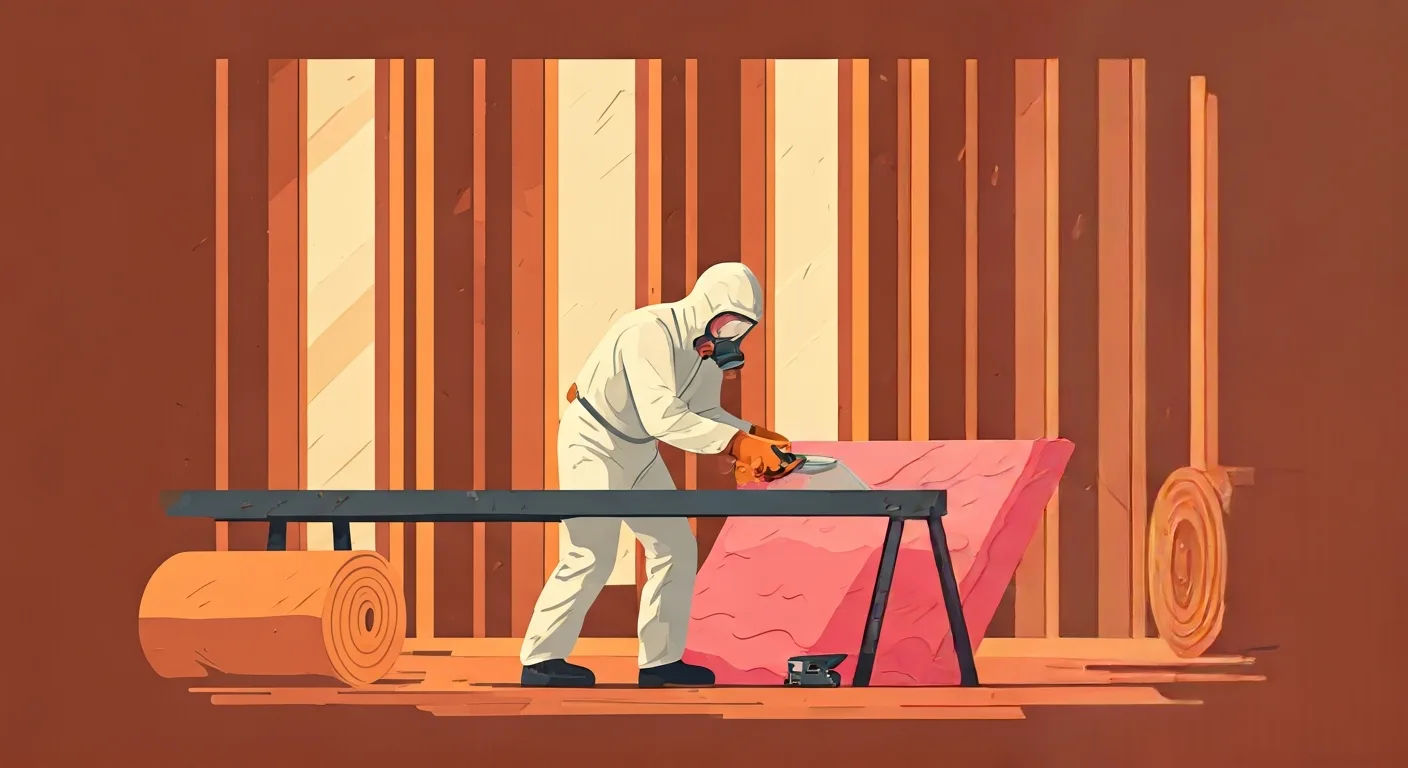
Installs and repairs insulation materials in residential, commercial, and industrial structures to regulate temperature, reduce energy consumption, and control sound. This involves measuring and cutting various materials like fiberglass, foam, or mineral wool to fit specific spaces, such as walls, ceilings, floors, pipes, and ducts, and then sealing joints to create effective thermal or acoustic barriers. Insulation workers follow blueprints and safety guidelines, ensuring proper ventilation and material handling.
Contributes significantly to energy efficiency, reducing heating and cooling costs, improving indoor comfort, and minimizing environmental impact through lower energy consumption in buildings.
On the job
- Measure and cut insulation materials to fit specific dimensions and shapes.
- Install insulation in walls, ceilings, floors, attics, pipes, and HVAC ducts.
- Seal joints, seams, and gaps with tape, caulk, or other sealing materials to create airtight barriers.
- Remove old or damaged insulation, often containing hazardous materials like asbestos or lead.
- Adhere strictly to safety protocols, including wearing personal protective equipment (PPE), when handling materials and working on job sites.
Tools & technology
Average salary
Job outlook
GrowingJob growth is expected to be above average over the next five years.
Education & training
High school diploma or GED, often followed by an apprenticeship or vocational training in insulation installation.
AI impact outlook
Note — this is our current view. AI is moving fast, so we revisit these ratings.
Show how this was assessed Hide the detail
Note — this is our current view. AI is moving fast, so we revisit these ratings.
Show how this was assessed Hide the detailWhy this role received this rating
Core task exposure
low
How much of the role’s important work could AI perform?
AI vision could optimize cutting patterns and identify thermal gaps, but precise physical installation in varied, irregular spaces remains manual.
End-to-end automation
low
Can AI complete the work without substantial human involvement?
Automating the entire insulation process on diverse construction sites, including complex fitting and sealing, is a highly challenging robotics problem.
Adoption pressure
low
How likely are employers to introduce AI into this work?
Adoption pressure is low for full automation due to high capital costs and the unpredictable nature of job sites, limiting AI to assistance for planning.
Human dependence
strong
How much does success depend on human judgement, relationships and accountability?
Success depends critically on human precision in fitting, ensuring safety with hazardous materials, and adapting to varied structural elements.
Protective — a higher rating lowers the overall score.
Role adaptability
moderate
How easily can the role evolve as AI takes on more tasks?
The role adapts to new insulation materials, building codes, and energy efficiency standards, but its core is physical installation.
Shown for context — not part of the score.
What AI may take on
These are the parts of the role most likely to be automated or significantly accelerated.
- Optimizing cutting patterns for insulation materials to minimize waste
- Identifying thermal bridges and gaps in structures via imaging
- Calculating precise material quantities for specific areas
- Scheduling and logistics support for insulation projects
Where people remain essential
These parts continue to depend heavily on human judgement, relationships and accountability.
- Precisely cutting and fitting insulation in irregular or confined spaces
- Sealing joints and gaps to create effective thermal barriers
- Removing old or hazardous insulation safely and efficiently
- Adhering strictly to safety protocols and using personal protective equipment
- Adapting installation techniques to varied building structures and conditions
How the role may evolve
Optimized measuring and cutting. Magnified adaptive, safe installation in challenging spaces.
Insulation Workers will leverage AI for material optimization, allowing them to focus more intensely on the complex, adaptive, and safe physical installation required in unpredictable construction environments.
Strengthen your future fit
- Expertise in advanced insulation materials and application techniques
- Proficiency in identifying and addressing complex thermal issues
- Deep understanding of building codes and energy efficiency standards
- Mastery of safety protocols for hazardous materials and confined spaces
- Adaptability to diverse construction environments and structural challenges
- Assessment horizon
- 3–7 years
- Confidence
- High
- Last reviewed
- August 2026
- Methodology
- v1.0
This assessment reflects current AI capabilities and expected adoption patterns. Actual impacts will vary by industry, employer and the way each role is performed.
Career pathways
WHERE YOU COULD GO
CURRENT ROLE
Insulation Worker
Skilled Trades
ADJACENT MOVES
STARTING POINTS
Who thrives here
Interest profile
realistic · RCI
Individuals who enjoy practical, hands-on tasks, require precision and attention to detail, and are interested in technical problem-solving often find satisfaction in this role.
Personality characteristics
Practical
Enjoys working with tools and materials to achieve tangible results in building projects.
Detail-oriented
Pays close attention to measurements, cuts, and seals to ensure quality and energy efficiency.
Methodical
Prefers following established procedures and safety guidelines for consistent and safe outcomes.
Resilient
Can tolerate physically demanding work and varying job site conditions, often outdoors or in confined spaces.
Cooperative
Works effectively with other tradespeople and team members to complete construction projects.
Best for
- People who prefer working with their hands and seeing immediate, tangible results of their labor.
- Individuals who thrive in structured environments with clear tasks and strict safety protocols.
- Those who enjoy contributing to building efficiency and environmental goals through practical application.
Watch out for
- Requires physical stamina and the ability to work in various environmental conditions, including confined spaces or high places.
- Can involve exposure to dust, fibers, and potentially hazardous materials, requiring diligent use of PPE.
A week in the life
A representative working week for an Insulation Worker — where the deep work, meetings, and admin actually land.
Real people. Real results.
Thousands of people
can't be wrong.



Frequently asked questions about Insulation Worker roles
What does an Insulation Worker do?
An Insulation Worker installs and repairs insulation materials in residential, commercial, and industrial structures to regulate temperature, reduce energy consumption, and control sound. This involves measuring and cutting various materials like fiberglass, foam, or mineral wool to fit specific spaces, such as walls, ceilings, floors, pipes, and ducts, and then sealing joints to create effective thermal or acoustic barriers. Insulation workers follow blueprints and safety guidelines, ensuring proper ventilation and material handling. Contributes significantly to energy efficiency, reducing heating and cooling costs, improving indoor comfort, and minimizing environmental impact through lower energy consumption in buildings.
How much does an Insulation Worker earn?
An Insulation Worker earns a median of $45,000 per year in the US, typically ranging from $35,000 to $60,000.
What qualifications do you need to become an Insulation Worker?
To become an Insulation Worker, high school diploma or GED, often followed by an apprenticeship or vocational training in insulation installation. State-specific certifications for hazardous materials (e.g., asbestos, lead-based paint).
What personality suits an Insulation Worker?
Insulation Worker roles tend to suit people who are highly conscientious — precise, organised and strong on follow-through (Conscientiousness 78/100) and steady under pressure — deadlines and setbacks do not rattle them easily (Emotional Stability 72/100). The traits that matter most in the role are Practical, Detail-oriented, Methodical and Resilient. Enjoys working with tools and materials to achieve tangible results in building projects. On interests, Insulation Worker maps to a RCI Holland Code profile — individuals who enjoy practical, hands-on tasks, require precision and attention to detail, and are interested in technical problem-solving often find satisfaction in this role.
Who does an Insulation Worker role suit?
An Insulation Worker role is usually a strong fit for these reasons. Strong Realistic (R) alignment for those who enjoy hands-on, practical work with tools and materials. High Conscientiousness (C) is valued for precision, attention to detail, and adherence to safety standards. The role offers a clear sense of accomplishment from completing physical projects that improve building performance.
What are the downsides of being an Insulation Worker?
Insulation Worker roles come with trade-offs worth weighing up. Requires physical stamina and the ability to work in various environmental conditions, including confined spaces or high places. Can involve exposure to dust, fibers, and potentially hazardous materials, requiring diligent use of PPE.
What is the work environment like for an Insulation Worker?
Work as an Insulation Worker is mostly mixed-based with onsite arrangements common, semi-structured — a mix of set processes and self-directed work, a moderate pace and low exposure to clients or stakeholders. Around 61% of the week is focused deep work.
What skills do you need to be an Insulation Worker?
Core skills for an Insulation Worker include Material cutting and fitting, Sealing techniques, Blueprint reading, Safety procedures and Hazardous material handling.
How do you become an Insulation Worker?
Common entry routes into Insulation Worker roles include Construction Laborer, Insulation Apprentice and General Handyman.
What career progression is there for an Insulation Worker?
From an Insulation Worker role, common next steps include Lead Insulation Worker and Insulation Supervisor; lateral moves include Building Envelope Specialist.
What is the job outlook for Insulation Worker roles?
The outlook for Insulation Worker roles is currently rated growing. Job growth is expected to be above average over the next five years.
Will AI replace Insulation Worker roles?
Traitstack rates automation risk for Insulation Worker roles at 18 out of 100, which is low. AI could optimize material cutting and thermal gap detection; conversely, precise physical installation in varied spaces and hazardous material handling depend on human skill. AI is most likely to take on optimizing cutting patterns for insulation materials to minimize waste, identifying thermal bridges and gaps in structures via imaging and calculating precise material quantities for specific areas. Precisely cutting and fitting insulation in irregular or confined spaces, sealing joints and gaps to create effective thermal barriers and removing old or hazardous insulation safely and efficiently stay with people. Optimized measuring and cutting. Magnified adaptive, safe installation in challenging spaces. That score measures how much of the work could change, not the likelihood the job disappears. It is Traitstack's current view, revisited as AI capability moves.