Geriatrician
SOC 29-1216.00 · ESCO 2212 · OSCA 264335
Role snapshot
Overview
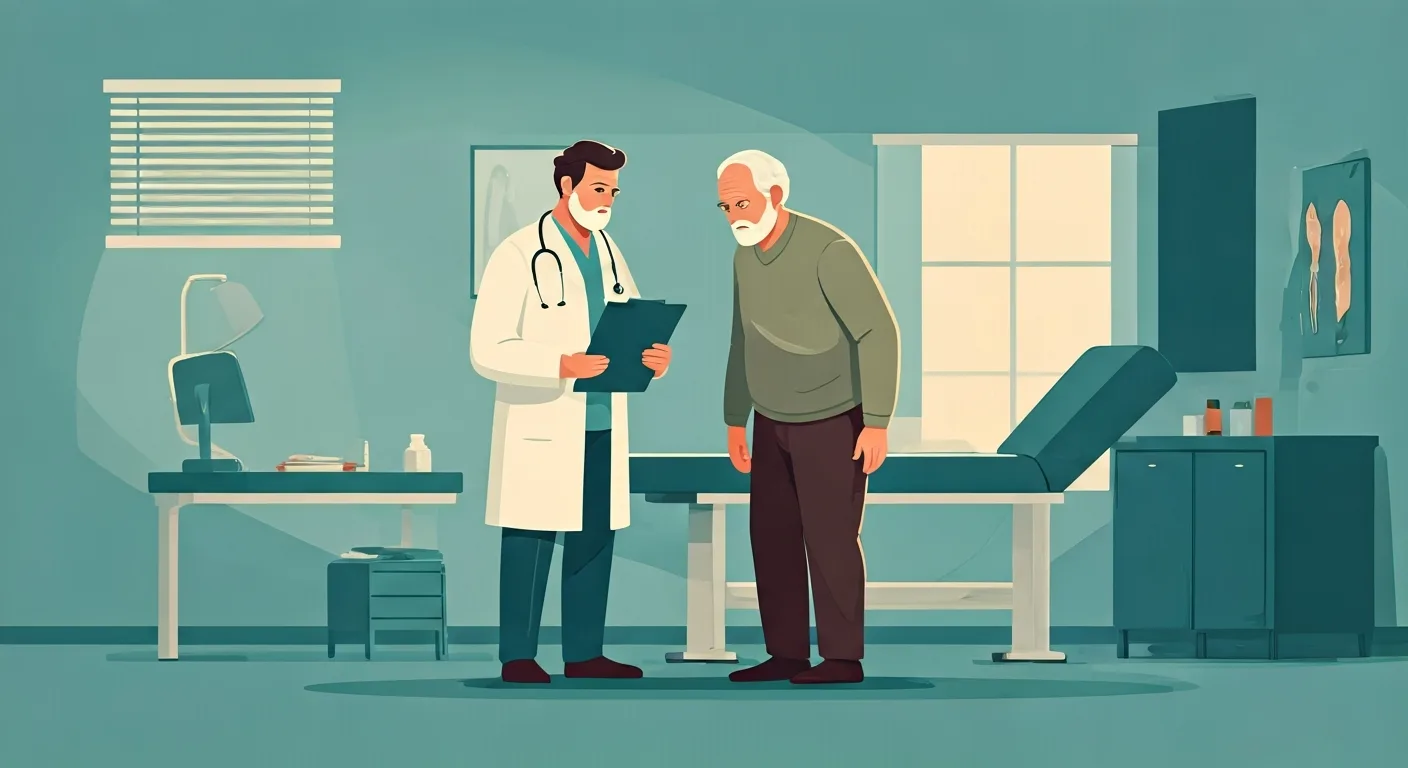
Provides comprehensive medical care to older adults, managing multiple chronic conditions and age-related decline. Coordinates care across specialties, assesses cognitive function, and works closely with families on treatment goals. Geriatricians focus on promoting health, preventing disease, and optimizing functional independence and quality of life for their patients.
Significantly improves the health, functional independence, and quality of life for older adults, often navigating complex medical conditions and social challenges. Reduces hospitalizations and enhances patient-centered care.
On the job
- Conduct comprehensive geriatric assessments including physical, mental, functional, and social status.
- Develop and implement individualized care plans, managing polypharmacy and complex chronic diseases.
- Coordinate care with other specialists, nurses, social workers, and family members.
- Provide palliative and end-of-life care, focusing on comfort and dignity.
- Educate patients and families on age-related health changes, disease prevention, and healthy aging strategies.
Tools & technology
Average salary
Job outlook
GrowingJob growth is expected to be above average over the next five years.
Education & training
Doctor of Medicine (MD) or Doctor of Osteopathic Medicine (DO) degree, followed by residency training in internal medicine or family medicine, and a fellowship in geriatric medicine.
AI impact outlook
Note — this is our current view. AI is moving fast, so we revisit these ratings.
Show how this was assessed Hide the detail
Note — this is our current view. AI is moving fast, so we revisit these ratings.
Show how this was assessed Hide the detailWhy this role received this rating
Core task exposure
low
How much of the role’s important work could AI perform?
While AI can assist with data synthesis and some assessment tools, the core task of holistic physical, mental, and social assessment requires significant human interaction and nuanced judgment.
End-to-end automation
low
Can AI complete the work without substantial human involvement?
The complexity of managing multiple chronic conditions, polypharmacy, and the profound need for human interaction in end-of-life care make full workflow automation extremely low.
Adoption pressure
moderate
How likely are employers to introduce AI into this work?
There is moderate adoption pressure for AI in areas like medication reconciliation and risk assessment, but less so for the core human-centric aspects of geriatric care.
Human dependence
strong
How much does success depend on human judgement, relationships and accountability?
Success is overwhelmingly dependent on empathetic patient and family communication, nuanced ethical decision-making for vulnerable populations, and building trust in long-term care relationships.
Protective — a higher rating lowers the overall score.
Role adaptability
strong
How easily can the role evolve as AI takes on more tasks?
The role can adapt by leveraging AI for data management and basic risk assessments, freeing up geriatricians to focus on complex decision-making, family counseling, and advanced care planning.
Shown for context — not part of the score.
What AI may take on
These are the parts of the role most likely to be automated or significantly accelerated.
- Reconciling complex medication lists for polypharmacy
- Synthesizing patient data for comprehensive geriatric assessments
- Identifying risk factors for falls or cognitive decline
- Drafting routine care plans for common chronic conditions
- Generating summaries of patient health trends
Where people remain essential
These parts continue to depend heavily on human judgement, relationships and accountability.
- Conducting sensitive conversations about end-of-life care
- Mediating family discussions about care goals and decisions
- Performing comprehensive physical and cognitive assessments
- Managing complex psychosocial factors affecting older adults
- Building long-term, trusting relationships with patients and families
- Adapting care plans to individual patient values and preferences
How the role may evolve
Holistic assessment remains human; administrative tasks get lighter.
Geriatricians will offload data analysis and routine administrative tasks to AI, allowing them to deepen their expertise in complex ethical dilemmas, family counseling, and providing truly person-centered care for older adults.
Strengthen your future fit
- Strengthening advanced communication skills for patient and family counseling
- Developing expertise in ethical decision-making in complex care scenarios
- Proficiency in interpreting and integrating AI-driven risk assessments
- Leadership in interdisciplinary care coordination
- Focus on promoting quality of life and functional independence
- Assessment horizon
- 3–7 years
- Confidence
- High
- Last reviewed
- August 2026
- Methodology
- v1.0
This assessment reflects current AI capabilities and expected adoption patterns. Actual impacts will vary by industry, employer and the way each role is performed.
Career pathways
WHERE YOU COULD GO
CURRENT ROLE
Geriatrician
Medical & Clinical
ADJACENT MOVES
STARTING POINTS
Who thrives here
Interest profile
investigative · ISR
People who enjoy complex problem-solving, empathetic patient interaction, and practical hands-on clinical work with older adults tend to thrive in this role.
Personality characteristics
Intellectually Curious
Continuously learning and adapting to new medical knowledge and patient needs in the complex field of geriatrics.
Meticulous
Highly organised and detail-oriented in patient care, documentation, and managing complex medication regimens.
Compassionate Communicator
Engages effectively with patients, families, and multidisciplinary teams, conveying complex information with empathy and clarity.
Empathetic
Deeply attuned to the emotional and physical needs of older adults, fostering trust and advocating for their well-being.
Composed
Maintains composure and clarity of thought when managing complex medical emergencies or difficult family discussions.
Best for
- Physicians passionate about improving the health and well-being of older adults.
- Individuals who thrive on solving complex, multidisciplinary medical challenges.
- Those who value building long-term, trusting relationships with patients and their support networks.
- Professionals committed to advocacy and holistic care for the elderly.
Watch out for
- Emotional demands can be high, dealing with chronic illness, cognitive decline, and end-of-life care.
- Requires continuous learning and adaptation to new research and treatment modalities in geriatric medicine.
- Can involve navigating complex ethical dilemmas and family dynamics in patient care decisions.
A week in the life
A representative working week for a Geriatrician — where the deep work, meetings, and admin actually land.
Real people. Real results.
Thousands of people
can't be wrong.



Frequently asked questions about Geriatrician roles
What does a Geriatrician do?
A Geriatrician provides comprehensive medical care to older adults, managing multiple chronic conditions and age-related decline. Coordinates care across specialties, assesses cognitive function, and works closely with families on treatment goals. Geriatricians focus on promoting health, preventing disease, and optimizing functional independence and quality of life for their patients. Significantly improves the health, functional independence, and quality of life for older adults, often navigating complex medical conditions and social challenges. Reduces hospitalizations and enhances patient-centered care.
How much does a Geriatrician earn?
A Geriatrician earns a median of $230,000 per year in the US, typically ranging from $180,000 to $280,000.
What qualifications do you need to become a Geriatrician?
To become a Geriatrician, doctor of Medicine (MD) or Doctor of Osteopathic Medicine (DO) degree, followed by residency training in internal medicine or family medicine, and a fellowship in geriatric medicine. Medical license in the state of practice.
What personality suits a Geriatrician?
Geriatrician roles tend to suit people who are highly conscientious — precise, organised and strong on follow-through (Conscientiousness 82/100) and warm and cooperative — tuned in to the people around them (Agreeableness 80/100). The traits that matter most in the role are Intellectually Curious, Meticulous, Compassionate Communicator and Empathetic. Continuously learning and adapting to new medical knowledge and patient needs in the complex field of geriatrics. On interests, Geriatrician maps to an ISR Holland Code profile — people who enjoy complex problem-solving, empathetic patient interaction, and practical hands-on clinical work with older adults tend to thrive in this role.
Who does a Geriatrician role suit?
A Geriatrician role is usually a strong fit for these reasons. High Investigative alignment: The role demands complex problem-solving and diagnostic skills for multifactorial conditions in older adults. Strong Social orientation: Requires deep empathy, communication, and collaboration with patients, families, and care teams. Values a Realistic approach: Involves direct clinical work, hands-on patient assessment, and practical care management.
What are the downsides of being a Geriatrician?
Geriatrician roles come with trade-offs worth weighing up. Emotional demands can be high, dealing with chronic illness, cognitive decline, and end-of-life care. Requires continuous learning and adaptation to new research and treatment modalities in geriatric medicine. Can involve navigating complex ethical dilemmas and family dynamics in patient care decisions.
What is the work environment like for a Geriatrician?
Work as a Geriatrician is mostly clinical-based with onsite arrangements common, semi-structured — a mix of set processes and self-directed work, a moderate pace and high exposure to clients or stakeholders. Around 21% of the week is focused deep work.
What skills do you need to be a Geriatrician?
Core skills for a Geriatrician include Geriatric assessment, Chronic disease management, Polypharmacy management, Communication with older adults and families, Care coordination and Palliative care principles.
How do you become a Geriatrician?
Common entry routes into Geriatrician roles include Internal Medicine Physician, Family Medicine Physician and Hospitalist.
What career progression is there for a Geriatrician?
From a Geriatrician role, common next steps include Chief of Geriatric Medicine and Medical Director of Aged Care Services; lateral moves include Palliative Care Physician.
What is the job outlook for Geriatrician roles?
The outlook for Geriatrician roles is currently rated growing. Job growth is expected to be above average over the next five years.
Will AI replace Geriatrician roles?
Traitstack rates automation risk for Geriatrician roles at 32 out of 100, which is low. The holistic assessment of older adults, including social context and ethical family discussions, is profoundly human-centric, even as AI assists with data synthesis and chronic disease management. AI is most likely to take on reconciling complex medication lists for polypharmacy, synthesizing patient data for comprehensive geriatric assessments and identifying risk factors for falls or cognitive decline. Conducting sensitive conversations about end-of-life care, mediating family discussions about care goals and decisions and performing comprehensive physical and cognitive assessments stay with people. Holistic assessment remains human; administrative tasks get lighter. That score measures how much of the work could change, not the likelihood the job disappears. It is Traitstack's current view, revisited as AI capability moves.