Geneticist
SOC 19-1029.03 · ESCO 2131
Role snapshot
Overview
Studies genes and heredity by conducting experiments, sequencing DNA, and analysing patterns of inheritance. Publishes research findings and may develop therapies or diagnostic tools for genetic conditions. This role involves meticulous lab work, complex data analysis, and contributing to scientific literature and medical advancements.
Advances understanding of life's fundamental building blocks, leading to breakthroughs in disease treatment, prevention, and agricultural improvement. Contributes to personalized medicine and genetic counseling.
On the job
- Design and execute experiments to study gene function, expression, and inheritance patterns.
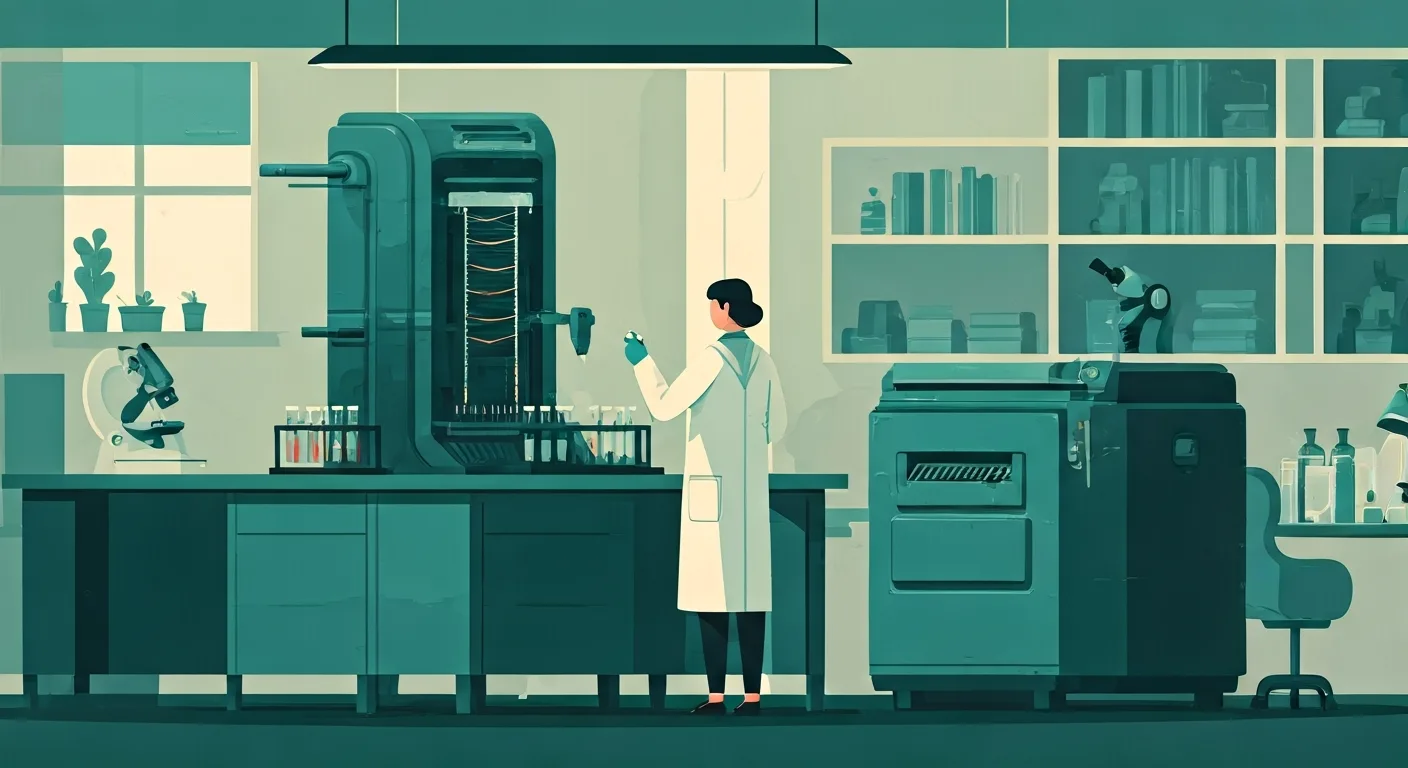
- Perform DNA sequencing, PCR, electrophoresis, and other molecular biology techniques.
- Analyze large datasets using bioinformatics tools to identify genetic variations and their implications.
- Prepare research findings for publication in scientific journals and present at conferences.
- Collaborate with interdisciplinary teams to translate research into clinical applications or new technologies.
Tools & technology
Average salary
Job outlook
GrowingJob growth is expected to be above average over the next five years.
Education & training
Typically requires a Ph.D. in Genetics, Molecular Biology, Biochemistry, or a related field. Postdoctoral research experience is often essential for advanced roles.
AI impact outlook
Note — this is our current view. AI is moving fast, so we revisit these ratings.
Show how this was assessed Hide the detail
Note — this is our current view. AI is moving fast, so we revisit these ratings.
Show how this was assessed Hide the detailWhy this role received this rating
Core task exposure
moderate
How much of the role’s important work could AI perform?
Analysis of large genetic datasets, bioinformatics tasks, and literature review are highly exposed to AI, but hands-on molecular biology remains less so.
End-to-end automation
low
Can AI complete the work without substantial human involvement?
AI can process and interpret vast genomic data, but the design of novel experiments, physical lab execution, and the clinical translation of findings require human insight.
Adoption pressure
high
How likely are employers to introduce AI into this work?
The field's reliance on large datasets and bioinformatics makes it highly susceptible to AI adoption for faster analysis and pattern recognition in genetic research.
Human dependence
strong
How much does success depend on human judgement, relationships and accountability?
Success depends on human judgment for designing novel genetic experiments, interpreting complex results, and translating discoveries into therapies or diagnostic tools.
Protective — a higher rating lowers the overall score.
Role adaptability
strong
How easily can the role evolve as AI takes on more tasks?
The role can adapt by focusing on advanced experimental design, complex data interpretation, and the clinical or applied aspects of genetic research, away from routine analysis.
Shown for context — not part of the score.
What AI may take on
These are the parts of the role most likely to be automated or significantly accelerated.
- Analyze large genomic datasets for genetic variations and disease associations
- Predict protein structure and function from gene sequences
- Design optimal CRISPR guide RNAs or gene therapy vectors
- Synthesize scientific literature for experimental design
- Automate quality control and processing of sequencing data
- Identify patterns in inheritance for diagnostic tool development
Where people remain essential
These parts continue to depend heavily on human judgement, relationships and accountability.
- Designing innovative molecular biology experiments and formulating hypotheses
- Executing complex wet-lab procedures (e.g., PCR, electrophoresis)
- Interpreting nuanced genetic data in clinical or biological context
- Ensuring ethical considerations in genetic research and applications
- Collaborating on interdisciplinary teams for clinical translation
- Securing grant funding and overseeing research projects
How the role may evolve
From data crunching to high-level genetic discovery and application.
The role will shift from routine data processing and analysis to more sophisticated experimental design, the interpretation of complex genetic interactions, and the ethical application of genetic knowledge in medicine or biotechnology.
Strengthen your future fit
- Advanced bioinformatics and computational genetics
- Critical interpretation of AI-generated insights
- Expertise in experimental design and molecular biology techniques
- Understanding of ethical and societal implications of genetics
- Strong communication for interdisciplinary and public engagement
- Assessment horizon
- 3–7 years
- Confidence
- High
- Last reviewed
- August 2026
- Methodology
- v1.0
This assessment reflects current AI capabilities and expected adoption patterns. Actual impacts will vary by industry, employer and the way each role is performed.
Career pathways
WHERE YOU COULD GO
CURRENT ROLE
Geneticist
Research & Academia
ADJACENT MOVES
STARTING POINTS
Who thrives here
Interest profile
investigative · ICR
People who enjoy in-depth investigation, systematic problem-solving, and hands-on scientific work tend to thrive as geneticists. This role demands intellectual curiosity and meticulous adherence to protocols.
Personality characteristics
Inquisitive
Possesses a strong desire to explore complex biological questions and uncover new scientific knowledge.
Meticulous
Demonstrates exceptional attention to detail in experimental procedures and data analysis, ensuring accuracy and reproducibility.
Independent
Comfortable with extended periods of focused, solitary work in the lab or during data analysis.
Collaborative
Works effectively with research teams, sharing insights and contributing to collective scientific goals.
Resilient
Maintains composure and persistence when experiments fail or research yields unexpected results.
Analytical
Naturally inclined to break down complex problems, interpret data, and draw logical conclusions.
Best for
- Individuals with a deep passion for understanding the genetic basis of life and disease.
- Scientists who enjoy hands-on experimental work combined with advanced data analysis and interpretation.
Watch out for
- The role involves significant time in a laboratory setting, which may not suit those preferring purely theoretical or office-based work.
- Research can involve long-term projects with delayed gratification and frequent experimental setbacks.
A week in the life
A representative working week for a Geneticist — where the deep work, meetings, and admin actually land.
Real people. Real results.
Thousands of people
can't be wrong.




Frequently asked questions about Geneticist roles
What does a Geneticist do?
A Geneticist studies genes and heredity by conducting experiments, sequencing DNA, and analysing patterns of inheritance. Publishes research findings and may develop therapies or diagnostic tools for genetic conditions. This role involves meticulous lab work, complex data analysis, and contributing to scientific literature and medical advancements. Advances understanding of life's fundamental building blocks, leading to breakthroughs in disease treatment, prevention, and agricultural improvement. Contributes to personalized medicine and genetic counseling.
How much does a Geneticist earn?
A Geneticist earns a median of $110,000 per year in the US, typically ranging from $75,000 to $160,000.
What qualifications do you need to become a Geneticist?
To become a Geneticist, typically requires a Ph.D. in Genetics, Molecular Biology, Biochemistry, or a related field. Postdoctoral research experience is often essential for advanced roles.
What personality suits a Geneticist?
Geneticist roles tend to suit people who are highly conscientious — precise, organised and strong on follow-through (Conscientiousness 85/100) and open and curious — drawn to variety, ideas and new approaches (Openness 82/100). The traits that matter most in the role are Inquisitive, Meticulous, Independent and Collaborative. Possesses a strong desire to explore complex biological questions and uncover new scientific knowledge. On interests, Geneticist maps to an ICR Holland Code profile — people who enjoy in-depth investigation, systematic problem-solving, and hands-on scientific work tend to thrive as geneticists. This role demands intellectual curiosity and meticulous adherence to protocols.
Who does a Geneticist role suit?
A Geneticist role is usually a strong fit for these reasons. High Investigative (I) affinity, aligning with the core research and analytical demands of the role. The work pattern is dominated by deep work, ideal for individuals who thrive on focused scientific inquiry. Strong emphasis on meticulous experimental work and data analysis aligns with a high Conventional (C) and Realistic (R) interest.
What are the downsides of being a Geneticist?
Geneticist roles come with trade-offs worth weighing up. The role involves significant time in a laboratory setting, which may not suit those preferring purely theoretical or office-based work. Research can involve long-term projects with delayed gratification and frequent experimental setbacks.
What is the work environment like for a Geneticist?
Work as a Geneticist is mostly lab-based with onsite arrangements common, semi-structured — a mix of set processes and self-directed work, a moderate pace and medium exposure to clients or stakeholders. Around 65% of the week is focused deep work.
What skills do you need to be a Geneticist?
Core skills for a Geneticist include Molecular biology techniques, Bioinformatics, Statistical analysis, Experimental design, Scientific writing and Critical thinking.
How do you become a Geneticist?
Common entry routes into Geneticist roles include Postdoctoral Researcher, Research Associate Molecular Biology and Lab Manager.
What career progression is there for a Geneticist?
From a Geneticist role, common next steps include Senior Geneticist and Principal Investigator (PI); lateral moves include Bioinformatics Scientist and Clinical Geneticist.
What is the job outlook for Geneticist roles?
The outlook for Geneticist roles is currently rated growing. Job growth is expected to be above average over the next five years.
Will AI replace Geneticist roles?
Traitstack rates automation risk for Geneticist roles at 52 out of 100, which is moderate. AI accelerates bioinformatics and genetic variation analysis, allowing geneticists to concentrate on designing novel experiments, interpreting complex findings, and developing therapies. AI is most likely to take on analyze large genomic datasets for genetic variations and disease associations, predict protein structure and function from gene sequences and design optimal crispr guide rnas or gene therapy vectors. Designing innovative molecular biology experiments and formulating hypotheses, executing complex wet-lab procedures (e.g., pcr, electrophoresis) and interpreting nuanced genetic data in clinical or biological context stay with people. From data crunching to high-level genetic discovery and application. That score measures how much of the work could change, not the likelihood the job disappears. It is Traitstack's current view, revisited as AI capability moves.