Gastroenterologist
SOC 29-1216.00 · ESCO 2212 · OSCA 264334
Role snapshot
Overview
Investigates and treats disorders of the digestive system, including the stomach, intestines, liver, and pancreas. Performs advanced diagnostic and therapeutic endoscopic procedures, interprets complex imaging and pathology results, and manages chronic conditions like inflammatory bowel disease, irritable bowel syndrome, and liver diseases. Provides comprehensive patient care, from diagnosis to long-term management and preventative strategies.
Significantly improves patients' quality of life by diagnosing and treating complex digestive and liver conditions, preventing serious complications, and offering long-term management strategies.
On the job
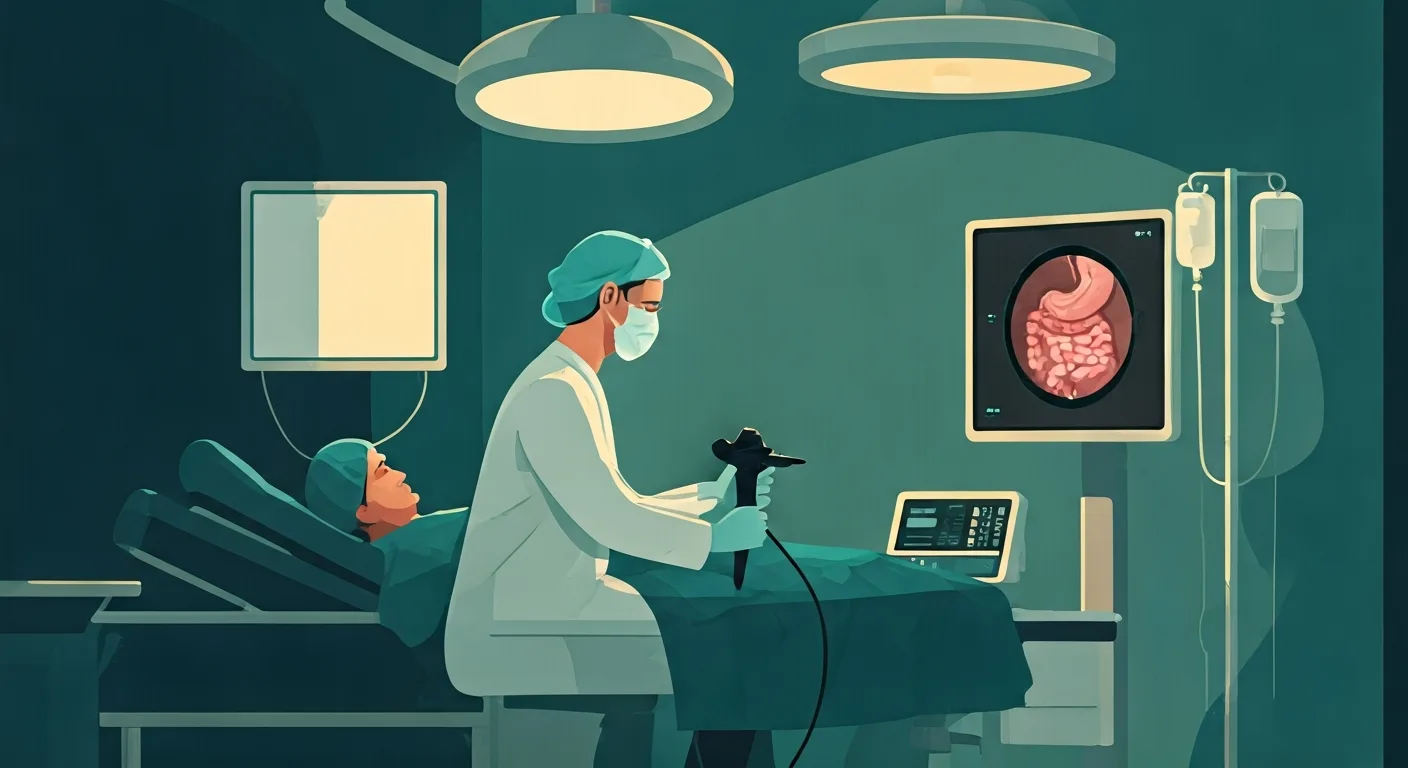
- Perform diagnostic and therapeutic endoscopic procedures such as colonoscopy, gastroscopy, and ERCP.
- Diagnose and manage chronic conditions including Crohn's disease, ulcerative colitis, celiac disease, and hepatitis.
- Interpret laboratory results, imaging studies (e.g., CT, MRI), and pathology reports to formulate treatment plans.
- Consult with patients, explain diagnoses, discuss treatment options, and provide ongoing medical care.
- Collaborate with other specialists, including surgeons, oncologists, and dietitians, for multidisciplinary patient management.
Tools & technology
Average salary
Job outlook
GrowingJob growth is expected to be above average over the next five years.
Education & training
Extensive education including medical school, residency in Internal Medicine, and a fellowship in Gastroenterology.
AI impact outlook
Note — this is our current view. AI is moving fast, so we revisit these ratings.
Show how this was assessed Hide the detail
Note — this is our current view. AI is moving fast, so we revisit these ratings.
Show how this was assessed Hide the detailWhy this role received this rating
Core task exposure
moderate
How much of the role’s important work could AI perform?
AI can assist in interpreting complex imaging and pathology, analyzing lab results, and identifying patterns for diagnosis in digestive disorders.
End-to-end automation
low
Can AI complete the work without substantial human involvement?
Endoscopic procedures, nuanced patient consultations, and the management of chronic, often sensitive, conditions prevent end-to-end automation.
Adoption pressure
high
How likely are employers to introduce AI into this work?
High pressure to adopt AI for improving diagnostic accuracy in image analysis and streamlining reporting within gastroenterology practices.
Human dependence
strong
How much does success depend on human judgement, relationships and accountability?
Success depends on the gastroenterologist's procedural skills, interpretation of subtle findings, and empathetic management of sensitive patient issues.
Protective — a higher rating lowers the overall score.
Role adaptability
strong
How easily can the role evolve as AI takes on more tasks?
This role is highly adaptable, integrating new endoscopic techniques, pharmacological treatments, and diagnostic modalities.
Shown for context — not part of the score.
What AI may take on
These are the parts of the role most likely to be automated or significantly accelerated.
- Automated analysis of imaging studies (CT, MRI) for digestive pathologies
- Interpreting complex lab and pathology reports for diagnostic patterns
- Identifying optimal treatment pathways based on disease guidelines
- Assisting during endoscopy by highlighting suspicious areas (CADe/CADx)
- Generating comprehensive patient reports and summaries
Where people remain essential
These parts continue to depend heavily on human judgement, relationships and accountability.
- Performing advanced diagnostic and therapeutic endoscopic procedures
- Diagnosing rare or complex digestive disorders with subtle presentations
- Counseling patients on lifestyle changes and managing chronic conditions
- Building trust and rapport when discussing sensitive health issues
- Collaborating with multidisciplinary teams for complex patient care
- Managing acute gastrointestinal emergencies and complications
How the role may evolve
Procedure mastery and complex care management, supported by intelligent diagnostics.
Gastroenterologists will increasingly focus on mastering advanced procedures and complex patient management, with AI handling much of the diagnostic data interpretation.
Strengthen your future fit
- Mastering advanced endoscopic techniques and interventional procedures
- Proficiency in AI-assisted diagnostic imaging and data analysis
- Developing strong communication skills for sensitive patient discussions
- Focusing on complex inflammatory bowel disease and liver management
- Assessment horizon
- 3–7 years
- Confidence
- High
- Last reviewed
- August 2026
- Methodology
- v1.0
This assessment reflects current AI capabilities and expected adoption patterns. Actual impacts will vary by industry, employer and the way each role is performed.
Career pathways
WHERE YOU COULD GO
CURRENT ROLE
Gastroenterologist
Medical & Clinical
ADJACENT MOVES
STARTING POINTS
Who thrives here
Interest profile
investigative · ISR
Individuals who enjoy scientific investigation, direct patient care, and applying practical medical skills to diagnose and treat complex conditions are well-suited for this role.
Personality characteristics
Inquisitive
Possesses a strong curiosity to understand complex biological processes and disease mechanisms.
Methodical
Follows rigorous diagnostic protocols and treatment guidelines, ensuring thorough and precise patient care.
Empathetic
Connects with patients, understands their concerns, and communicates sensitive information with compassion.
Composed
Maintains calm and objective judgment during high-pressure situations or medical emergencies.
Decisive
Makes critical diagnostic and treatment decisions efficiently, often under time constraints.
Best for
- Physicians who thrive on intellectual challenge and performing precise, technical procedures.
- Individuals dedicated to long-term patient relationships and improving digestive health.
- Those who prefer a blend of clinical practice, diagnostic work, and potential research involvement.
Watch out for
- Demanding schedule often includes on-call duties and occasional weekend work.
- Requires emotional resilience to manage challenging patient outcomes and chronic illnesses.
A week in the life
A representative working week for a Gastroenterologist — where the deep work, meetings, and admin actually land.
Real people. Real results.
Thousands of people
can't be wrong.



Frequently asked questions about Gastroenterologist roles
What does a Gastroenterologist do?
A Gastroenterologist investigates and treats disorders of the digestive system, including the stomach, intestines, liver, and pancreas. Performs advanced diagnostic and therapeutic endoscopic procedures, interprets complex imaging and pathology results, and manages chronic conditions like inflammatory bowel disease, irritable bowel syndrome, and liver diseases. Provides comprehensive patient care, from diagnosis to long-term management and preventative strategies. Significantly improves patients' quality of life by diagnosing and treating complex digestive and liver conditions, preventing serious complications, and offering long-term management strategies.
How much does a Gastroenterologist earn?
A Gastroenterologist earns a median of $350,000 per year in the US, typically ranging from $250,000 to $500,000.
What qualifications do you need to become a Gastroenterologist?
To become a Gastroenterologist, extensive education including medical school, residency in Internal Medicine, and a fellowship in Gastroenterology. Medical License (State-specific).
What personality suits a Gastroenterologist?
Gastroenterologist roles tend to suit people who are highly conscientious — precise, organised and strong on follow-through (Conscientiousness 85/100) and warm and cooperative — tuned in to the people around them (Agreeableness 68/100). The traits that matter most in the role are Inquisitive, Methodical, Empathetic and Composed. Possesses a strong curiosity to understand complex biological processes and disease mechanisms. On interests, Gastroenterologist maps to an ISR Holland Code profile — individuals who enjoy scientific investigation, direct patient care, and applying practical medical skills to diagnose and treat complex conditions are well-suited for this role.
Who does a Gastroenterologist role suit?
A Gastroenterologist role is usually a strong fit for these reasons. High Investigative (I) and Social (S) alignment, combining scientific diagnosis with direct patient care. Requires strong Conscientiousness (C) for meticulous procedures and adherence to medical standards. Offers significant opportunities for continuous learning and problem-solving in complex medical cases.
What are the downsides of being a Gastroenterologist?
Gastroenterologist roles come with trade-offs worth weighing up. Demanding schedule often includes on-call duties and occasional weekend work. Requires emotional resilience to manage challenging patient outcomes and chronic illnesses.
What is the work environment like for a Gastroenterologist?
Work as a Gastroenterologist is mostly clinical-based with onsite arrangements common, semi-structured — a mix of set processes and self-directed work and high exposure to clients or stakeholders. Around 39% of the week is focused deep work.
What skills do you need to be a Gastroenterologist?
Core skills for a Gastroenterologist include Diagnostic endoscopy, Therapeutic endoscopy, Differential diagnosis, Medical management of GI diseases, Patient communication and Interdisciplinary collaboration.
How do you become a Gastroenterologist?
Common entry routes into Gastroenterologist roles include Medical Student, Internal Medicine Resident and Gastroenterology Fellow.
What career progression is there for a Gastroenterologist?
From a Gastroenterologist role, common next steps include Senior Gastroenterologist, Chief of Gastroenterology and Academic Gastroenterologist; lateral moves include Interventional Endoscopist.
What is the job outlook for Gastroenterologist roles?
The outlook for Gastroenterologist roles is currently rated growing. Job growth is expected to be above average over the next five years.
Will AI replace Gastroenterologist roles?
Traitstack rates automation risk for Gastroenterologist roles at 41 out of 100, which is moderate. Enhanced diagnostic interpretation and data analysis through AI will allow gastroenterologists to focus expertise on advanced endoscopic procedures, complex case management, and sensitive patient communication. AI is most likely to take on automated analysis of imaging studies (ct, mri) for digestive pathologies, interpreting complex lab and pathology reports for diagnostic patterns and identifying optimal treatment pathways based on disease guidelines. Performing advanced diagnostic and therapeutic endoscopic procedures, diagnosing rare or complex digestive disorders with subtle presentations and counseling patients on lifestyle changes and managing chronic conditions stay with people. Procedure mastery and complex care management, supported by intelligent diagnostics. That score measures how much of the work could change, not the likelihood the job disappears. It is Traitstack's current view, revisited as AI capability moves.