Forensic Science Technician
SOC 19-4092.00 · ESCO 2145
Role snapshot
Overview
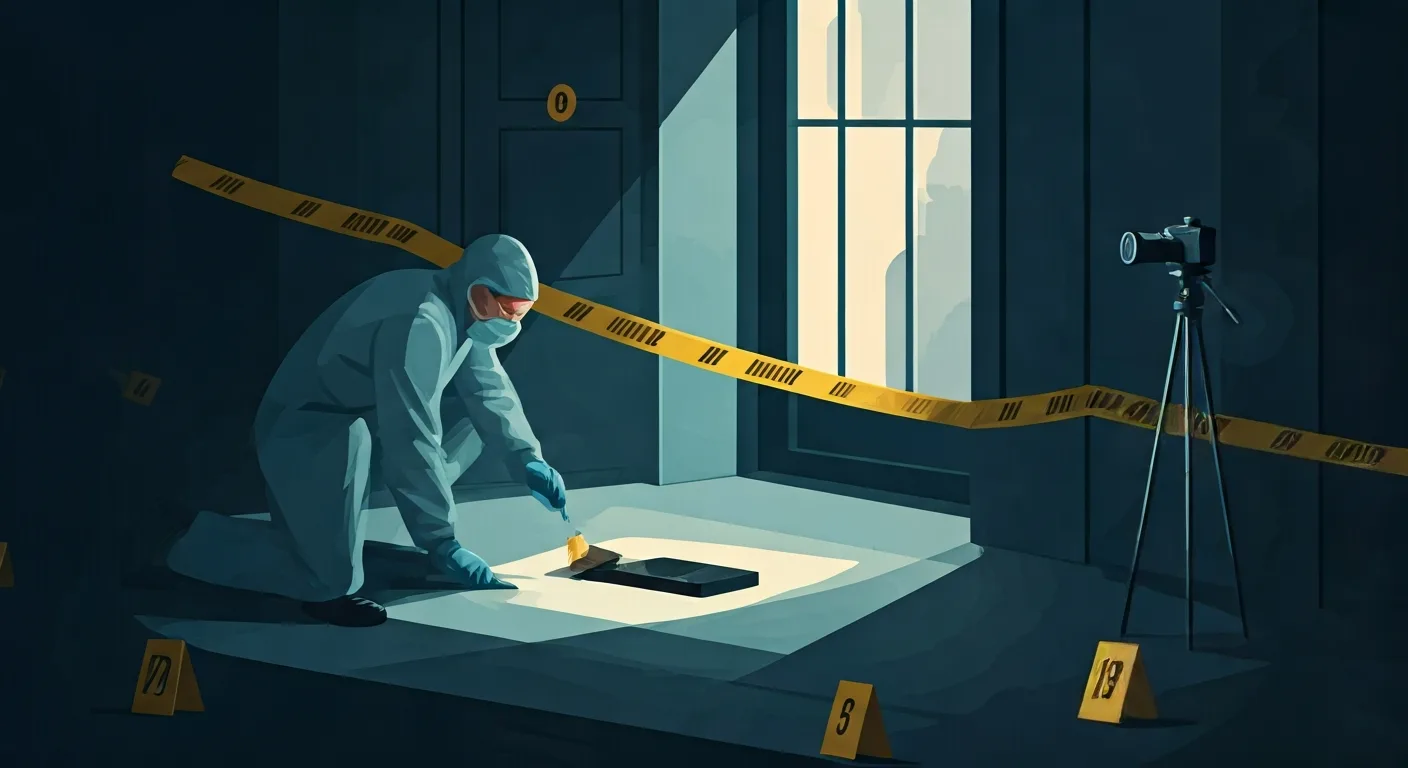
Collects and analyses physical evidence from crime scenes, such as fingerprints, DNA, and trace materials. Prepares detailed reports and may testify in court about findings and laboratory methods. This role requires meticulous attention to detail, strong analytical skills, and adherence to strict protocols to ensure the integrity of evidence for legal proceedings.
Provides crucial scientific evidence to legal investigations, helping to solve crimes, identify perpetrators, and ensure justice by accurately identifying and analyzing physical traces.
On the job
- Collect, preserve, and package physical evidence from crime scenes following strict chain-of-custody protocols.
- Perform laboratory analysis on various types of evidence, including DNA, fingerprints, trace materials, and ballistics.
- Document findings meticulously through written reports, sketches, photography, and digital records.
- Operate and maintain specialized forensic equipment such as chromatographs, spectrometers, and microscopes.
- Prepare comprehensive reports detailing analytical results and methodologies for use in legal proceedings.
- Testify as an expert witness in court regarding evidence collection, laboratory findings, and analytical methods.
Tools & technology
Average salary
Job outlook
StableDemand is steady. This is an established role with consistent hiring across sectors.
Education & training
A bachelor's degree in forensic science, chemistry, biology, or a closely related natural science field is typically required.
AI impact outlook
Note — this is our current view. AI is moving fast, so we revisit these ratings.
Show how this was assessed Hide the detail
Note — this is our current view. AI is moving fast, so we revisit these ratings.
Show how this was assessed Hide the detailWhy this role received this rating
Core task exposure
high
How much of the role’s important work could AI perform?
Laboratory analysis on DNA, fingerprints, and trace materials, along with meticulous documentation, are highly exposed to AI for pattern recognition and data processing.
End-to-end automation
low
Can AI complete the work without substantial human involvement?
While instruments automate tests, human expertise is crucial for interpreting ambiguous results, ensuring chain of custody, and providing expert testimony in court.
Adoption pressure
high
How likely are employers to introduce AI into this work?
The demand for accuracy, speed, and cost-efficiency in forensic labs will drive rapid adoption of AI-enhanced analysis.
Human dependence
strong
How much does success depend on human judgement, relationships and accountability?
The integrity of evidence, strict adherence to chain-of-custody protocols, and the ability to defend findings under legal scrutiny are critically human responsibilities.
Protective — a higher rating lowers the overall score.
Role adaptability
moderate
How easily can the role evolve as AI takes on more tasks?
Adaptability involves mastering new analytical techniques and instruments, but the fundamental role in evidence handling and scientific analysis remains stable.
Shown for context — not part of the score.
What AI may take on
These are the parts of the role most likely to be automated or significantly accelerated.
- Perform routine laboratory analysis on DNA, fingerprints, and trace materials
- Process data from specialized forensic equipment (GC-MS, FTIR)
- Document findings meticulously through written reports and digital records
- Analyze patterns in large datasets of forensic evidence
- Assist in preparing comprehensive reports detailing analytical results
Where people remain essential
These parts continue to depend heavily on human judgement, relationships and accountability.
- Collecting and preserving physical evidence from complex crime scenes
- Adapting collection protocols to unique and challenging environments
- Maintaining strict chain-of-custody protocols to ensure evidence integrity
- Interpreting ambiguous or novel forensic findings
- Testifying as an expert witness in court regarding methodology and results
- Troubleshooting equipment malfunctions and unexpected analytical issues
How the role may evolve
Lab efficiency rises. Legal accountability remains human.
The technician will leverage AI for faster and more accurate lab processing, shifting their focus to critical decision-making at crime scenes and the high-stakes responsibility of court testimony.
Strengthen your future fit
- Master advanced crime scene investigation techniques
- Develop strong courtroom presentation and testimony skills
- Gain expertise in digital forensics and cybercrime evidence
- Focus on ethical considerations in evidence interpretation
- Enhance critical thinking for complex case analysis
- Assessment horizon
- 3–7 years
- Confidence
- High
- Last reviewed
- August 2026
- Methodology
- v1.0
This assessment reflects current AI capabilities and expected adoption patterns. Actual impacts will vary by industry, employer and the way each role is performed.
Career pathways
WHERE YOU COULD GO
CURRENT ROLE
Forensic Science Technician
Research & Academia
ADJACENT MOVES
STARTING POINTS
Who thrives here
Interest profile
investigative · IRC
People who enjoy detailed scientific investigation, practical application of scientific methods, and meticulous adherence to procedures tend to thrive in this role.
Personality characteristics
Detail-oriented
Possesses an exceptional ability to notice minute details and maintain accuracy in evidence handling and analysis.
Investigative
Driven by a desire to understand complex problems and uncover facts through systematic scientific inquiry.
Methodical
Follows established procedures and protocols precisely to ensure the integrity and reliability of evidence.
Objective
Maintains impartiality and bases conclusions strictly on scientific evidence, even when faced with emotional situations.
Resilient
Can handle exposure to graphic crime scenes and emotionally charged situations while remaining focused on the task.
Practical
Skilled in hands-on tasks, operating specialized equipment, and working effectively in varied physical environments.
Best for
- Individuals who thrive on scientific investigation, meticulous detail, and contributing to justice.
- Those who are comfortable with structured, protocol-driven work and can maintain objectivity and precision under pressure.
- People who enjoy a mix of laboratory analysis, field work, and formal documentation.
Watch out for
- Exposure to traumatic or disturbing crime scenes can be emotionally challenging and requires strong emotional resilience.
- The work is highly procedural and requires strict adherence to rules, which may not suit those who prefer more creative freedom or less structure.
A week in the life
A representative working week for a Forensic Science Technician — where the deep work, meetings, and admin actually land.
Real people. Real results.
Thousands of people
can't be wrong.




Frequently asked questions about Forensic Science Technician roles
What does a Forensic Science Technician do?
A Forensic Science Technician collects and analyses physical evidence from crime scenes, such as fingerprints, DNA, and trace materials. Prepares detailed reports and may testify in court about findings and laboratory methods. This role requires meticulous attention to detail, strong analytical skills, and adherence to strict protocols to ensure the integrity of evidence for legal proceedings. Provides crucial scientific evidence to legal investigations, helping to solve crimes, identify perpetrators, and ensure justice by accurately identifying and analyzing physical traces.
How much does a Forensic Science Technician earn?
A Forensic Science Technician earns a median of $70,000 per year in the US, typically ranging from $50,000 to $95,000.
What qualifications do you need to become a Forensic Science Technician?
To become a Forensic Science Technician, a bachelor's degree in forensic science, chemistry, biology, or a closely related natural science field is typically required.
What personality suits a Forensic Science Technician?
Forensic Science Technician roles tend to suit people who are highly conscientious — precise, organised and strong on follow-through (Conscientiousness 88/100) and steady under pressure — deadlines and setbacks do not rattle them easily (Emotional Stability 70/100). The traits that matter most in the role are Detail-oriented, Investigative, Methodical and Objective. Possesses an exceptional ability to notice minute details and maintain accuracy in evidence handling and analysis. On interests, Forensic Science Technician maps to an IRC Holland Code profile — people who enjoy detailed scientific investigation, practical application of scientific methods, and meticulous adherence to procedures tend to thrive in this role.
Who does a Forensic Science Technician role suit?
A Forensic Science Technician role is usually a strong fit for these reasons. High Investigative and Realistic scores indicate a strong fit for scientific, hands-on problem-solving and evidence analysis. The role demands extreme conscientiousness, aligning with a high C score, which is crucial for accuracy and protocol adherence. Work involves tangible outcomes and direct contribution to legal processes, appealing to those motivated by justice and public safety.
What are the downsides of being a Forensic Science Technician?
Forensic Science Technician roles come with trade-offs worth weighing up. Exposure to traumatic or disturbing crime scenes can be emotionally challenging and requires strong emotional resilience. The work is highly procedural and requires strict adherence to rules, which may not suit those who prefer more creative freedom or less structure.
What is the work environment like for a Forensic Science Technician?
Work as a Forensic Science Technician is mostly mixed-based with onsite arrangements common, highly structured, with set processes and deadlines, a moderate pace and high exposure to clients or stakeholders. Around 49% of the week is focused deep work.
What skills do you need to be a Forensic Science Technician?
Core skills for a Forensic Science Technician include Evidence collection and preservation, Forensic laboratory analysis, Scientific report writing, Analytical chemistry techniques, Expert witness testimony and Crime scene processing.
How do you become a Forensic Science Technician?
Common entry routes into Forensic Science Technician roles include Laboratory Assistant, Research Technician and Police Officer.
What career progression is there for a Forensic Science Technician?
From a Forensic Science Technician role, common next steps include Senior Forensic Scientist and Forensic Laboratory Manager; lateral moves include Crime Scene Analyst and Forensic Anthropologist.
What is the job outlook for Forensic Science Technician roles?
The outlook for Forensic Science Technician roles is currently rated stable. Demand is steady. This is an established role with consistent hiring across sectors.
Will AI replace Forensic Science Technician roles?
Traitstack rates automation risk for Forensic Science Technician roles at 53 out of 100, which is moderate. Automated lab analysis will speed up evidence processing; however, the integrity of evidence handling and expert testimony for legal proceedings still requires human judgment. AI is most likely to take on perform routine laboratory analysis on dna, fingerprints, and trace materials, process data from specialized forensic equipment (gc-ms, ftir) and document findings meticulously through written reports and digital records. Collecting and preserving physical evidence from complex crime scenes, adapting collection protocols to unique and challenging environments and maintaining strict chain-of-custody protocols to ensure evidence integrity stay with people. Lab efficiency rises. Legal accountability remains human. That score measures how much of the work could change, not the likelihood the job disappears. It is Traitstack's current view, revisited as AI capability moves.