Dancer
SOC 27-2031.00 · ESCO 2653
Role snapshot
Overview
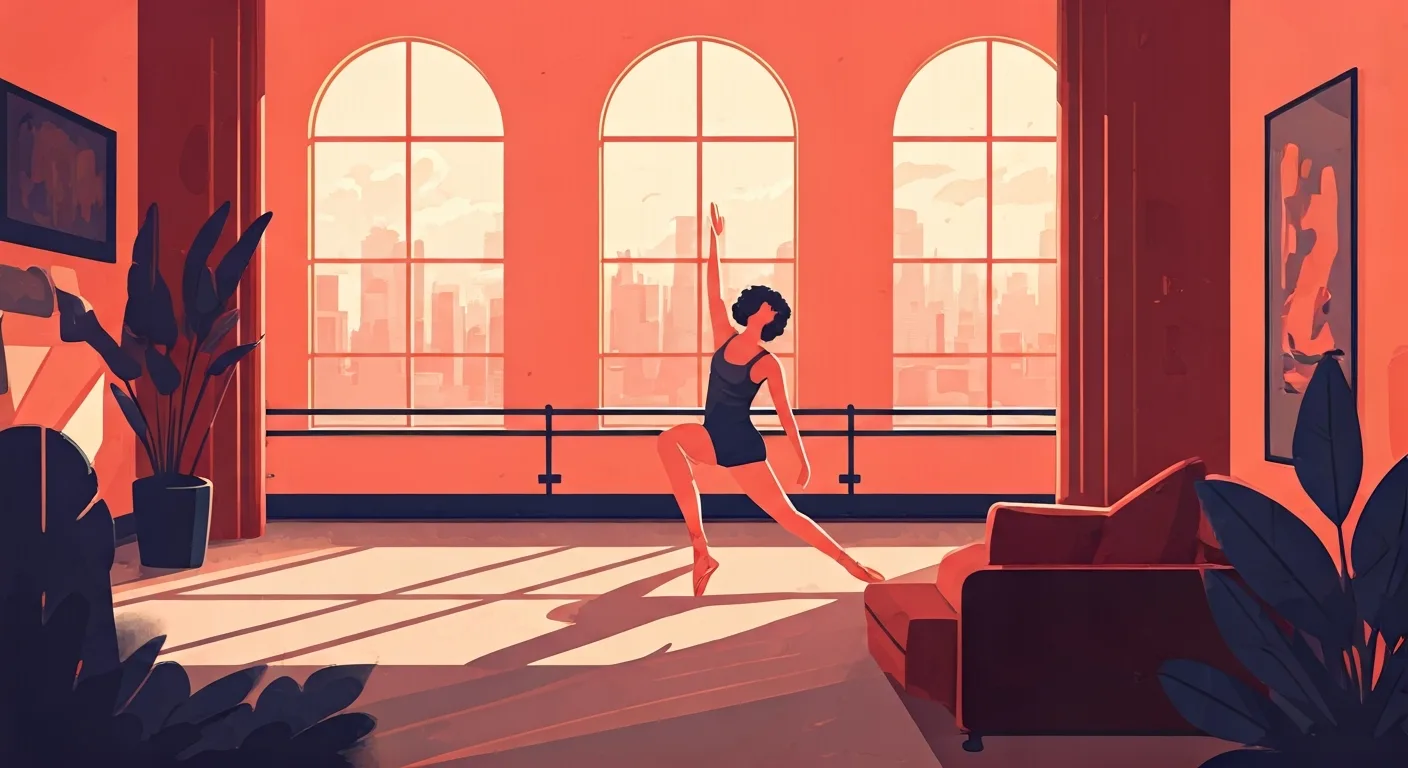
Dancers bring stories, emotions, and concepts to life through movement. They rehearse choreography for hours, perform on stage or in front of cameras, and maintain peak physical condition. Their work demands exceptional discipline, artistry, and physical prowess. Auditions, cross-training, and collaborating with choreographers and fellow performers shape an unpredictable but rewarding schedule, often involving extensive travel and varying work environments.
Dancers enrich cultural life, inspire audiences, and contribute to artistic expression. They communicate non-verbally, preserve traditional forms, and push the boundaries of movement, often shaping public perception and emotional connection to various art forms and narratives.
On the job
- Participate in daily physical conditioning and technique classes to maintain peak performance and prevent injury.
- Attend and actively engage in rehearsals, learning and refining complex choreography under direction.
- Perform live on stage, in films, or for other media, conveying emotion and narrative through precise movement.
- Collaborate with choreographers, directors, and other performers to achieve a unified artistic vision.
- Audition for new roles and projects, adapting to various styles and demands from different productions.
Tools & technology
Average salary
Job outlook
StableDemand is steady. This is an established role with consistent hiring across sectors.
Education & training
Vocational training from conservatories, diplomas from specialized dance programs, or bachelor's degrees in performing arts, dance, or choreography are common pathways for dancers.
AI impact outlook
Note — this is our current view. AI is moving fast, so we revisit these ratings.
Show how this was assessed Hide the detail
Note — this is our current view. AI is moving fast, so we revisit these ratings.
Show how this was assessed Hide the detailWhy this role received this rating
Core task exposure
low
How much of the role’s important work could AI perform?
The core tasks of physical performance, artistic expression, and maintaining peak physical condition are almost entirely human-dependent.
End-to-end automation
low
Can AI complete the work without substantial human involvement?
AI cannot physically perform dance routines or embody the human emotion required, making end-to-end automation impossible for live performance.
Adoption pressure
low
How likely are employers to introduce AI into this work?
Adoption pressure for AI is very low, primarily limited to training analysis, choreography visualization, or administrative tasks.
Human dependence
strong
How much does success depend on human judgement, relationships and accountability?
Success relies almost entirely on elite physical skill, artistic interpretation, emotional conveyance, and the unique connection with an audience.
Protective — a higher rating lowers the overall score.
Role adaptability
moderate
How easily can the role evolve as AI takes on more tasks?
The fundamental physical and artistic nature of dance limits its adaptability to technological shifts in its core performance aspect.
Shown for context — not part of the score.
What AI may take on
These are the parts of the role most likely to be automated or significantly accelerated.
- Analyze biomechanics for injury prevention and technique improvement
- Generate virtual dance sequences for pre-visualization
- Manage audition schedules and performance logistics
- Create personalized conditioning plans
Where people remain essential
These parts continue to depend heavily on human judgement, relationships and accountability.
- Performing complex choreography with precision and artistry
- Conveying emotion and narrative through physical movement
- Maintaining peak physical condition and injury prevention
- Collaborating with choreographers and fellow performers
- Connecting with live audiences on an emotional level
How the role may evolve
The physical performance remains paramount, augmented by data-driven training insights.
Dancers will continue to be defined by their physical abilities and artistry, using AI for advanced training analytics and administrative support, but remaining the sole performers.
Strengthen your future fit
- Mastery of various dance techniques
- Artistic interpretation and emotional expression
- Physical resilience and injury management
- Collaboration and adaptability in diverse productions
- Understanding of biomechanics and data-driven training
- Assessment horizon
- 3–7 years
- Confidence
- High
- Last reviewed
- August 2026
- Methodology
- v1.0
This assessment reflects current AI capabilities and expected adoption patterns. Actual impacts will vary by industry, employer and the way each role is performed.
Career pathways
WHERE YOU COULD GO
CURRENT ROLE
Dancer
Entertainment & Media
ADJACENT MOVES
STARTING POINTS
Who thrives here
Interest profile
artistic · ARS
Individuals who thrive on artistic expression, physical activity, and engaging with others through performance will find this role fulfilling. It combines rigorous physical demands with creative interpretation and collaborative social interaction.
Personality characteristics
Creative Explorer
Constantly seeks new forms of expression and embraces diverse artistic styles to convey emotion and narrative.
Disciplined Performer
Dedicated to rigorous physical practice, technique refinement, and meticulous execution of choreography.
Engaging Presence
Enjoys performing for audiences and collaborating closely with a team to create a cohesive artistic experience.
Collaborative Team Player
Works harmoniously with choreographers, directors, and fellow dancers, receptive to feedback for collective success.
Emotionally Resilient
Manages the physical and emotional pressures of performance, auditions, and an unpredictable career path with composure.
Best for
- Individuals passionate about physical storytelling and pushing the boundaries of human movement.
- Those who thrive in collaborative, high-pressure performance environments and embrace continuous learning.
- People who are highly disciplined, resilient, and dedicated to a rigorous artistic practice and lifestyle.
Watch out for
- The career path is highly competitive and often unpredictable, with varied income and job security.
- Demands intense physical training and can lead to injuries or burnout, requiring constant self-care.
- Requires frequent travel and irregular hours, including evenings, weekends, and holidays for performances.
A week in the life
A representative working week for a Dancer — where the deep work, meetings, and admin actually land.
Real people. Real results.
Thousands of people
can't be wrong.


Frequently asked questions about Dancer roles
What does a Dancer do?
A Dancer dancers bring stories, emotions, and concepts to life through movement. They rehearse choreography for hours, perform on stage or in front of cameras, and maintain peak physical condition. Their work demands exceptional discipline, artistry, and physical prowess. Auditions, cross-training, and collaborating with choreographers and fellow performers shape an unpredictable but rewarding schedule, often involving extensive travel and varying work environments. Dancers enrich cultural life, inspire audiences, and contribute to artistic expression. They communicate non-verbally, preserve traditional forms, and push the boundaries of movement, often shaping public perception and emotional connection to various art forms and narratives.
How much does a Dancer earn?
A Dancer earns a median of $50,000 per year in the US, typically ranging from $30,000 to $80,000.
What qualifications do you need to become a Dancer?
To become a Dancer, vocational training from conservatories, diplomas from specialized dance programs, or bachelor's degrees in performing arts, dance, or choreography are common pathways for dancers.
What personality suits a Dancer?
Dancer roles tend to suit people who are open and curious — drawn to variety, ideas and new approaches (Openness 92/100) and outgoing — energised by people, visibility and quick social contact (Extraversion 78/100). The traits that matter most in the role are Creative Explorer, Disciplined Performer, Engaging Presence and Collaborative Team Player. Constantly seeks new forms of expression and embraces diverse artistic styles to convey emotion and narrative. On interests, Dancer maps to an ARS Holland Code profile — individuals who thrive on artistic expression, physical activity, and engaging with others through performance will find this role fulfilling. It combines rigorous physical demands with creative interpretation and collaborative social interaction.
Who does a Dancer role suit?
A Dancer role is usually a strong fit for these reasons. High artistic demands align with a strong desire for creative expression through movement. Requires and rewards exceptional physical discipline, endurance, and coordination. Frequent collaboration and intense interaction with other performers and artistic staff.
What are the downsides of being a Dancer?
Dancer roles come with trade-offs worth weighing up. The career path is highly competitive and often unpredictable, with varied income and job security. Demands intense physical training and can lead to injuries or burnout, requiring constant self-care. Requires frequent travel and irregular hours, including evenings, weekends, and holidays for performances.
What is the work environment like for a Dancer?
Work as a Dancer is mostly mixed-based with onsite arrangements common, semi-structured — a mix of set processes and self-directed work and high exposure to clients or stakeholders. Around 8% of the week is focused deep work.
What skills do you need to be a Dancer?
Core skills for a Dancer include Choreography interpretation, Physical endurance, Expressive movement, Improvisation, Spatial awareness and Stage presence.
How do you become a Dancer?
Common entry routes into Dancer roles include Dance Student, Apprentice Dancer and Performing Arts Student.
What career progression is there for a Dancer?
From a Dancer role, common next steps include Choreographer, Dance Instructor and Artistic Director (Dance); lateral moves include Actor and Fitness Instructor.
What is the job outlook for Dancer roles?
The outlook for Dancer roles is currently rated stable. Demand is steady. This is an established role with consistent hiring across sectors.
Will AI replace Dancer roles?
Traitstack rates automation risk for Dancer roles at 13 out of 100, which is low. AI offers little to no automation for the physical performance and artistic expression inherent to dance, leaving these core elements exclusively to human talent. AI is most likely to take on analyze biomechanics for injury prevention and technique improvement, generate virtual dance sequences for pre-visualization and manage audition schedules and performance logistics. Performing complex choreography with precision and artistry, conveying emotion and narrative through physical movement and maintaining peak physical condition and injury prevention stay with people. The physical performance remains paramount, augmented by data-driven training insights. That score measures how much of the work could change, not the likelihood the job disappears. It is Traitstack's current view, revisited as AI capability moves.