Biological Technician
SOC 19-4021.00 · ESCO 3141 · OSCA 311431
Role snapshot
Overview
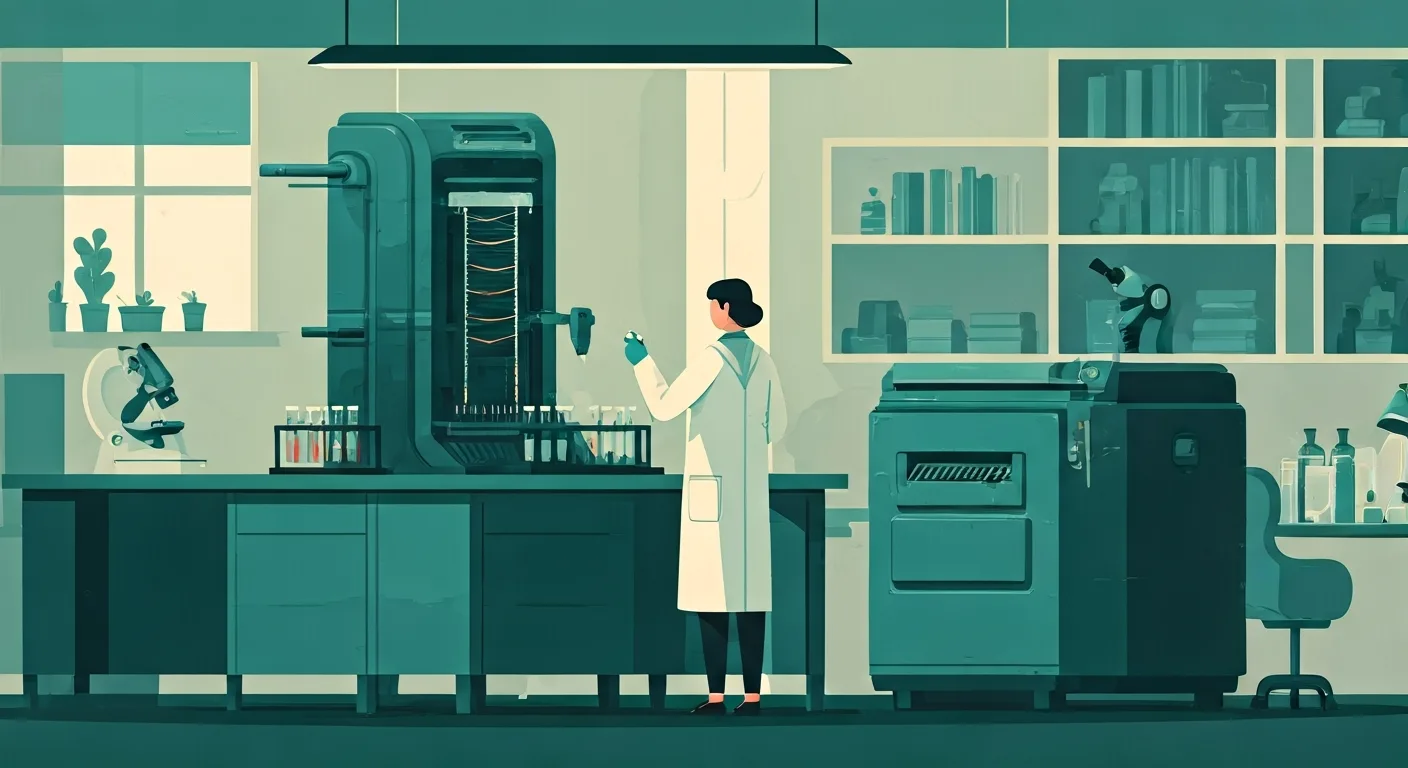
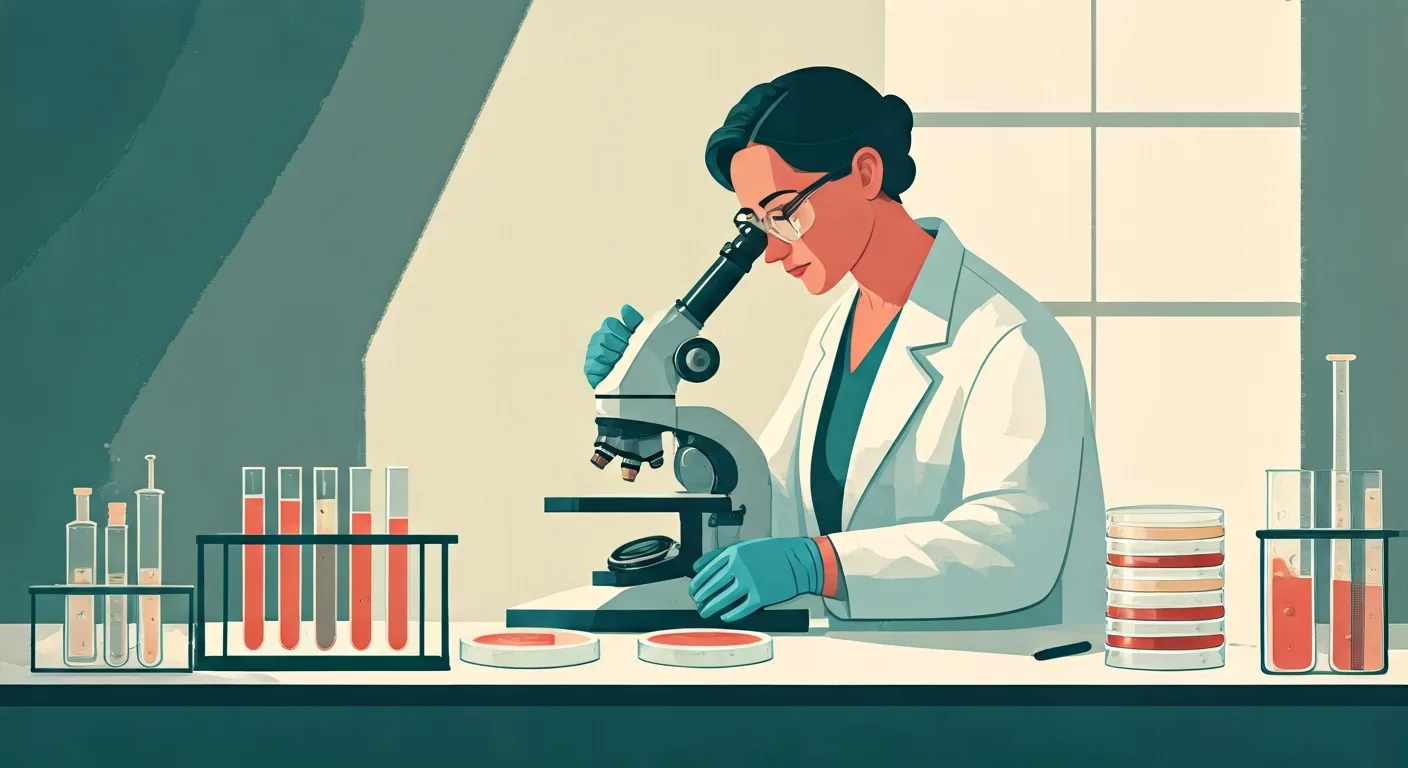
Assists scientists by setting up laboratory experiments, preparing samples, and operating microscopes and analytical instruments. Records observations, maintains lab equipment, and ensures specimens are stored according to protocol. This role is crucial in conducting scientific research and development, ensuring accuracy and adherence to established procedures.
Contributes directly to scientific research and development by performing critical experimental procedures and data collection, enabling breakthroughs in medicine, agriculture, and environmental science.
On the job
- Prepare biological samples, chemical solutions, and reagents for laboratory experiments
- Operate, calibrate, and maintain laboratory equipment such as centrifuges, PCR machines, and spectrophotometers
- Conduct experiments following detailed protocols, accurately recording observations and results
- Perform basic analytical tests on samples (e.g., pH, concentration, cell counts)
- Maintain laboratory cleanliness, sterilize equipment, and manage inventory of supplies and specimens

Tools & technology
Average salary
Job outlook
StableDemand is steady. This is an established role with consistent hiring across sectors.
Education & training
Associate's or Bachelor's degree in biology, chemistry, or a related life science field is typically required.
AI impact outlook
Note — this is our current view. AI is moving fast, so we revisit these ratings.
Show how this was assessed Hide the detail
Note — this is our current view. AI is moving fast, so we revisit these ratings.
Show how this was assessed Hide the detailWhy this role received this rating
Core task exposure
moderate
How much of the role’s important work could AI perform?
AI's direct impact is limited, primarily assisting with data recording, basic analytical interpretation, and LIMS data entry, while the majority of the work remains physical and hands-on.
End-to-end automation
low
Can AI complete the work without substantial human involvement?
Full automation of experimental workflows is unlikely due to the need for human intervention in physical manipulation, calibration, and troubleshooting complex lab equipment.
Adoption pressure
high
How likely are employers to introduce AI into this work?
Demand for precision, speed, and reproducibility drives high employer motivation to integrate AI for data analysis, experiment optimization, and enhanced documentation in research settings.
Human dependence
strong
How much does success depend on human judgement, relationships and accountability?
Success relies heavily on human dexterity for delicate sample handling, critical judgment during experiments, and meticulous adherence to sterility and safety protocols.
Protective — a higher rating lowers the overall score.
Role adaptability
strong
How easily can the role evolve as AI takes on more tasks?
The role can adapt by shifting towards managing automated lab systems, interpreting complex data, and focusing on experimental design rather than routine manual tasks.
Shown for context — not part of the score.
What AI may take on
These are the parts of the role most likely to be automated or significantly accelerated.
- Automated logging of experimental data into LIMS
- Interpretation of basic analytical results (e.g., cell counts, pH, spectrophotometry data)
- Optimisation of experimental parameters and protocols based on previous data
- Predictive maintenance scheduling for lab equipment
- Automated inventory management and reordering of reagents
Where people remain essential
These parts continue to depend heavily on human judgement, relationships and accountability.
- Hands-on dexterity for delicate sample preparation and manipulation
- Troubleshooting and repairing complex laboratory instruments requiring physical intervention
- Ensuring sterility and preventing contamination through meticulous technique
- Critical judgment in adapting experimental protocols to unexpected results
- Designing novel experimental setups and validating new procedures
- Maintaining quality control and ensuring ethical adherence in research
How the role may evolve
From manual execution to oversight and data-driven experimental design.
Technicians will spend less time on repetitive manual tasks and more on managing automated systems, interpreting complex data, and contributing to the intellectual design of research.
Strengthen your future fit
- Proficiency in data analysis and statistical software
- Understanding of robotic systems and lab automation platforms
- Advanced troubleshooting skills for integrated lab technologies
- Competence in bioinformatics and experimental design principles
- Strong critical thinking and problem-solving abilities
- Assessment horizon
- 3–7 years
- Confidence
- Medium
- Last reviewed
- August 2026
- Methodology
- v1.0
This assessment reflects current AI capabilities and expected adoption patterns. Actual impacts will vary by industry, employer and the way each role is performed.
Career pathways
WHERE YOU COULD GO
CURRENT ROLE
Biological Technician
Pharmacy & Biotech
ADJACENT MOVES
STARTING POINTS
Who thrives here
Interest profile
conventional · CRI
Individuals who enjoy working with precise procedures, handling scientific equipment, and systematically investigating biological phenomena will find this role fulfilling. A strong inclination towards order, accuracy, and practical application of scientific knowledge is key.
Personality characteristics
Detail-oriented
Thrives on precision and accuracy, meticulously following protocols and recording data in a scientific environment.
Systematic
Prefers structured tasks and organized workflows, ensuring experiments are conducted consistently and efficiently.
Inquisitive
Enjoys exploring scientific questions and understanding the 'how' and 'why' behind biological processes.
Collaborative
Works effectively as part of a research team, supporting scientists and sharing responsibilities.
Calm under pressure
Maintains composure and focus when experiments encounter unexpected issues or require quick, precise adjustments.
Best for
- Individuals who enjoy working in a structured laboratory setting with biological samples and equipment
- Those who thrive on precision, accuracy, and contributing to scientific discovery through meticulous experimental work
- People who prefer practical, hands-on tasks and a clear set of procedures to follow
Watch out for
- The work is highly structured and protocol-driven, offering less scope for independent creative exploration
- Requires consistent attention to detail and patience for repetitive tasks, which might not suit those seeking constant novelty or broad social interaction
A week in the life
A representative working week for a Biological Technician — where the deep work, meetings, and admin actually land.
Real people. Real results.
Thousands of people
can't be wrong.



Frequently asked questions about Biological Technician roles
What does a Biological Technician do?
A Biological Technician assists scientists by setting up laboratory experiments, preparing samples, and operating microscopes and analytical instruments. Records observations, maintains lab equipment, and ensures specimens are stored according to protocol. This role is crucial in conducting scientific research and development, ensuring accuracy and adherence to established procedures. Contributes directly to scientific research and development by performing critical experimental procedures and data collection, enabling breakthroughs in medicine, agriculture, and environmental science.
How much does a Biological Technician earn?
A Biological Technician earns a median of $56,000 per year in the US, typically ranging from $42,000 to $72,000.
What qualifications do you need to become a Biological Technician?
To become a Biological Technician, associate's or Bachelor's degree in biology, chemistry, or a related life science field is typically required.
What personality suits a Biological Technician?
Biological Technician roles tend to suit people who are highly conscientious — precise, organised and strong on follow-through (Conscientiousness 82/100) and steady under pressure — deadlines and setbacks do not rattle them easily (Emotional Stability 72/100). The traits that matter most in the role are Detail-oriented, Systematic, Inquisitive and Collaborative. Thrives on precision and accuracy, meticulously following protocols and recording data in a scientific environment. On interests, Biological Technician maps to a CRI Holland Code profile — individuals who enjoy working with precise procedures, handling scientific equipment, and systematically investigating biological phenomena will find this role fulfilling. A strong inclination towards order, accuracy, and practical application of scientific knowledge is key.
Who does a Biological Technician role suit?
A Biological Technician role is usually a strong fit for these reasons. High Conventional (C) affinity aligns with the need for structured, precise lab work and protocol adherence. Significant Realistic (R) interest is met through hands-on work with scientific equipment and biological materials. The role offers ample opportunity for Investigative (I) individuals to contribute to scientific inquiry and data analysis.
What are the downsides of being a Biological Technician?
Biological Technician roles come with trade-offs worth weighing up. The work is highly structured and protocol-driven, offering less scope for independent creative exploration. Requires consistent attention to detail and patience for repetitive tasks, which might not suit those seeking constant novelty or broad social interaction.
What is the work environment like for a Biological Technician?
Work as a Biological Technician is mostly lab-based with onsite arrangements common, highly structured, with set processes and deadlines, a moderate pace and low exposure to clients or stakeholders. Around 58% of the week is focused deep work.
What skills do you need to be a Biological Technician?
Core skills for a Biological Technician include Laboratory techniques, Data recording, Equipment maintenance, Sample preparation, Aseptic technique and Protocol adherence.
How do you become a Biological Technician?
Common entry routes into Biological Technician roles include Laboratory Assistant, Science Intern and Entry Level Research Technician.
What career progression is there for a Biological Technician?
From a Biological Technician role, common next steps include Senior Biological Technician and Research Associate; lateral moves include Quality Control Technician.
What is the job outlook for Biological Technician roles?
The outlook for Biological Technician roles is currently rated stable. Demand is steady. This is an established role with consistent hiring across sectors.
Will AI replace Biological Technician roles?
Traitstack rates automation risk for Biological Technician roles at 40 out of 100, which is low. While AI will increasingly manage data and optimize lab processes, human dexterity, critical judgment, and troubleshooting skills remain indispensable for physical experiments. AI is most likely to take on automated logging of experimental data into lims, interpretation of basic analytical results (e.g., cell counts, ph, spectrophotometry data) and optimisation of experimental parameters and protocols based on previous data. Hands-on dexterity for delicate sample preparation and manipulation, troubleshooting and repairing complex laboratory instruments requiring physical intervention and ensuring sterility and preventing contamination through meticulous technique stay with people. From manual execution to oversight and data-driven experimental design. That score measures how much of the work could change, not the likelihood the job disappears. It is Traitstack's current view, revisited as AI capability moves.