Podcast Producer
SOC 27-2012.00 · ESCO 2656 · OSCA 232135
Role snapshot
Overview
Oversees the entire lifecycle of a podcast, from conceptualisation and guest procurement to audio production, post-production, and distribution. This role blends creative storytelling with technical audio expertise to produce high-quality, engaging content that resonates with an audience.
Shapes auditory experiences and narratives, fostering community and delivering valuable content to listeners. A successful podcast producer directly influences audience growth and the show's overall impact and reach.
On the job
- Plan episode content, develop narrative arcs, and research topics.
- Identify, book, and coordinate guests for interviews.
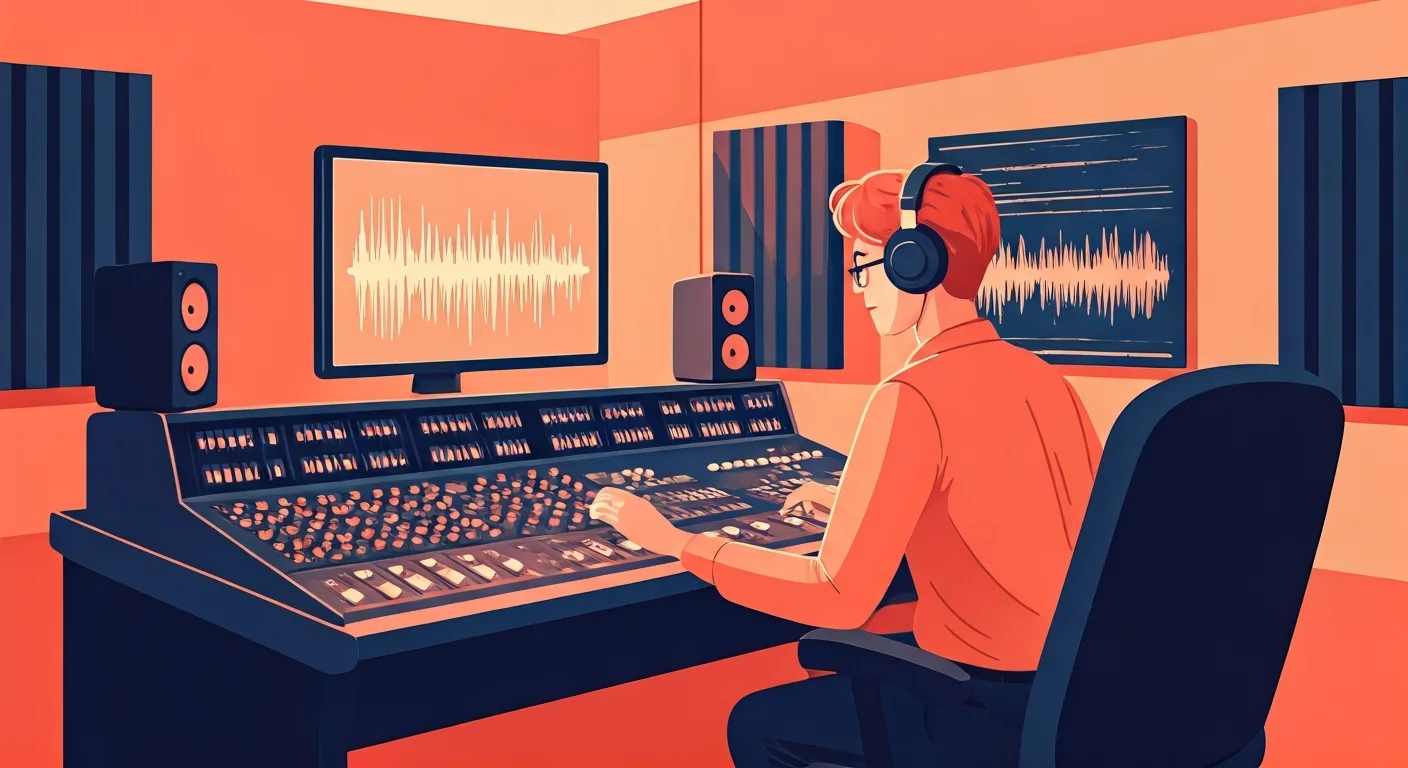
- Record, edit, mix, and master audio to ensure high sound quality.
- Write show notes, create promotional assets, and manage distribution platforms.
- Collaborate with hosts, sound designers, and marketing teams to ensure cohesive production.
Tools & technology
Average salary
Job outlook
GrowingJob growth is expected to be above average over the next five years.
Education & training
While a formal degree is beneficial, a strong portfolio and proven experience in audio production or media are often highly valued. Relevant fields include media production, communications, or audio engineering.
AI impact outlook
Note — this is our current view. AI is moving fast, so we revisit these ratings.
Show how this was assessed Hide the detail
Note — this is our current view. AI is moving fast, so we revisit these ratings.
Show how this was assessed Hide the detailWhy this role received this rating
Core task exposure
high
How much of the role’s important work could AI perform?
AI can automate transcription, edit out filler words, enhance audio quality, generate show notes, create promotional copy, and suggest content ideas.
End-to-end automation
moderate
Can AI complete the work without substantial human involvement?
AI can streamline many production steps, but creative conceptualization, guest outreach, narrative development, and final artistic decisions require human input.
Adoption pressure
high
How likely are employers to introduce AI into this work?
AI tools are rapidly integrating into audio production software, offering significant efficiency gains for editing, mixing, and content generation.
Human dependence
moderate
How much does success depend on human judgement, relationships and accountability?
Creative vision, building guest relationships, narrative crafting, and nuanced sound design for emotional impact are critical human contributions.
Protective — a higher rating lowers the overall score.
Role adaptability
strong
How easily can the role evolve as AI takes on more tasks?
The role can evolve to focus on high-level creative direction, complex soundscapes, audience engagement, and strategic content development.
Shown for context — not part of the score.
What AI may take on
These are the parts of the role most likely to be automated or significantly accelerated.
- Transcribe audio and edit out filler words or pauses
- Generate show notes and episode summaries
- Suggest episode topics and interview questions
- Mix and master audio tracks for basic quality control
- Create promotional text and social media assets
Where people remain essential
These parts continue to depend heavily on human judgement, relationships and accountability.
- Develop unique narrative arcs and creative concepts
- Identify, book, and coordinate guests through personal outreach
- Curate and shape the overall story and emotional impact
- Collaborate with hosts and sound designers on artistic vision
- Manage distribution platforms and audience engagement strategies
- Troubleshoot complex audio issues in real-time
How the role may evolve
Automating production mechanics, elevating narrative artistry.
The producer's focus shifts from manual audio editing and content generation to high-level creative direction, crafting compelling narratives, and building strong relationships with guests and audiences.
Strengthen your future fit
- Develop advanced storytelling and narrative design skills
- Cultivate strong interpersonal skills for guest procurement and collaboration
- Master complex sound design and audio mixing for emotional impact
- Become proficient in AI-powered audio production and content tools
- Formulate audience engagement and community-building strategies
- Assessment horizon
- 3–7 years
- Confidence
- Medium
- Last reviewed
- August 2026
- Methodology
- v1.0
This assessment reflects current AI capabilities and expected adoption patterns. Actual impacts will vary by industry, employer and the way each role is performed.
Career pathways
WHERE YOU COULD GO
CURRENT ROLE
Podcast Producer
Entertainment & Media
ADJACENT MOVES
STARTING POINTS
Who thrives here
Interest profile
artistic · AEC
Individuals who enjoy creative expression, technical problem-solving, and managing projects from conception to completion, often thrive as Podcast Producers.
Personality characteristics
Creative Explorer
Possesses a strong imagination and is eager to experiment with sound and narrative structures to create engaging content.
Organized Planner
Manages complex production schedules, technical details, and multiple tasks efficiently to meet deadlines.
Engaging Communicator
Comfortable interacting with hosts, guests, and team members, often guiding interviews and conveying creative vision.
Collaborative Team Player
Works effectively with others, incorporating feedback and contributing to a positive production environment.
Calm Under Pressure
Manages unexpected technical issues, tight deadlines, and guest coordination challenges with composure.
Best for
- Individuals passionate about audio storytelling and technical sound production.
- Professionals who enjoy orchestrating complex creative projects from start to finish.
- Those who thrive in a role that combines artistic vision with meticulous execution.
Watch out for
- Demands strong organizational skills to juggle multiple production phases and deadlines.
- Requires adaptability to technical challenges and unexpected changes in production schedules.
A week in the life
A representative working week for a Podcast Producer — where the deep work, meetings, and admin actually land.
Real people. Real results.
Thousands of people
can't be wrong.


Frequently asked questions about Podcast Producer roles
What does a Podcast Producer do?
A Podcast Producer oversees the entire lifecycle of a podcast, from conceptualisation and guest procurement to audio production, post-production, and distribution. This role blends creative storytelling with technical audio expertise to produce high-quality, engaging content that resonates with an audience. Shapes auditory experiences and narratives, fostering community and delivering valuable content to listeners. A successful podcast producer directly influences audience growth and the show's overall impact and reach.
How much does a Podcast Producer earn?
A Podcast Producer earns a median of $75,000 per year in the US, typically ranging from $50,000 to $100,000.
What qualifications do you need to become a Podcast Producer?
To become a Podcast Producer, while a formal degree is beneficial, a strong portfolio and proven experience in audio production or media are often highly valued. Relevant fields include media production, communications, or audio engineering.
What personality suits a Podcast Producer?
Podcast Producer roles tend to suit people who are open and curious — drawn to variety, ideas and new approaches (Openness 82/100) and outgoing — energised by people, visibility and quick social contact (Extraversion 70/100). The traits that matter most in the role are Creative Explorer, Organized Planner, Engaging Communicator and Collaborative Team Player. Possesses a strong imagination and is eager to experiment with sound and narrative structures to create engaging content. On interests, Podcast Producer maps to an AEC Holland Code profile — individuals who enjoy creative expression, technical problem-solving, and managing projects from conception to completion, often thrive as Podcast Producers.
Who does a Podcast Producer role suit?
A Podcast Producer role is usually a strong fit for these reasons. High Artistic (A) and Enterprising (E) scores align with the creative and project management aspects of podcast production. The role offers significant deep work blocks for focused audio editing and content development. Strong emphasis on collaboration and stakeholder interaction suits individuals who enjoy working with others.
What are the downsides of being a Podcast Producer?
Podcast Producer roles come with trade-offs worth weighing up. Demands strong organizational skills to juggle multiple production phases and deadlines. Requires adaptability to technical challenges and unexpected changes in production schedules.
What is the work environment like for a Podcast Producer?
Work as a Podcast Producer is mostly office-based with hybrid arrangements common, semi-structured — a mix of set processes and self-directed work, a moderate pace and high exposure to clients or stakeholders. Around 74% of the week is focused deep work.
What skills do you need to be a Podcast Producer?
Core skills for a Podcast Producer include Audio editing, Sound design, Storytelling, Project management, Interviewing and Digital audio workstations (DAW).
How do you become a Podcast Producer?
Common entry routes into Podcast Producer roles include Audio Editor, Production Assistant, Sound Engineer and Broadcast Assistant.
What career progression is there for a Podcast Producer?
From a Podcast Producer role, common next steps include Senior Podcast Producer and Head of Audio Content; lateral moves include Sound Designer and Content Strategist.
What is the job outlook for Podcast Producer roles?
The outlook for Podcast Producer roles is currently rated growing. Job growth is expected to be above average over the next five years.
Will AI replace Podcast Producer roles?
Traitstack rates automation risk for Podcast Producer roles at 66 out of 100, which is strong. While AI streamlines audio editing and content generation, the creative vision, guest relationships, and narrative crafting remain critical human responsibilities. AI is most likely to take on transcribe audio and edit out filler words or pauses, generate show notes and episode summaries and suggest episode topics and interview questions. Develop unique narrative arcs and creative concepts, identify, book, and coordinate guests through personal outreach and curate and shape the overall story and emotional impact stay with people. Automating production mechanics, elevating narrative artistry. That score measures how much of the work could change, not the likelihood the job disappears. It is Traitstack's current view, revisited as AI capability moves.