Osteopath
SOC 29-1011.00 · ESCO 2269 · OSCA 262932
Role snapshot
Overview
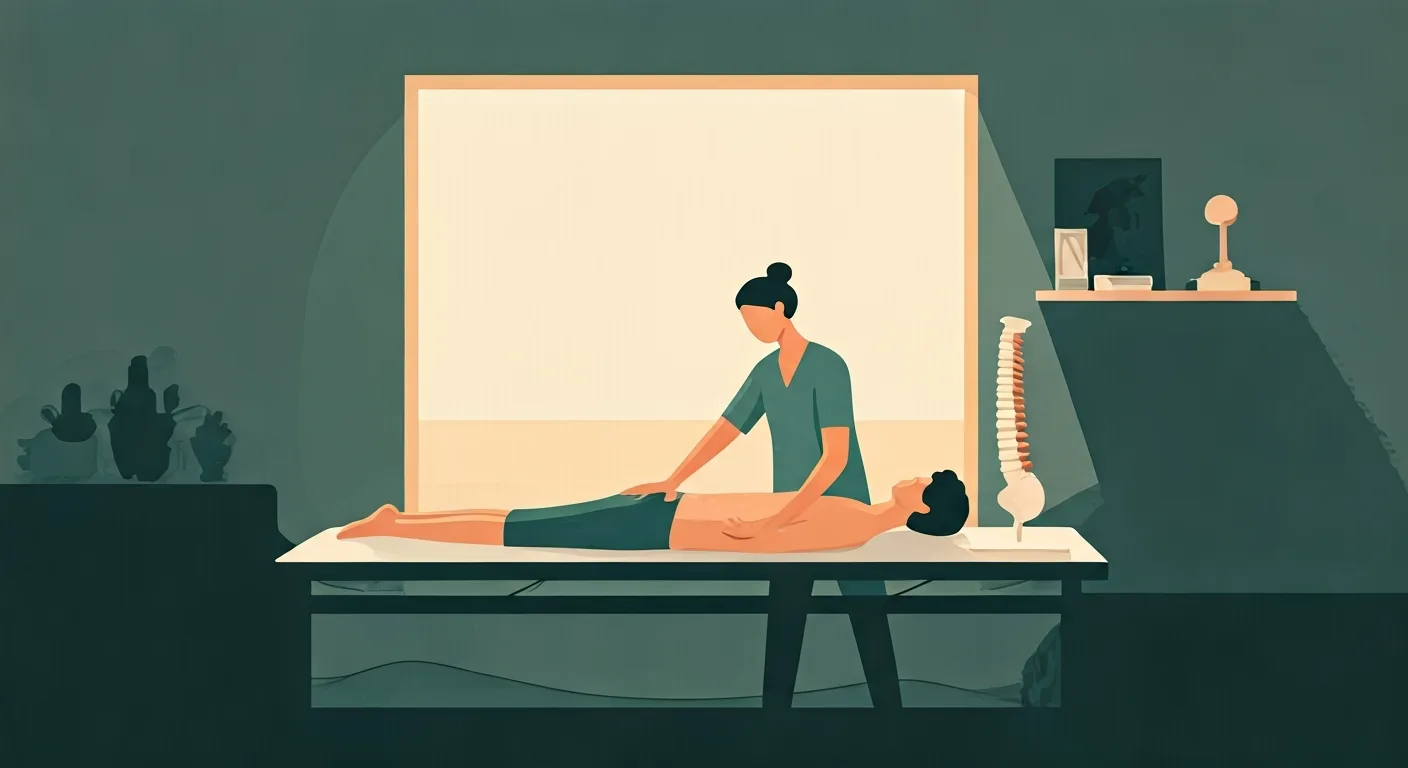
Diagnoses and treats musculoskeletal pain and dysfunction using hands-on techniques such as joint mobilisation, soft tissue massage, and stretching. Takes patient histories, performs physical examinations, and develops holistic treatment plans. Focuses on the interconnectedness of the body's systems to promote self-healing and overall well-being.
Helps patients alleviate pain, restore mobility, and improve their overall health and quality of life through a holistic, patient-centered approach.
On the job
- Conduct comprehensive patient assessments, including history taking and physical examinations.
- Apply a variety of manual techniques such as massage, articulation, and mobilisation to treat musculoskeletal issues.
- Develop and implement individualised treatment plans, including exercises and lifestyle advice.
- Educate patients on posture, ergonomics, and self-management strategies.
- Maintain accurate patient records and collaborate with other healthcare professionals when necessary.
Tools & technology
Average salary
Job outlook
GrowingJob growth is expected to be above average over the next five years.
Education & training
A degree in osteopathy or a Doctor of Osteopathic Medicine (DO) degree is required, often followed by clinical placements and postgraduate training.
AI impact outlook
Note — this is our current view. AI is moving fast, so we revisit these ratings.
Show how this was assessed Hide the detail
Note — this is our current view. AI is moving fast, so we revisit these ratings.
Show how this was assessed Hide the detailWhy this role received this rating
Core task exposure
low
How much of the role’s important work could AI perform?
AI tools could assist with patient history synthesis and preliminary diagnostic pattern recognition, but manual assessment remains core.
End-to-end automation
low
Can AI complete the work without substantial human involvement?
The dynamic, hands-on nature of osteopathic treatment and patient interaction makes full workflow automation highly unlikely.
Adoption pressure
moderate
How likely are employers to introduce AI into this work?
Adoption will likely focus on administrative efficiencies and diagnostic support rather than replacing core manual therapy.
Human dependence
strong
How much does success depend on human judgement, relationships and accountability?
Success relies heavily on tactile assessment, trust-based patient relationships, and nuanced clinical judgment for effective treatment.
Protective — a higher rating lowers the overall score.
Role adaptability
strong
How easily can the role evolve as AI takes on more tasks?
The role can readily integrate new diagnostic technologies and focus on complex cases requiring advanced manual skills and holistic care.
Shown for context — not part of the score.
What AI may take on
These are the parts of the role most likely to be automated or significantly accelerated.
- Initial patient history taking and symptom analysis
- Suggesting potential diagnoses based on collected data
- Generating exercise and lifestyle advice templates
- Analyzing posture and movement patterns from video data
- Managing appointment scheduling and billing processes
Where people remain essential
These parts continue to depend heavily on human judgement, relationships and accountability.
- Performing hands-on physical examinations and palpation
- Applying manual techniques such as mobilization and articulation
- Developing highly individualized and adaptive treatment plans
- Building patient rapport and providing empathic care
- Educating patients on self-management and lifestyle changes
- Making real-time adjustments during treatment sessions
- Collaborating with other healthcare professionals for integrated care
How the role may evolve
Streamlined diagnostics. Enriched patient connection.
Less time spent on routine data synthesis and basic plan generation, more on advanced manual skills, complex case management, and building deeper patient trust.
Strengthen your future fit
- Proficiency in advanced manual therapy techniques
- Expertise in complex diagnostic interpretation
- Strong empathic communication and patient motivational skills
- Ability to critically evaluate and integrate AI-generated insights
- Focus on holistic health and preventive care strategies
- Assessment horizon
- 3–7 years
- Confidence
- Medium
- Last reviewed
- August 2026
- Methodology
- v1.0
This assessment reflects current AI capabilities and expected adoption patterns. Actual impacts will vary by industry, employer and the way each role is performed.
Career pathways
WHERE YOU COULD GO
CURRENT ROLE
Osteopath
Allied Health
ADJACENT MOVES
STARTING POINTS
Who thrives here
Interest profile
social · SRI
People who enjoy helping others, investigating complex health issues, and applying practical, hands-on techniques to improve well-being often thrive in this role.
Personality characteristics
Open-minded
Curious about holistic approaches and various treatment modalities to best serve patients.
Conscientious
Diligent in patient assessment, precise in treatment execution, and meticulous in record keeping.
Empathetic Communicator
Engages well with patients, listens actively to their concerns, and explains complex medical concepts clearly and reassuringly.
Patient-focused
Driven by a genuine desire to improve patient health, comfort, and overall quality of life.
Composed
Maintains a calm and steady presence, even when dealing with patients in pain or distress, ensuring a professional and supportive environment.
Best for
- Individuals passionate about musculoskeletal health and manual therapy.
- Those who enjoy direct patient interaction and forming long-term therapeutic relationships.
- Professionals seeking a role where they can apply scientific knowledge with practical, hands-on skills.
- People who value a holistic approach to health and patient empowerment.
Watch out for
- Requires extensive education and ongoing professional development.
- Can be physically demanding due to hands-on techniques.
- Dealing with patients in pain or with chronic conditions requires high emotional resilience.
A week in the life
A representative working week for an Osteopath — where the deep work, meetings, and admin actually land.
Real people. Real results.
Thousands of people
can't be wrong.



Frequently asked questions about Osteopath roles
What does an Osteopath do?
An Osteopath diagnoses and treats musculoskeletal pain and dysfunction using hands-on techniques such as joint mobilisation, soft tissue massage, and stretching. Takes patient histories, performs physical examinations, and develops holistic treatment plans. Focuses on the interconnectedness of the body's systems to promote self-healing and overall well-being. Helps patients alleviate pain, restore mobility, and improve their overall health and quality of life through a holistic, patient-centered approach.
How much does an Osteopath earn?
An Osteopath earns a median of $95,000 per year in the US, typically ranging from $70,000 to $130,000.
What qualifications do you need to become an Osteopath?
To become an Osteopath, a degree in osteopathy or a Doctor of Osteopathic Medicine (DO) degree is required, often followed by clinical placements and postgraduate training. State or national registration/licensure as an Osteopath or Osteopathic Physician.
What personality suits an Osteopath?
Osteopath roles tend to suit people who are highly conscientious — precise, organised and strong on follow-through (Conscientiousness 78/100) and warm and cooperative — tuned in to the people around them (Agreeableness 75/100). The traits that matter most in the role are Open-minded, Conscientious, Empathetic Communicator and Patient-focused. Curious about holistic approaches and various treatment modalities to best serve patients. On interests, Osteopath maps to a SRI Holland Code profile — people who enjoy helping others, investigating complex health issues, and applying practical, hands-on techniques to improve well-being often thrive in this role.
Who does an Osteopath role suit?
An Osteopath role is usually a strong fit for these reasons. Strong Social and Investigative alignment: the role is centred on patient care, diagnosis, and understanding complex bodily systems. Significant hands-on work appeals to those with a Realistic interest in practical application. High conscientiousness and agreeableness are highly valued for patient trust and effective treatment.
What are the downsides of being an Osteopath?
Osteopath roles come with trade-offs worth weighing up. Requires extensive education and ongoing professional development. Can be physically demanding due to hands-on techniques. Dealing with patients in pain or with chronic conditions requires high emotional resilience.
What is the work environment like for an Osteopath?
Work as an Osteopath is mostly clinical-based with onsite arrangements common, semi-structured — a mix of set processes and self-directed work, a moderate pace and high exposure to clients or stakeholders. Around 86% of the week is focused deep work.
What skills do you need to be an Osteopath?
Core skills for an Osteopath include Manual therapy techniques, Patient assessment and diagnosis, Holistic treatment planning, Communication and empathy and Anatomy and physiology knowledge.
How do you become an Osteopath?
Common entry routes into Osteopath roles include New Graduate Osteopath and Osteopathy Intern.
What career progression is there for an Osteopath?
From an Osteopath role, common next steps include Senior Osteopath and Clinic Manager; lateral moves include Academic Lecturer (Osteopathy).
What is the job outlook for Osteopath roles?
The outlook for Osteopath roles is currently rated growing. Job growth is expected to be above average over the next five years.
Will AI replace Osteopath roles?
Traitstack rates automation risk for Osteopath roles at 31 out of 100, which is low. AI could streamline assessment and treatment planning, allowing osteopaths to deepen their focus on complex manual therapies and holistic patient relationships. AI is most likely to take on initial patient history taking and symptom analysis, suggesting potential diagnoses based on collected data and generating exercise and lifestyle advice templates. Performing hands-on physical examinations and palpation, applying manual techniques such as mobilization and articulation and developing highly individualized and adaptive treatment plans stay with people. Streamlined diagnostics. Enriched patient connection. That score measures how much of the work could change, not the likelihood the job disappears. It is Traitstack's current view, revisited as AI capability moves.