Mining Support Worker
SOC 47-5099 · ESCO 9311 · OSCA 821933
Role snapshot
Overview
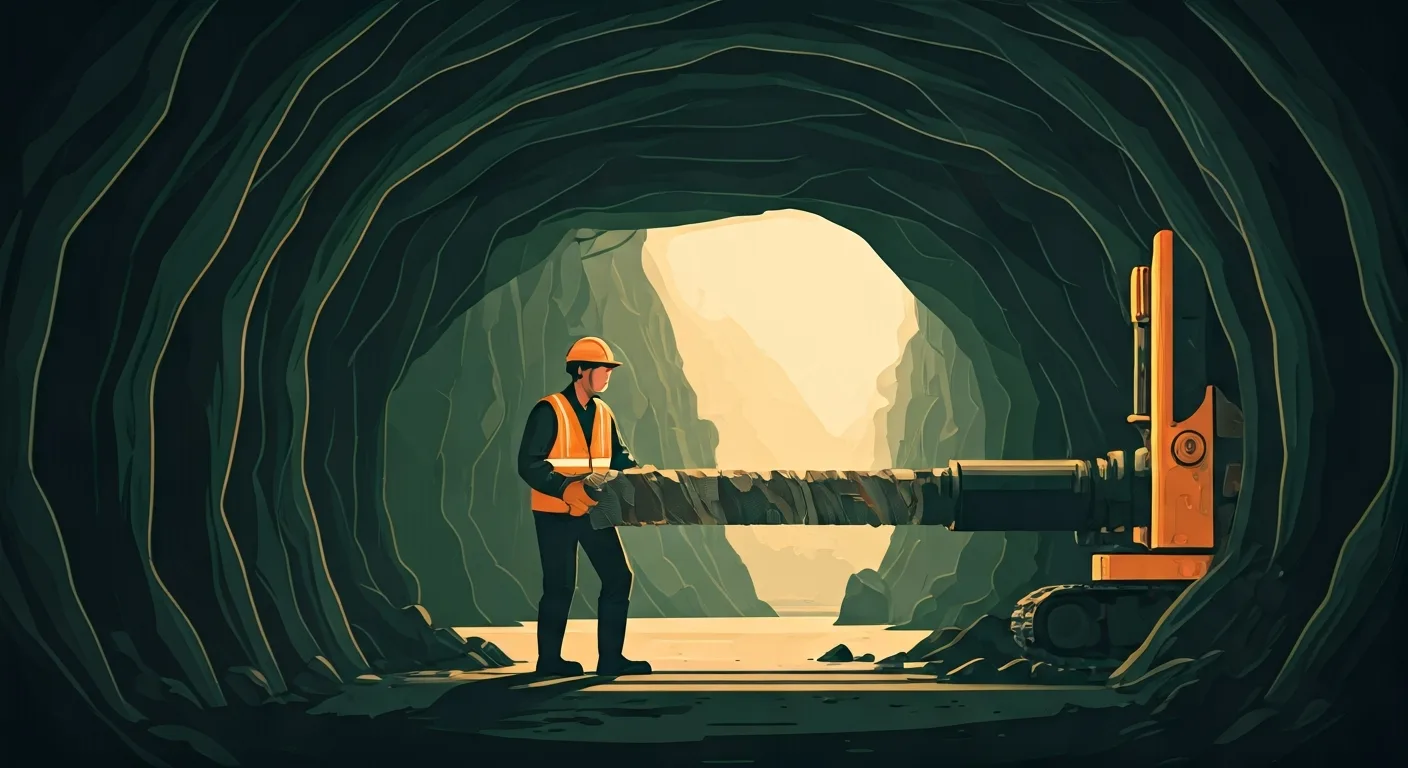
Performs a range of manual tasks underground or at open-cut mines, including operating basic machinery, loading materials, and maintaining haul roads and work areas. This role is crucial for ensuring the smooth and safe operation of mining activities, often involving physical labor, equipment operation, and strict adherence to safety protocols.
Ensures the operational efficiency and safety of mining sites by performing essential manual and machinery-assisted tasks, directly contributing to resource extraction and site maintenance.
On the job
- Operate basic heavy machinery such as skid steers, forkllifts, and light vehicles.
- Load and unload materials, supplies, and equipment using appropriate methods.
- Maintain haul roads, work areas, and general site cleanliness according to standards.
- Assist skilled tradespersons and operators with various tasks, including repairs and installations.
- Conduct routine safety checks on equipment and work environments to identify and report hazards.
Tools & technology
Average salary
Job outlook
StableDemand is steady. This is an established role with consistent hiring across sectors.
Education & training
Completion of secondary education or vocational training, with specific safety certifications required for mine site access.
AI impact outlook
Note — this is our current view. AI is moving fast, so we revisit these ratings.
Show how this was assessed Hide the detail
Note — this is our current view. AI is moving fast, so we revisit these ratings.
Show how this was assessed Hide the detailWhy this role received this rating
Core task exposure
low
How much of the role’s important work could AI perform?
Operating basic machinery and maintaining work areas can see some augmentation, but diverse manual tasks in unstructured environments are less exposed.
End-to-end automation
low
Can AI complete the work without substantial human involvement?
The range of manual, often physical, and varied tasks makes end-to-end automation highly impractical; AI can assist with logistics or basic equipment, not the core.
Adoption pressure
moderate
How likely are employers to introduce AI into this work?
Moderate for improving logistics and basic equipment operation, but lower for general manual labor where human flexibility and cost-effectiveness often prevail.
Human dependence
strong
How much does success depend on human judgement, relationships and accountability?
High dependence on human dexterity, adaptability to varied physical tasks, immediate hazard identification in unstructured environments, and assisting skilled workers.
Protective — a higher rating lowers the overall score.
Role adaptability
moderate
How easily can the role evolve as AI takes on more tasks?
The role's adaptability is limited by its physical and manual nature, but it can evolve to support more automated systems or specialize in complex manual interventions.
Shown for context — not part of the score.
What AI may take on
These are the parts of the role most likely to be automated or significantly accelerated.
- Optimized routing for light vehicles and forklifts
- Automated inventory tracking for supplies and materials
- Basic remote monitoring of site conditions
- AI-assisted scheduling of routine maintenance tasks
- Digital logging of safety checks
Where people remain essential
These parts continue to depend heavily on human judgement, relationships and accountability.
- Operating basic machinery in tight or complex spaces requiring human judgment
- Loading and unloading diverse materials manually or with human-controlled equipment
- Maintaining haul roads and work areas in dynamic and unstructured environments
- Assisting skilled tradespersons with complex repairs and installations
- Immediate identification and reporting of unexpected hazards
How the role may evolve
The role will shift from purely manual labor to supporting automated systems and specialized physical tasks.
The role will shift towards tasks requiring fine motor skills, adaptability to diverse environments, and direct support for more automated or specialized operations.
Strengthen your future fit
- Proficiency in operating specialized light machinery and digital tools
- Enhanced situational awareness and hazard recognition
- Strong physical dexterity and problem-solving skills in variable conditions
- Effective teamwork and communication with skilled trades
- Adaptability to new safety technologies and work processes
- Assessment horizon
- 3–7 years
- Confidence
- High
- Last reviewed
- August 2026
- Methodology
- v1.0
This assessment reflects current AI capabilities and expected adoption patterns. Actual impacts will vary by industry, employer and the way each role is performed.
Career pathways
WHERE YOU COULD GO
CURRENT ROLE
Mining Support Worker
Mining & Resources
ADJACENT MOVES
STARTING POINTS
Who thrives here
Interest profile
realistic · RCI
People who enjoy practical, hands-on work, prefer clear procedures and organised tasks, and have a curiosity for how things work in a structured, physical environment tend to thrive in this role.
Personality characteristics
Conscientious
Follows safety procedures diligently, prioritizes compliance, and completes tasks reliably to maintain operational standards.
Resilient
Handles challenging physical conditions, demanding schedules, and potential hazards calmly and effectively.
Practical
Prefers hands-on tasks, working with equipment, and seeing tangible results of their physical efforts.
Cooperative
Works effectively as part of a team, supporting colleagues and contributing to shared goals in a high-stakes environment.
Methodical
Approaches tasks systematically, ensuring efficiency and safety by adhering to established protocols and sequences.
Best for
- Individuals who enjoy physical work in an industrial and highly structured environment.
- Those who thrive in settings with clear safety guidelines and a strong emphasis on teamwork.
- Reliable and committed team players who are dedicated to operational efficiency and safety.
Watch out for
- Demanding physical conditions, including exposure to dust, noise, and varying temperatures.
- Shift work and regular weekend hours are common, requiring flexibility in personal scheduling.
- Strict adherence to rules and procedures may limit opportunities for creative problem-solving or autonomy.
A week in the life
A representative working week for a Mining Support Worker — where the deep work, meetings, and admin actually land.
Real people. Real results.
Thousands of people
can't be wrong.
Frequently asked questions about Mining Support Worker roles
What does a Mining Support Worker do?
A Mining Support Worker performs a range of manual tasks underground or at open-cut mines, including operating basic machinery, loading materials, and maintaining haul roads and work areas. This role is crucial for ensuring the smooth and safe operation of mining activities, often involving physical labor, equipment operation, and strict adherence to safety protocols. Ensures the operational efficiency and safety of mining sites by performing essential manual and machinery-assisted tasks, directly contributing to resource extraction and site maintenance.
How much does a Mining Support Worker earn?
A Mining Support Worker earns a median of $60,000 per year in the US, typically ranging from $45,000 to $75,000.
What qualifications do you need to become a Mining Support Worker?
To become a Mining Support Worker, completion of secondary education or vocational training, with specific safety certifications required for mine site access.
What personality suits a Mining Support Worker?
Mining Support Worker roles tend to suit people who are highly conscientious — precise, organised and strong on follow-through (Conscientiousness 72/100) and steady under pressure — deadlines and setbacks do not rattle them easily (Emotional Stability 70/100). The traits that matter most in the role are Conscientious, Resilient, Practical and Cooperative. Follows safety procedures diligently, prioritizes compliance, and completes tasks reliably to maintain operational standards. On interests, Mining Support Worker maps to a RCI Holland Code profile — people who enjoy practical, hands-on work, prefer clear procedures and organised tasks, and have a curiosity for how things work in a structured, physical environment tend to thrive in this role.
Who does a Mining Support Worker role suit?
A Mining Support Worker role is usually a strong fit for these reasons. Strong Realistic alignment: the role involves practical, hands-on tasks and operating equipment in a physical environment. High Conventional alignment: requires strict adherence to safety protocols and established operational procedures. Consistent deep work: suited for those who enjoy focused, task-oriented activities with clear objectives.
What are the downsides of being a Mining Support Worker?
Mining Support Worker roles come with trade-offs worth weighing up. Demanding physical conditions, including exposure to dust, noise, and varying temperatures. Shift work and regular weekend hours are common, requiring flexibility in personal scheduling. Strict adherence to rules and procedures may limit opportunities for creative problem-solving or autonomy.
What is the work environment like for a Mining Support Worker?
Work as a Mining Support Worker is mostly mixed-based with onsite arrangements common, highly structured, with set processes and deadlines and low exposure to clients or stakeholders. Around 84% of the week is focused deep work.
What skills do you need to be a Mining Support Worker?
Core skills for a Mining Support Worker include Manual dexterity, Physical stamina, Basic equipment operation, Safety awareness and Team collaboration.
How do you become a Mining Support Worker?
Common entry routes into Mining Support Worker roles include General Labourer, Construction Worker and Farm Hand.
What career progression is there for a Mining Support Worker?
From a Mining Support Worker role, common next steps include Senior Mining Support Worker, Heavy Equipment Operator and Mine Site Supervisor; lateral moves include Driller.
What is the job outlook for Mining Support Worker roles?
The outlook for Mining Support Worker roles is currently rated stable. Demand is steady. This is an established role with consistent hiring across sectors.
Will AI replace Mining Support Worker roles?
Traitstack rates automation risk for Mining Support Worker roles at 29 out of 100, which is low. Routine material movement could be optimized by AI, however, the Support Worker's physical dexterity, adaptable problem-solving, and assistance in varied, unstructured tasks remain crucial. AI is most likely to take on optimized routing for light vehicles and forklifts, automated inventory tracking for supplies and materials and basic remote monitoring of site conditions. Operating basic machinery in tight or complex spaces requiring human judgment, loading and unloading diverse materials manually or with human-controlled equipment and maintaining haul roads and work areas in dynamic and unstructured environments stay with people. The role will shift from purely manual labor to supporting automated systems and specialized physical tasks. That score measures how much of the work could change, not the likelihood the job disappears. It is Traitstack's current view, revisited as AI capability moves.