Geologist
SOC 19-2042.00 · ESCO 2114 · OSCA 244531
Role snapshot
Overview
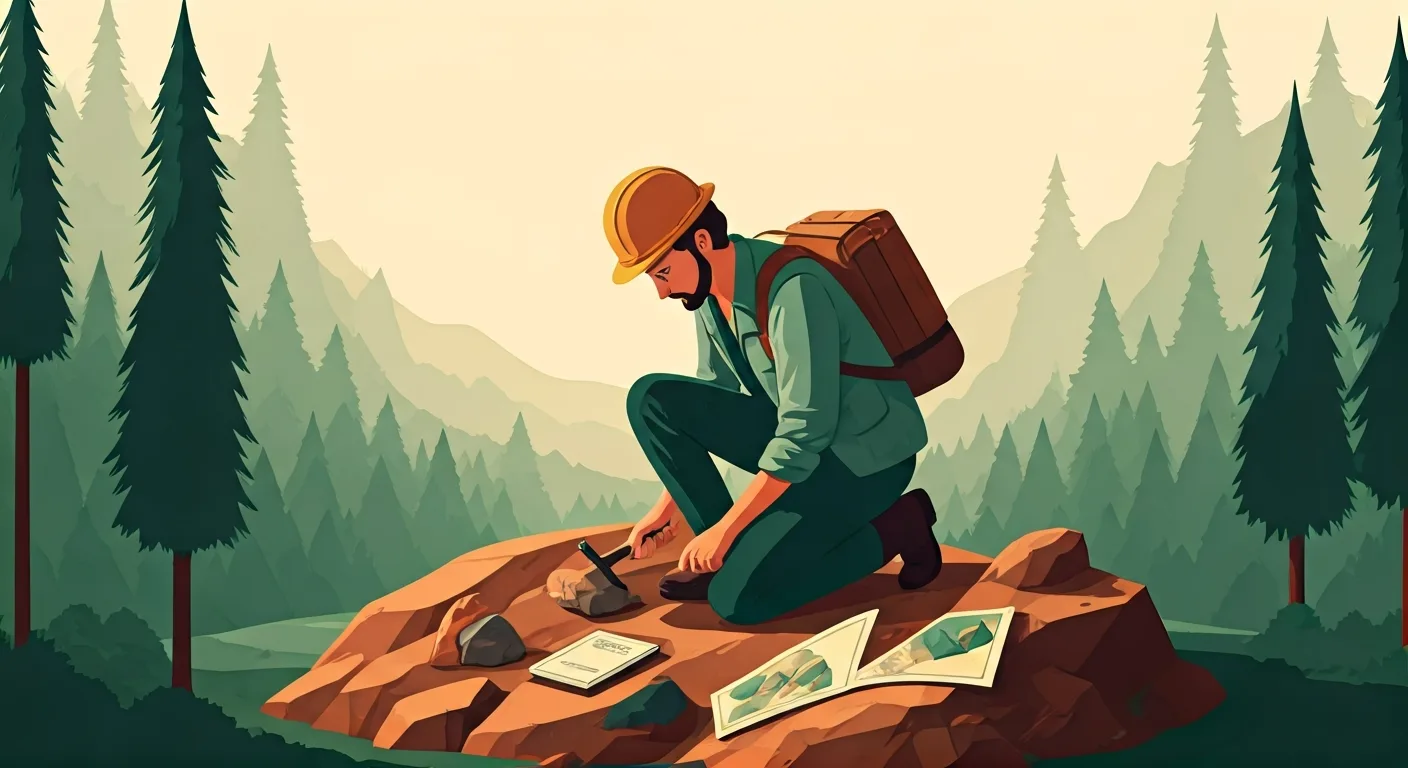
Studies rock formations, mineral deposits, and geological processes through fieldwork and laboratory analysis. Assesses sites for mining potential, environmental hazards, or groundwater resources. Interprets geological data to understand Earth's history, predict future changes, and inform resource extraction or environmental management decisions.
Contributes to the discovery and sustainable management of natural resources, mitigates geological hazards, and informs environmental protection efforts by understanding Earth's systems.
On the job
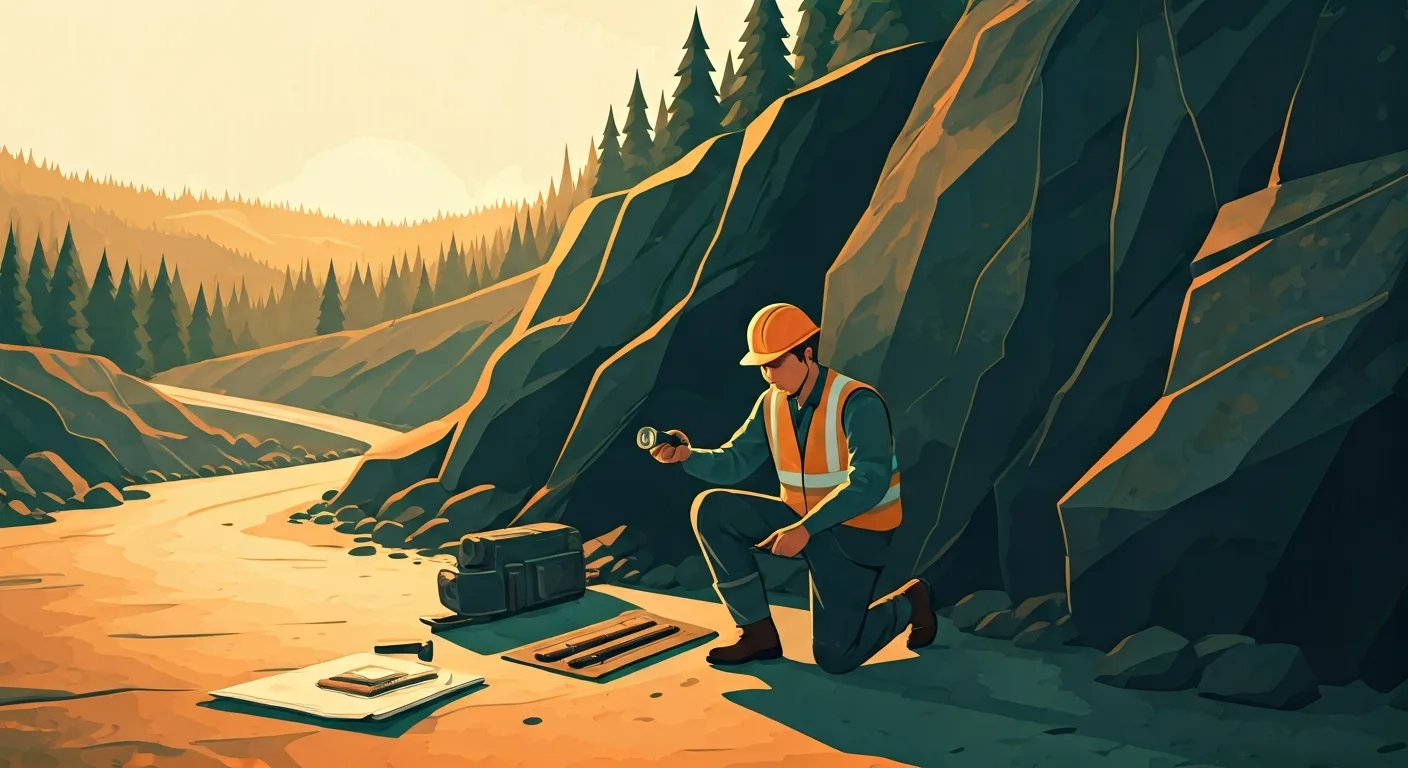
- Conduct geological fieldwork, including mapping, sampling, and data collection
- Analyze rock, soil, and water samples in a laboratory setting
- Interpret geological data using GIS software and other analytical tools
- Prepare detailed geological reports, maps, and cross-sections
- Assess sites for mineral exploration, groundwater resources, or environmental impact
Tools & technology
Average salary
Job outlook
GrowingJob growth is expected to be above average over the next five years.
Education & training
Typically requires a bachelor's or master's degree in geology, earth science, or a related field.
AI impact outlook
Note — this is our current view. AI is moving fast, so we revisit these ratings.
Show how this was assessed Hide the detail
Note — this is our current view. AI is moving fast, so we revisit these ratings.
Show how this was assessed Hide the detailWhy this role received this rating
Core task exposure
moderate
How much of the role’s important work could AI perform?
Analyzing rock/soil samples, interpreting geological data with GIS, and preparing detailed reports are tasks where AI can significantly assist or automate.
End-to-end automation
low
Can AI complete the work without substantial human involvement?
Field validation, nuanced contextual understanding of geological processes, and strategic site assessment require human judgment, preventing full end-to-end automation.
Adoption pressure
high
How likely are employers to introduce AI into this work?
Employers will adopt AI to increase efficiency in data processing and preliminary geological assessments, reducing early-stage exploration costs.
Human dependence
strong
How much does success depend on human judgement, relationships and accountability?
Success depends on interpreting ambiguous field data, making critical judgments in complex geological settings, and effectively communicating findings for strategic decisions.
Protective — a higher rating lowers the overall score.
Role adaptability
strong
How easily can the role evolve as AI takes on more tasks?
The role can adapt by focusing on designing advanced remote sensing missions, validating AI-driven interpretations, and developing new field data collection methods.
Shown for context — not part of the score.
What AI may take on
These are the parts of the role most likely to be automated or significantly accelerated.
- Analyzing rock, soil, and water samples in a laboratory setting for routine elements
- Interpreting geological data using GIS software for mapping
- Preparing detailed geological reports and cross-sections
- Assessing sites for mining potential based on vast datasets
- Identifying geological patterns from remote sensing data
Where people remain essential
These parts continue to depend heavily on human judgement, relationships and accountability.
- Conducting complex geological fieldwork, mapping, and sampling in varied terrain
- Interpreting ambiguous or novel geological anomalies
- Making strategic decisions about mineral exploration and resource potential
- Assessing nuanced environmental hazards and recommending mitigation
- Communicating complex findings to non-specialists and stakeholders
- Providing expert witness testimony or regulatory guidance
How the role may evolve
From raw data interpretation to contextual field validation.
Geologists will increasingly leverage AI for routine data analysis and preliminary interpretations, freeing them to focus on critical field validation, developing novel exploration techniques, and providing expert contextual judgment for complex projects.
Strengthen your future fit
- Proficiency in AI-driven GIS and geological modeling software
- Advanced field observation and data collection techniques
- Critical thinking and problem-solving for ambiguous geological scenarios
- Effective communication of scientific findings to diverse audiences
- Expertise in environmental impact assessment and mitigation
- Assessment horizon
- 3–7 years
- Confidence
- High
- Last reviewed
- August 2026
- Methodology
- v1.0
This assessment reflects current AI capabilities and expected adoption patterns. Actual impacts will vary by industry, employer and the way each role is performed.
Career pathways
WHERE YOU COULD GO
CURRENT ROLE
Geologist
Mining & Resources
STARTING POINTS
Who thrives here
Interest profile
investigative · IRC
Individuals who enjoy scientific investigation, practical application of knowledge, and systematic analysis of data tend to thrive as geologists. It combines outdoor work with analytical challenges.
Personality characteristics
Inquisitive
Possesses a strong curiosity about Earth's processes and a drive to understand natural phenomena.
Methodical
Approaches fieldwork, lab analysis, and data interpretation with careful attention to detail and systematic procedures.
Resilient
Able to handle challenging outdoor conditions, long hours, and the iterative nature of scientific research without becoming easily discouraged.
Independent learner
Enjoys conducting research, analyzing data, and solving problems autonomously.
Practical
Prefers hands-on work with equipment and applying scientific knowledge to real-world problems.
Best for
- People passionate about Earth sciences and understanding geological processes
- Individuals who enjoy a blend of outdoor fieldwork and analytical problem-solving
- Those who thrive in roles requiring meticulous data collection and scientific interpretation
Watch out for
- Regular travel and outdoor work in varying conditions may not suit everyone
- The work can involve long hours and require resilience to unpredictable field challenges
A week in the life
A representative working week for a Geologist — where the deep work, meetings, and admin actually land.
Real people. Real results.
Thousands of people
can't be wrong.
Frequently asked questions about Geologist roles
What does a Geologist do?
A Geologist studies rock formations, mineral deposits, and geological processes through fieldwork and laboratory analysis. Assesses sites for mining potential, environmental hazards, or groundwater resources. Interprets geological data to understand Earth's history, predict future changes, and inform resource extraction or environmental management decisions. Contributes to the discovery and sustainable management of natural resources, mitigates geological hazards, and informs environmental protection efforts by understanding Earth's systems.
How much does a Geologist earn?
A Geologist earns a median of $90,000 per year in the US, typically ranging from $65,000 to $130,000.
What qualifications do you need to become a Geologist?
To become a Geologist, typically requires a bachelor's or master's degree in geology, earth science, or a related field. Professional Geologist (PG) certification (required in some states for certain roles).
What personality suits a Geologist?
Geologist roles tend to suit people who are highly conscientious — precise, organised and strong on follow-through (Conscientiousness 75/100) and steady under pressure — deadlines and setbacks do not rattle them easily (Emotional Stability 72/100). The traits that matter most in the role are Inquisitive, Methodical, Resilient and Independent learner. Possesses a strong curiosity about Earth's processes and a drive to understand natural phenomena. On interests, Geologist maps to an IRC Holland Code profile — individuals who enjoy scientific investigation, practical application of knowledge, and systematic analysis of data tend to thrive as geologists. It combines outdoor work with analytical challenges.
Who does a Geologist role suit?
A Geologist role is usually a strong fit for these reasons. High Investigative and Realistic alignment: the role demands scientific inquiry and practical, hands-on work. Significant time dedicated to fieldwork and laboratory analysis, appealing to those who enjoy tangible problem-solving. Requires strong conscientiousness for detailed data collection and accurate reporting.
What are the downsides of being a Geologist?
Geologist roles come with trade-offs worth weighing up. Regular travel and outdoor work in varying conditions may not suit everyone. The work can involve long hours and require resilience to unpredictable field challenges.
What is the work environment like for a Geologist?
Work as a Geologist is mostly mixed-based with hybrid arrangements common, semi-structured — a mix of set processes and self-directed work, a moderate pace and medium exposure to clients or stakeholders. Around 8% of the week is focused deep work.
What skills do you need to be a Geologist?
Core skills for a Geologist include Geological mapping, Mineral identification, Geophysical data interpretation, Environmental site assessment and Technical report writing.
How do you become a Geologist?
Common entry routes into Geologist roles include Geological Assistant, Field Technician and Junior Geologist.
What career progression is there for a Geologist?
From a Geologist role, common next steps include Senior Geologist, Geological Consultant and Project Manager (Geology).
What is the job outlook for Geologist roles?
The outlook for Geologist roles is currently rated growing. Job growth is expected to be above average over the next five years.
Will AI replace Geologist roles?
Traitstack rates automation risk for Geologist roles at 50 out of 100, which is moderate. While AI excels at interpreting large geological datasets, field validation, nuanced contextual understanding, and strategic site assessment will remain human-led responsibilities. AI is most likely to take on analyzing rock, soil, and water samples in a laboratory setting for routine elements, interpreting geological data using gis software for mapping and preparing detailed geological reports and cross-sections. Conducting complex geological fieldwork, mapping, and sampling in varied terrain, interpreting ambiguous or novel geological anomalies and making strategic decisions about mineral exploration and resource potential stay with people. From raw data interpretation to contextual field validation. That score measures how much of the work could change, not the likelihood the job disappears. It is Traitstack's current view, revisited as AI capability moves.