Golfer
SOC 27-2021.00 · ESCO 3421 · OSCA 462632
Role snapshot
Overview
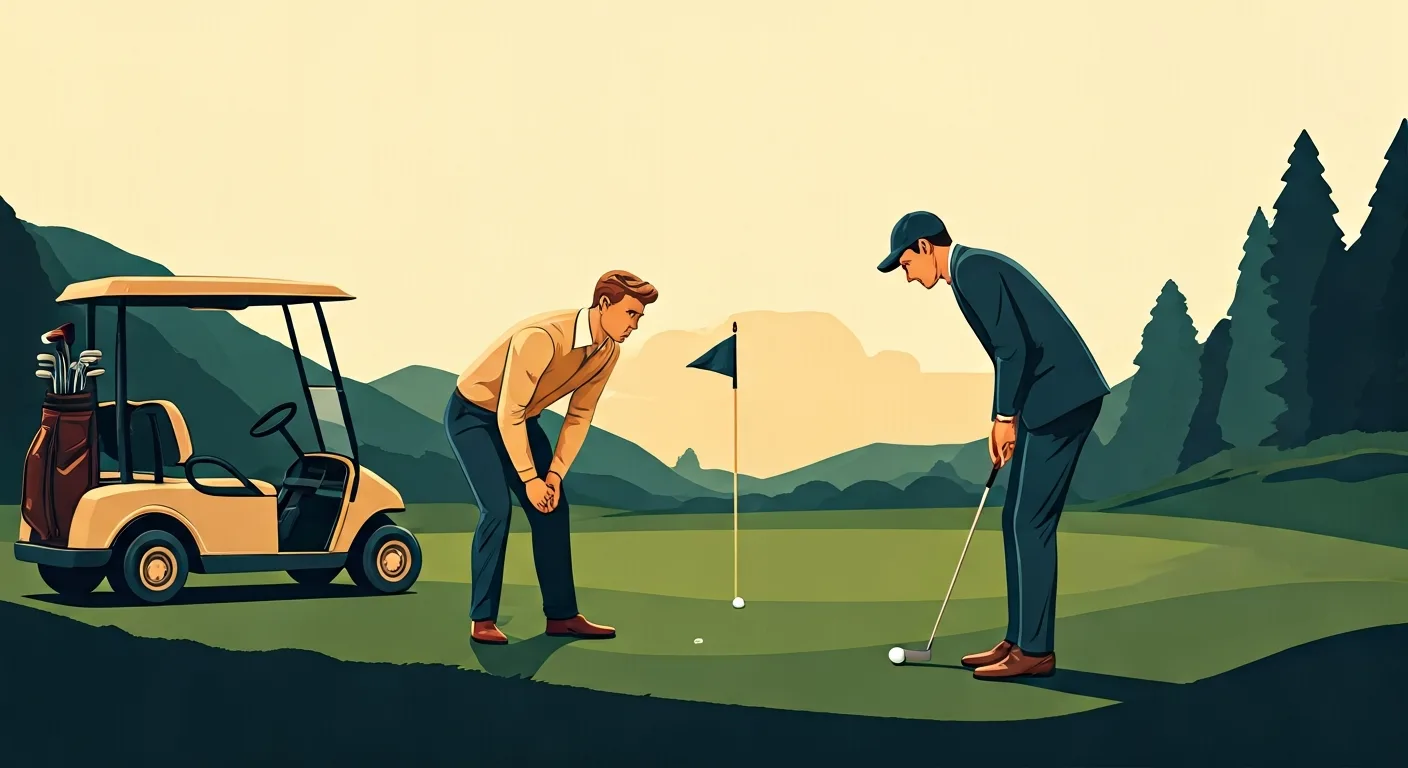
Practises and competes in golf tournaments, refining swing mechanics, course management, and mental focus to perform consistently under competitive pressure. This role demands exceptional physical skill, strategic thinking, and emotional resilience to navigate the highly competitive world of professional sports, often involving extensive travel and public scrutiny.
Entertains audiences, inspires future generations of athletes, and represents brands and countries on a global stage, contributing to the sports and entertainment industries.
On the job
- Participate in daily practice routines focusing on swing mechanics, short game, and putting.
- Compete in professional golf tournaments, adhering to rules and etiquette.
- Develop and execute course management strategies for various golf courses and conditions.
- Manage physical fitness, nutrition, and mental preparation for peak performance.
- Engage with media, sponsors, and fans, managing public image and professional responsibilities.
Tools & technology
Average salary
Job outlook
StableDemand is steady. This is an established role with consistent hiring across sectors.
Education & training
Professional golf careers are typically built through extensive training, competitive play, and talent development from a young age, rather than formal academic qualifications. While some may pursue degrees in sports science or business, it is not a prerequisite for professional status.
AI impact outlook
Note — this is our current view. AI is moving fast, so we revisit these ratings.
Show how this was assessed Hide the detail
Note — this is our current view. AI is moving fast, so we revisit these ratings.
Show how this was assessed Hide the detailWhy this role received this rating
Core task exposure
low
How much of the role’s important work could AI perform?
AI can analyze swing mechanics and suggest course strategies, but the physical execution, feel of the game, and competitive pressure are inherently human.
End-to-end automation
low
Can AI complete the work without substantial human involvement?
Zero, as AI cannot replicate human physical performance, mental fortitude, or compete in professional sports where the essence is human vs. human.
Adoption pressure
moderate
How likely are employers to introduce AI into this work?
Low for replacing the golfer, but high for adopting AI as an assistant for training, strategy, and performance analysis.
Human dependence
strong
How much does success depend on human judgement, relationships and accountability?
Extremely high, as the role's essence is human performance, judgment, strategy, and mental resilience under intense competitive pressure.
Protective — a higher rating lowers the overall score.
Role adaptability
strong
How easily can the role evolve as AI takes on more tasks?
Professional golfers can adapt by transitioning into coaching, media commentary, course design, or sports management roles after their playing career.
Shown for context — not part of the score.
What AI may take on
These are the parts of the role most likely to be automated or significantly accelerated.
- Analyze swing mechanics and suggest corrections
- Optimize course management strategies
- Monitor physical fitness and recovery
- Provide data-driven practice recommendations
- Generate dietary plans for performance
Where people remain essential
These parts continue to depend heavily on human judgement, relationships and accountability.
- Executing precise physical movements under pressure
- Adapting strategy in real-time on the course
- Maintaining mental focus and emotional resilience
- Competing directly against other humans
- Building personal brand and engaging with fans
- Feeling the 'flow' and intuition of the game
- Handling the unique pressures of live competition
How the role may evolve
Human skill, AI-enhanced strategy, unchanged competition.
Golfers will integrate AI tools into their training and strategy, but the fundamental challenge of executing under pressure, adapting to conditions, and maintaining mental toughness will remain their unique contribution.
Strengthen your future fit
- Master advanced data analysis for performance
- Develop deep understanding of biomechanics
- Cultivate extreme mental toughness and focus
- Build strong personal branding and media skills
- Adapt to evolving golf course technologies
- Assessment horizon
- 3–7 years
- Confidence
- High
- Last reviewed
- August 2026
- Methodology
- v1.0
This assessment reflects current AI capabilities and expected adoption patterns. Actual impacts will vary by industry, employer and the way each role is performed.
Career pathways
WHERE YOU COULD GO
CURRENT ROLE
Golfer
Personal & Professional Services
ADJACENT MOVES
STARTING POINTS
Who thrives here
Interest profile
realistic · RES
People who enjoy physical activity, intense competition, strategic thinking, and engaging with others in a public setting often thrive as professional golfers.
Personality characteristics
Disciplined
Adheres strictly to demanding practice schedules, fitness regimes, and competitive routines essential for high performance.
Calm under pressure
Maintains composure and focus during high-stakes moments and recovers quickly from setbacks or mistakes.
Strategic thinker
Analyzes course conditions, evaluates risks, and plans shot sequences to optimize performance in varying situations.
Engaging
Comfortably interacts with media, sponsors, and fans, representing themselves and the sport professionally.
Self-reliant
Operates independently, taking full responsibility for their performance and decision-making on the course.
Best for
- Individuals driven by competitive success and the pursuit of mastery in a physical skill.
- Those who thrive in autonomous roles that require self-discipline and strategic thinking.
- People who enjoy a public profile and engaging with a wide range of stakeholders.
Watch out for
- The career path is highly competitive with no guarantee of success or consistent income.
- Requires extensive travel and time away from home, which can be demanding.
- Performance is often under intense public scrutiny, requiring strong emotional resilience.
A week in the life
A representative working week for a Golfer — where the deep work, meetings, and admin actually land.
Real people. Real results.
Thousands of people
can't be wrong.




Frequently asked questions about Golfer roles
What does a Golfer do?
A Golfer practises and competes in golf tournaments, refining swing mechanics, course management, and mental focus to perform consistently under competitive pressure. This role demands exceptional physical skill, strategic thinking, and emotional resilience to navigate the highly competitive world of professional sports, often involving extensive travel and public scrutiny. Entertains audiences, inspires future generations of athletes, and represents brands and countries on a global stage, contributing to the sports and entertainment industries.
How much does a Golfer earn?
A Golfer earns a median of $150,000 per year in the US, typically ranging from $40,000 to $5,000,000.
What qualifications do you need to become a Golfer?
To become a Golfer, professional golf careers are typically built through extensive training, competitive play, and talent development from a young age, rather than formal academic qualifications. While some may pursue degrees in sports science or business, it is not a prerequisite for professional status.
What personality suits a Golfer?
Golfer roles tend to suit people who are highly conscientious — precise, organised and strong on follow-through (Conscientiousness 80/100) and steady under pressure — deadlines and setbacks do not rattle them easily (Emotional Stability 65/100). The traits that matter most in the role are Disciplined, Calm under pressure, Strategic thinker and Engaging. Adheres strictly to demanding practice schedules, fitness regimes, and competitive routines essential for high performance. On interests, Golfer maps to a RES Holland Code profile — people who enjoy physical activity, intense competition, strategic thinking, and engaging with others in a public setting often thrive as professional golfers.
Who does a Golfer role suit?
A Golfer role is usually a strong fit for these reasons. The role heavily relies on physical skill and continuous practice, aligning with strong Realistic interests. Requires significant strategic planning and analytical thinking for course management and competitive play. Involves extensive public exposure and engagement with media, sponsors, and fans, appealing to Enterprising and Social individuals.
What are the downsides of being a Golfer?
Golfer roles come with trade-offs worth weighing up. The career path is highly competitive with no guarantee of success or consistent income. Requires extensive travel and time away from home, which can be demanding. Performance is often under intense public scrutiny, requiring strong emotional resilience.
What is the work environment like for a Golfer?
Work as a Golfer is mostly outdoors-based with onsite arrangements common, largely self-directed, with little imposed structure, a moderate pace and high exposure to clients or stakeholders. Around 39% of the week is focused deep work.
What skills do you need to be a Golfer?
Core skills for a Golfer include Swing mechanics, Course management, Mental toughness, Strategic thinking and Physical conditioning.
How do you become a Golfer?
Common entry routes into Golfer roles include Junior Golfer, College Golfer and Amateur Champion.
What career progression is there for a Golfer?
From a Golfer role, common next steps include Golf Course Manager; lateral moves include Golf Instructor and Sports Commentator.
What is the job outlook for Golfer roles?
The outlook for Golfer roles is currently rated stable. Demand is steady. This is an established role with consistent hiring across sectors.
Will AI replace Golfer roles?
Traitstack rates automation risk for Golfer roles at 22 out of 100, which is low. Performance analysis and strategic advice can be augmented by AI, but the physical execution, mental resilience, and competitive pressure of professional golf stay profoundly human. AI is most likely to take on analyze swing mechanics and suggest corrections, optimize course management strategies and monitor physical fitness and recovery. Executing precise physical movements under pressure, adapting strategy in real-time on the course and maintaining mental focus and emotional resilience stay with people. Human skill, AI-enhanced strategy, unchanged competition. That score measures how much of the work could change, not the likelihood the job disappears. It is Traitstack's current view, revisited as AI capability moves.