Environmental Compliance Inspector
SOC 13-1041.01 · ESCO 1349 · OSCA 149331
Role snapshot
Overview
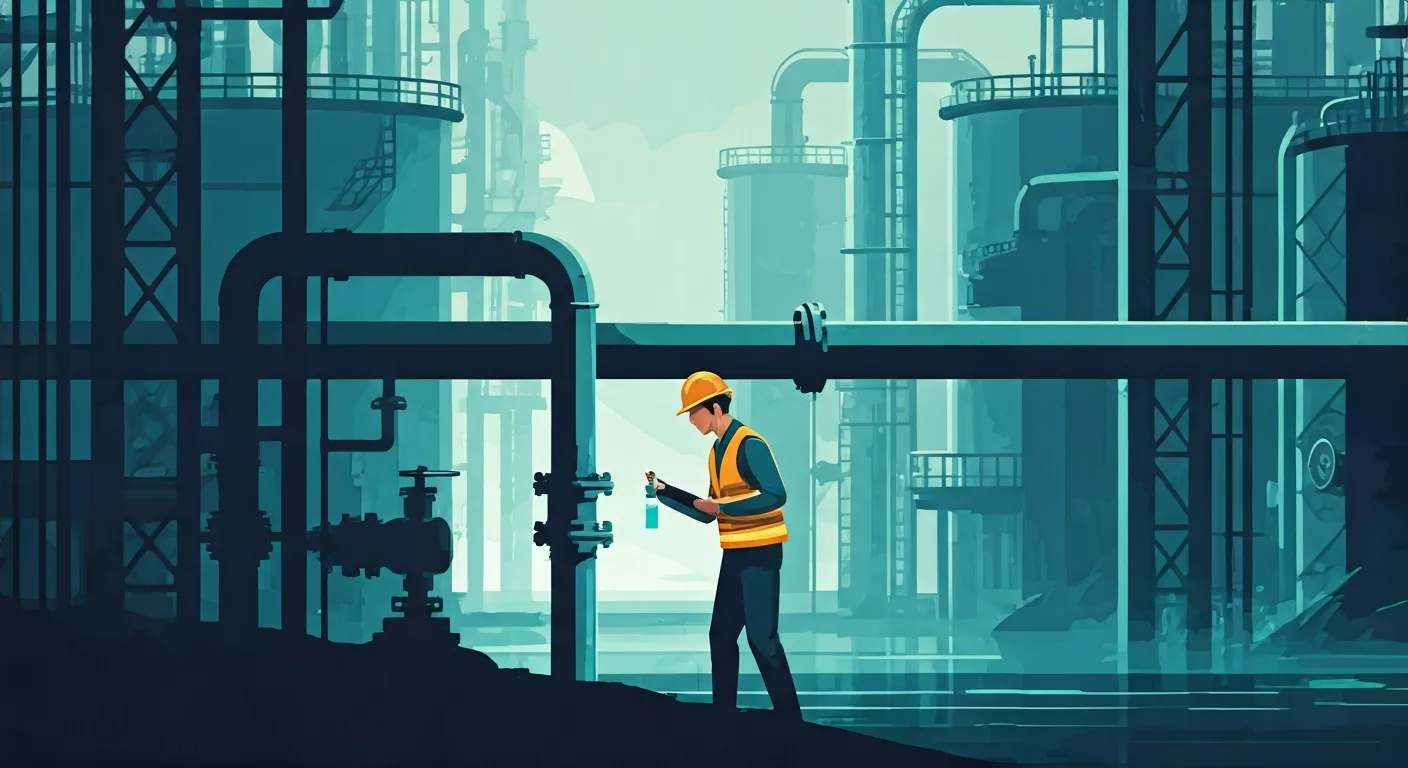
Environmental Compliance Inspectors play a critical role in protecting public health and the environment by ensuring adherence to pollution and emissions regulations. They visit factories, construction sites, and waste facilities to verify compliance, collecting samples, reviewing permits, and writing enforcement reports. This work involves detailed observation, rigorous documentation, and clear communication with regulated entities.
Directly contributes to environmental protection and public health by enforcing regulations that prevent pollution, manage waste, and control emissions, ensuring businesses operate responsibly.
On the job
- Conduct on-site inspections of facilities to assess compliance with environmental laws and permits
- Collect environmental samples (e.g., air, water, soil) for laboratory analysis and documentation
- Review permits, records, and operational procedures to identify potential violations or areas of concern
- Prepare detailed inspection reports, document findings, and recommend corrective actions or enforcement measures
- Communicate findings and regulatory requirements to facility managers, legal teams, and other stakeholders
Tools & technology
Average salary
Job outlook
StableDemand is steady. This is an established role with consistent hiring across sectors.
Education & training
Typically requires a bachelor's degree in environmental science, engineering, chemistry, biology, or a related field. Some positions may accept an associate's degree with significant experience.
AI impact outlook
Note — this is our current view. AI is moving fast, so we revisit these ratings.
Show how this was assessed Hide the detail
Note — this is our current view. AI is moving fast, so we revisit these ratings.
Show how this was assessed Hide the detailWhy this role received this rating
Core task exposure
high
How much of the role’s important work could AI perform?
Reviewing permits, identifying common violations from data, and drafting initial reports are highly exposed tasks.
End-to-end automation
moderate
Can AI complete the work without substantial human involvement?
While AI can draft reports and identify data-driven violations, physical inspections, sampling, and enforcement decisions prevent full workflow automation.
Adoption pressure
high
How likely are employers to introduce AI into this work?
Employers are likely to adopt AI for efficiency in documentation and data analysis, balanced by the need for human accountability in compliance.
Human dependence
low
How much does success depend on human judgement, relationships and accountability?
Success heavily relies on human judgment during on-site observations, communication with stakeholders, and making enforcement recommendations.
Protective — a higher rating lowers the overall score.
Role adaptability
strong
How easily can the role evolve as AI takes on more tasks?
The role can readily adapt by incorporating new regulatory requirements, advanced inspection technologies, and data analysis tools.
Shown for context — not part of the score.
What AI may take on
These are the parts of the role most likely to be automated or significantly accelerated.
- Reviewing permits and records against regulatory databases
- Drafting initial inspection reports from collected data
- Identifying common compliance violations from visual or sensor data
- Analyzing laboratory results for environmental samples against standards
- Summarizing regulatory changes and requirements
Where people remain essential
These parts continue to depend heavily on human judgement, relationships and accountability.
- Conducting physical on-site inspections in varied environments
- Collecting environmental samples with specific protocols
- Communicating findings and negotiating corrective actions with facility managers
- Exercising judgment in complex or ambiguous violation scenarios
- Making final enforcement decisions and issuing citations
- Testifying in legal proceedings related to compliance
- Building relationships with regulated entities for cooperative compliance
How the role may evolve
From document processor to field strategist.
The role will shift from primarily documenting compliance to strategizing interventions and directly engaging with complex, nuanced field situations.
Strengthen your future fit
- Mastering advanced data analysis and visualization tools
- Developing negotiation and conflict resolution skills for compliance
- Specializing in complex environmental systems and emerging regulations
- Leading and coordinating field inspection teams
- Operating and interpreting data from advanced remote sensing technologies
- Assessment horizon
- 3–7 years
- Confidence
- High
- Last reviewed
- August 2026
- Methodology
- v1.0
This assessment reflects current AI capabilities and expected adoption patterns. Actual impacts will vary by industry, employer and the way each role is performed.
Career pathways
WHERE YOU COULD GO
CURRENT ROLE
Environmental Compliance Inspector
Government & Policy
ADJACENT MOVES
STARTING POINTS
Who thrives here
Interest profile
conventional · CIR
Individuals who enjoy detailed investigative work, adhering to structured procedures, and practical application of scientific principles to ensure compliance with environmental regulations often thrive in this role.
Personality characteristics
Thorough
Systematically reviews details, regulations, and site conditions to ensure nothing is overlooked during inspections.
Methodical
Follows established procedures for sample collection, documentation, and report writing with precision.
Resilient
Maintains composure and effectiveness when facing challenging or confrontational situations during enforcement activities.
Observant
Possesses a keen eye for detail and systematically gathers information during site visits and investigations.
Direct Communicator
Clearly explains regulatory requirements and inspection findings to facility representatives, even when delivering unfavorable news.
Best for
- Individuals passionate about environmental protection and regulatory enforcement
- Those who enjoy investigative work, data collection, and structured problem-solving
- Professionals comfortable with both detailed office work and frequent field visits
Watch out for
- Can involve confronting non-compliant entities, requiring resilience and direct communication skills
- Extensive travel and outdoor work in various conditions are common aspects of the job
A week in the life
A representative working week for an Environmental Compliance Inspector — where the deep work, meetings, and admin actually land.
Real people. Real results.
Thousands of people
can't be wrong.


Frequently asked questions about Environmental Compliance Inspector roles
What does an Environmental Compliance Inspector do?
An Environmental Compliance Inspector environmental Compliance Inspectors play a critical role in protecting public health and the environment by ensuring adherence to pollution and emissions regulations. They visit factories, construction sites, and waste facilities to verify compliance, collecting samples, reviewing permits, and writing enforcement reports. This work involves detailed observation, rigorous documentation, and clear communication with regulated entities. Directly contributes to environmental protection and public health by enforcing regulations that prevent pollution, manage waste, and control emissions, ensuring businesses operate responsibly.
How much does an Environmental Compliance Inspector earn?
An Environmental Compliance Inspector earns a median of $78,000 per year in the US, typically ranging from $55,000 to $110,000.
What qualifications do you need to become an Environmental Compliance Inspector?
To become an Environmental Compliance Inspector, typically requires a bachelor's degree in environmental science, engineering, chemistry, biology, or a related field. Some positions may accept an associate's degree with significant experience.
What personality suits an Environmental Compliance Inspector?
Environmental Compliance Inspector roles tend to suit people who are highly conscientious — precise, organised and strong on follow-through (Conscientiousness 85/100) and steady under pressure — deadlines and setbacks do not rattle them easily (Emotional Stability 72/100). The traits that matter most in the role are Thorough, Methodical, Resilient and Observant. Systematically reviews details, regulations, and site conditions to ensure nothing is overlooked during inspections. On interests, Environmental Compliance Inspector maps to a CIR Holland Code profile — individuals who enjoy detailed investigative work, adhering to structured procedures, and practical application of scientific principles to ensure compliance with environmental regulations often thrive in this role.
Who does an Environmental Compliance Inspector role suit?
An Environmental Compliance Inspector role is usually a strong fit for these reasons. Strong Conventional (C) and Investigative (I) alignment for structured, detailed, and analytical work. Significant field-based and external work for those who prefer dynamic environments. Requires high conscientiousness for meticulous adherence to regulations and thorough documentation.
What are the downsides of being an Environmental Compliance Inspector?
Environmental Compliance Inspector roles come with trade-offs worth weighing up. Can involve confronting non-compliant entities, requiring resilience and direct communication skills. Extensive travel and outdoor work in various conditions are common aspects of the job.
What is the work environment like for an Environmental Compliance Inspector?
Work as an Environmental Compliance Inspector is mostly mixed-based with hybrid arrangements common, semi-structured — a mix of set processes and self-directed work, a moderate pace and high exposure to clients or stakeholders. Around 33% of the week is focused deep work.
What skills do you need to be an Environmental Compliance Inspector?
Core skills for an Environmental Compliance Inspector include Environmental regulations knowledge, Field inspection and sampling techniques, Data analysis and interpretation, Technical report writing and Communication and negotiation.
How do you become an Environmental Compliance Inspector?
Common entry routes into Environmental Compliance Inspector roles include Environmental Technician, Laboratory Analyst and Junior Environmental Specialist.
What career progression is there for an Environmental Compliance Inspector?
From an Environmental Compliance Inspector role, common next steps include Senior Environmental Compliance Inspector and Environmental Program Manager; lateral moves include Environmental Consultant and Environmental Scientist.
What is the job outlook for Environmental Compliance Inspector roles?
The outlook for Environmental Compliance Inspector roles is currently rated stable. Demand is steady. This is an established role with consistent hiring across sectors.
Will AI replace Environmental Compliance Inspector roles?
Traitstack rates automation risk for Environmental Compliance Inspector roles at 63 out of 100, which is strong. AI will handle much of the data analysis and report drafting, but human inspectors will remain essential for on-site verification and enforcement decisions. AI is most likely to take on reviewing permits and records against regulatory databases, drafting initial inspection reports from collected data and identifying common compliance violations from visual or sensor data. Conducting physical on-site inspections in varied environments, collecting environmental samples with specific protocols and communicating findings and negotiating corrective actions with facility managers stay with people. From document processor to field strategist. That score measures how much of the work could change, not the likelihood the job disappears. It is Traitstack's current view, revisited as AI capability moves.