Electric Motor Repairer
SOC 49-2092.00 · ESCO 7412
Role snapshot
Overview
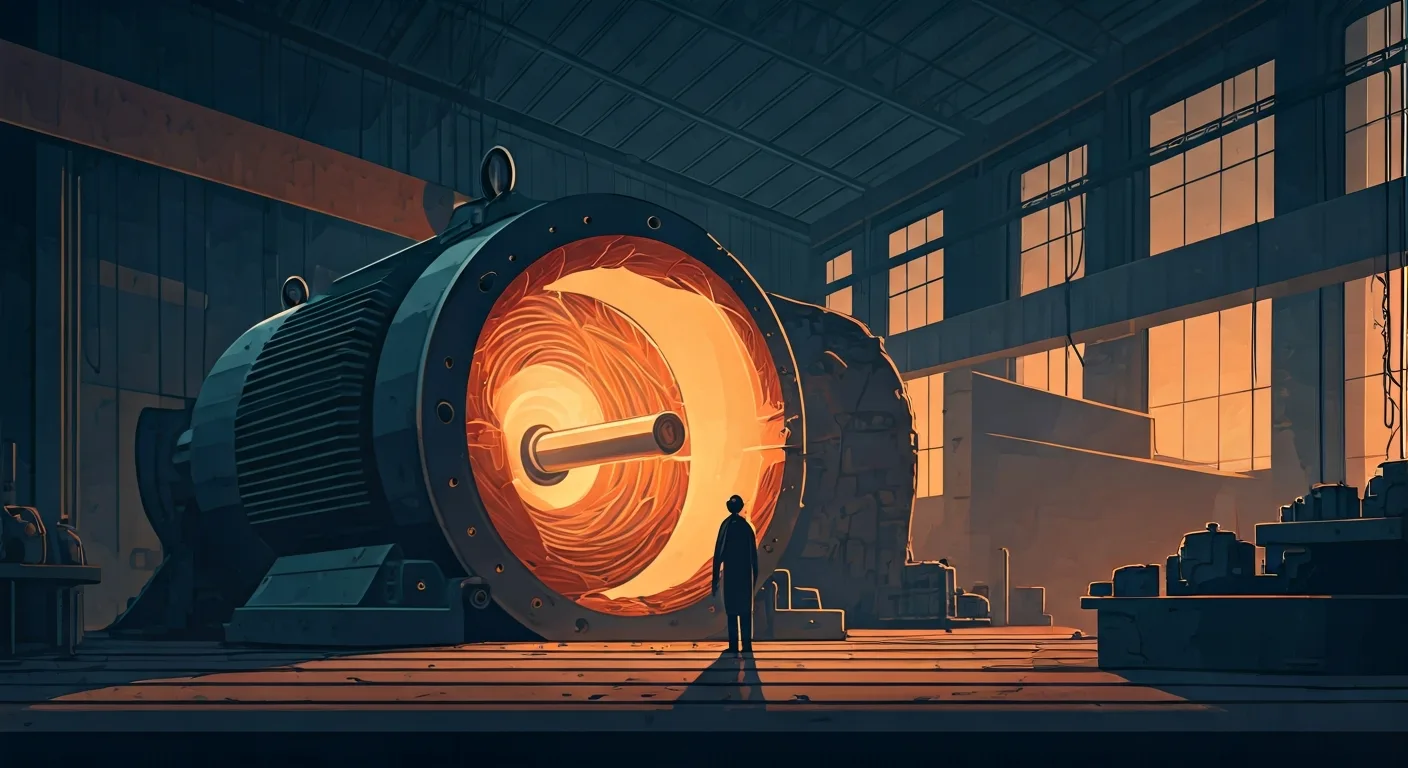
Electric Motor Repairers are skilled technicians who specialize in the maintenance, diagnosis, and repair of electric motors, generators, and transformers. Their work involves disassembling units, identifying faults, and meticulously rebuilding them to restore full functionality and efficiency. This hands-on role requires a deep understanding of electrical principles, the ability to read complex schematics, precise coil rewinding techniques, and thorough performance testing to ensure equipment operates safely and effectively.
Ensures the continuous and efficient operation of critical industrial, commercial, and residential equipment, preventing costly downtime and extending the lifespan of valuable electrical machinery.
On the job
- Disassemble electric motors, generators, and transformers to inspect for wear, damage, or malfunction.
- Diagnose electrical and mechanical faults using specialized testing equipment like multimeters, growlers, and insulation testers.
- Rewind damaged or faulty coils, ensuring proper insulation and connection according to specifications.
- Reassemble, lubricate, and adjust repaired units, then perform performance tests to verify functionality and safety.
- Interpret electrical schematics, blueprints, and technical manuals to guide repair and maintenance procedures.
Tools & technology
Average salary
Job outlook
StableDemand is steady. This is an established role with consistent hiring across sectors.
Education & training
Vocational training, certificate, or associate's degree in electrical technology or a related field, often combined with an apprenticeship.
AI impact outlook
Note — this is our current view. AI is moving fast, so we revisit these ratings.
Show how this was assessed Hide the detail
Note — this is our current view. AI is moving fast, so we revisit these ratings.
Show how this was assessed Hide the detailWhy this role received this rating
Core task exposure
low
How much of the role’s important work could AI perform?
Interpreting schematics, basic diagnostics, and generating repair procedures can be assisted by AI, exposing these analytical tasks.
End-to-end automation
low
Can AI complete the work without substantial human involvement?
The physical disassembly, intricate rewinding, reassembly, and testing of electric motors require hands-on human intervention throughout the process.
Adoption pressure
moderate
How likely are employers to introduce AI into this work?
Moderate pressure for AI in diagnostics and guidance, but less for full automation of complex physical repairs due to specialization and varied conditions.
Human dependence
strong
How much does success depend on human judgement, relationships and accountability?
Success relies heavily on human dexterity, precision, diagnostic judgment for complex failures, and accountability for the safety and functionality of repaired equipment.
Protective — a higher rating lowers the overall score.
Role adaptability
moderate
How easily can the role evolve as AI takes on more tasks?
The role can adapt by managing advanced diagnostic tools, focusing on complex or custom repairs, and potentially supervising more automated aspects of testing.
Shown for context — not part of the score.
What AI may take on
These are the parts of the role most likely to be automated or significantly accelerated.
- Interpreting electrical schematics and blueprints.
- Initial diagnosis of common electrical and mechanical faults.
- Generating step-by-step repair procedures.
- Predictive maintenance scheduling for motor fleets.
- Automated testing of reassembled units (non-performance critical).
- Managing parts inventory and ordering.
Where people remain essential
These parts continue to depend heavily on human judgement, relationships and accountability.
- Physical disassembly and meticulous rebuilding of electric motors and generators.
- Precise rewinding of damaged or faulty coils with proper insulation and connection.
- Complex diagnostic judgment for unique or ambiguous failures.
- Hands-on adjustment and fine-tuning of repaired units.
- Performing performance tests requiring human interpretation and oversight.
- Ensuring safety standards and regulatory compliance for repaired equipment.
- Adapting repair techniques for older or custom machinery.
How the role may evolve
Deeper diagnostics, more specialized, non-routine repairs.
Electric motor repairers will increasingly use AI for routine diagnostics, allowing them to specialize in highly complex repairs, intricate rewinding, and advanced troubleshooting of unique or legacy equipment.
Strengthen your future fit
- Master advanced diagnostic techniques for complex motor failures.
- Specialize in intricate coil rewinding and insulation techniques.
- Gain proficiency in using AI-assisted diagnostic tools.
- Develop expertise in variable frequency drives and motor control systems.
- Enhance mechanical precision and problem-solving skills.
- Assessment horizon
- 3–7 years
- Confidence
- High
- Last reviewed
- August 2026
- Methodology
- v1.0
This assessment reflects current AI capabilities and expected adoption patterns. Actual impacts will vary by industry, employer and the way each role is performed.
Career pathways
WHERE YOU COULD GO
CURRENT ROLE
Electric Motor Repairer
Electrical & Electronic
ADJACENT MOVES
STARTING POINTS
Who thrives here
Interest profile
realistic · RCI
Individuals who enjoy hands-on, practical work with electrical and mechanical systems, coupled with a methodical and analytical approach to problem-solving, will find this role highly engaging.
Personality characteristics
Methodical
Approaches tasks with a systematic and organized plan, ensuring thoroughness in diagnosis and repair.
Practical
Prefers hands-on solutions and tangible results over abstract theories, focusing on what works in the real world.
Analytical
Enjoys dissecting problems to understand their root cause, using logic and data to guide decisions.
Independent
Comfortable working autonomously on complex tasks, relying on self-reliance and expertise.
Calm under pressure
Maintains composure and focus when troubleshooting critical equipment failures or during urgent repairs.
Best for
- Individuals who thrive on solving tangible technical problems and enjoy working with their hands.
- Those who appreciate a methodical approach to work and have a strong aptitude for electrical and mechanical systems.
- People seeking a stable trade career with clear skill progression and a direct impact on operational efficiency.
Watch out for
- Requires high precision and attention to detail, which may not suit those who prefer less structured or more abstract work.
- Occasional weekend or emergency call-out work can disrupt personal schedules.
A week in the life
A representative working week for an Electric Motor Repairer — where the deep work, meetings, and admin actually land.
Real people. Real results.
Thousands of people
can't be wrong.


Frequently asked questions about Electric Motor Repairer roles
What does an Electric Motor Repairer do?
An Electric Motor Repairer electric Motor Repairers are skilled technicians who specialize in the maintenance, diagnosis, and repair of electric motors, generators, and transformers. Their work involves disassembling units, identifying faults, and meticulously rebuilding them to restore full functionality and efficiency. This hands-on role requires a deep understanding of electrical principles, the ability to read complex schematics, precise coil rewinding techniques, and thorough performance testing to ensure equipment operates safely and effectively. Ensures the continuous and efficient operation of critical industrial, commercial, and residential equipment, preventing costly downtime and extending the lifespan of valuable electrical machinery.
How much does an Electric Motor Repairer earn?
An Electric Motor Repairer earns a median of $62,000 per year in the US, typically ranging from $45,000 to $80,000.
What qualifications do you need to become an Electric Motor Repairer?
To become an Electric Motor Repairer, vocational training, certificate, or associate's degree in electrical technology or a related field, often combined with an apprenticeship.
What personality suits an Electric Motor Repairer?
Electric Motor Repairer roles tend to suit people who are highly conscientious — precise, organised and strong on follow-through (Conscientiousness 82/100) and steady under pressure — deadlines and setbacks do not rattle them easily (Emotional Stability 72/100). The traits that matter most in the role are Methodical, Practical, Analytical and Independent. Approaches tasks with a systematic and organized plan, ensuring thoroughness in diagnosis and repair. On interests, Electric Motor Repairer maps to a RCI Holland Code profile — individuals who enjoy hands-on, practical work with electrical and mechanical systems, coupled with a methodical and analytical approach to problem-solving, will find this role highly engaging.
Who does an Electric Motor Repairer role suit?
An Electric Motor Repairer role is usually a strong fit for these reasons. The role strongly aligns with Realistic interests, offering ample opportunities for hands-on technical work. A high Conscientiousness score is beneficial for the meticulous and precise nature of motor repair and winding. The Investigative aspect is well-suited for diagnosing complex electrical and mechanical issues.
What are the downsides of being an Electric Motor Repairer?
Electric Motor Repairer roles come with trade-offs worth weighing up. Requires high precision and attention to detail, which may not suit those who prefer less structured or more abstract work. Occasional weekend or emergency call-out work can disrupt personal schedules.
What is the work environment like for an Electric Motor Repairer?
Work as an Electric Motor Repairer is mostly workshop-based with onsite arrangements common, semi-structured — a mix of set processes and self-directed work, a moderate pace and low exposure to clients or stakeholders. Around 65% of the week is focused deep work.
What skills do you need to be an Electric Motor Repairer?
Core skills for an Electric Motor Repairer include Electrical diagnostics, Motor winding, Schematic reading, Precision mechanical assembly, Troubleshooting and Soldering.
How do you become an Electric Motor Repairer?
Common entry routes into Electric Motor Repairer roles include Electrical Apprentice, Industrial Maintenance Technician and General Mechanic.
What career progression is there for an Electric Motor Repairer?
From an Electric Motor Repairer role, common next steps include Lead Electric Motor Repairer and Electrical Maintenance Supervisor; lateral moves include Industrial Electrician and Field Service Technician.
What is the job outlook for Electric Motor Repairer roles?
The outlook for Electric Motor Repairer roles is currently rated stable. Demand is steady. This is an established role with consistent hiring across sectors.
Will AI replace Electric Motor Repairer roles?
Traitstack rates automation risk for Electric Motor Repairer roles at 31 out of 100, which is low. AI can aid diagnostics and procedure generation for motor repair, but the hands-on disassembly, intricate rewinding, and precise reassembly are firmly human tasks. AI is most likely to take on interpreting electrical schematics and blueprints., initial diagnosis of common electrical and mechanical faults. and generating step-by-step repair procedures.. Physical disassembly and meticulous rebuilding of electric motors and generators., precise rewinding of damaged or faulty coils with proper insulation and connection. and complex diagnostic judgment for unique or ambiguous failures. stay with people. Deeper diagnostics, more specialized, non-routine repairs. That score measures how much of the work could change, not the likelihood the job disappears. It is Traitstack's current view, revisited as AI capability moves.