Critical Care Nurse
SOC 29-1141.03 · ESCO 2240 · OSCA 269431
Role snapshot
Overview
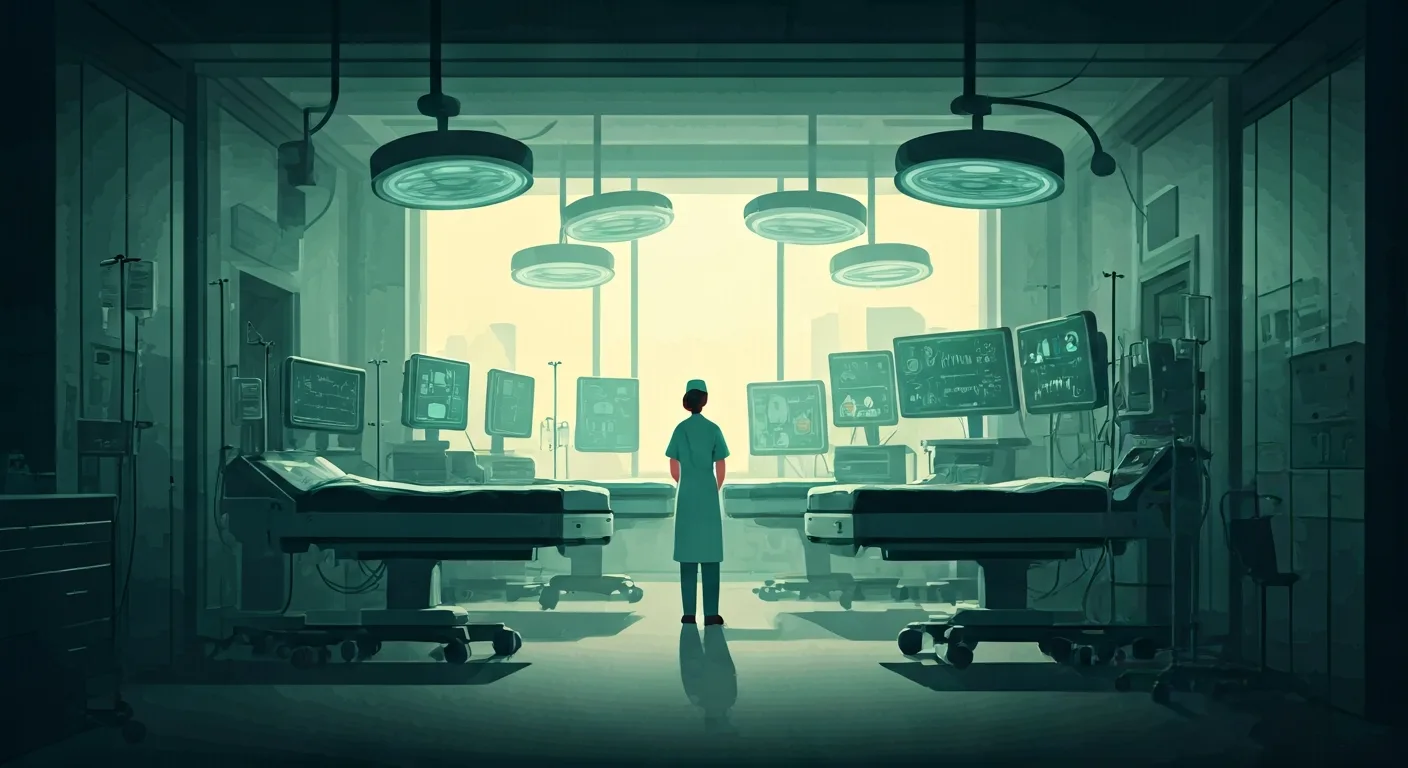
Critical Care Nurses provide specialized, high-level care to critically ill or injured patients in intensive care units (ICUs) and other critical care settings. This involves continuous monitoring of vital signs, administering complex medications, operating advanced life support equipment, and performing intricate medical procedures. They are responsible for rapid assessment, intervention during emergencies, and meticulous documentation of patient status and care plans. Critical Care Nurses also play a vital role in communicating with patients' families and collaborating with a multidisciplinary healthcare team.
Directly saves lives and improves outcomes for critically ill patients by providing continuous, expert medical care and rapid intervention during emergencies. They also offer crucial support and clear communication to patients' families during highly stressful periods.
On the job
- Monitor and interpret vital signs, cardiac rhythms, and lab results, making rapid assessments of patient status.
- Administer complex medications, IV fluids, and blood products with precision and adherence to strict protocols.
- Manage and troubleshoot advanced life support equipment, such as ventilators, dialysis machines, and hemodynamic monitors.
- Perform emergency interventions, including CPR, defibrillation, and rapid response to patient deterioration.
- Educate and provide emotional support to patients and their families, explaining complex medical conditions and treatment plans.
- Maintain meticulous electronic health records, documenting all patient care, interventions, and responses.
Tools & technology
Average salary
Job outlook
ExcellentNew job opportunities are highly likely. Demand significantly outpaces supply in most markets.
Education & training
A bachelor's degree in nursing (BSN) is often preferred, though an associate's degree in nursing (ADN) or diploma from an approved nursing program can also qualify, followed by licensure as a Registered Nurse.
AI impact outlook
Note — this is our current view. AI is moving fast, so we revisit these ratings.
Show how this was assessed Hide the detail
Note — this is our current view. AI is moving fast, so we revisit these ratings.
Show how this was assessed Hide the detailWhy this role received this rating
Core task exposure
low
How much of the role’s important work could AI perform?
Monitoring vital signs, interpreting lab results, and meticulous EHR documentation are highly exposed to AI assistance.
End-to-end automation
low
Can AI complete the work without substantial human involvement?
The need for rapid emergency interventions, complex equipment management, and direct physical patient care prevents full automation.
Adoption pressure
high
How likely are employers to introduce AI into this work?
AI's potential for enhanced monitoring and early warning systems is attractive, but high-risk environments and physical intervention needs slow full adoption.
Human dependence
strong
How much does success depend on human judgement, relationships and accountability?
Success depends entirely on the nurse's rapid, expert judgment, physical presence for interventions, technical skill, and empathetic communication in critical situations.
Protective — a higher rating lowers the overall score.
Role adaptability
strong
How easily can the role evolve as AI takes on more tasks?
While core physical care is constant, critical care evolves significantly with advances in medical technology, protocols, and best practices.
Shown for context — not part of the score.
What AI may take on
These are the parts of the role most likely to be automated or significantly accelerated.
- Continuous interpretation and trending of vital signs
- Automated alerts for subtle changes in patient status
- Meticulous documentation of patient care in EHRs
- Optimizing medication schedules and administration alerts
- Synthesizing large volumes of patient data for rapid assessment
Where people remain essential
These parts continue to depend heavily on human judgement, relationships and accountability.
- Performing emergency interventions like CPR and defibrillation
- Administering complex medications with precision and physical dexterity
- Managing and troubleshooting advanced life support equipment
- Providing emotional support to patients and their families
- Making rapid, nuanced clinical decisions under extreme pressure
- Assessing patient status through physical examination and intuition
- Hands-on care and physical manipulation of critically ill patients
How the role may evolve
Less data entry, more focused life-saving interventions.
AI will handle routine data monitoring and documentation, freeing critical care nurses to focus intensely on complex patient interventions, emergency response, and humanistic care.
Strengthen your future fit
- Advanced clinical assessment and rapid decision-making
- Proficiency in managing complex medical technologies
- Crisis intervention and stress management
- Empathetic communication with patients and families
- Adaptability to evolving critical care protocols
- Assessment horizon
- 3–7 years
- Confidence
- High
- Last reviewed
- August 2026
- Methodology
- v1.0
This assessment reflects current AI capabilities and expected adoption patterns. Actual impacts will vary by industry, employer and the way each role is performed.
Career pathways
WHERE YOU COULD GO
CURRENT ROLE
Critical Care Nurse
Nursing & Midwifery
ADJACENT MOVES
STARTING POINTS
Who thrives here
Interest profile
social · SIC
Individuals who are compassionate, analytical, and meticulous, thriving in structured environments where they can apply their knowledge to directly help others in critical situations.
Personality characteristics
Conscientious
Extremely detail-oriented and responsible, ensuring precise care, meticulous documentation, and strict adherence to medical protocols.
Compassionate
Deeply empathetic and committed to providing comfort, advocacy, and emotional support to critically ill patients and their families.
Calm Under Pressure
Able to maintain composure, think clearly, and make rapid, sound decisions in high-stress, life-or-death emergency situations.
Analytical
Enjoys investigating complex patient symptoms, interpreting diagnostic data, and applying critical thinking to problem-solve medical cases.
Collaborative
Works effectively and communicates clearly with doctors, specialists, and other nurses as an integral part of a cohesive healthcare team.
Best for
- Individuals who are driven to make a direct, life-saving impact and excel in dynamic, high-pressure situations.
- Nurses who value continuous learning, the application of advanced medical skills, and working as part of a dedicated team.
- Those who possess exceptional critical thinking, attention to detail, and compassionate communication skills.
Watch out for
- The work environment is consistently fast-paced and can be emotionally demanding, requiring resilience and strong coping mechanisms.
- Weekend and holiday shifts are a regular part of the schedule due to the 24/7 nature of critical care.
A week in the life
A representative working week for a Critical Care Nurse — where the deep work, meetings, and admin actually land.
Real people. Real results.
Thousands of people
can't be wrong.

Frequently asked questions about Critical Care Nurse roles
What does a Critical Care Nurse do?
A Critical Care Nurse critical Care Nurses provide specialized, high-level care to critically ill or injured patients in intensive care units (ICUs) and other critical care settings. This involves continuous monitoring of vital signs, administering complex medications, operating advanced life support equipment, and performing intricate medical procedures. They are responsible for rapid assessment, intervention during emergencies, and meticulous documentation of patient status and care plans. Critical Care Nurses also play a vital role in communicating with patients' families and collaborating with a multidisciplinary healthcare team. Directly saves lives and improves outcomes for critically ill patients by providing continuous, expert medical care and rapid intervention during emergencies. They also offer crucial support and clear communication to patients' families during highly stressful periods.
How much does a Critical Care Nurse earn?
A Critical Care Nurse earns a median of $98,000 per year in the US, typically ranging from $72,000 to $125,000.
What qualifications do you need to become a Critical Care Nurse?
To become a Critical Care Nurse, a bachelor's degree in nursing (BSN) is often preferred, though an associate's degree in nursing (ADN) or diploma from an approved nursing program can also qualify, followed by licensure as a Registered Nurse. Registered Nurse (RN) license.
What personality suits a Critical Care Nurse?
Critical Care Nurse roles tend to suit people who are highly conscientious — precise, organised and strong on follow-through (Conscientiousness 85/100) and warm and cooperative — tuned in to the people around them (Agreeableness 75/100). The traits that matter most in the role are Conscientious, Compassionate, Calm Under Pressure and Analytical. Extremely detail-oriented and responsible, ensuring precise care, meticulous documentation, and strict adherence to medical protocols. On interests, Critical Care Nurse maps to a SIC Holland Code profile — individuals who are compassionate, analytical, and meticulous, thriving in structured environments where they can apply their knowledge to directly help others in critical situations.
Who does a Critical Care Nurse role suit?
A Critical Care Nurse role is usually a strong fit for these reasons. High Social (S) and Investigative (I) alignment, reflecting the direct patient care and critical problem-solving nature of the role. The role demands high Conscientiousness (C) for meticulous care and adherence to protocols, aligning with your strong affinity. A significant portion of the week involves deep work focused on patient assessment, intervention, and complex care management.
What are the downsides of being a Critical Care Nurse?
Critical Care Nurse roles come with trade-offs worth weighing up. The work environment is consistently fast-paced and can be emotionally demanding, requiring resilience and strong coping mechanisms. Weekend and holiday shifts are a regular part of the schedule due to the 24/7 nature of critical care.
What is the work environment like for a Critical Care Nurse?
Work as a Critical Care Nurse is mostly clinical-based with onsite arrangements common, highly structured, with set processes and deadlines and high exposure to clients or stakeholders. Around 64% of the week is focused deep work.
What skills do you need to be a Critical Care Nurse?
Core skills for a Critical Care Nurse include Critical thinking and rapid assessment, Advanced cardiac life support (ACLS), Medication administration and titration, Patient assessment and monitoring, Emergency response and intervention and Interpersonal communication and empathy.
How do you become a Critical Care Nurse?
Common entry routes into Critical Care Nurse roles include Registered Nurse, Graduate Nurse and Medical Surgical Nurse.
What career progression is there for a Critical Care Nurse?
From a Critical Care Nurse role, common next steps include Clinical Nurse Specialist (CNS), Nurse Practitioner (NP) and Nurse Manager; lateral moves include Nurse Educator.
What is the job outlook for Critical Care Nurse roles?
The outlook for Critical Care Nurse roles is currently rated excellent. New job opportunities are highly likely. Demand significantly outpaces supply in most markets.
Will AI replace Critical Care Nurse roles?
Traitstack rates automation risk for Critical Care Nurse roles at 33 out of 100, which is low. Patient monitoring and EHR documentation will be enhanced by AI, but emergency interventions and providing empathetic support demand human presence and skill. AI is most likely to take on continuous interpretation and trending of vital signs, automated alerts for subtle changes in patient status and meticulous documentation of patient care in ehrs. Performing emergency interventions like cpr and defibrillation, administering complex medications with precision and physical dexterity and managing and troubleshooting advanced life support equipment stay with people. Less data entry, more focused life-saving interventions. That score measures how much of the work could change, not the likelihood the job disappears. It is Traitstack's current view, revisited as AI capability moves.