Creative Technologist
SOC 27-1014.00 · ESCO 2166 · OSCA 232339
Role snapshot
Overview
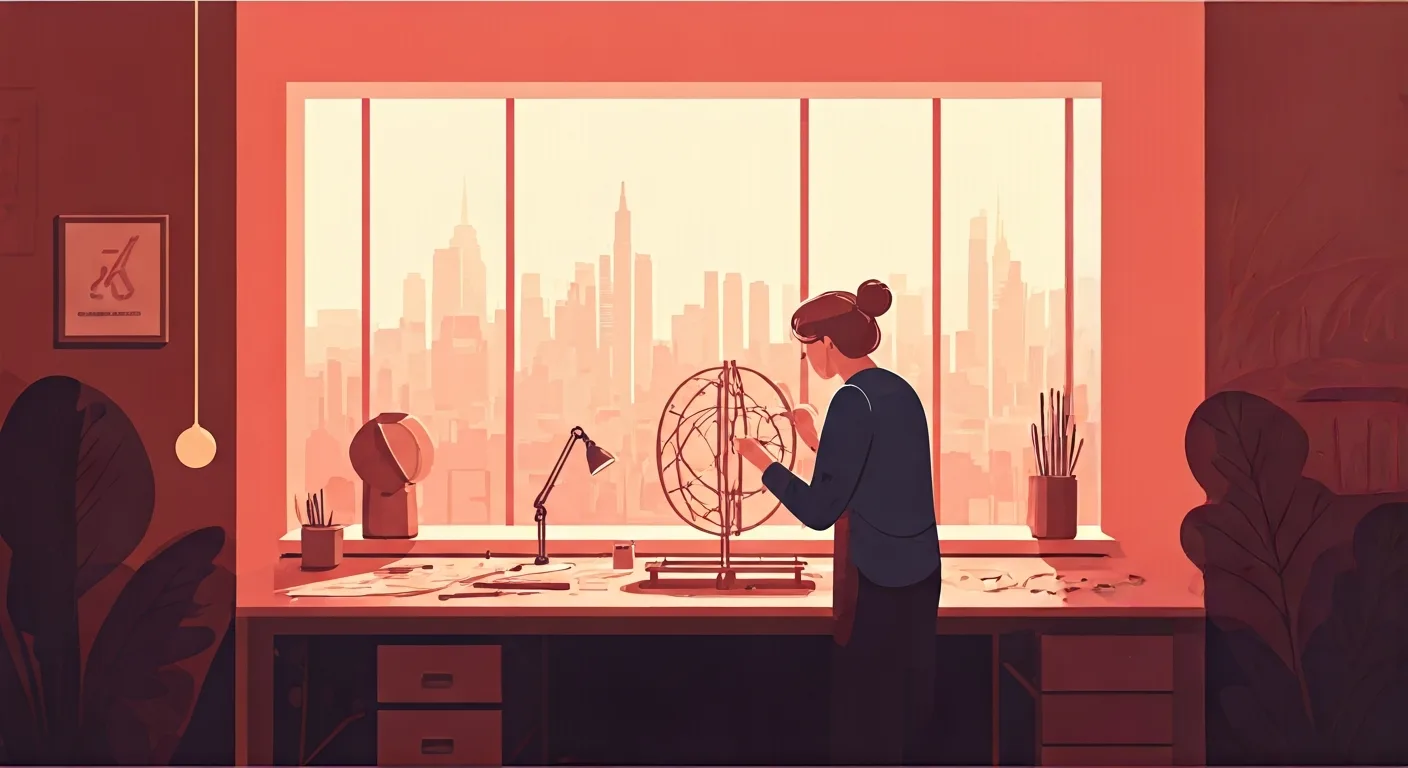
Combines artistic vision with technical skill to build interactive installations, experimental interfaces, and novel digital experiences. Prototypes with code, hardware, and emerging technologies to push the boundaries of what creative work can be. This role bridges the gap between design and development, translating conceptual ideas into tangible, functional, and engaging creative outputs.
Drives innovation in creative industries by exploring new technologies and crafting immersive, interactive experiences that captivate audiences and redefine digital engagement.
On the job
- Develop interactive prototypes using code (e.g., JavaScript, Python) and hardware (e.g., Arduino, Raspberry Pi).
- Design and implement user interfaces and experiences for experimental projects and installations.
- Research and evaluate emerging technologies for creative applications.
- Collaborate with designers, artists, and engineers to bring complex creative visions to life.
- Present technical concepts and project progress to non-technical stakeholders.
Tools & technology
Average salary
Job outlook
GrowingJob growth is expected to be above average over the next five years.
Education & training
Bachelor's degree in a relevant field such as Computer Science, Interaction Design, Digital Media, or Fine Arts. A strong portfolio demonstrating technical and creative projects is essential.
AI impact outlook
Note — this is our current view. AI is moving fast, so we revisit these ratings.
Show how this was assessed Hide the detail
Note — this is our current view. AI is moving fast, so we revisit these ratings.
Show how this was assessed Hide the detailWhy this role received this rating
Core task exposure
high
How much of the role’s important work could AI perform?
Code generation for interactive prototypes, experimental UI design, and research into emerging technologies are highly exposed to AI capabilities.
End-to-end automation
moderate
Can AI complete the work without substantial human involvement?
AI can rapidly generate code and basic prototypes, but translating abstract creative visions and integrating complex hardware systems still requires human intervention.
Adoption pressure
high
How likely are employers to introduce AI into this work?
There is extremely high employer incentive to use AI for accelerating prototyping, code development, and exploration of new creative tech possibilities.
Human dependence
moderate
How much does success depend on human judgement, relationships and accountability?
Success depends on human creativity to define novel experiences, translate conceptual ideas, collaborate cross-functionally, and articulate vision to stakeholders.
Protective — a higher rating lowers the overall score.
Role adaptability
strong
How easily can the role evolve as AI takes on more tasks?
The role is inherently about adapting to and leveraging new technologies, ensuring high adaptability to evolving creative and technical landscapes.
Shown for context — not part of the score.
What AI may take on
These are the parts of the role most likely to be automated or significantly accelerated.
- Generate code snippets for interactive elements
- Develop basic interactive prototypes and interfaces
- Research and summarize emerging technology applications
- Optimize existing codebases for performance
- Automate testing for interactive digital experiences
Where people remain essential
These parts continue to depend heavily on human judgement, relationships and accountability.
- Translate abstract creative visions into tangible technical specifications
- Design novel user interactions for experimental installations
- Integrate complex hardware components and physical computing systems
- Collaborate effectively with diverse artistic and engineering teams
- Debug and troubleshoot complex, interdisciplinary technical issues
- Present technical concepts clearly to non-technical stakeholders
How the role may evolve
Less boilerplate code, more imaginative system design and human experience crafting.
Creative Technologists will leverage AI for routine coding, enabling them to focus on pushing conceptual boundaries, designing unique interactive systems, and crafting engaging user experiences with emerging technologies.
Strengthen your future fit
- Develop advanced prompt engineering for code generation
- Master complex system architecture and integration
- Cultivate strong conceptual design and artistic vision
- Lead interdisciplinary collaboration and communication
- Continuously explore and apply cutting-edge creative technologies
- Assessment horizon
- 3–7 years
- Confidence
- High
- Last reviewed
- August 2026
- Methodology
- v1.0
This assessment reflects current AI capabilities and expected adoption patterns. Actual impacts will vary by industry, employer and the way each role is performed.
Career pathways
WHERE YOU COULD GO
CURRENT ROLE
Creative Technologist
Design & Visual Arts
ADJACENT MOVES
STARTING POINTS
Who thrives here
Interest profile
artistic · ARC
Individuals who thrive on artistic expression, enjoy hands-on technical work, and appreciate structured problem-solving often excel in this role.
Personality characteristics
Innovative
Driven by a strong curiosity to explore new creative and technological possibilities.
Methodical
Approaches technical challenges and prototyping with a structured and logical mindset.
Collaborative
Enjoys working in interdisciplinary teams, sharing ideas and building together.
Resilient
Maintains composure and focus when debugging complex systems or facing creative roadblocks.
Experimenter
Loves hands-on experimentation with hardware and code to bring abstract concepts to life.
Best for
- Individuals passionate about the intersection of art, design, and technology.
- Those who enjoy prototyping, building, and bringing interactive experiences to life.
- Problem-solvers who thrive on creative technical challenges.
Watch out for
- Requires comfort with ambiguity and constant learning in a rapidly evolving tech landscape.
- Balancing artistic integrity with project constraints and technical feasibility can be challenging.
A week in the life
A representative working week for a Creative Technologist — where the deep work, meetings, and admin actually land.
Real people. Real results.
Thousands of people
can't be wrong.




Frequently asked questions about Creative Technologist roles
What does a Creative Technologist do?
A Creative Technologist combines artistic vision with technical skill to build interactive installations, experimental interfaces, and novel digital experiences. Prototypes with code, hardware, and emerging technologies to push the boundaries of what creative work can be. This role bridges the gap between design and development, translating conceptual ideas into tangible, functional, and engaging creative outputs. Drives innovation in creative industries by exploring new technologies and crafting immersive, interactive experiences that captivate audiences and redefine digital engagement.
How much does a Creative Technologist earn?
A Creative Technologist earns a median of $105,000 per year in the US, typically ranging from $75,000 to $150,000.
What qualifications do you need to become a Creative Technologist?
To become a Creative Technologist, bachelor's degree in a relevant field such as Computer Science, Interaction Design, Digital Media, or Fine Arts. A strong portfolio demonstrating technical and creative projects is essential.
What personality suits a Creative Technologist?
Creative Technologist roles tend to suit people who are open and curious — drawn to variety, ideas and new approaches (Openness 92/100). The traits that matter most in the role are Innovative, Methodical, Collaborative and Resilient. Driven by a strong curiosity to explore new creative and technological possibilities. On interests, Creative Technologist maps to an ARC Holland Code profile — individuals who thrive on artistic expression, enjoy hands-on technical work, and appreciate structured problem-solving often excel in this role.
Who does a Creative Technologist role suit?
A Creative Technologist role is usually a strong fit for these reasons. Strong Artistic and Realistic alignment: the role blends creative vision with tangible technical execution. Opportunity to continuously experiment with new technologies and push creative boundaries. High degree of deep work and problem-solving for those who enjoy technical challenges.
What are the downsides of being a Creative Technologist?
Creative Technologist roles come with trade-offs worth weighing up. Requires comfort with ambiguity and constant learning in a rapidly evolving tech landscape. Balancing artistic integrity with project constraints and technical feasibility can be challenging.
What is the work environment like for a Creative Technologist?
Work as a Creative Technologist is mostly office-based with hybrid arrangements common, semi-structured — a mix of set processes and self-directed work, a moderate pace and medium exposure to clients or stakeholders. Around 82% of the week is focused deep work.
What skills do you need to be a Creative Technologist?
Core skills for a Creative Technologist include Creative coding, Prototyping, Interaction design, Hardware integration, Emerging technologies and Problem-solving.
How do you become a Creative Technologist?
Common entry routes into Creative Technologist roles include Junior Developer, Digital Artist, Prototyper and Interaction Designer.
What career progression is there for a Creative Technologist?
From a Creative Technologist role, common next steps include Senior Creative Technologist and Technical Director; lateral moves include Interaction Designer.
What is the job outlook for Creative Technologist roles?
The outlook for Creative Technologist roles is currently rated growing. Job growth is expected to be above average over the next five years.
Will AI replace Creative Technologist roles?
Traitstack rates automation risk for Creative Technologist roles at 73 out of 100, which is strong. AI significantly accelerates code generation and prototyping, shifting the role towards abstract creative vision, complex hardware integration, and human-centric interaction design. AI is most likely to take on generate code snippets for interactive elements, develop basic interactive prototypes and interfaces and research and summarize emerging technology applications. Translate abstract creative visions into tangible technical specifications, design novel user interactions for experimental installations and integrate complex hardware components and physical computing systems stay with people. Less boilerplate code, more imaginative system design and human experience crafting. That score measures how much of the work could change, not the likelihood the job disappears. It is Traitstack's current view, revisited as AI capability moves.