Bus Driver
SOC 53-3052.00 · ESCO 8331 · OSCA 711231
Role snapshot
Overview
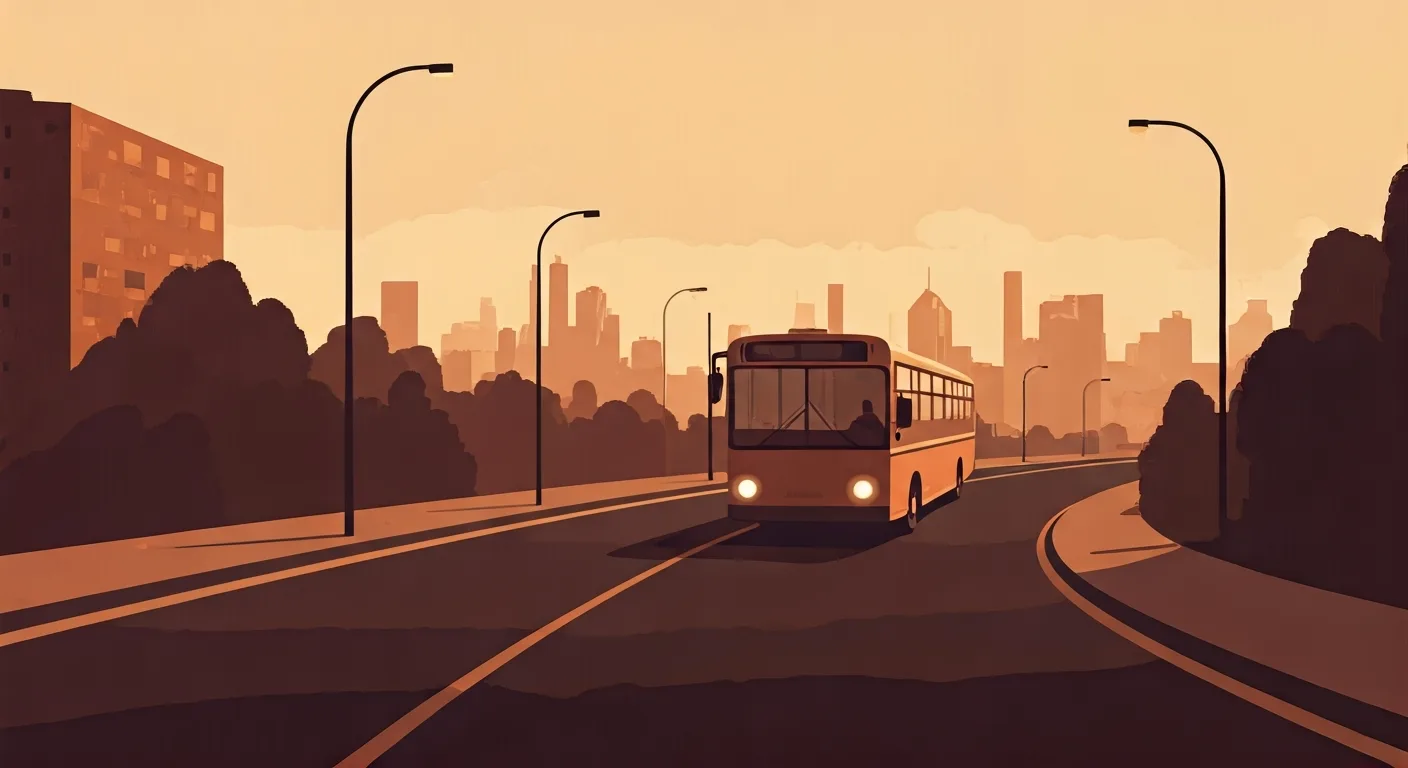
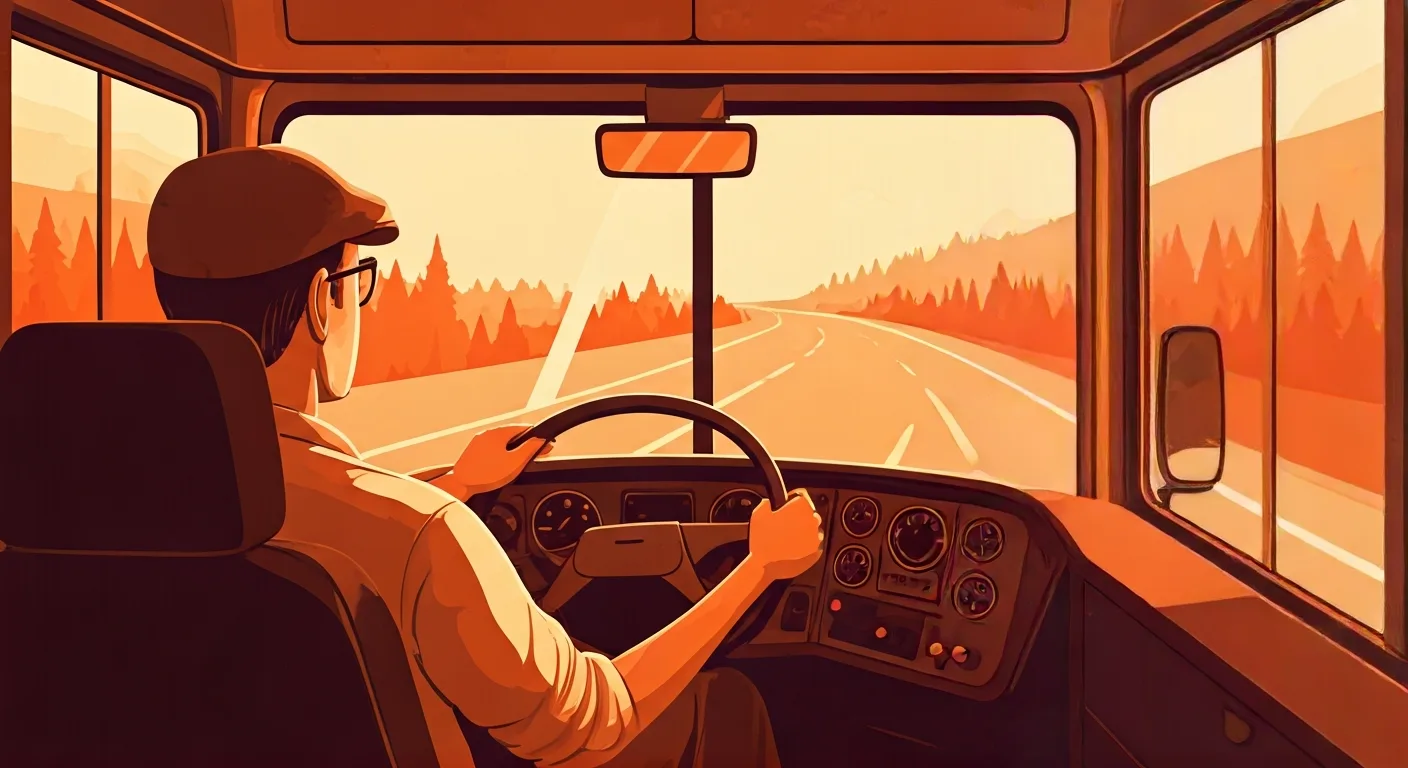
Operates public transit or school buses along fixed routes, safely picking up and dropping off passengers on schedule. Conducts vehicle pre-trip inspections, follows traffic laws, and assists passengers with disabilities or mobility challenges.
Ensures safe and reliable transportation for the community, connecting people to work, school, and essential services, and contributing to public mobility and urban flow.
On the job
- Operate buses safely along designated routes and schedules
- Conduct thorough pre-trip and post-trip vehicle inspections, reporting any defects or maintenance needs
- Collect fares, issue transfers, and provide route information or directions to passengers
- Assist passengers with disabilities or mobility challenges, including operating wheelchair lifts and securing mobility devices
- Maintain a clean and orderly bus interior and manage passenger behavior when necessary
Tools & technology
Average salary
Job outlook
StableDemand is steady. This is an established role with consistent hiring across sectors.
Education & training
High school diploma or GED, plus a Commercial Driver's License (CDL) with passenger endorsements and relevant training.
AI impact outlook
Note — this is our current view. AI is moving fast, so we revisit these ratings.
Show how this was assessed Hide the detail
Note — this is our current view. AI is moving fast, so we revisit these ratings.
Show how this was assessed Hide the detailWhy this role received this rating
Core task exposure
high
How much of the role’s important work could AI perform?
The primary task of operating the vehicle along fixed routes is highly exposed to autonomous driving technology.
End-to-end automation
high
Can AI complete the work without substantial human involvement?
While the core driving can be automated, passenger interaction, safety oversight, and unpredictable events prevent full unaided workflow completion.
Adoption pressure
high
How likely are employers to introduce AI into this work?
High economic pressure to automate, but significant regulatory hurdles and public safety concerns will slow full adoption.
Human dependence
low
How much does success depend on human judgement, relationships and accountability?
Success critically relies on human judgment for passenger safety, conflict resolution, and immediate response to unforeseen circumstances.
Protective — a higher rating lowers the overall score.
Role adaptability
moderate
How easily can the role evolve as AI takes on more tasks?
The role can reshape by focusing more on remote supervision of autonomous fleets or specialized passenger assistance rather than direct driving.
Shown for context — not part of the score.
What AI may take on
These are the parts of the role most likely to be automated or significantly accelerated.
- Operating the vehicle along fixed routes and schedules autonomously.
- Optimizing routes for fuel efficiency and real-time traffic conditions.
- Monitoring vehicle performance and diagnostics for maintenance needs.
- Providing real-time route information and updates to passengers.
Where people remain essential
These parts continue to depend heavily on human judgement, relationships and accountability.
- Assisting passengers with disabilities and mobility challenges.
- Managing passenger behavior and de-escalating conflicts on board.
- Performing physical pre-trip inspections and critical safety checks.
- Responding to unexpected road incidents, accidents, and emergencies.
- Providing empathetic customer service and personal assistance to passengers.
How the role may evolve
From full-time driver to safety operator and passenger specialist.
The role will shift from active driving to overseeing autonomous systems, with an increased focus on passenger safety, assistance, and managing human interactions.
Strengthen your future fit
- Proficiency in monitoring and overseeing autonomous vehicle systems.
- Advanced conflict resolution and de-escalation techniques.
- Enhanced first aid and emergency response capabilities.
- Strong communication and customer service skills for diverse passenger needs.
- Assessment horizon
- 3–7 years
- Confidence
- High
- Last reviewed
- August 2026
- Methodology
- v1.0
This assessment reflects current AI capabilities and expected adoption patterns. Actual impacts will vary by industry, employer and the way each role is performed.
Career pathways
WHERE YOU COULD GO
CURRENT ROLE
Bus Driver
Transport & Aviation
ADJACENT MOVES
STARTING POINTS
Who thrives here
Interest profile
realistic · RCS
Individuals who enjoy practical, hands-on tasks, adhering to rules and procedures, and interacting with the public in a service-oriented capacity often find satisfaction in this role.
Personality characteristics
Methodical
Follows established procedures and schedules meticulously to ensure safety and efficiency in daily operations.
Service-oriented
Enjoys assisting passengers and providing a positive, reliable experience for the public.
Calm under pressure
Maintains composure and focus in challenging traffic conditions or unexpected situations, prioritizing safety.
Independent
Comfortable working for long periods autonomously while adhering to a strict route and schedule.
Routine-oriented
Prefers predictable daily tasks and a structured work environment, with clear duties and expectations.
Best for
- Individuals who value structure, safety, and providing an essential service to their community.
- Those who enjoy driving and operating large vehicles responsibly and precisely.
- People who thrive in a role with clear duties and a predictable routine, with a focus on public interaction.
Watch out for
- Requires working fixed routes and schedules, which may not suit those seeking high variety or autonomy in their daily tasks.
- Dealing with diverse passenger behaviors, potential traffic challenges, and long periods of concentration can be demanding.
A week in the life
A representative working week for a Bus Driver — where the deep work, meetings, and admin actually land.
Real people. Real results.
Thousands of people
can't be wrong.


Frequently asked questions about Bus Driver roles
What does a Bus Driver do?
A Bus Driver operates public transit or school buses along fixed routes, safely picking up and dropping off passengers on schedule. Conducts vehicle pre-trip inspections, follows traffic laws, and assists passengers with disabilities or mobility challenges. Ensures safe and reliable transportation for the community, connecting people to work, school, and essential services, and contributing to public mobility and urban flow.
How much does a Bus Driver earn?
A Bus Driver earns a median of $52,000 per year in the US, typically ranging from $38,000 to $68,000.
What qualifications do you need to become a Bus Driver?
To become a Bus Driver, high school diploma or GED, plus a Commercial Driver's License (CDL) with passenger endorsements and relevant training. Commercial Driver's License (CDL) with passenger endorsement.
What personality suits a Bus Driver?
Bus Driver roles tend to suit people who are highly conscientious — precise, organised and strong on follow-through (Conscientiousness 80/100) and steady under pressure — deadlines and setbacks do not rattle them easily (Emotional Stability 70/100). The traits that matter most in the role are Methodical, Service-oriented, Calm under pressure and Independent. Follows established procedures and schedules meticulously to ensure safety and efficiency in daily operations. On interests, Bus Driver maps to a RCS Holland Code profile — individuals who enjoy practical, hands-on tasks, adhering to rules and procedures, and interacting with the public in a service-oriented capacity often find satisfaction in this role.
Who does a Bus Driver role suit?
A Bus Driver role is usually a strong fit for these reasons. Strong Realistic affinity: involves operating complex machinery and practical problem-solving in a dynamic environment. High Conventional alignment: requires strict adherence to rules, schedules, and safety protocols. Opportunities for public interaction and community service align with Social interests.
What are the downsides of being a Bus Driver?
Bus Driver roles come with trade-offs worth weighing up. Requires working fixed routes and schedules, which may not suit those seeking high variety or autonomy in their daily tasks. Dealing with diverse passenger behaviors, potential traffic challenges, and long periods of concentration can be demanding.
What is the work environment like for a Bus Driver?
Work as a Bus Driver is mostly mixed-based with onsite arrangements common, highly structured, with set processes and deadlines, a moderate pace and high exposure to clients or stakeholders. Around 84% of the week is focused deep work.
What skills do you need to be a Bus Driver?
Core skills for a Bus Driver include Safe vehicle operation, Customer service, Route navigation and scheduling, Defensive driving techniques and Emergency response procedures.
How do you become a Bus Driver?
Common entry routes into Bus Driver roles include Delivery Driver, Taxi Driver and Commercial Driver Trainee.
What career progression is there for a Bus Driver?
From a Bus Driver role, common next steps include Transit Operations Supervisor, Dispatcher and Fleet Manager; lateral moves include Truck Driver and Heavy Equipment Operator.
What is the job outlook for Bus Driver roles?
The outlook for Bus Driver roles is currently rated stable. Demand is steady. This is an established role with consistent hiring across sectors.
Will AI replace Bus Driver roles?
Traitstack rates automation risk for Bus Driver roles at 72 out of 100, which is strong. AI is poised to automate route navigation and driving, while human drivers remain essential for passenger safety, complex interactions, and managing unpredictable road events. AI is most likely to take on operating the vehicle along fixed routes and schedules autonomously., optimizing routes for fuel efficiency and real-time traffic conditions. and monitoring vehicle performance and diagnostics for maintenance needs.. Assisting passengers with disabilities and mobility challenges., managing passenger behavior and de-escalating conflicts on board. and performing physical pre-trip inspections and critical safety checks. stay with people. From full-time driver to safety operator and passenger specialist. That score measures how much of the work could change, not the likelihood the job disappears. It is Traitstack's current view, revisited as AI capability moves.