Drone Operator
SOC 53-6051.00 · ESCO 3155 · OSCA 323133
Role snapshot
Overview
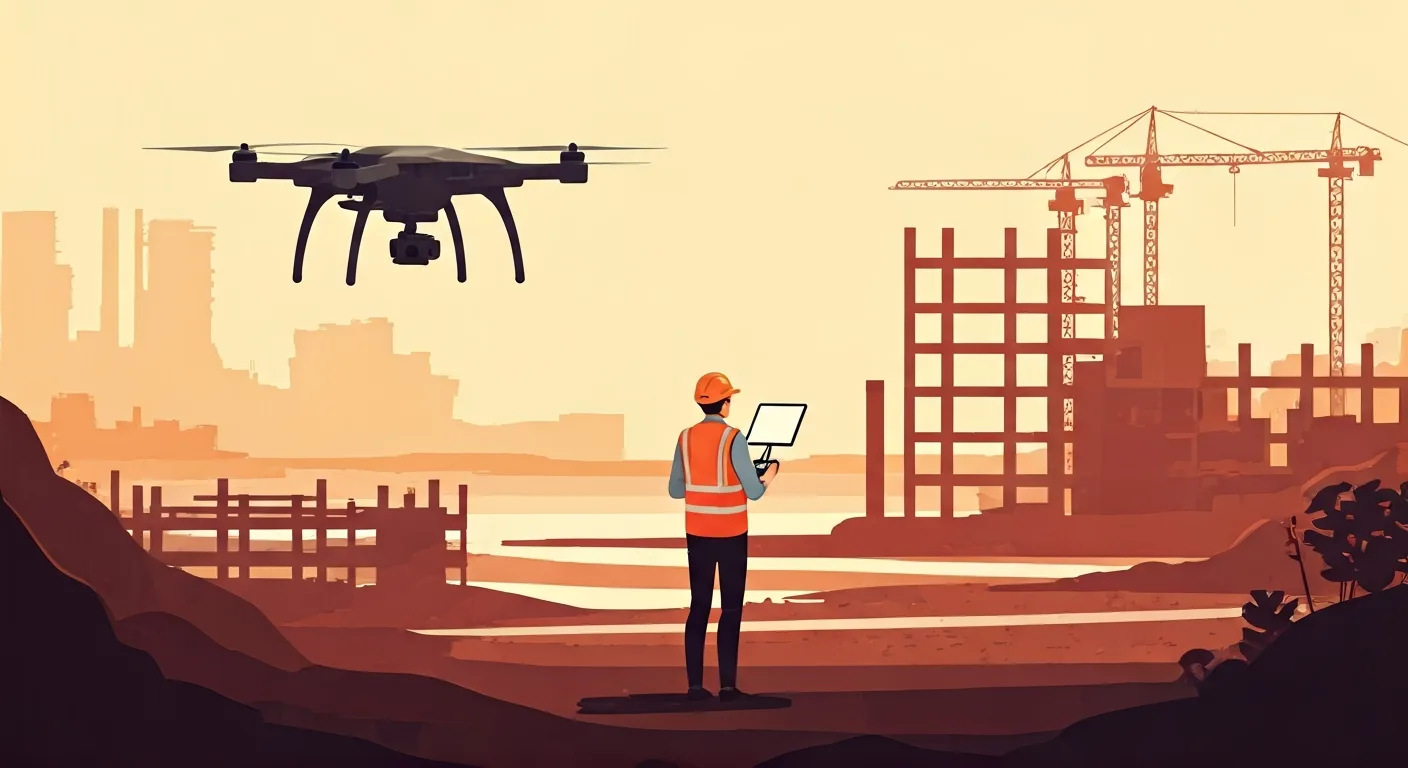
Pilots unmanned aerial vehicles (UAVs) for commercial purposes, including aerial photography, surveying, infrastructure inspection, agricultural monitoring, and delivery services. This role involves meticulous flight planning, pre-flight checks, operating advanced drone equipment, managing data capture, and adhering strictly to aviation regulations to ensure safe and efficient operations within shared airspace. Operators are responsible for equipment maintenance, troubleshooting, and post-flight analysis.
Provides critical data and imagery from unique aerial perspectives, enabling cost-effective and safer solutions for industries like construction, agriculture, real estate, and public safety. Enhances efficiency, reduces risks, and offers insights not achievable by traditional methods.
On the job
- Conduct pre-flight planning, including airspace analysis, weather assessment, and risk mitigation.
- Perform pre-flight inspections and maintenance checks on drones and associated equipment.
- Operate unmanned aerial vehicles safely and efficiently to capture required data or perform tasks.
- Process and analyze collected aerial data, such as images, videos, or LiDAR scans.
- Ensure strict compliance with all local, national, and international aviation regulations.
Tools & technology
Average salary
Job outlook
GrowingJob growth is expected to be above average over the next five years.
Education & training
A FAA Part 107 Remote Pilot Certificate is typically required in the US. Some roles may benefit from an associate's or bachelor's degree in aviation, geospatial technology, or related engineering fields.
AI impact outlook
Note — this is our current view. AI is moving fast, so we revisit these ratings.
Show how this was assessed Hide the detail
Note — this is our current view. AI is moving fast, so we revisit these ratings.
Show how this was assessed Hide the detailWhy this role received this rating
Core task exposure
high
How much of the role’s important work could AI perform?
Many operational aspects, including flight planning, automated flight execution, and initial data processing, are highly susceptible to AI automation.
End-to-end automation
moderate
Can AI complete the work without substantial human involvement?
AI can automate significant portions of drone missions, especially for data capture, but human input is still crucial for complex scenarios and data interpretation.
Adoption pressure
high
How likely are employers to introduce AI into this work?
The drive for efficiency, cost reduction, and enhanced data collection will lead to strong adoption pressure for AI-driven drone automation.
Human dependence
moderate
How much does success depend on human judgement, relationships and accountability?
Success depends on human judgment for complex mission design, risk assessment in dynamic environments, and expert analysis of collected data, providing a moderate safeguard.
Protective — a higher rating lowers the overall score.
Role adaptability
strong
How easily can the role evolve as AI takes on more tasks?
The role can adapt by moving from direct drone piloting to advanced data analytics, client consultation, and specialized application development for drone technology.
Shown for context — not part of the score.
What AI may take on
These are the parts of the role most likely to be automated or significantly accelerated.
- Conducting pre-flight planning and airspace analysis
- Operating unmanned aerial vehicles safely along pre-programmed routes
- Processing and initial analysis of collected aerial data
- Performing routine pre-flight inspections and maintenance checks
Where people remain essential
These parts continue to depend heavily on human judgement, relationships and accountability.
- Designing complex or novel drone missions for specific client needs
- Interpreting nuanced aerial data to provide actionable insights
- Managing unexpected environmental challenges during flight
- Ensuring strict compliance with evolving aviation regulations
- Troubleshooting advanced drone hardware and software issues
- Consulting with clients on the strategic use of drone data
How the role may evolve
From piloting the drone to interpreting its insights.
The role will evolve from manual operation and basic data capture to one focused on strategic mission planning, sophisticated data analysis, and providing expert consultation.
Strengthen your future fit
- Developing expertise in geospatial data analysis and visualization
- Mastering advanced drone software and mission planning tools
- Cultivating strong client communication and project management skills
- Staying current with rapidly evolving drone regulations and technologies
- Assessment horizon
- 3–7 years
- Confidence
- High
- Last reviewed
- August 2026
- Methodology
- v1.0
This assessment reflects current AI capabilities and expected adoption patterns. Actual impacts will vary by industry, employer and the way each role is performed.
Career pathways
WHERE YOU COULD GO
CURRENT ROLE
Drone Operator
Transport & Aviation
ADJACENT MOVES
STARTING POINTS
Who thrives here
Interest profile
conventional · CRI
Individuals who enjoy structured tasks, precise operations, working with equipment, and analyzing technical data will find this role engaging.
Personality characteristics
Methodical
Approaches tasks with careful planning, adherence to protocols, and attention to detail, crucial for safe flight operations.
Calm under pressure
Maintains composure and makes rational decisions when facing unexpected flight conditions or technical issues.
Technically curious
Enjoys learning about new drone technologies, software, and data analysis methods.
Reliable
Consistently follows safety procedures and delivers accurate data, building trust with clients and team members.
Independent
Comfortable working autonomously in the field, managing operations and making on-site decisions.
Best for
- Individuals who thrive on precision, technical challenges, and operating sophisticated machinery.
- Those who enjoy contributing to tangible outcomes through data collection and analysis.
Watch out for
- Requires meticulous attention to detail and strict adherence to regulations, which may feel restrictive to some.
- Field work often involves variable weather conditions and requires adaptability.
A week in the life
A representative working week for a Drone Operator — where the deep work, meetings, and admin actually land.
Real people. Real results.
Thousands of people
can't be wrong.




Frequently asked questions about Drone Operator roles
What does a Drone Operator do?
A Drone Operator pilots unmanned aerial vehicles (UAVs) for commercial purposes, including aerial photography, surveying, infrastructure inspection, agricultural monitoring, and delivery services. This role involves meticulous flight planning, pre-flight checks, operating advanced drone equipment, managing data capture, and adhering strictly to aviation regulations to ensure safe and efficient operations within shared airspace. Operators are responsible for equipment maintenance, troubleshooting, and post-flight analysis. Provides critical data and imagery from unique aerial perspectives, enabling cost-effective and safer solutions for industries like construction, agriculture, real estate, and public safety. Enhances efficiency, reduces risks, and offers insights not achievable by traditional methods.
How much does a Drone Operator earn?
A Drone Operator earns a median of $75,000 per year in the US, typically ranging from $50,000 to $110,000.
What qualifications do you need to become a Drone Operator?
To become a Drone Operator, a FAA Part 107 Remote Pilot Certificate is typically required in the US. Some roles may benefit from an associate's or bachelor's degree in aviation, geospatial technology, or related engineering fields. FAA Part 107 Remote Pilot Certificate (US).
What personality suits a Drone Operator?
Drone Operator roles tend to suit people who are highly conscientious — precise, organised and strong on follow-through (Conscientiousness 82/100) and steady under pressure — deadlines and setbacks do not rattle them easily (Emotional Stability 70/100). The traits that matter most in the role are Methodical, Calm under pressure, Technically curious and Reliable. Approaches tasks with careful planning, adherence to protocols, and attention to detail, crucial for safe flight operations. On interests, Drone Operator maps to a CRI Holland Code profile — individuals who enjoy structured tasks, precise operations, working with equipment, and analyzing technical data will find this role engaging.
Who does a Drone Operator role suit?
A Drone Operator role is usually a strong fit for these reasons. Strong Conventional and Realistic alignment: the role requires adherence to strict protocols, precise operation of equipment, and practical problem-solving. Involves a significant amount of deep work focused on flight planning, data processing, and equipment maintenance. Appeals to those who enjoy working with advanced technology in outdoor and varied environments.
What are the downsides of being a Drone Operator?
Drone Operator roles come with trade-offs worth weighing up. Requires meticulous attention to detail and strict adherence to regulations, which may feel restrictive to some. Field work often involves variable weather conditions and requires adaptability.
What is the work environment like for a Drone Operator?
Work as a Drone Operator is mostly outdoors-based with field arrangements common, semi-structured — a mix of set processes and self-directed work, a moderate pace and medium exposure to clients or stakeholders. Around 71% of the week is focused deep work.
What skills do you need to be a Drone Operator?
Core skills for a Drone Operator include UAV flight operation, Aviation regulations compliance, Data acquisition and processing, Equipment maintenance, Risk assessment and Spatial awareness.
How do you become a Drone Operator?
Common entry routes into Drone Operator roles include Entry Level Drone Technician, Aerial Photographer and Survey Technician.
What career progression is there for a Drone Operator?
From a Drone Operator role, common next steps include Senior Drone Pilot and UAV Program Manager; lateral moves include Geospatial Analyst.
What is the job outlook for Drone Operator roles?
The outlook for Drone Operator roles is currently rated growing. Job growth is expected to be above average over the next five years.
Will AI replace Drone Operator roles?
Traitstack rates automation risk for Drone Operator roles at 67 out of 100, which is strong. AI is highly effective at automating drone flight paths and processing captured data, shifting the human role towards complex mission design and expert data interpretation. AI is most likely to take on conducting pre-flight planning and airspace analysis, operating unmanned aerial vehicles safely along pre-programmed routes and processing and initial analysis of collected aerial data. Designing complex or novel drone missions for specific client needs, interpreting nuanced aerial data to provide actionable insights and managing unexpected environmental challenges during flight stay with people. From piloting the drone to interpreting its insights. That score measures how much of the work could change, not the likelihood the job disappears. It is Traitstack's current view, revisited as AI capability moves.