Anesthetic Technician
SOC 29-2057.00 · ESCO 3259 · OSCA 311231
Role snapshot
Overview
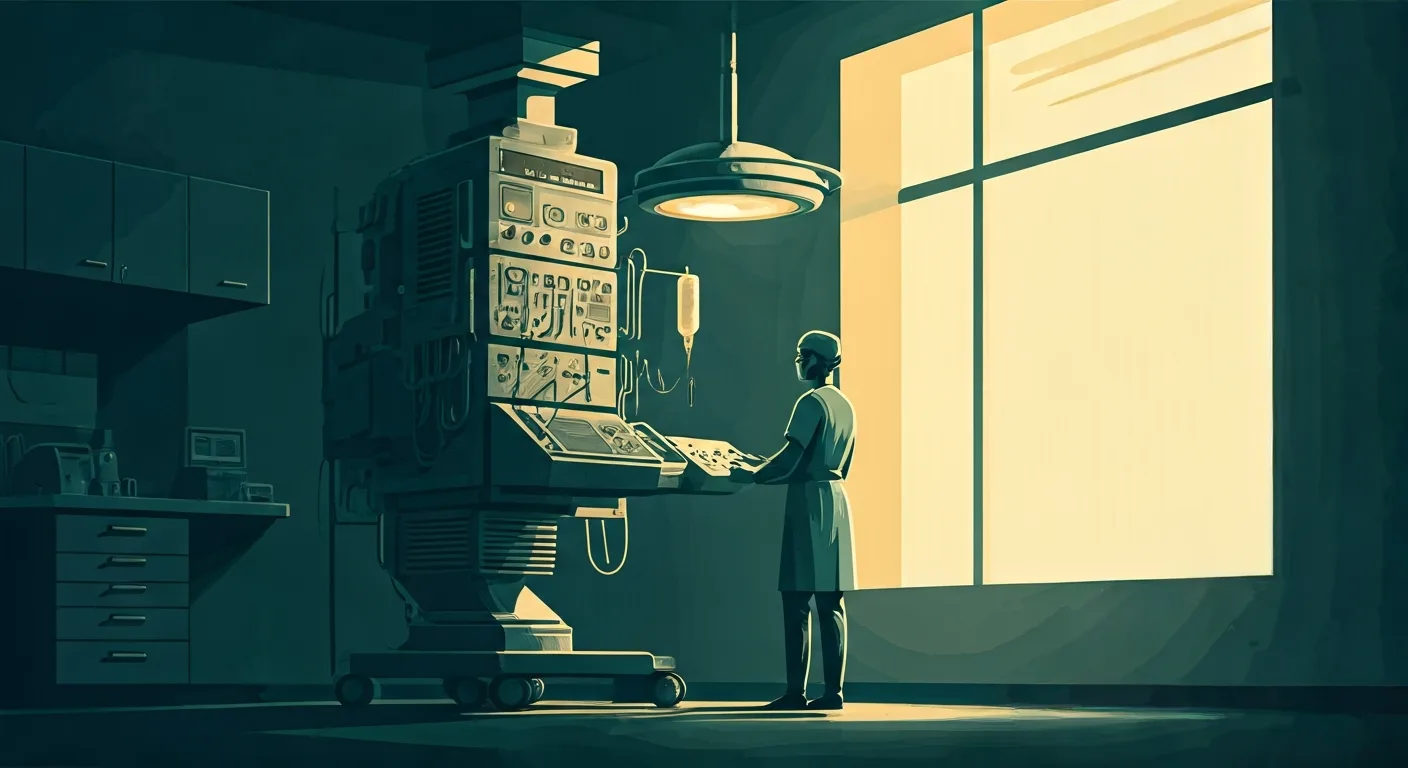
An Anesthetic Technician plays a crucial role in surgical teams by preparing, maintaining, and troubleshooting anaesthesia equipment. They assist the anaesthetist (anesthesiologist in the US) during surgical procedures, monitor patients' vital signs, and ensure all necessary drugs, gases, and devices are ready and functioning safely. Their expertise is vital for patient safety and the smooth operation of surgical environments.
Ensures the safe and effective administration of anaesthesia during surgical procedures, directly contributing to patient well-being and the successful outcome of operations. Their vigilance and technical proficiency support anaesthesiologists in critical moments.
On the job
- Prepare and set up anaesthesia machines, ventilators, and monitoring devices before procedures.
- Assist the anaesthetist with patient intubation, extubation, and regional anaesthesia procedures.
- Monitor and record patients' vital signs, anaesthesia depth, and fluid balance during surgery.
- Clean, sterilise, and maintain anaesthesia equipment, ensuring readiness for subsequent cases.
- Manage and stock anaesthesia supplies, medications, and emergency equipment.
Tools & technology
Average salary
Job outlook
GrowingJob growth is expected to be above average over the next five years.
Education & training
Completion of an accredited Anesthesia Technology program (associate's degree or certificate) is typically required, often alongside professional certification.
AI impact outlook
Note — this is our current view. AI is moving fast, so we revisit these ratings.
Show how this was assessed Hide the detail
Note — this is our current view. AI is moving fast, so we revisit these ratings.
Show how this was assessed Hide the detailWhy this role received this rating
Core task exposure
moderate
How much of the role’s important work could AI perform?
Monitoring vital signs, managing inventory, and preparing routine equipment setups are highly exposed to AI assistance.
End-to-end automation
low
Can AI complete the work without substantial human involvement?
Direct physical assistance during intubation/extubation, complex troubleshooting, and ensuring patient safety in dynamic environments are beyond current AI capabilities.
Adoption pressure
moderate
How likely are employers to introduce AI into this work?
High-stakes surgical environments mandate caution, but AI for efficiency in preparation and data monitoring holds appeal for hospitals.
Human dependence
strong
How much does success depend on human judgement, relationships and accountability?
Success relies on immediate problem-solving, precision, teamwork under pressure, and ultimate accountability for patient safety during surgery.
Protective — a higher rating lowers the overall score.
Role adaptability
strong
How easily can the role evolve as AI takes on more tasks?
The role must constantly adapt to new anaesthesia equipment and surgical procedures, making technological evolution a core aspect.
Shown for context — not part of the score.
What AI may take on
These are the parts of the role most likely to be automated or significantly accelerated.
- Automated monitoring and recording of patients' vital signs
- AI-driven inventory management for anaesthesia supplies and medications
- Predictive maintenance scheduling for anaesthesia machines and ventilators
- Automated checks for equipment readiness and calibration
- Generating routine documentation for equipment use and maintenance
Where people remain essential
These parts continue to depend heavily on human judgement, relationships and accountability.
- Assisting the anaesthetist with patient intubation and extubation procedures
- Performing complex, real-time troubleshooting of anaesthesia equipment during surgery
- Ensuring patient safety through vigilant observation and quick intervention
- Cleaning, sterilising, and physically maintaining anaesthesia equipment
- Managing emergency situations that arise unexpectedly in the operating room
- Providing hands-on setup and adjustment of monitoring devices
- Collaborating effectively as part of a surgical team
How the role may evolve
Elevating human oversight in high-stakes procedural assistance.
Anaesthetic Technicians will become even more focused on critical thinking, complex problem-solving, and direct procedural assistance, with AI handling much of the routine monitoring and inventory management.
Strengthen your future fit
- Advanced troubleshooting and critical thinking in technical failures
- Mastery of new generations of anaesthesia and monitoring technology
- Enhanced teamwork and communication in high-pressure environments
- Proactive identification of potential patient risks
- Adapting to evolving surgical techniques and equipment
- Assessment horizon
- 3–7 years
- Confidence
- Medium
- Last reviewed
- August 2026
- Methodology
- v1.0
This assessment reflects current AI capabilities and expected adoption patterns. Actual impacts will vary by industry, employer and the way each role is performed.
Career pathways
WHERE YOU COULD GO
CURRENT ROLE
Anesthetic Technician
Allied Health
ADJACENT MOVES
STARTING POINTS
Who thrives here
Interest profile
investigative · RIS
Individuals who enjoy working with their hands, solving technical problems, and supporting others in a critical, fast-paced environment often thrive as Anesthetic Technicians.
Personality characteristics
Meticulous
Possesses exceptional attention to detail, ensuring all equipment is prepared and functioning flawlessly.
Observant
Keenly monitors patient vital signs and equipment, quickly identifying any anomalies or potential issues.
Calm under pressure
Maintains composure and efficiency in high-stress, emergency situations during surgery.
Team-oriented
Collaborates effectively with anaesthetists, surgeons, and nurses to ensure seamless patient care.
Practical
Enjoys hands-on work with medical devices and equipment, ensuring their readiness and functionality.
Best for
- Individuals who thrive in a structured, critical care environment and enjoy working with advanced medical equipment.
- Those who are meticulous, calm under pressure, and dedicated to patient safety.
- People who value being an integral part of a highly skilled medical team.
Watch out for
- The work environment is often fast-paced and high-pressure, requiring a strong ability to manage stress and react quickly.
- Irregular hours, including on-call shifts and occasional weekend work, are common in clinical settings.
A week in the life
A representative working week for an Anesthetic Technician — where the deep work, meetings, and admin actually land.
Real people. Real results.
Thousands of people
can't be wrong.





Frequently asked questions about Anesthetic Technician roles
What does an Anesthetic Technician do?
An Anesthetic Technician an Anesthetic Technician plays a crucial role in surgical teams by preparing, maintaining, and troubleshooting anaesthesia equipment. They assist the anaesthetist (anesthesiologist in the US) during surgical procedures, monitor patients' vital signs, and ensure all necessary drugs, gases, and devices are ready and functioning safely. Their expertise is vital for patient safety and the smooth operation of surgical environments. Ensures the safe and effective administration of anaesthesia during surgical procedures, directly contributing to patient well-being and the successful outcome of operations. Their vigilance and technical proficiency support anaesthesiologists in critical moments.
How much does an Anesthetic Technician earn?
An Anesthetic Technician earns a median of $60,000 per year in the US, typically ranging from $45,000 to $80,000.
What qualifications do you need to become an Anesthetic Technician?
To become an Anesthetic Technician, completion of an accredited Anesthesia Technology program (associate's degree or certificate) is typically required, often alongside professional certification. Certified Anesthesia Technologist (Cer.A.T.T.) or Certified Anesthesia Technician (Cer.A.T.) by the ASATT (American Society of Anesthesia Technologists and Technicians).
What personality suits an Anesthetic Technician?
Anesthetic Technician roles tend to suit people who are highly conscientious — precise, organised and strong on follow-through (Conscientiousness 88/100) and warm and cooperative — tuned in to the people around them (Agreeableness 70/100). The traits that matter most in the role are Meticulous, Observant, Calm under pressure and Team-oriented. Possesses exceptional attention to detail, ensuring all equipment is prepared and functioning flawlessly. On interests, Anesthetic Technician maps to a RIS Holland Code profile — individuals who enjoy working with their hands, solving technical problems, and supporting others in a critical, fast-paced environment often thrive as Anesthetic Technicians.
Who does an Anesthetic Technician role suit?
An Anesthetic Technician role is usually a strong fit for these reasons. High demand for Realistic and Investigative skills, involving hands-on work with complex medical technology and critical problem-solving. The role requires strong Conscientiousness and Agreeableness, crucial for precise execution and seamless team collaboration in a high-stakes environment. A significant portion of the work involves direct patient support and critical monitoring, aligning with Social interests in caring for others.
What are the downsides of being an Anesthetic Technician?
Anesthetic Technician roles come with trade-offs worth weighing up. The work environment is often fast-paced and high-pressure, requiring a strong ability to manage stress and react quickly. Irregular hours, including on-call shifts and occasional weekend work, are common in clinical settings.
What is the work environment like for an Anesthetic Technician?
Work as an Anesthetic Technician is mostly clinical-based with onsite arrangements common, highly structured, with set processes and deadlines and high exposure to clients or stakeholders. Around 33% of the week is focused deep work.
What skills do you need to be an Anesthetic Technician?
Core skills for an Anesthetic Technician include Anaesthesia Equipment Operation, Patient Monitoring, Emergency Response, Sterilisation Techniques, Inventory Management and Attention to Detail.
How do you become an Anesthetic Technician?
Common entry routes into Anesthetic Technician roles include Medical Assistant, Certified Nursing Assistant and Emergency Medical Technician.
What career progression is there for an Anesthetic Technician?
From an Anesthetic Technician role, common next steps include Lead Anesthetic Technician and Anesthesia Technologist Specialist; lateral moves include Perfusionist and Surgical Technologist.
What is the job outlook for Anesthetic Technician roles?
The outlook for Anesthetic Technician roles is currently rated growing. Job growth is expected to be above average over the next five years.
Will AI replace Anesthetic Technician roles?
Traitstack rates automation risk for Anesthetic Technician roles at 40 out of 100, which is low. Human vigilance, immediate problem-solving, and direct assistance during high-stakes medical procedures are indispensable, though AI support could aid the preparation and monitoring of equipment. AI is most likely to take on automated monitoring and recording of patients' vital signs, ai-driven inventory management for anaesthesia supplies and medications and predictive maintenance scheduling for anaesthesia machines and ventilators. Assisting the anaesthetist with patient intubation and extubation procedures, performing complex, real-time troubleshooting of anaesthesia equipment during surgery and ensuring patient safety through vigilant observation and quick intervention stay with people. Elevating human oversight in high-stakes procedural assistance. That score measures how much of the work could change, not the likelihood the job disappears. It is Traitstack's current view, revisited as AI capability moves.