Agricultural Inspector
SOC 45-2011.00 · ESCO 3142 · OSCA 311231
Role snapshot
Overview
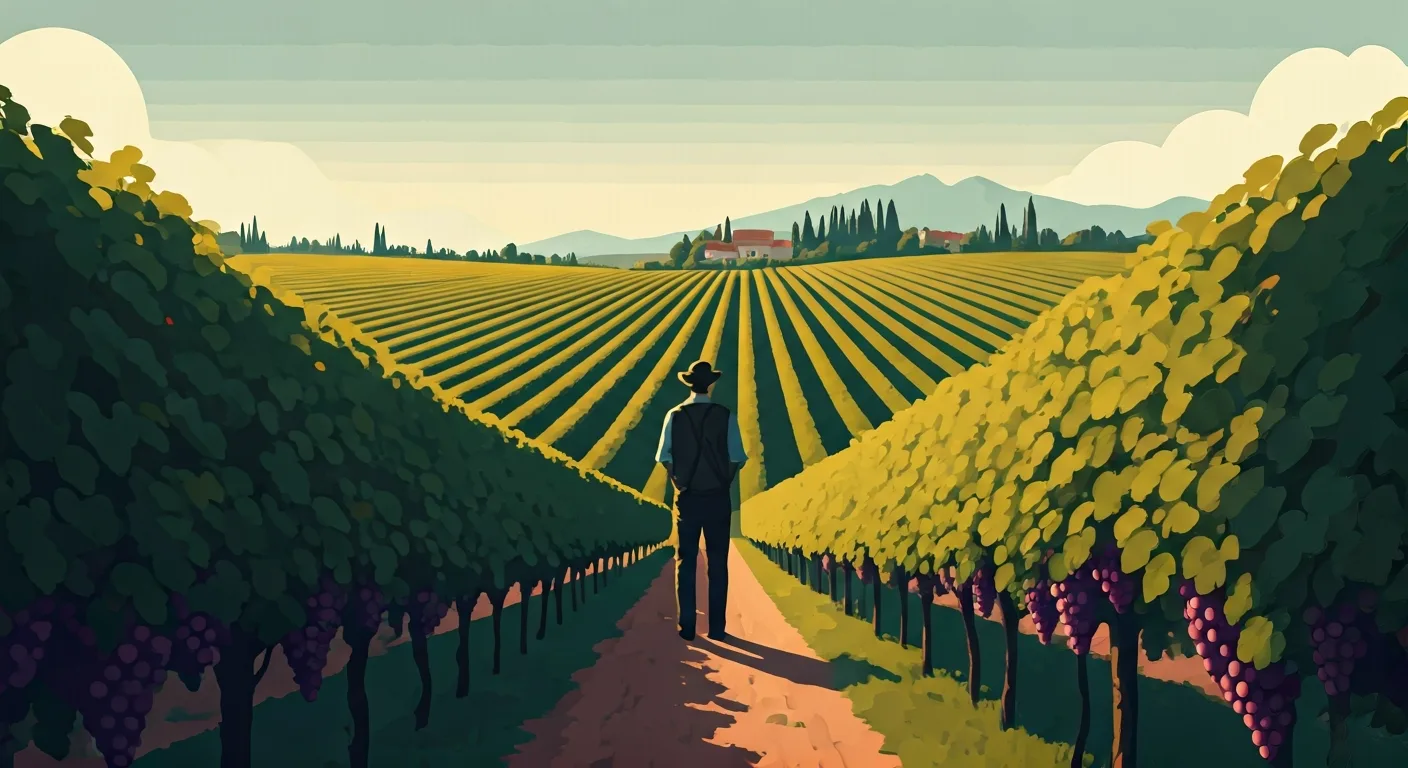
Visits farms, processing plants, and border checkpoints to verify compliance with food safety, animal welfare, and environmental regulations. Collects samples, writes inspection reports, and issues citations when standards are not met. This role ensures the safety and quality of agricultural products and protects public health.
Ensures the safety and quality of agricultural products, protects animal welfare, and safeguards the environment from agricultural practices, contributing to public health, consumer trust, and the integrity of the food supply chain.
On the job
- Conduct on-site inspections of farms, processing facilities, and distribution centers for regulatory compliance.
- Collect samples of produce, soil, water, and animal products for laboratory testing and analysis.
- Review records, permits, and operational procedures to ensure adherence to agricultural and food safety standards.
- Document findings thoroughly, write detailed inspection reports, and issue citations or corrective action orders as necessary.
- Educate producers and handlers on best practices, new regulations, and methods to achieve compliance.
Tools & technology
Average salary
Job outlook
StableDemand is steady. This is an established role with consistent hiring across sectors.
Education & training
Typically requires an associate's or bachelor's degree in agricultural science, food science, environmental science, biology, or a related field.
AI impact outlook
Note — this is our current view. AI is moving fast, so we revisit these ratings.
Show how this was assessed Hide the detail
Note — this is our current view. AI is moving fast, so we revisit these ratings.
Show how this was assessed Hide the detailWhy this role received this rating
Core task exposure
moderate
How much of the role’s important work could AI perform?
AI can assist with reviewing records and drafting reports, but physical site inspections and sampling remain outside its scope.
End-to-end automation
low
Can AI complete the work without substantial human involvement?
While AI can flag compliance issues from data, the complete workflow of on-site inspection, physical sampling, and issuing citations requires human presence.
Adoption pressure
moderate
How likely are employers to introduce AI into this work?
Employers are likely to adopt AI for administrative efficiencies, but regulatory oversight and the need for human judgment in enforcement will slow full automation.
Human dependence
strong
How much does success depend on human judgement, relationships and accountability?
Success critically depends on human judgment for compliance assessment, direct interaction for education, and accountability for public health protection.
Protective — a higher rating lowers the overall score.
Role adaptability
strong
How easily can the role evolve as AI takes on more tasks?
The role can adapt by focusing more on complex investigations, producer education, and overseeing AI-assisted administrative tasks.
Shown for context — not part of the score.
What AI may take on
These are the parts of the role most likely to be automated or significantly accelerated.
- Reviewing permits and operational records for compliance patterns
- Drafting routine inspection reports
- Identifying common regulatory discrepancies from documentation
- Scheduling and optimizing inspection routes
Where people remain essential
These parts continue to depend heavily on human judgement, relationships and accountability.
- Conducting on-site physical inspections of farms and facilities
- Collecting physical samples of produce, soil, and water for lab testing
- Educating producers on best practices and new regulations in person
- Issuing citations and enforcing corrective action orders
- Applying judgment in ambiguous compliance situations
- Responding to on-site incidents or non-compliance
How the role may evolve
From comprehensive compliance checks to focused enforcement and education.
Inspectors will spend less time on routine document checks, focusing instead on complex cases, on-site verification of physical conditions, and direct engagement with producers to ensure compliance.
Strengthen your future fit
- Proficiency with digital inspection and reporting tools
- Advanced knowledge of agricultural science and regulations
- Strong communication and negotiation skills for producer engagement
- Critical thinking for complex compliance scenarios
- Ability to interpret and act on AI-generated insights
- Assessment horizon
- 3–7 years
- Confidence
- High
- Last reviewed
- August 2026
- Methodology
- v1.0
This assessment reflects current AI capabilities and expected adoption patterns. Actual impacts will vary by industry, employer and the way each role is performed.
Career pathways
WHERE YOU COULD GO
CURRENT ROLE
Agricultural Inspector
Government & Policy
ADJACENT MOVES
STARTING POINTS
Who thrives here
Interest profile
realistic · RCI
Individuals who enjoy practical, hands-on work, systematic investigation, and applying scientific knowledge to ensure compliance and solve problems are well-suited for this role. It requires a methodical approach to regulations and a drive for accuracy.
Personality characteristics
Conscientious
Highly organized and diligent in following regulations, procedures, and documenting findings precisely.
Inquisitive
Enjoys investigating details, understanding complex agricultural systems, and applying scientific knowledge.
Independent
Comfortable working autonomously in various field environments and making objective assessments.
Analytical
Uses logical reasoning to assess compliance, identify potential issues, and interpret data.
Composed
Maintains composure and professionalism when dealing with non-compliance situations or resistant stakeholders.
Best for
- Individuals who are detail-oriented, methodical, and committed to upholding standards and regulations.
- Those who enjoy working independently and applying scientific knowledge in practical, real-world settings.
- People motivated by ensuring food safety, animal welfare, and environmental stewardship.
Watch out for
- Frequent travel and outdoor work in varying weather conditions and sometimes challenging environments.
- Can involve confronting non-compliant individuals or businesses, requiring assertiveness and objectivity.
- Detailed documentation and report writing are a significant and time-consuming part of the job.
A week in the life
A representative working week for an Agricultural Inspector — where the deep work, meetings, and admin actually land.
Real people. Real results.
Thousands of people
can't be wrong.



Frequently asked questions about Agricultural Inspector roles
What does an Agricultural Inspector do?
An Agricultural Inspector visits farms, processing plants, and border checkpoints to verify compliance with food safety, animal welfare, and environmental regulations. Collects samples, writes inspection reports, and issues citations when standards are not met. This role ensures the safety and quality of agricultural products and protects public health. Ensures the safety and quality of agricultural products, protects animal welfare, and safeguards the environment from agricultural practices, contributing to public health, consumer trust, and the integrity of the food supply chain.
How much does an Agricultural Inspector earn?
An Agricultural Inspector earns a median of $65,000 per year in the US, typically ranging from $45,000 to $90,000.
What qualifications do you need to become an Agricultural Inspector?
To become an Agricultural Inspector, typically requires an associate's or bachelor's degree in agricultural science, food science, environmental science, biology, or a related field. Specific state or federal certifications may be required (e.g., USDA certifications, HACCP certification for food safety).
What personality suits an Agricultural Inspector?
Agricultural Inspector roles tend to suit people who are highly conscientious — precise, organised and strong on follow-through (Conscientiousness 85/100) and steady under pressure — deadlines and setbacks do not rattle them easily (Emotional Stability 72/100). The traits that matter most in the role are Conscientious, Inquisitive, Independent and Analytical. Highly organized and diligent in following regulations, procedures, and documenting findings precisely. On interests, Agricultural Inspector maps to a RCI Holland Code profile — individuals who enjoy practical, hands-on work, systematic investigation, and applying scientific knowledge to ensure compliance and solve problems are well-suited for this role. It requires a methodical approach to regulations and a drive for accuracy.
Who does an Agricultural Inspector role suit?
An Agricultural Inspector role is usually a strong fit for these reasons. Strong Realistic (R) affinity: involves practical, hands-on work in diverse field environments. High Conscientiousness (C) is crucial for meticulous adherence to regulations and detailed reporting. Requires independent problem-solving and systematic investigation (Investigative - I).
What are the downsides of being an Agricultural Inspector?
Agricultural Inspector roles come with trade-offs worth weighing up. Frequent travel and outdoor work in varying weather conditions and sometimes challenging environments. Can involve confronting non-compliant individuals or businesses, requiring assertiveness and objectivity. Detailed documentation and report writing are a significant and time-consuming part of the job.
What is the work environment like for an Agricultural Inspector?
Work as an Agricultural Inspector is mostly mixed-based with onsite arrangements common, semi-structured — a mix of set processes and self-directed work, a moderate pace and high exposure to clients or stakeholders. Around 39% of the week is focused deep work.
What skills do you need to be an Agricultural Inspector?
Core skills for an Agricultural Inspector include Regulatory compliance, Critical observation, Technical report writing, Data collection and analysis and Interpersonal communication.
How do you become an Agricultural Inspector?
Common entry routes into Agricultural Inspector roles include Agricultural Technician, Food Processing Worker, Laboratory Assistant and Farm Worker.
What career progression is there for an Agricultural Inspector?
From an Agricultural Inspector role, common next steps include Senior Agricultural Inspector, Inspection Supervisor and Regulatory Compliance Manager; lateral moves include Environmental Health Specialist.
What is the job outlook for Agricultural Inspector roles?
The outlook for Agricultural Inspector roles is currently rated stable. Demand is steady. This is an established role with consistent hiring across sectors.
Will AI replace Agricultural Inspector roles?
Traitstack rates automation risk for Agricultural Inspector roles at 39 out of 100, which is low. AI can streamline administrative tasks like record review and report drafting, while direct on-site inspection, physical sampling, and producer education remain human-centric. AI is most likely to take on reviewing permits and operational records for compliance patterns, drafting routine inspection reports and identifying common regulatory discrepancies from documentation. Conducting on-site physical inspections of farms and facilities, collecting physical samples of produce, soil, and water for lab testing and educating producers on best practices and new regulations in person stay with people. From comprehensive compliance checks to focused enforcement and education. That score measures how much of the work could change, not the likelihood the job disappears. It is Traitstack's current view, revisited as AI capability moves.