Zookeeper
SOC 39-2021.00 · ESCO 5164 · OSCA 341134
Role snapshot
Overview
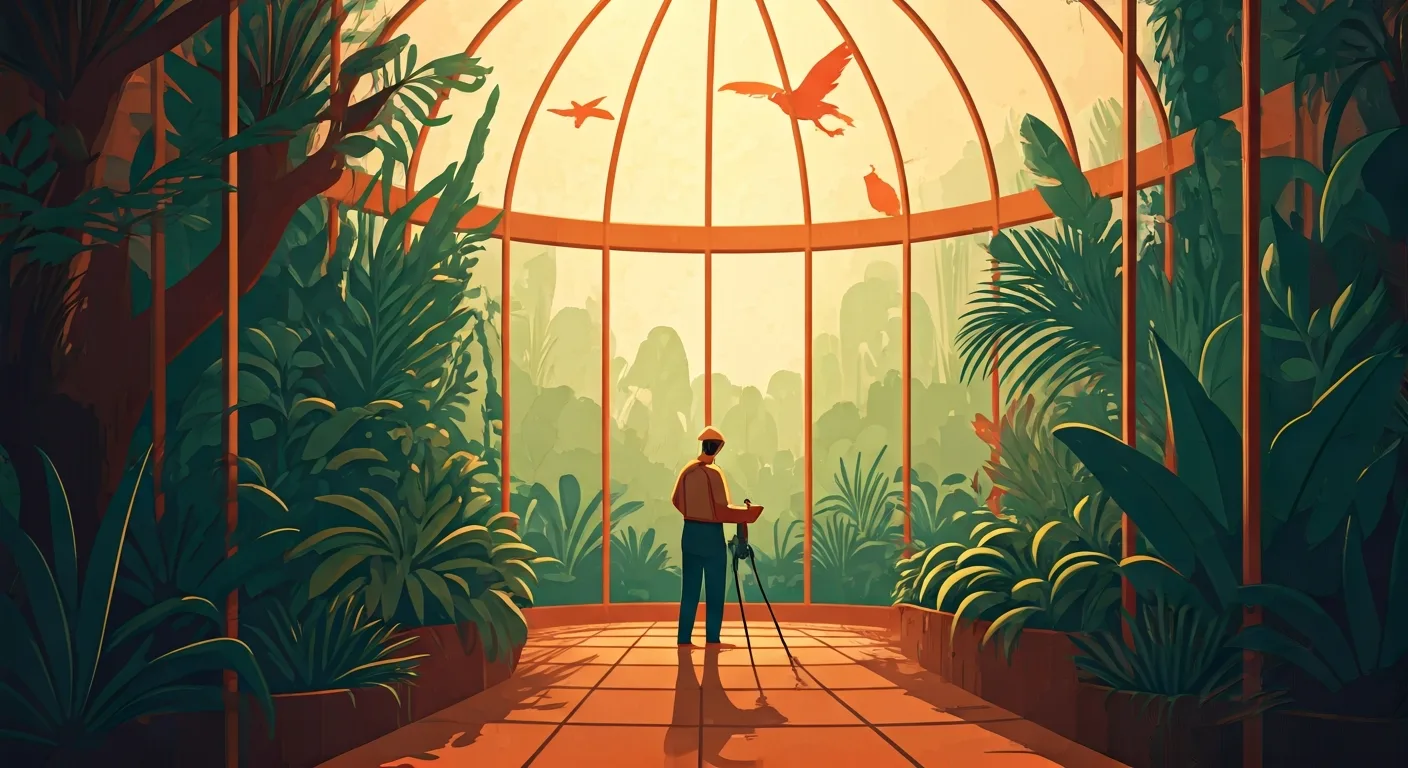
Cares for animals in a zoo or wildlife park by preparing food, cleaning enclosures, monitoring health, and enriching habitats. Educates visitors about species conservation and assists with breeding programs. Zookeepers are responsible for the daily well-being, safety, and behavioral management of diverse animal species, requiring a blend of practical skills, scientific knowledge, and strong observational abilities.
Contributes directly to animal welfare, conservation efforts, and public education, fostering appreciation for wildlife and supporting species survival through dedicated care and habitat management.
On the job
- Prepare and distribute diets according to specific animal nutritional requirements.
- Clean and maintain animal enclosures, ensuring a safe and hygienic environment.
- Observe animal behavior and health, reporting any changes or concerns to veterinary staff.
- Design and implement enrichment activities to promote natural behaviors and mental stimulation.
- Engage with zoo visitors, providing educational talks and answering questions about animals and conservation.
Tools & technology
Average salary
Job outlook
StableDemand is steady. This is an established role with consistent hiring across sectors.
Education & training
Typically requires a bachelor's degree in zoology, biology, animal science, or a related field. Hands-on experience through internships or volunteer work is highly valued and often essential.
AI impact outlook
Note — this is our current view. AI is moving fast, so we revisit these ratings.
Show how this was assessed Hide the detail
Note — this is our current view. AI is moving fast, so we revisit these ratings.
Show how this was assessed Hide the detailWhy this role received this rating
Core task exposure
moderate
How much of the role’s important work could AI perform?
Routine tasks like food preparation and data collection are exposed, but the nuanced, unpredictable nature of animal care limits broader exposure.
End-to-end automation
low
Can AI complete the work without substantial human involvement?
The complexity of animal behavior, varied environments, and ethical requirements make full workflow automation extremely challenging.
Adoption pressure
low
How likely are employers to introduce AI into this work?
High risk to animal welfare, ethical considerations, and significant capital investment temper the likelihood of widespread automation adoption.
Human dependence
strong
How much does success depend on human judgement, relationships and accountability?
Success depends heavily on human empathy, observational skills, judgement in unpredictable situations, and direct interaction for animal well-being.
Protective — a higher rating lowers the overall score.
Role adaptability
strong
How easily can the role evolve as AI takes on more tasks?
The role can adapt by specializing in animal behavior, conservation, managing technology, or enhancing visitor education and engagement.
Shown for context — not part of the score.
What AI may take on
These are the parts of the role most likely to be automated or significantly accelerated.
- Automated food portioning and delivery based on animal profiles
- Environmental monitoring and control systems within enclosures
- Basic health monitoring and flagging anomalies from sensor data
- Analyzing animal behavior patterns from video feeds for trends
Where people remain essential
These parts continue to depend heavily on human judgement, relationships and accountability.
- Direct hands-on animal care and handling
- Observing subtle changes in animal behavior and health for intervention
- Designing and implementing complex enrichment activities
- Engaging with zoo visitors and providing educational talks
- Responding to animal emergencies and medical situations
- Building trust and relationships with individual animals
- Making ethical decisions regarding animal welfare and management
How the role may evolve
Less routine, more focused behavioral insight and visitor education.
Zookeepers will spend less time on repetitive tasks, leveraging technology for monitoring, and more time on specialized animal behavior, welfare, and public engagement for conservation.
Strengthen your future fit
- Develop advanced animal behavior observation and interpretation skills
- Gain proficiency in using animal monitoring and data analysis software
- Enhance public speaking and educational outreach abilities
- Learn about veterinary support and emergency response protocols
- Specialize in conservation science and captive breeding programs
- Assessment horizon
- 3–7 years
- Confidence
- High
- Last reviewed
- August 2026
- Methodology
- v1.0
This assessment reflects current AI capabilities and expected adoption patterns. Actual impacts will vary by industry, employer and the way each role is performed.
Career pathways
WHERE YOU COULD GO
CURRENT ROLE
Zookeeper
Agriculture & Food
ADJACENT MOVES
STARTING POINTS
Who thrives here
Interest profile
realistic · RSC
People who enjoy hands-on work with animals, following established procedures, and educating others about wildlife tend to thrive in this role.
Personality characteristics
Meticulous
Highly detail-oriented in animal feeding, habitat cleaning, and record keeping to ensure optimal animal welfare.
Compassionate
Deeply cares for the well-being of animals and is motivated by their health and comfort.
Observant
Keenly watches animal behavior for subtle changes that could indicate health issues or stress.
Resilient
Can remain calm and effective when facing unpredictable animal behaviors or emergencies.
Engaging
Enjoys sharing knowledge about animals and conservation with the public in an accessible way.
Best for
- Individuals passionate about animal welfare and wildlife conservation.
- Those who enjoy hands-on, physically active work in a structured environment.
- People who are patient, observant, and dedicated to routines for animal health.
Watch out for
- The work is physically demanding and often performed outdoors in various weather conditions.
- Requires regular weekend and holiday work, as animals need daily care.
- Emotional challenges can arise from animal illness, injury, or death.
A week in the life
A representative working week for a Zookeeper — where the deep work, meetings, and admin actually land.
Real people. Real results.
Thousands of people
can't be wrong.


Frequently asked questions about Zookeeper roles
What does a Zookeeper do?
A Zookeeper cares for animals in a zoo or wildlife park by preparing food, cleaning enclosures, monitoring health, and enriching habitats. Educates visitors about species conservation and assists with breeding programs. Zookeepers are responsible for the daily well-being, safety, and behavioral management of diverse animal species, requiring a blend of practical skills, scientific knowledge, and strong observational abilities. Contributes directly to animal welfare, conservation efforts, and public education, fostering appreciation for wildlife and supporting species survival through dedicated care and habitat management.
How much does a Zookeeper earn?
A Zookeeper earns a median of $45,000 per year in the US, typically ranging from $30,000 to $60,000.
What qualifications do you need to become a Zookeeper?
To become a Zookeeper, typically requires a bachelor's degree in zoology, biology, animal science, or a related field. Hands-on experience through internships or volunteer work is highly valued and often essential.
What personality suits a Zookeeper?
Zookeeper roles tend to suit people who are highly conscientious — precise, organised and strong on follow-through (Conscientiousness 75/100) and warm and cooperative — tuned in to the people around them (Agreeableness 72/100). The traits that matter most in the role are Meticulous, Compassionate, Observant and Resilient. Highly detail-oriented in animal feeding, habitat cleaning, and record keeping to ensure optimal animal welfare. On interests, Zookeeper maps to a RSC Holland Code profile — people who enjoy hands-on work with animals, following established procedures, and educating others about wildlife tend to thrive in this role.
Who does a Zookeeper role suit?
A Zookeeper role is usually a strong fit for these reasons. Strong Realistic (R) affinity for hands-on animal care and physical work. High Conscientiousness (C) is crucial for meticulous routines and animal welfare protocols. Opportunities to educate the public align with Social (S) interests and moderate Extraversion (E).
What are the downsides of being a Zookeeper?
Zookeeper roles come with trade-offs worth weighing up. The work is physically demanding and often performed outdoors in various weather conditions. Requires regular weekend and holiday work, as animals need daily care. Emotional challenges can arise from animal illness, injury, or death.
What is the work environment like for a Zookeeper?
Work as a Zookeeper is mostly mixed-based with onsite arrangements common, semi-structured — a mix of set processes and self-directed work, a moderate pace and medium exposure to clients or stakeholders. Around 79% of the week is focused deep work.
What skills do you need to be a Zookeeper?
Core skills for a Zookeeper include Animal husbandry, Behavioral observation, Enclosure maintenance, Public speaking, Wildlife conservation and Nutritional planning.
How do you become a Zookeeper?
Common entry routes into Zookeeper roles include Animal Care Assistant, Veterinary Technician and Wildlife Rehabilitator.
What career progression is there for a Zookeeper?
From a Zookeeper role, common next steps include Senior Zookeeper and Assistant Curator; lateral moves include Animal Trainer and Wildlife Biologist.
What is the job outlook for Zookeeper roles?
The outlook for Zookeeper roles is currently rated stable. Demand is steady. This is an established role with consistent hiring across sectors.
Will AI replace Zookeeper roles?
Traitstack rates automation risk for Zookeeper roles at 28 out of 100, which is low. AI is likely to assist with routine tasks like food preparation and monitoring, yet the complex, empathetic care and direct interaction with animals stay firmly human-led. AI is most likely to take on automated food portioning and delivery based on animal profiles, environmental monitoring and control systems within enclosures and basic health monitoring and flagging anomalies from sensor data. Direct hands-on animal care and handling, observing subtle changes in animal behavior and health for intervention and designing and implementing complex enrichment activities stay with people. Less routine, more focused behavioral insight and visitor education. That score measures how much of the work could change, not the likelihood the job disappears. It is Traitstack's current view, revisited as AI capability moves.