Wind Energy Engineer
SOC 17-2199.10 · ESCO 2143 · OSCA 233511
Role snapshot
Overview
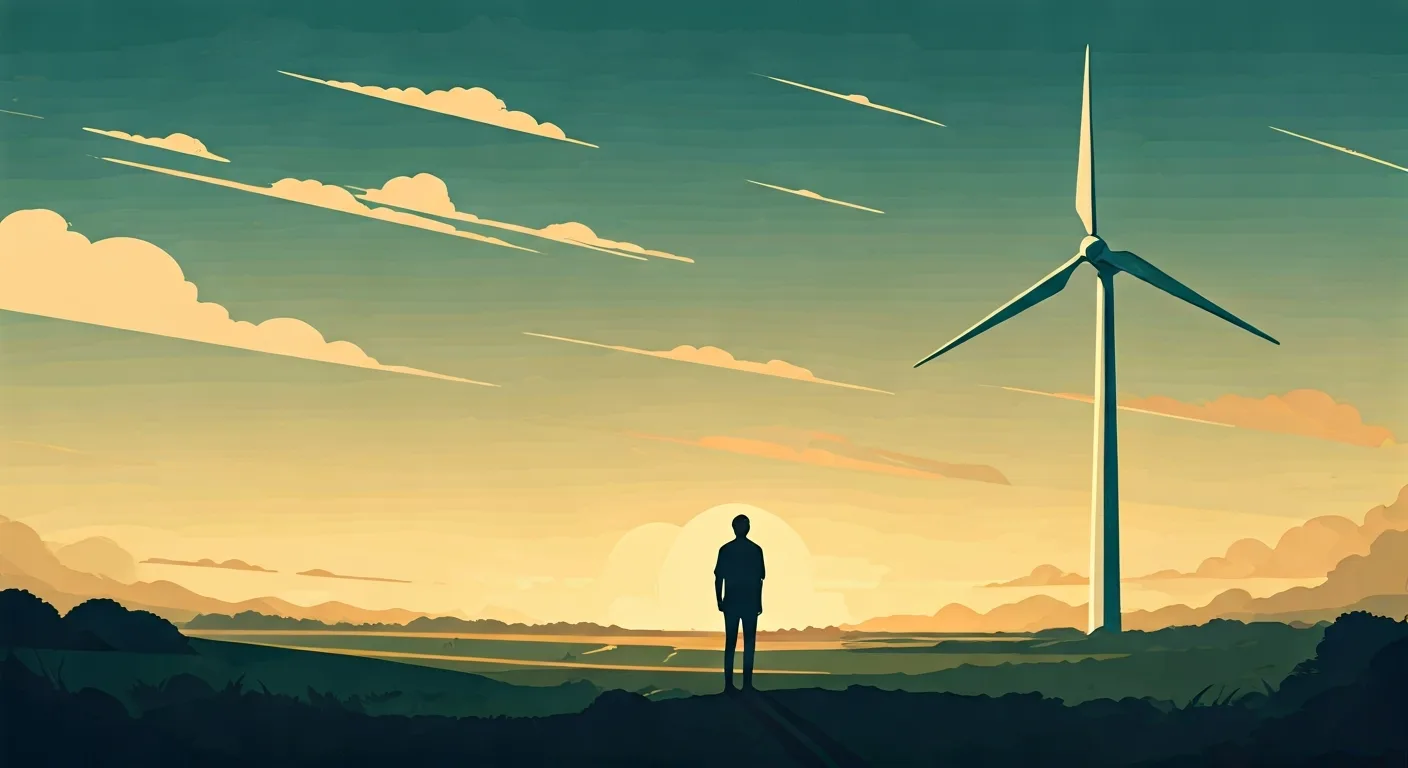
Designs wind turbine systems and wind farm layouts, modelling wind patterns and structural loads to maximise energy capture while meeting safety and environmental regulations. This involves detailed analysis of site conditions, turbine technology selection, foundation design, and integration with electrical grids. Wind Energy Engineers play a crucial role in the development and optimisation of renewable energy infrastructure.
Contributes directly to the global transition to renewable energy, reducing carbon emissions and ensuring sustainable power generation. Their work optimises energy production, enhances grid stability, and drives innovation in wind technology.
On the job
- Perform site assessments and wind resource analysis using specialised software.
- Design wind turbine components and entire wind farm layouts, considering structural integrity, aerodynamics, and electrical systems.
- Conduct simulations and modelling to predict energy yield, structural loads, and operational performance.
- Collaborate with project managers, environmental specialists, and regulatory bodies to ensure project compliance.
- Develop and implement maintenance strategies and troubleshoot operational issues for wind energy systems.
Tools & technology
Average salary
Job outlook
GrowingJob growth is expected to be above average over the next five years.
Education & training
Bachelor's degree in Mechanical Engineering, Electrical Engineering, Civil Engineering, Renewable Energy Engineering, or a related field. A master's degree can be beneficial for specialisation or advanced roles.
AI impact outlook
Note — this is our current view. AI is moving fast, so we revisit these ratings.
Show how this was assessed Hide the detail
Note — this is our current view. AI is moving fast, so we revisit these ratings.
Show how this was assessed Hide the detailWhy this role received this rating
Core task exposure
high
How much of the role’s important work could AI perform?
Tasks like site assessments, wind resource analysis, design simulations, and component optimization are highly exposed to AI-powered software.
End-to-end automation
moderate
Can AI complete the work without substantial human involvement?
While AI can generate designs and optimize parameters, the integration with complex electrical grids, stakeholder collaboration, and final regulatory approval prevent full end-to-end automation.
Adoption pressure
high
How likely are employers to introduce AI into this work?
The capital-intensive nature of the energy sector drives high adoption of AI for efficiency, speed, and optimization in design and planning.
Human dependence
moderate
How much does success depend on human judgement, relationships and accountability?
Success relies heavily on human judgment for balancing conflicting project requirements, negotiating with diverse stakeholders, and interpreting complex regulatory frameworks.
Protective — a higher rating lowers the overall score.
Role adaptability
strong
How easily can the role evolve as AI takes on more tasks?
Engineers are inherently adaptable, allowing the role to evolve towards higher-level system architecture, strategic project oversight, and the development of novel energy solutions.
Shown for context — not part of the score.
What AI may take on
These are the parts of the role most likely to be automated or significantly accelerated.
- Perform detailed wind resource analysis and site suitability assessments
- Generate optimal wind turbine layouts and component designs
- Conduct simulations and modeling to predict energy yield and structural loads
- Automate initial design variations and material selection
- Pre-screen designs for basic regulatory compliance
Where people remain essential
These parts continue to depend heavily on human judgement, relationships and accountability.
- Interpret and synthesize complex, often conflicting, design constraints
- Negotiate with project managers, environmental specialists, and regulatory bodies
- Provide expert judgment for novel engineering challenges and unforeseen issues
- Ensure final project compliance with all safety and environmental regulations
- Integrate complex electrical systems with national grids
- Develop and implement strategic maintenance and operational plans
- Sign off on designs carrying significant financial and safety liabilities
How the role may evolve
Less time on design iterations, more on strategic integration and complex problem-solving.
Engineers will leverage AI for rapid prototyping and analysis, dedicating more time to interdisciplinary collaboration, navigating regulatory complexities, and defining high-level project strategy.
Strengthen your future fit
- Expertise in AI-driven design and simulation tools
- Strong interdisciplinary collaboration and communication skills
- Deep understanding of energy policy and regulatory frameworks
- Strategic thinking and complex problem-solving abilities
- Project management and stakeholder negotiation
- Assessment horizon
- 3–7 years
- Confidence
- High
- Last reviewed
- August 2026
- Methodology
- v1.0
This assessment reflects current AI capabilities and expected adoption patterns. Actual impacts will vary by industry, employer and the way each role is performed.
Career pathways
WHERE YOU COULD GO
CURRENT ROLE
Wind Energy Engineer
Utilities & Energy
ADJACENT MOVES
STARTING POINTS
Who thrives here
Interest profile
investigative · RIC
Individuals who enjoy scientific inquiry, detailed analysis, and applying practical engineering principles to tangible projects, especially within a structured and regulated environment, tend to excel in this role.
Personality characteristics
Analytical
Applies logical reasoning and scientific methods to complex problems, such as wind flow dynamics and structural integrity.
Meticulous
Ensures precision and accuracy in calculations, designs, and adherence to rigorous safety and engineering standards.
Objective
Approaches challenges with a data-driven mindset, focusing on facts and evidence rather than personal feelings.
Collaborative
Works effectively with multi-disciplinary teams, sharing technical insights and coordinating project efforts.
Systematic
Follows structured processes for design, analysis, and compliance, ensuring consistency and reliability in outcomes.
Best for
- Engineers passionate about renewable energy and solving complex technical challenges.
- Individuals who thrive on detailed analysis, scientific modelling, and structured problem-solving.
- Professionals who value precision, accuracy, and contributing to large-scale infrastructure projects.
Watch out for
- The work can be highly technical and requires continuous learning to keep up with evolving technologies and regulations.
- Balancing innovative design with strict safety and environmental compliance can be challenging.
A week in the life
A representative working week for a Wind Energy Engineer — where the deep work, meetings, and admin actually land.
Real people. Real results.
Thousands of people
can't be wrong.
Frequently asked questions about Wind Energy Engineer roles
What does a Wind Energy Engineer do?
A Wind Energy Engineer designs wind turbine systems and wind farm layouts, modelling wind patterns and structural loads to maximise energy capture while meeting safety and environmental regulations. This involves detailed analysis of site conditions, turbine technology selection, foundation design, and integration with electrical grids. Wind Energy Engineers play a crucial role in the development and optimisation of renewable energy infrastructure. Contributes directly to the global transition to renewable energy, reducing carbon emissions and ensuring sustainable power generation. Their work optimises energy production, enhances grid stability, and drives innovation in wind technology.
How much does a Wind Energy Engineer earn?
A Wind Energy Engineer earns a median of $105,000 per year in the US, typically ranging from $80,000 to $140,000.
What qualifications do you need to become a Wind Energy Engineer?
To become a Wind Energy Engineer, bachelor's degree in Mechanical Engineering, Electrical Engineering, Civil Engineering, Renewable Energy Engineering, or a related field. A master's degree can be beneficial for specialisation or advanced roles.
What personality suits a Wind Energy Engineer?
Wind Energy Engineer roles tend to suit people who are highly conscientious — precise, organised and strong on follow-through (Conscientiousness 82/100) and steady under pressure — deadlines and setbacks do not rattle them easily (Emotional Stability 72/100). The traits that matter most in the role are Analytical, Meticulous, Objective and Collaborative. Applies logical reasoning and scientific methods to complex problems, such as wind flow dynamics and structural integrity. On interests, Wind Energy Engineer maps to a RIC Holland Code profile — individuals who enjoy scientific inquiry, detailed analysis, and applying practical engineering principles to tangible projects, especially within a structured and regulated environment, tend to excel in this role.
Who does a Wind Energy Engineer role suit?
A Wind Energy Engineer role is usually a strong fit for these reasons. High Investigative and Conventional alignment, rewarding detailed analysis, problem-solving, and adherence to technical standards. A significant portion of the work involves deep technical analysis and design, appealing to those who enjoy focused engineering tasks. The role directly contributes to sustainable energy, offering a sense of purpose and impact on environmental goals.
What are the downsides of being a Wind Energy Engineer?
Wind Energy Engineer roles come with trade-offs worth weighing up. The work can be highly technical and requires continuous learning to keep up with evolving technologies and regulations. Balancing innovative design with strict safety and environmental compliance can be challenging.
What is the work environment like for a Wind Energy Engineer?
Work as a Wind Energy Engineer is mostly mixed-based with hybrid arrangements common, semi-structured — a mix of set processes and self-directed work, a moderate pace and medium exposure to clients or stakeholders. Around 64% of the week is focused deep work.
What skills do you need to be a Wind Energy Engineer?
Core skills for a Wind Energy Engineer include Aerodynamics, Structural analysis, Renewable energy systems, Project management, Data analysis and Regulatory compliance.
How do you become a Wind Energy Engineer?
Common entry routes into Wind Energy Engineer roles include Junior Wind Energy Engineer, Engineering Intern, Mechanical Engineer and Electrical Engineer.
What career progression is there for a Wind Energy Engineer?
From a Wind Energy Engineer role, common next steps include Senior Wind Energy Engineer, Project Manager (Wind Energy) and Renewable Energy Consultant; lateral moves include Energy Systems Engineer and Mechanical Design Engineer.
What is the job outlook for Wind Energy Engineer roles?
The outlook for Wind Energy Engineer roles is currently rated growing. Job growth is expected to be above average over the next five years.
Will AI replace Wind Energy Engineer roles?
Traitstack rates automation risk for Wind Energy Engineer roles at 64 out of 100, which is strong. While AI tools accelerate design, simulation, and analysis, the engineer's judgment in balancing complex requirements, stakeholder negotiation, and regulatory compliance remains central to project success. AI is most likely to take on perform detailed wind resource analysis and site suitability assessments, generate optimal wind turbine layouts and component designs and conduct simulations and modeling to predict energy yield and structural loads. Interpret and synthesize complex, often conflicting, design constraints, negotiate with project managers, environmental specialists, and regulatory bodies and provide expert judgment for novel engineering challenges and unforeseen issues stay with people. Less time on design iterations, more on strategic integration and complex problem-solving. That score measures how much of the work could change, not the likelihood the job disappears. It is Traitstack's current view, revisited as AI capability moves.