Water and Wastewater Treatment Plant Operator
SOC 51-8031.00 · ESCO 3132 · OSCA 732431
Role snapshot
Overview
Water and Wastewater Treatment Plant Operators are essential for public health and environmental protection, monitoring and adjusting complex chemical treatment processes and pumping equipment to purify drinking water or treat sewage. They conduct regular tests, maintain detailed records, and ensure all discharge meets stringent environmental standards and regulatory requirements.
Ensures communities have access to safe, clean drinking water and that wastewater is treated effectively to protect public health and prevent environmental pollution.
On the job
- Monitor gauges, meters, and control panels to ensure proper functioning of plant equipment and processes
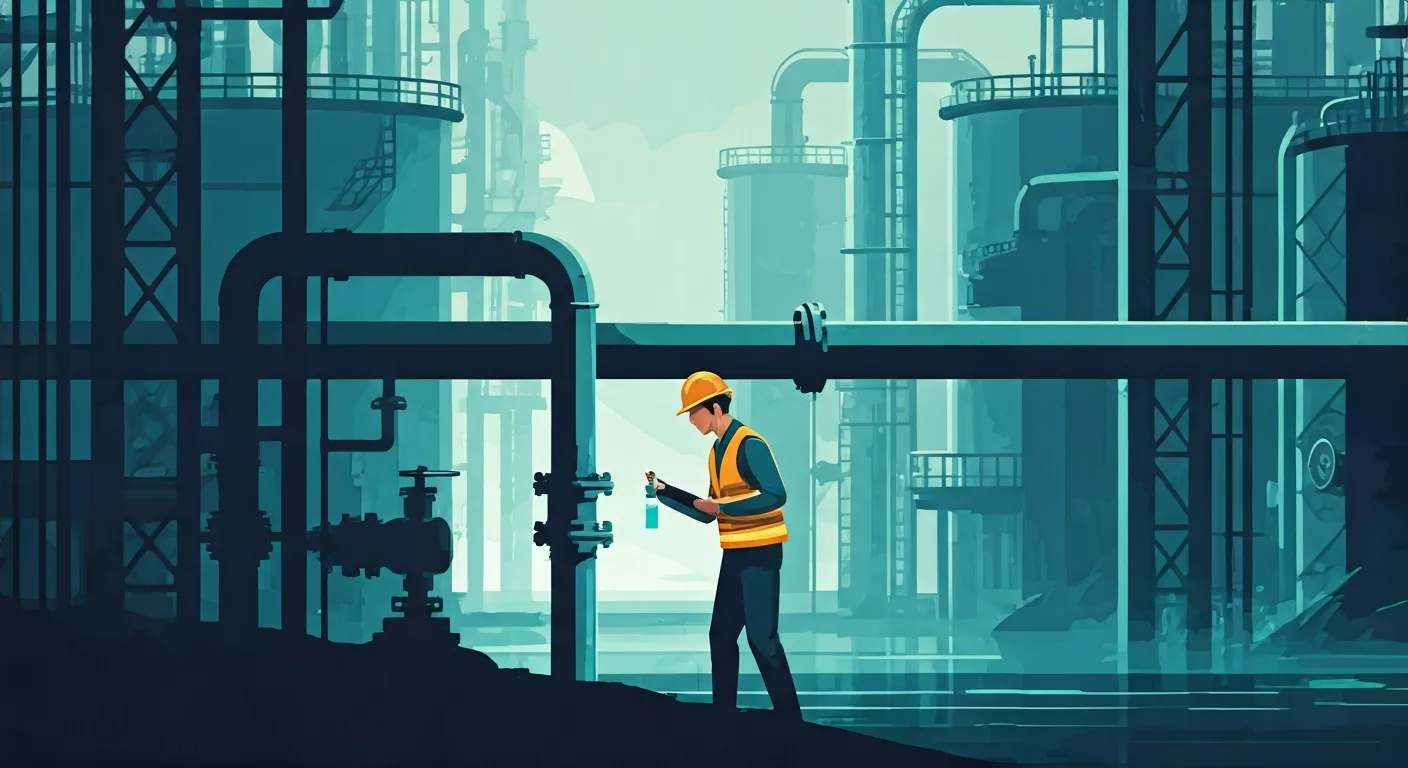
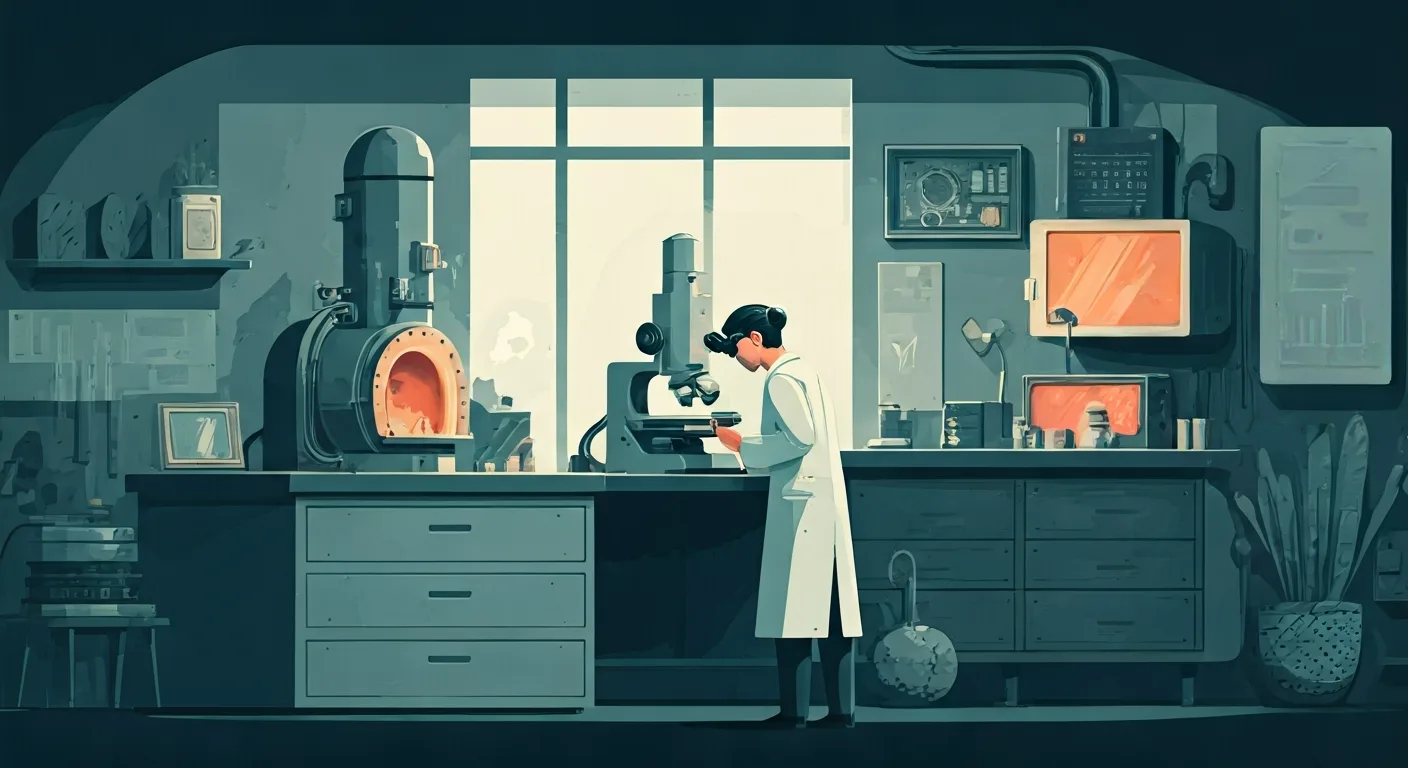
- Collect water or wastewater samples and conduct laboratory tests for chemical, physical, and biological content
- Adjust chemical feed rates, pump speeds, and filtration systems based on test results and operational needs
- Perform routine maintenance and minor repairs on pumps, valves, motors, and other mechanical equipment
- Maintain accurate logs and records of plant operations, test results, equipment maintenance, and regulatory compliance

Tools & technology
Average salary
Job outlook
StableDemand is steady. This is an established role with consistent hiring across sectors.
Education & training
High school diploma or equivalent required, with many employers preferring postsecondary certificates or associate's degrees in water quality management, environmental technology, or a related field. State-issued certifications are mandatory.
AI impact outlook
Note — this is our current view. AI is moving fast, so we revisit these ratings.
Show how this was assessed Hide the detail
Note — this is our current view. AI is moving fast, so we revisit these ratings.
Show how this was assessed Hide the detailWhy this role received this rating
Core task exposure
low
How much of the role’s important work could AI perform?
AI can optimize chemical dosing and predict system issues, but physical sampling, equipment maintenance, and critical judgment remain human tasks.
End-to-end automation
low
Can AI complete the work without substantial human involvement?
Physical maintenance, emergency response, and public health accountability prevent fully autonomous operation of treatment plants.
Adoption pressure
moderate
How likely are employers to introduce AI into this work?
AI will augment process optimization and anomaly detection, with regulatory risk and public health concerns limiting full displacement.
Human dependence
strong
How much does success depend on human judgement, relationships and accountability?
Public health responsibility, complex chemical adjustments, and critical incident response demand high human judgment and accountability.
Protective — a higher rating lowers the overall score.
Role adaptability
strong
How easily can the role evolve as AI takes on more tasks?
The role can adapt by integrating advanced sensor technologies and AI-driven process controls, focusing on high-level system oversight and optimization.
Shown for context — not part of the score.
What AI may take on
These are the parts of the role most likely to be automated or significantly accelerated.
- Optimize chemical feed rates and pump speeds based on real-time data
- Predict equipment failures and schedule preventative maintenance
- Interpret complex laboratory test results for trends and anomalies
- Automate routine record-keeping for regulatory compliance
Where people remain essential
These parts continue to depend heavily on human judgement, relationships and accountability.
- Collect water or wastewater samples physically
- Conduct hands-on laboratory tests for chemical and biological content
- Perform routine maintenance and minor repairs on equipment
- Make critical judgments for process adjustments based on test results
- Ensure compliance with stringent environmental standards and regulations
- Respond to emergency equipment failures or contamination events
How the role may evolve
Evolving to manage complex systems with AI insights, while retaining critical physical and safety duties.
Operators will leverage AI for predictive insights and process optimization, allowing them to focus more on hands-on maintenance, critical decision-making, and ensuring public health safety.
Strengthen your future fit
- Proficiency in SCADA systems and AI-driven process control software
- Advanced understanding of water chemistry and treatment processes
- Strong problem-solving skills for equipment troubleshooting
- Expertise in regulatory compliance and emergency management
- Assessment horizon
- 3–7 years
- Confidence
- Medium
- Last reviewed
- August 2026
- Methodology
- v1.0
This assessment reflects current AI capabilities and expected adoption patterns. Actual impacts will vary by industry, employer and the way each role is performed.
Career pathways
WHERE YOU COULD GO
CURRENT ROLE
Water and Wastewater Treatment Plant Operator
Utilities & Energy
ADJACENT MOVES
STARTING POINTS
Who thrives here
Interest profile
realistic · RCI
Individuals who enjoy working with machines and processes (Realistic), investigating scientific principles (Investigative), and following established procedures (Conventional) often find this career fulfilling.
Personality characteristics
Conscientious
Adheres strictly to safety protocols, environmental regulations, and operating procedures to prevent errors and ensure compliance.
Detail-oriented
Carefully monitors equipment, reads gauges, and records data to ensure precision in treatment processes and identify anomalies.
Practical
Enjoys hands-on work with machinery, tools, and chemical systems to maintain and operate the plant efficiently.
Analytical
Applies scientific principles to interpret test results and troubleshoot operational issues in the treatment process.
Calm under pressure
Maintains composure during equipment malfunctions or emergencies, following protocols to resolve issues effectively.
Best for
- Individuals who are methodical, enjoy technical problem-solving, and are committed to environmental stewardship.
- People who prefer a structured work environment with clear protocols and procedures.
- Those who find satisfaction in ensuring essential public services and protecting natural resources.
- Candidates who are comfortable with hands-on technical work and continuous learning about plant operations.
Watch out for
- Requires working in a plant environment, which can include exposure to chemicals, noise, and varying weather conditions.
- Involves shift work, including nights, weekends, and holidays, as plants operate 24/7 and require continuous monitoring.
A week in the life
A representative working week for a Water and Wastewater Treatment Plant Operator — where the deep work, meetings, and admin actually land.
Real people. Real results.
Thousands of people
can't be wrong.


Frequently asked questions about Water and Wastewater Treatment Plant Operator roles
What does a Water and Wastewater Treatment Plant Operator do?
A Water and Wastewater Treatment Plant Operator water and Wastewater Treatment Plant Operators are essential for public health and environmental protection, monitoring and adjusting complex chemical treatment processes and pumping equipment to purify drinking water or treat sewage. They conduct regular tests, maintain detailed records, and ensure all discharge meets stringent environmental standards and regulatory requirements. Ensures communities have access to safe, clean drinking water and that wastewater is treated effectively to protect public health and prevent environmental pollution.
How much does a Water and Wastewater Treatment Plant Operator earn?
A Water and Wastewater Treatment Plant Operator earns a median of $60,000 per year in the US, typically ranging from $45,000 to $80,000.
What qualifications do you need to become a Water and Wastewater Treatment Plant Operator?
To become a Water and Wastewater Treatment Plant Operator, high school diploma or equivalent required, with many employers preferring postsecondary certificates or associate's degrees in water quality management, environmental technology, or a related field. State-issued certifications are mandatory. State-specific Water Treatment Operator Certification.
What personality suits a Water and Wastewater Treatment Plant Operator?
Water and Wastewater Treatment Plant Operator roles tend to suit people who are highly conscientious — precise, organised and strong on follow-through (Conscientiousness 82/100) and steady under pressure — deadlines and setbacks do not rattle them easily (Emotional Stability 72/100). The traits that matter most in the role are Conscientious, Detail-oriented, Practical and Analytical. Adheres strictly to safety protocols, environmental regulations, and operating procedures to prevent errors and ensure compliance. On interests, Water and Wastewater Treatment Plant Operator maps to a RCI Holland Code profile — individuals who enjoy working with machines and processes (Realistic), investigating scientific principles (Investigative), and following established procedures (Conventional) often find this career fulfilling.
Who does a Water and Wastewater Treatment Plant Operator role suit?
A Water and Wastewater Treatment Plant Operator role is usually a strong fit for these reasons. Strong Realistic alignment: the role is hands-on, working directly with mechanical and chemical systems. High Conventional demands: requires strict adherence to procedures, regulations, and meticulous record-keeping. Investigative aspects: involves diagnosing problems, conducting tests, and understanding scientific principles of water treatment.
What are the downsides of being a Water and Wastewater Treatment Plant Operator?
Water and Wastewater Treatment Plant Operator roles come with trade-offs worth weighing up. Requires working in a plant environment, which can include exposure to chemicals, noise, and varying weather conditions. Involves shift work, including nights, weekends, and holidays, as plants operate 24/7 and require continuous monitoring.
What is the work environment like for a Water and Wastewater Treatment Plant Operator?
Work as a Water and Wastewater Treatment Plant Operator is mostly mixed-based with onsite arrangements common, highly structured, with set processes and deadlines, a moderate pace and low exposure to clients or stakeholders. Around 70% of the week is focused deep work.
What skills do you need to be a Water and Wastewater Treatment Plant Operator?
Core skills for a Water and Wastewater Treatment Plant Operator include Process monitoring, Water quality testing, Chemical handling, Equipment maintenance, Troubleshooting and Record keeping.
How do you become a Water and Wastewater Treatment Plant Operator?
Common entry routes into Water and Wastewater Treatment Plant Operator roles include Water Treatment Technician Apprentice, Lab Assistant Water Quality and Utility Worker.
What career progression is there for a Water and Wastewater Treatment Plant Operator?
From a Water and Wastewater Treatment Plant Operator role, common next steps include Senior Water and Wastewater Treatment Plant Operator and Chief Plant Operator; lateral moves include Water Quality Specialist and Environmental Compliance Inspector.
What is the job outlook for Water and Wastewater Treatment Plant Operator roles?
The outlook for Water and Wastewater Treatment Plant Operator roles is currently rated stable. Demand is steady. This is an established role with consistent hiring across sectors.
Will AI replace Water and Wastewater Treatment Plant Operator roles?
Traitstack rates automation risk for Water and Wastewater Treatment Plant Operator roles at 28 out of 100, which is low. Process optimization and data interpretation are exposed to AI, but physical sampling, equipment maintenance, and public health accountability remain the domain of human operators. AI is most likely to take on optimize chemical feed rates and pump speeds based on real-time data, predict equipment failures and schedule preventative maintenance and interpret complex laboratory test results for trends and anomalies. Collect water or wastewater samples physically, conduct hands-on laboratory tests for chemical and biological content and perform routine maintenance and minor repairs on equipment stay with people. Evolving to manage complex systems with AI insights, while retaining critical physical and safety duties. That score measures how much of the work could change, not the likelihood the job disappears. It is Traitstack's current view, revisited as AI capability moves.