Tree Trimmer and Pruner
SOC 37-3013.00 · ESCO 6113 · OSCA 362212
Role snapshot
Overview
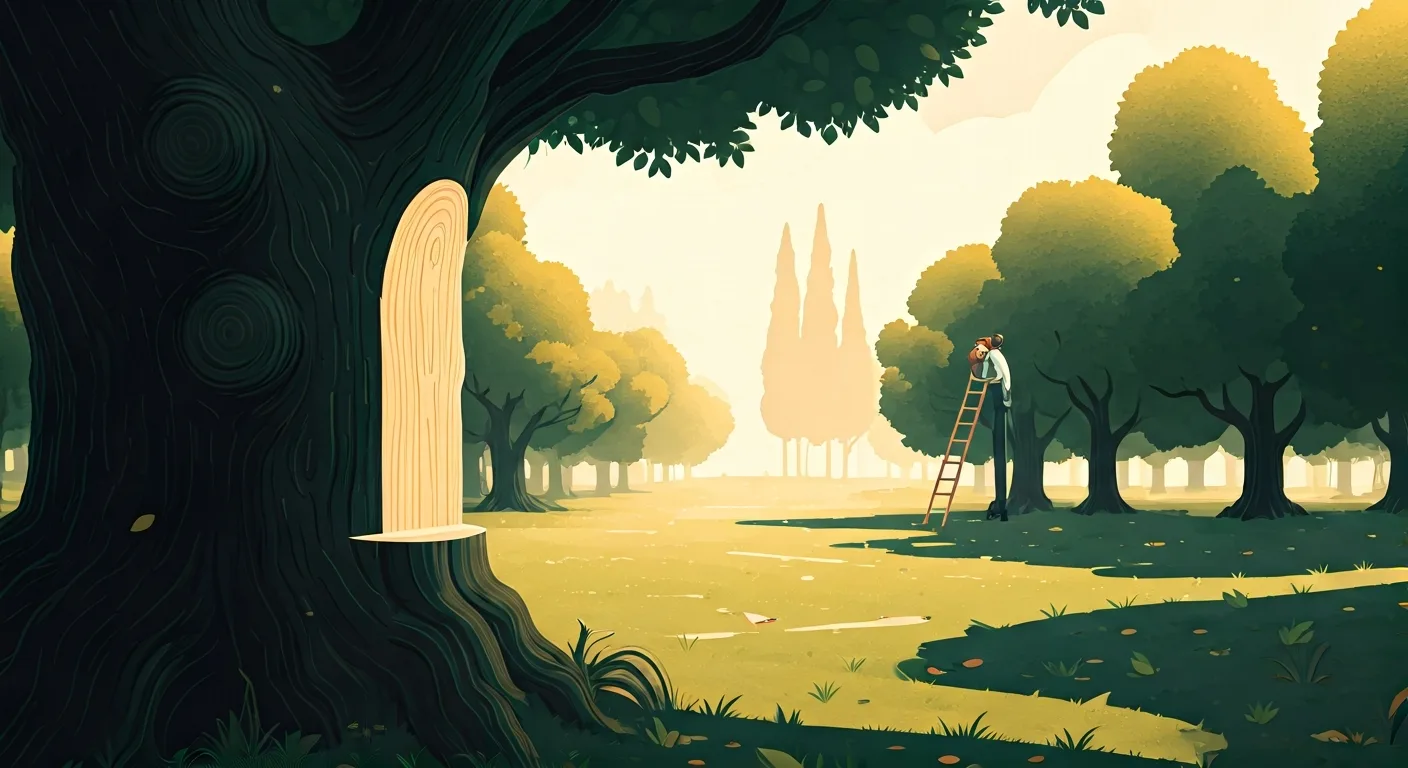
Climbs or uses aerial lifts to cut away dead, damaged, or overgrown branches from trees, maintaining plant health and preventing hazards near power lines and buildings. This role involves skilled operation of chainsaws and other equipment, adherence to strict safety protocols, and often working outdoors in various weather conditions.
Contributes to public safety by removing hazardous branches, maintains the health and aesthetic appeal of trees, and ensures reliable utility services by clearing vegetation from power lines. Helps preserve urban and natural landscapes.
On the job
- Operate chainsaws, chippers, stump grinders, and other power tools to trim, prune, and remove trees or branches.
- Climb trees using ropes and harnesses, or operate aerial lifts to reach high branches.
- Assess tree health, identify potential hazards, and determine appropriate pruning techniques.
- Clear brush, debris, and dispose of tree waste in an environmentally responsible manner.
- Adhere to strict safety standards and regulations, including wearing personal protective equipment (PPE) and implementing traffic control measures.
Tools & technology
Average salary
Job outlook
StableDemand is steady. This is an established role with consistent hiring across sectors.
Education & training
High school diploma or equivalent, often supplemented by vocational training, an apprenticeship, or on-the-job training in arboriculture and tree care. Certifications are highly valued.
AI impact outlook
Note — this is our current view. AI is moving fast, so we revisit these ratings.
Show how this was assessed Hide the detail
Note — this is our current view. AI is moving fast, so we revisit these ratings.
Show how this was assessed Hide the detailWhy this role received this rating
Core task exposure
low
How much of the role’s important work could AI perform?
AI can assist with tree health assessment and hazard identification, but the physical work of cutting and climbing is minimally exposed.
End-to-end automation
low
Can AI complete the work without substantial human involvement?
Operating chainsaws while climbing in dynamic, unstructured natural environments makes full end-to-end automation extremely difficult.
Adoption pressure
low
How likely are employers to introduce AI into this work?
High risk, complex environments, and significant safety regulations severely limit employer appetite for automating physical tree care tasks.
Human dependence
strong
How much does success depend on human judgement, relationships and accountability?
Success critically depends on human judgment for safety, precise physical execution, adapting to unique tree structures, and managing dangerous tools.
Protective — a higher rating lowers the overall score.
Role adaptability
moderate
How easily can the role evolve as AI takes on more tasks?
The role can adapt by using AI for tree analysis, but the core physical tasks of climbing and cutting will remain manual.
Shown for context — not part of the score.
What AI may take on
These are the parts of the role most likely to be automated or significantly accelerated.
- Assessing tree health and identifying potential hazards via drone imagery and analysis
- Determining optimal pruning techniques based on tree species and condition
- Mapping tree structures for efficient branch removal planning
- Monitoring weather conditions for safe operational windows
Where people remain essential
These parts continue to depend heavily on human judgement, relationships and accountability.
- Operating chainsaws and other power tools safely and precisely
- Climbing trees using ropes and harnesses or operating aerial lifts
- Adapting to unpredictable tree structures and environmental conditions
- Clearing brush, debris, and disposing of tree waste
- Adhering to strict safety standards and implementing traffic control measures
- Making real-time decisions to prevent accidents
How the role may evolve
From manual hazard identification to data-informed risk mitigation.
The role will shift from entirely human-driven hazard assessment to leveraging AI for preliminary analysis, allowing trimmers to focus on complex execution and safety.
Strengthen your future fit
- Proficiency in using drone technology for tree assessment
- Understanding of GIS and mapping software for site planning
- Advanced tree climbing and rigging techniques
- Expertise in operating and maintaining specialized heavy equipment
- Strong safety and risk management protocols
- Assessment horizon
- 3–7 years
- Confidence
- High
- Last reviewed
- August 2026
- Methodology
- v1.0
This assessment reflects current AI capabilities and expected adoption patterns. Actual impacts will vary by industry, employer and the way each role is performed.
Career pathways
WHERE YOU COULD GO
CURRENT ROLE
Tree Trimmer and Pruner
Skilled Trades
ADJACENT MOVES
STARTING POINTS
Who thrives here
Interest profile
realistic · RCI
Individuals who enjoy hands-on, outdoor work, operating machinery, and following established procedures to achieve practical results, often thrive in this role. An interest in understanding natural systems and problem-solving related to tree health is also beneficial.
Personality characteristics
Practical
Enjoys tangible tasks and working with tools and equipment to achieve physical outcomes.
Conscientious
Adheres strictly to safety protocols and procedures, ensuring work is done thoroughly and correctly.
Observant
Pays close attention to tree health, growth patterns, and potential hazards to make informed decisions.
Reliable
A dependable team member who contributes consistently to group tasks and safety.
Calm under pressure
Maintains composure and focus in high-risk environments or during unexpected challenges.
Best for
- People who thrive in hands-on, outdoor environments and enjoy working with specialized equipment.
- Individuals who are meticulous about safety and committed to following technical procedures.
- Those who enjoy contributing to public safety and environmental health through skilled physical work.
Watch out for
- The work is physically demanding and often performed in challenging weather conditions.
- Requires constant vigilance and adherence to safety, with significant risks if protocols are not followed.
A week in the life
A representative working week for a Tree Trimmer and Pruner — where the deep work, meetings, and admin actually land.
Real people. Real results.
Thousands of people
can't be wrong.


Frequently asked questions about Tree Trimmer and Pruner roles
What does a Tree Trimmer and Pruner do?
A Tree Trimmer and Pruner climbs or uses aerial lifts to cut away dead, damaged, or overgrown branches from trees, maintaining plant health and preventing hazards near power lines and buildings. This role involves skilled operation of chainsaws and other equipment, adherence to strict safety protocols, and often working outdoors in various weather conditions. Contributes to public safety by removing hazardous branches, maintains the health and aesthetic appeal of trees, and ensures reliable utility services by clearing vegetation from power lines. Helps preserve urban and natural landscapes.
How much does a Tree Trimmer and Pruner earn?
A Tree Trimmer and Pruner earns a median of $50,000 per year in the US, typically ranging from $35,000 to $70,000.
What qualifications do you need to become a Tree Trimmer and Pruner?
To become a Tree Trimmer and Pruner, high school diploma or equivalent, often supplemented by vocational training, an apprenticeship, or on-the-job training in arboriculture and tree care. Certifications are highly valued. Commercial Driver's License (CDL) for operating heavy equipment (often required).
What personality suits a Tree Trimmer and Pruner?
Tree Trimmer and Pruner roles tend to suit people who are highly conscientious — precise, organised and strong on follow-through (Conscientiousness 72/100) and steady under pressure — deadlines and setbacks do not rattle them easily (Emotional Stability 68/100). The traits that matter most in the role are Practical, Conscientious, Observant and Reliable. Enjoys tangible tasks and working with tools and equipment to achieve physical outcomes. On interests, Tree Trimmer and Pruner maps to a RCI Holland Code profile — individuals who enjoy hands-on, outdoor work, operating machinery, and following established procedures to achieve practical results, often thrive in this role. An interest in understanding natural systems and problem-solving related to tree health is also beneficial.
Who does a Tree Trimmer and Pruner role suit?
A Tree Trimmer and Pruner role is usually a strong fit for these reasons. Strong Realistic alignment: the role is highly physical, outdoors, and involves operating heavy machinery. High Conscientiousness is crucial for adhering to strict safety protocols and technical procedures. The need for problem-solving in tree health and hazard assessment aligns with Investigative interests.
What are the downsides of being a Tree Trimmer and Pruner?
Tree Trimmer and Pruner roles come with trade-offs worth weighing up. The work is physically demanding and often performed in challenging weather conditions. Requires constant vigilance and adherence to safety, with significant risks if protocols are not followed.
What is the work environment like for a Tree Trimmer and Pruner?
Work as a Tree Trimmer and Pruner is mostly outdoors-based with onsite arrangements common, semi-structured — a mix of set processes and self-directed work, a moderate pace and low exposure to clients or stakeholders. Around 58% of the week is focused deep work.
What skills do you need to be a Tree Trimmer and Pruner?
Core skills for a Tree Trimmer and Pruner include Tree climbing and rigging, Chainsaw operation and maintenance, Tree identification and pathology, Safety protocols and emergency response and Physical stamina and dexterity.
How do you become a Tree Trimmer and Pruner?
Common entry routes into Tree Trimmer and Pruner roles include Grounds Keeper, Landscaping Laborer and General Laborer.
What career progression is there for a Tree Trimmer and Pruner?
From a Tree Trimmer and Pruner role, common next steps include Senior Tree Trimmer / Crew Leader, Certified Arborist and Tree Care Business Owner; lateral moves include Landscaper and Heavy Equipment Operator.
What is the job outlook for Tree Trimmer and Pruner roles?
The outlook for Tree Trimmer and Pruner roles is currently rated stable. Demand is steady. This is an established role with consistent hiring across sectors.
Will AI replace Tree Trimmer and Pruner roles?
Traitstack rates automation risk for Tree Trimmer and Pruner roles at 22 out of 100, which is low. AI may aid in assessing tree health and planning cuts, but the hazardous and physically demanding work of climbing and operating power tools in varied environments remains human-centric. AI is most likely to take on assessing tree health and identifying potential hazards via drone imagery and analysis, determining optimal pruning techniques based on tree species and condition and mapping tree structures for efficient branch removal planning. Operating chainsaws and other power tools safely and precisely, climbing trees using ropes and harnesses or operating aerial lifts and adapting to unpredictable tree structures and environmental conditions stay with people. From manual hazard identification to data-informed risk mitigation. That score measures how much of the work could change, not the likelihood the job disappears. It is Traitstack's current view, revisited as AI capability moves.