Sports Turf Trades Worker
SOC 37-3011.00 · ESCO 6113 · OSCA 342532
Role snapshot
Overview
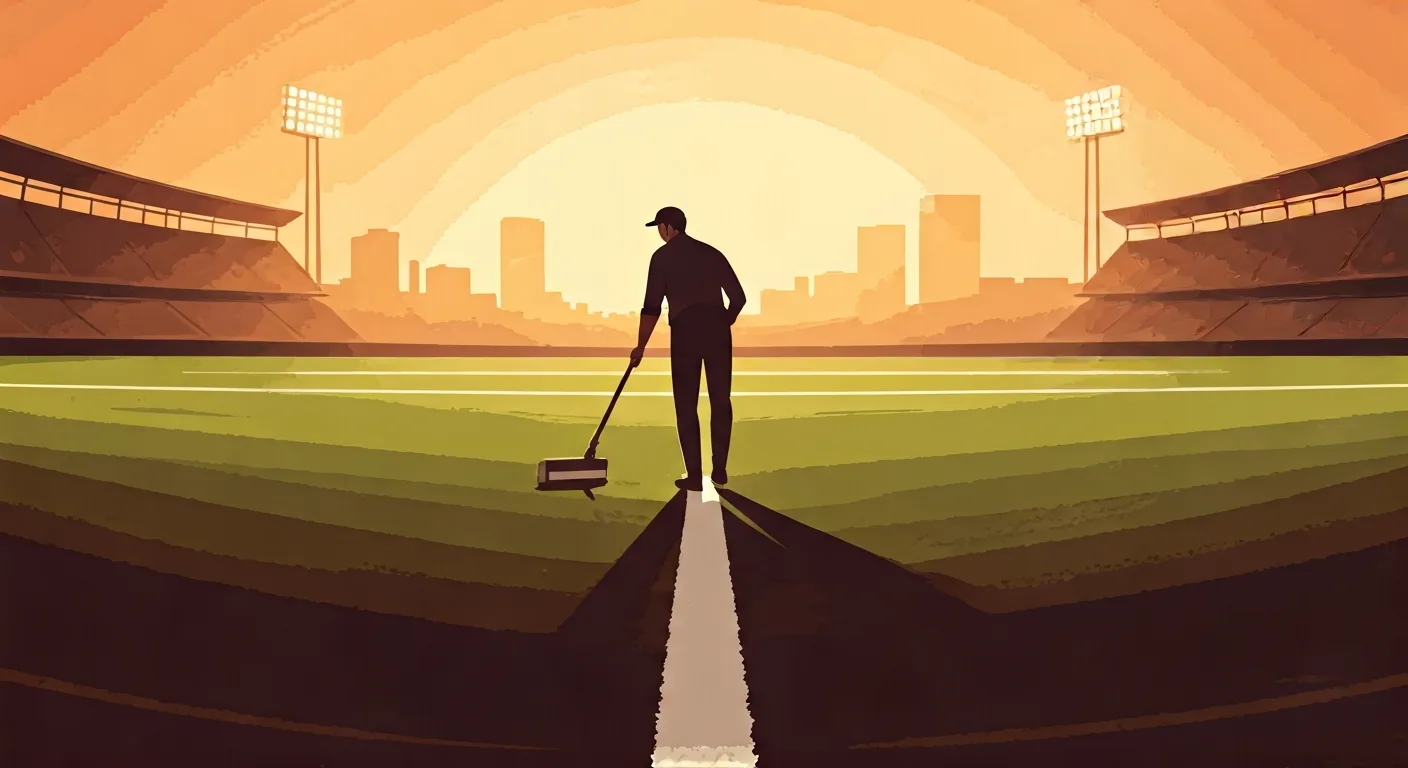
Performs essential hands-on maintenance for sports fields and playing surfaces. This includes tasks such as mowing, aerating, top-dressing, and precise line-marking to ensure optimal playing conditions. Operates a variety of specialized machinery and applies appropriate treatments to maintain turf health, safety, and evenness for athletes.
Ensures safe, high-quality, and aesthetically pleasing playing surfaces, which is crucial for athlete performance, injury prevention, and the overall experience of sports events.
On the job
- Operate mowers, aerators, and other specialized turf maintenance equipment.
- Apply fertilisers, pesticides, and other chemical treatments following safety guidelines.
- Perform precise line-marking for various sports, ensuring accuracy and visibility.
- Monitor turf health, identify issues like pests or diseases, and implement corrective actions.
- Carry out irrigation system checks and basic repairs.
Tools & technology
Average salary
Job outlook
StableDemand is steady. This is an established role with consistent hiring across sectors.
Education & training
Vocational training or certificate in horticulture, turf management, or groundskeeping.
AI impact outlook
Note — this is our current view. AI is moving fast, so we revisit these ratings.
Show how this was assessed Hide the detail
Note — this is our current view. AI is moving fast, so we revisit these ratings.
Show how this was assessed Hide the detailWhy this role received this rating
Core task exposure
low
How much of the role’s important work could AI perform?
AI can detect turf diseases and optimize application rates, but the physical operation of specialized machinery and hands-on repairs are less exposed to AI.
End-to-end automation
low
Can AI complete the work without substantial human involvement?
Operating diverse equipment, performing precise physical tasks like line-marking, and carrying out repairs in dynamic environments prevent full end-to-end automation.
Adoption pressure
high
How likely are employers to introduce AI into this work?
Pressure for efficiency and precision in turf care drives investment in both AI (for insights) and robotics (for physical tasks), with adoption depending on capital and ROI.
Human dependence
moderate
How much does success depend on human judgement, relationships and accountability?
Success relies on skilled operation of machinery, precise application of treatments, accurate line-marking, and the ability to diagnose and fix on-site issues.
Protective — a higher rating lowers the overall score.
Role adaptability
moderate
How easily can the role evolve as AI takes on more tasks?
Workers adapt to different types of equipment, turf conditions, and specific requirements for various sports surfaces, indicating moderate adaptability.
Shown for context — not part of the score.
What AI may take on
These are the parts of the role most likely to be automated or significantly accelerated.
- Detecting early signs of turf disease or pest infestation from imagery
- Optimizing application rates for fertilizers and pesticides based on turf needs
- Guiding precise line-marking patterns for various sports layouts
- Monitoring irrigation system performance and suggesting adjustments
- Analyzing sensor data to inform mowing patterns and frequency
Where people remain essential
These parts continue to depend heavily on human judgement, relationships and accountability.
- Operating and maintaining heavy and specialized turf maintenance equipment
- Performing precise physical line-marking for various sports
- Applying chemical treatments and fertilizers safely and accurately
- Diagnosing and correcting issues with irrigation systems
- Monitoring turf health through direct observation and tactile assessment
- Carrying out manual repairs and adjustments to playing surfaces
How the role may evolve
Fewer routine tasks, more skilled operation of advanced machinery and problem-solving.
As AI guides and optimizes many routine tasks, the role will evolve to focus on the skilled operation of advanced and potentially autonomous machinery, complex problem-solving for turf issues, and hands-on repairs. Workers will become overseers and technicians for sophisticated turf care systems.
Strengthen your future fit
- Proficiency in operating and troubleshooting smart turf equipment
- Advanced diagnostic skills for turf diseases and irrigation issues
- Accurate calibration and application of chemical treatments
- Data literacy for interpreting AI-generated turf insights
- Adaptability to evolving turf care technologies and methodologies
- Assessment horizon
- 3–7 years
- Confidence
- High
- Last reviewed
- August 2026
- Methodology
- v1.0
This assessment reflects current AI capabilities and expected adoption patterns. Actual impacts will vary by industry, employer and the way each role is performed.
Career pathways
WHERE YOU COULD GO
CURRENT ROLE
Sports Turf Trades Worker
Agriculture & Food
ADJACENT MOVES
STARTING POINTS
Who thrives here
Interest profile
realistic · RCA
Individuals who enjoy hands-on work, operating equipment, and meticulously maintaining outdoor environments to achieve precise standards often find this role rewarding.
Personality characteristics
Conscientious
Approaches tasks with meticulous care, ensuring precise line-marking and proper equipment operation.
Reliable
Committed to consistent turf quality and adhering to maintenance schedules, regardless of weather.
Practical
Prefers hands-on work and finding tangible solutions to immediate problems on the field.
Composed
Remains calm and focused when facing unexpected challenges like equipment malfunction or weather changes.
Independent
Comfortable working autonomously for extended periods, managing their own tasks and responsibilities.
Detail-Oriented
Notices small inconsistencies in turf health or field appearance and takes corrective action.
Best for
- People who enjoy physical work, operating machinery, and maintaining outdoor spaces to high standards.
- Individuals who thrive in structured environments with clear tasks and a focus on precision and safety.
Watch out for
- Requires resilience to varying weather conditions and extended periods of outdoor work.
- Less emphasis on direct social interaction or abstract problem-solving.
A week in the life
A representative working week for a Sports Turf Trades Worker — where the deep work, meetings, and admin actually land.
Real people. Real results.
Thousands of people
can't be wrong.

Frequently asked questions about Sports Turf Trades Worker roles
What does a Sports Turf Trades Worker do?
A Sports Turf Trades Worker performs essential hands-on maintenance for sports fields and playing surfaces. This includes tasks such as mowing, aerating, top-dressing, and precise line-marking to ensure optimal playing conditions. Operates a variety of specialized machinery and applies appropriate treatments to maintain turf health, safety, and evenness for athletes. Ensures safe, high-quality, and aesthetically pleasing playing surfaces, which is crucial for athlete performance, injury prevention, and the overall experience of sports events.
How much does a Sports Turf Trades Worker earn?
A Sports Turf Trades Worker earns a median of $48,000 per year in the US, typically ranging from $35,000 to $65,000.
What qualifications do you need to become a Sports Turf Trades Worker?
To become a Sports Turf Trades Worker, vocational training or certificate in horticulture, turf management, or groundskeeping. Valid driver's license.
What personality suits a Sports Turf Trades Worker?
Sports Turf Trades Worker roles tend to suit people who are highly conscientious — precise, organised and strong on follow-through (Conscientiousness 78/100) and steady under pressure — deadlines and setbacks do not rattle them easily (Emotional Stability 75/100). The traits that matter most in the role are Conscientious, Reliable, Practical and Composed. Approaches tasks with meticulous care, ensuring precise line-marking and proper equipment operation. On interests, Sports Turf Trades Worker maps to a RCA Holland Code profile — individuals who enjoy hands-on work, operating equipment, and meticulously maintaining outdoor environments to achieve precise standards often find this role rewarding.
Who does a Sports Turf Trades Worker role suit?
A Sports Turf Trades Worker role is usually a strong fit for these reasons. Strong Realistic alignment: the role is highly hands-on, involving significant outdoor work and equipment operation. High Conscientiousness is rewarded through meticulous maintenance and adherence to safety protocols. The work involves consistent, tangible results, appealing to those who enjoy seeing the direct outcome of their efforts.
What are the downsides of being a Sports Turf Trades Worker?
Sports Turf Trades Worker roles come with trade-offs worth weighing up. Requires resilience to varying weather conditions and extended periods of outdoor work. Less emphasis on direct social interaction or abstract problem-solving.
What is the work environment like for a Sports Turf Trades Worker?
Work as a Sports Turf Trades Worker is mostly outdoors-based with onsite arrangements common, semi-structured — a mix of set processes and self-directed work, a moderate pace and low exposure to clients or stakeholders. Around 93% of the week is focused deep work.
What skills do you need to be a Sports Turf Trades Worker?
Core skills for a Sports Turf Trades Worker include Turf management, Equipment operation, Pesticide application, Irrigation system maintenance, Problem-solving and Attention to detail.
How do you become a Sports Turf Trades Worker?
Common entry routes into Sports Turf Trades Worker roles include Grounds Worker, Landscaper Assistant and Farm Worker.
What career progression is there for a Sports Turf Trades Worker?
From a Sports Turf Trades Worker role, common next steps include Sports Turf Manager, Head Groundskeeper and Specialized Turf Technician; lateral moves include Park Ranger.
What is the job outlook for Sports Turf Trades Worker roles?
The outlook for Sports Turf Trades Worker roles is currently rated stable. Demand is steady. This is an established role with consistent hiring across sectors.
Will AI replace Sports Turf Trades Worker roles?
Traitstack rates automation risk for Sports Turf Trades Worker roles at 42 out of 100, which is moderate. AI can detect turf issues and optimize treatment rates, while operating specialized machinery, hands-on application, and physical repairs require human skill. AI is most likely to take on detecting early signs of turf disease or pest infestation from imagery, optimizing application rates for fertilizers and pesticides based on turf needs and guiding precise line-marking patterns for various sports layouts. Operating and maintaining heavy and specialized turf maintenance equipment, performing precise physical line-marking for various sports and applying chemical treatments and fertilizers safely and accurately stay with people. Fewer routine tasks, more skilled operation of advanced machinery and problem-solving. That score measures how much of the work could change, not the likelihood the job disappears. It is Traitstack's current view, revisited as AI capability moves.