Specialist Teacher (Vision Impairment)
SOC 25-2059.01 · ESCO 2352 · OSCA 251432
Role snapshot
Overview
Teaches students who are blind or have low vision, adapting educational materials into accessible formats such as braille, large print, or audio. This role involves assessing individual learning needs, providing direct instruction in specialized areas, training students in assistive technology, and collaborating closely with mainstream classroom teachers and families to ensure inclusive and effective learning environments.
Empowers students with visual impairments to achieve their full academic and personal potential, fostering independence, self-advocacy, and inclusion within the school and community.
On the job
- Conduct functional vision assessments and learning media assessments to determine student needs
- Develop and implement individualized education programs (IEPs) tailored to visual impairment
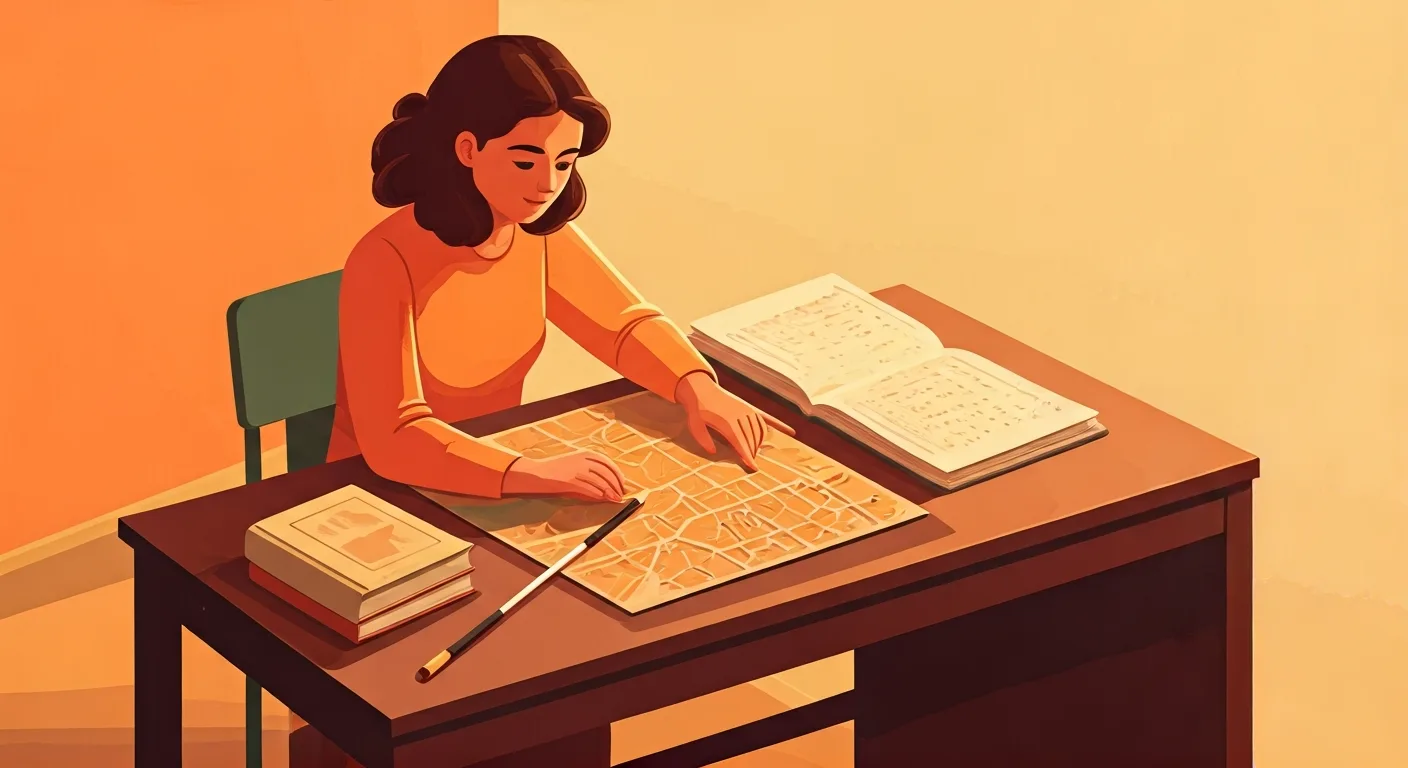
- Provide direct instruction in braille literacy, abacus, low vision devices, and assistive technology
- Consult with mainstream teachers on curriculum modifications, accommodations, and accessible materials
- Train students in orientation and mobility skills to navigate school and community environments safely
Tools & technology
Average salary
Job outlook
GrowingJob growth is expected to be above average over the next five years.
Education & training
Bachelor's or Master's degree in Special Education with a specialization in Visual Impairment, often requiring specific state certification.
AI impact outlook
Note — this is our current view. AI is moving fast, so we revisit these ratings.
Show how this was assessed Hide the detail
Note — this is our current view. AI is moving fast, so we revisit these ratings.
Show how this was assessed Hide the detailWhy this role received this rating
Core task exposure
low
How much of the role’s important work could AI perform?
While basic material conversion can be AI-assisted, functional vision assessments and hands-on specialized instruction remain largely unexposed.
End-to-end automation
low
Can AI complete the work without substantial human involvement?
Highly specialized instruction in braille, abacus, orientation and mobility, and assistive technology training cannot be automated end-to-end.
Adoption pressure
low
How likely are employers to introduce AI into this work?
The niche nature of the role, high stakes for student independence, and need for direct human interaction significantly limit automation pressure.
Human dependence
strong
How much does success depend on human judgement, relationships and accountability?
Success critically hinges on highly individualized, direct instruction, building trust, and ensuring safety for students with severe sensory impairments.
Protective — a higher rating lowers the overall score.
Role adaptability
strong
How easily can the role evolve as AI takes on more tasks?
Teachers constantly integrate new assistive technologies and pedagogical approaches to meet the evolving needs of students with visual impairments.
Shown for context — not part of the score.
What AI may take on
These are the parts of the role most likely to be automated or significantly accelerated.
- Automating conversion of text to braille or large print formats
- Generating reports from functional vision assessment data
- Suggesting accessible software tools based on student profiles
- Curating digital resources adapted for visual impairment
- Scheduling and managing student appointments
Where people remain essential
These parts continue to depend heavily on human judgement, relationships and accountability.
- Conducting nuanced functional vision assessments in person
- Providing direct, hands-on instruction in braille literacy and abacus use
- Teaching complex orientation and mobility skills in varied environments
- Training students to effectively use specialized assistive technology
- Collaborating with mainstream teachers on individualized accommodations
- Building rapport and trust with students and their families
- Making real-time adjustments to instruction based on student feedback
How the role may evolve
From general support to deep specialization in assistive technology and skill building.
The role will become even more focused on high-touch, specialized instruction and integration of cutting-edge assistive technologies, with routine tasks handled by AI.
Strengthen your future fit
- Expertise in emerging assistive technologies for visual impairment
- Advanced skills in orientation and mobility instruction
- Proficiency in braille and tactile graphic creation
- Collaborative planning with general education teachers
- Advocacy for accessible educational environments
- Assessment horizon
- 3–7 years
- Confidence
- High
- Last reviewed
- August 2026
- Methodology
- v1.0
This assessment reflects current AI capabilities and expected adoption patterns. Actual impacts will vary by industry, employer and the way each role is performed.
Career pathways
WHERE YOU COULD GO
CURRENT ROLE
Specialist Teacher (Vision Impairment)
Teaching & Instruction
ADJACENT MOVES
STARTING POINTS
Who thrives here
Interest profile
social · SCR
Individuals who thrive in this role typically enjoy helping others (Social), are organized and meticulous in their approach (Conventional), and are skilled in practical applications and working with tangible tools (Realistic). They are dedicated to supporting individual learning and development.
Personality characteristics
Empathetic
Deeply understands and responds to the unique needs and challenges of students with visual impairments.
Organized
Manages complex individualized education plans, adapts materials, and maintains detailed records effectively.
Communicative
Engages effectively with students, parents, and other educators to foster a supportive learning environment.
Adaptable
Continuously learns and applies new methods and technologies to meet diverse student needs and evolving best practices.
Patient
Demonstrates resilience and composure when facing student learning plateaus or complex behavioral challenges.
Practical
Focuses on hands-on application of skills and tools to help students navigate their world independently.
Best for
- Individuals passionate about making a profound difference in the lives of students with visual impairments
- Educators who enjoy a mix of direct instruction, personalized curriculum development, and interdisciplinary collaboration
Watch out for
- Requires continuous learning of new assistive technologies and educational methodologies
- Can be emotionally demanding, requiring patience and resilience in supporting students with diverse needs
A week in the life
A representative working week for a Specialist Teacher (Vision Impairment) — where the deep work, meetings, and admin actually land.
Real people. Real results.
Thousands of people
can't be wrong.


Frequently asked questions about Specialist Teacher (Vision Impairment) roles
What does a Specialist Teacher (Vision Impairment) do?
A Specialist Teacher (Vision Impairment) teaches students who are blind or have low vision, adapting educational materials into accessible formats such as braille, large print, or audio. This role involves assessing individual learning needs, providing direct instruction in specialized areas, training students in assistive technology, and collaborating closely with mainstream classroom teachers and families to ensure inclusive and effective learning environments. Empowers students with visual impairments to achieve their full academic and personal potential, fostering independence, self-advocacy, and inclusion within the school and community.
How much does a Specialist Teacher (Vision Impairment) earn?
A Specialist Teacher (Vision Impairment) earns a median of $75,000 per year in the US, typically ranging from $55,000 to $95,000.
What qualifications do you need to become a Specialist Teacher (Vision Impairment)?
To become a Specialist Teacher (Vision Impairment), bachelor's or Master's degree in Special Education with a specialization in Visual Impairment, often requiring specific state certification. State teaching license/certification with visual impairment endorsement.
What personality suits a Specialist Teacher (Vision Impairment)?
Specialist Teacher (Vision Impairment) roles tend to suit people who are warm and cooperative — tuned in to the people around them (Agreeableness 82/100) and highly conscientious — precise, organised and strong on follow-through (Conscientiousness 72/100). The traits that matter most in the role are Empathetic, Organized, Communicative and Adaptable. Deeply understands and responds to the unique needs and challenges of students with visual impairments. On interests, Specialist Teacher (Vision Impairment) maps to a SCR Holland Code profile — individuals who thrive in this role typically enjoy helping others (Social), are organized and meticulous in their approach (Conventional), and are skilled in practical applications and working with tangible tools (Realistic). They are dedicated to supporting individual learning and development.
Who does a Specialist Teacher (Vision Impairment) role suit?
A Specialist Teacher (Vision Impairment) role is usually a strong fit for these reasons. High Social (S) affinity, reflecting the core of teaching and helping students achieve their potential. Strong Conventional (C) and Realistic (R) aspects align with structured planning, assessment, and practical skill instruction. High Agreeableness (A) and Conscientiousness (C) support the collaborative and meticulous nature of individualized education.
What are the downsides of being a Specialist Teacher (Vision Impairment)?
Specialist Teacher (Vision Impairment) roles come with trade-offs worth weighing up. Requires continuous learning of new assistive technologies and educational methodologies. Can be emotionally demanding, requiring patience and resilience in supporting students with diverse needs.
What is the work environment like for a Specialist Teacher (Vision Impairment)?
Work as a Specialist Teacher (Vision Impairment) is mostly mixed-based with onsite arrangements common, semi-structured — a mix of set processes and self-directed work, a moderate pace and high exposure to clients or stakeholders. Around 20% of the week is focused deep work.
What skills do you need to be a Specialist Teacher (Vision Impairment)?
Core skills for a Specialist Teacher (Vision Impairment) include Braille instruction, Assistive technology integration, Curriculum adaptation, Individualized education program (IEP) development and Collaborative consultation.
How do you become a Specialist Teacher (Vision Impairment)?
Common entry routes into Specialist Teacher (Vision Impairment) roles include Special Education Teacher, General Education Teacher and Rehabilitation Counselor.
What career progression is there for a Specialist Teacher (Vision Impairment)?
From a Specialist Teacher (Vision Impairment) role, common next steps include Senior Specialist Teacher (Vision Impairment) and Special Education Coordinator; lateral moves include Orientation and Mobility Specialist.
What is the job outlook for Specialist Teacher (Vision Impairment) roles?
The outlook for Specialist Teacher (Vision Impairment) roles is currently rated growing. Job growth is expected to be above average over the next five years.
Will AI replace Specialist Teacher (Vision Impairment) roles?
Traitstack rates automation risk for Specialist Teacher (Vision Impairment) roles at 25 out of 100, which is low. Personalized instruction in braille and assistive technology, alongside critical orientation and mobility training, retains human primacy, though AI may aid material conversion. AI is most likely to take on automating conversion of text to braille or large print formats, generating reports from functional vision assessment data and suggesting accessible software tools based on student profiles. Conducting nuanced functional vision assessments in person, providing direct, hands-on instruction in braille literacy and abacus use and teaching complex orientation and mobility skills in varied environments stay with people. From general support to deep specialization in assistive technology and skill building. That score measures how much of the work could change, not the likelihood the job disappears. It is Traitstack's current view, revisited as AI capability moves.