Sommelier
SOC 35-1012.00 · ESCO 5131 · OSCA 471631
Role snapshot
Overview
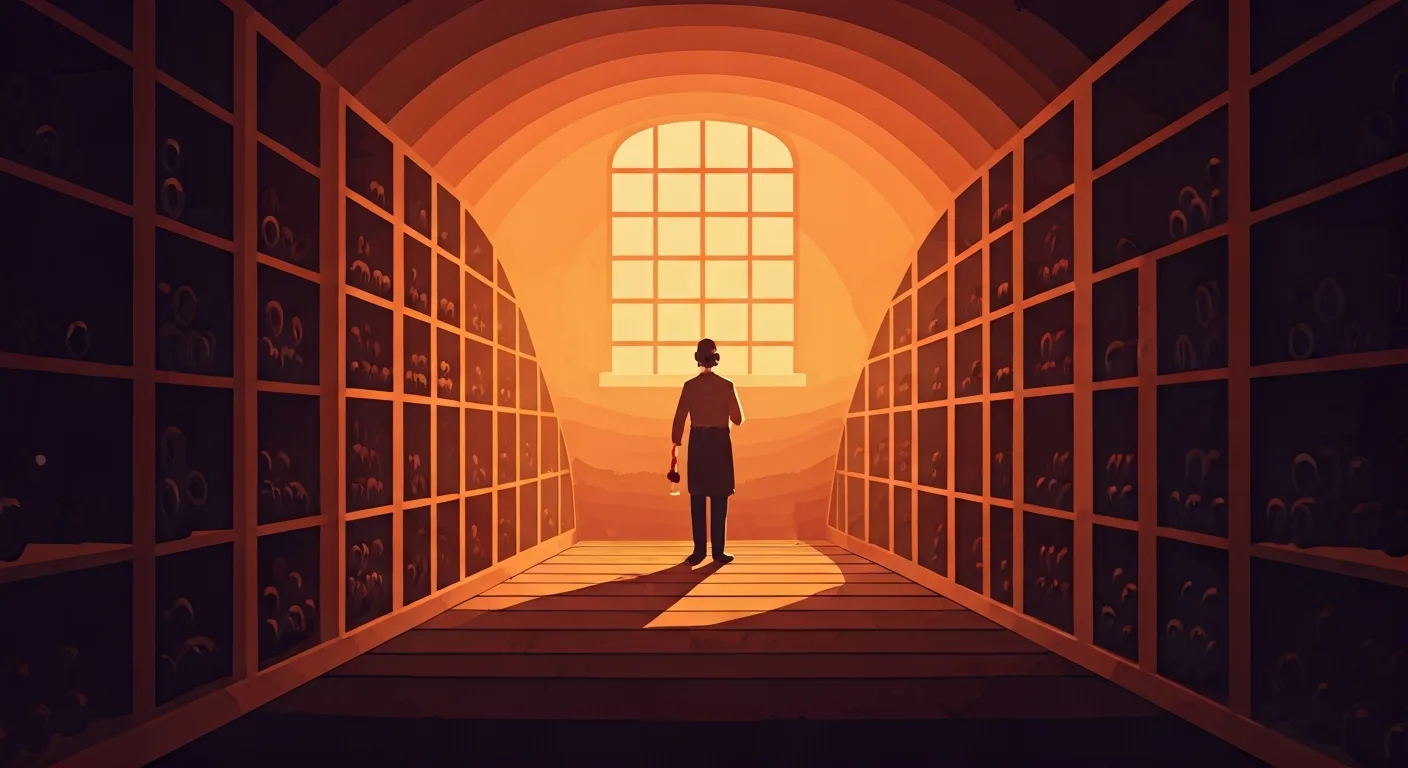
A Sommelier is a knowledgeable wine professional responsible for all aspects of wine service and management within a restaurant or hospitality setting. This includes curating wine lists, recommending perfect pairings to complement dishes, managing cellar inventory, and educating both staff and guests on diverse wine regions, vintages, and styles. They enhance the dining experience through expert guidance and impeccable service.
Elevates the dining experience, drives beverage sales, and enhances a restaurant's reputation by providing expert wine knowledge and personalized recommendations.
On the job
- Develop and maintain comprehensive wine lists, considering cuisine, budget, and guest preferences.
- Provide expert wine recommendations and pairings to guests, explaining characteristics and provenance.
- Manage wine cellar inventory, including ordering, receiving, stocking, and ensuring proper storage conditions.
- Conduct wine tastings and training sessions for restaurant staff to enhance their knowledge and sales capabilities.
- Oversee wine service during shifts, ensuring proper decanting, pouring, and glass selection.
Tools & technology
Average salary
Job outlook
StableDemand is steady. This is an established role with consistent hiring across sectors.
Education & training
Specialized certifications from recognized wine education bodies (e.g., Court of Master Sommeliers, Wine & Spirit Education Trust) are often preferred over traditional degrees.
AI impact outlook
Note — this is our current view. AI is moving fast, so we revisit these ratings.
Show how this was assessed Hide the detail
Note — this is our current view. AI is moving fast, so we revisit these ratings.
Show how this was assessed Hide the detailWhy this role received this rating
Core task exposure
moderate
How much of the role’s important work could AI perform?
Inventory management and basic wine recommendations could be AI-assisted, but the nuanced selection, sensory evaluation, and personal education aspects are less exposed.
End-to-end automation
low
Can AI complete the work without substantial human involvement?
While AI might suggest pairings or manage stock, the complete workflow of curating a wine list based on taste, providing personalized recommendations, and conducting service requires human expertise and interaction.
Adoption pressure
moderate
How likely are employers to introduce AI into this work?
Adoption pressure for AI will be moderate, focusing on tools that enhance efficiency (e.g., inventory) rather than replacing the core value proposition of human expertise and experiential service.
Human dependence
strong
How much does success depend on human judgement, relationships and accountability?
Success is highly dependent on a sommelier's sensory judgment, deep expert knowledge, ability to build rapport, and the trust guests place in their personalized recommendations and storytelling.
Protective — a higher rating lowers the overall score.
Role adaptability
strong
How easily can the role evolve as AI takes on more tasks?
The role can adapt by focusing on high-level curation, specialized wine consulting, developing unique guest experiences, and leveraging AI for background research and inventory optimization.
Shown for context — not part of the score.
What AI may take on
These are the parts of the role most likely to be automated or significantly accelerated.
- Manage and track cellar inventory levels and reorder points
- Suggest basic wine pairings based on menu ingredients
- Provide historical data on wine regions, vintages, and producers
- Automate compliance checks for wine storage conditions
Where people remain essential
These parts continue to depend heavily on human judgement, relationships and accountability.
- Sensory evaluation and tasting notes for wine curation
- Providing nuanced, personalized recommendations based on guest preferences
- Educating staff and guests with engaging storytelling and deep knowledge
- Overseeing proper wine service, including decanting and presentation
- Building relationships with guests and anticipating their unspoken desires
- Negotiating with suppliers and managing complex cellar acquisitions
How the role may evolve
Leveraging AI for efficiency. Doubling down on human expertise and personalized service.
Sommeliers will use AI for administrative and data tasks, freeing them to deepen their craft, enhance their sensory skills, and provide an even more tailored and educational guest experience.
Strengthen your future fit
- Deepen sensory evaluation and tasting expertise
- Enhance storytelling and educational communication skills
- Develop advanced cellar management and procurement strategies
- Cultivate strong interpersonal skills for guest engagement
- Learn to interpret and utilize AI-generated wine data and market trends
- Assessment horizon
- 3–7 years
- Confidence
- Medium
- Last reviewed
- August 2026
- Methodology
- v1.0
This assessment reflects current AI capabilities and expected adoption patterns. Actual impacts will vary by industry, employer and the way each role is performed.
Career pathways
WHERE YOU COULD GO
CURRENT ROLE
Sommelier
Hospitality & Food Service
ADJACENT MOVES
STARTING POINTS
Who thrives here
Interest profile
conventional · CSR
Individuals who enjoy structured environments, meticulous organization, and providing expert service in a social setting will find this role rewarding. It combines practical wine management with extensive guest interaction.
Personality characteristics
Curious
Possesses a strong desire to continuously learn about new wines, regions, and vintages.
Meticulous
Demonstrates precision and attention to detail in cellar management, wine service, and inventory.
Engaging
Comfortable interacting with diverse guests, explaining wine characteristics, and making recommendations.
Service-Oriented
Prioritizes guest satisfaction and aims to create memorable dining experiences through expert guidance.
Calm Under Pressure
Maintains composure and professionalism during busy service periods or when handling difficult guest situations.
Best for
- Individuals passionate about wine who enjoy sharing their knowledge and providing exceptional service.
- Those who thrive in dynamic, guest-facing environments with both structured and spontaneous tasks.
- Professionals seeking a career that blends expertise, education, and hospitality.
Watch out for
- Requires working evenings, weekends, and holidays typical of the hospitality industry.
- Can involve physical tasks like lifting and moving cases of wine.
- Dealing with diverse guest preferences and occasional challenging situations.
A week in the life
A representative working week for a Sommelier — where the deep work, meetings, and admin actually land.
Real people. Real results.
Thousands of people
can't be wrong.



Frequently asked questions about Sommelier roles
What does a Sommelier do?
A Sommelier a Sommelier is a knowledgeable wine professional responsible for all aspects of wine service and management within a restaurant or hospitality setting. This includes curating wine lists, recommending perfect pairings to complement dishes, managing cellar inventory, and educating both staff and guests on diverse wine regions, vintages, and styles. They enhance the dining experience through expert guidance and impeccable service. Elevates the dining experience, drives beverage sales, and enhances a restaurant's reputation by providing expert wine knowledge and personalized recommendations.
How much does a Sommelier earn?
A Sommelier earns a median of $65,000 per year in the US, typically ranging from $45,000 to $90,000.
What qualifications do you need to become a Sommelier?
To become a Sommelier, specialized certifications from recognized wine education bodies (e.g., Court of Master Sommeliers, Wine & Spirit Education Trust) are often preferred over traditional degrees.
What personality suits a Sommelier?
Sommelier roles tend to suit people who are open and curious — drawn to variety, ideas and new approaches (Openness 80/100) and outgoing — energised by people, visibility and quick social contact (Extraversion 72/100). The traits that matter most in the role are Curious, Meticulous, Engaging and Service-Oriented. Possesses a strong desire to continuously learn about new wines, regions, and vintages. On interests, Sommelier maps to a CSR Holland Code profile — individuals who enjoy structured environments, meticulous organization, and providing expert service in a social setting will find this role rewarding. It combines practical wine management with extensive guest interaction.
Who does a Sommelier role suit?
A Sommelier role is usually a strong fit for these reasons. Strong Conventional and Social alignment: the role demands meticulous organization and extensive, personalized guest interaction. Opportunities for continuous learning and exploration within the vast world of wine. Directly influences guest satisfaction and the reputation of a dining establishment.
What are the downsides of being a Sommelier?
Sommelier roles come with trade-offs worth weighing up. Requires working evenings, weekends, and holidays typical of the hospitality industry. Can involve physical tasks like lifting and moving cases of wine. Dealing with diverse guest preferences and occasional challenging situations.
What is the work environment like for a Sommelier?
Work as a Sommelier is mostly hospitality-based with onsite arrangements common, semi-structured — a mix of set processes and self-directed work, a moderate pace and high exposure to clients or stakeholders. Around 18% of the week is focused deep work.
What skills do you need to be a Sommelier?
Core skills for a Sommelier include Wine knowledge (regions, varietals, vintages), Food and wine pairing, Inventory management, Customer service, Staff training and education and Salesmanship.
How do you become a Sommelier?
Common entry routes into Sommelier roles include Assistant Sommelier, Cellar Assistant and Server.
What career progression is there for a Sommelier?
From a Sommelier role, common next steps include Wine Director and Beverage Manager; lateral moves include Restaurant Manager and Wine Buyer.
What is the job outlook for Sommelier roles?
The outlook for Sommelier roles is currently rated stable. Demand is steady. This is an established role with consistent hiring across sectors.
Will AI replace Sommelier roles?
Traitstack rates automation risk for Sommelier roles at 47 out of 100, which is moderate. The sommelier's deep expertise in sensory evaluation and personal guest guidance resists automation, though inventory management and basic suggestions could be AI-assisted. AI is most likely to take on manage and track cellar inventory levels and reorder points, suggest basic wine pairings based on menu ingredients and provide historical data on wine regions, vintages, and producers. Sensory evaluation and tasting notes for wine curation, providing nuanced, personalized recommendations based on guest preferences and educating staff and guests with engaging storytelling and deep knowledge stay with people. Leveraging AI for efficiency. Doubling down on human expertise and personalized service. That score measures how much of the work could change, not the likelihood the job disappears. It is Traitstack's current view, revisited as AI capability moves.