Ship's Officer
SOC 53-5021.00 · ESCO 3152 · OSCA 313436
Role snapshot
Overview
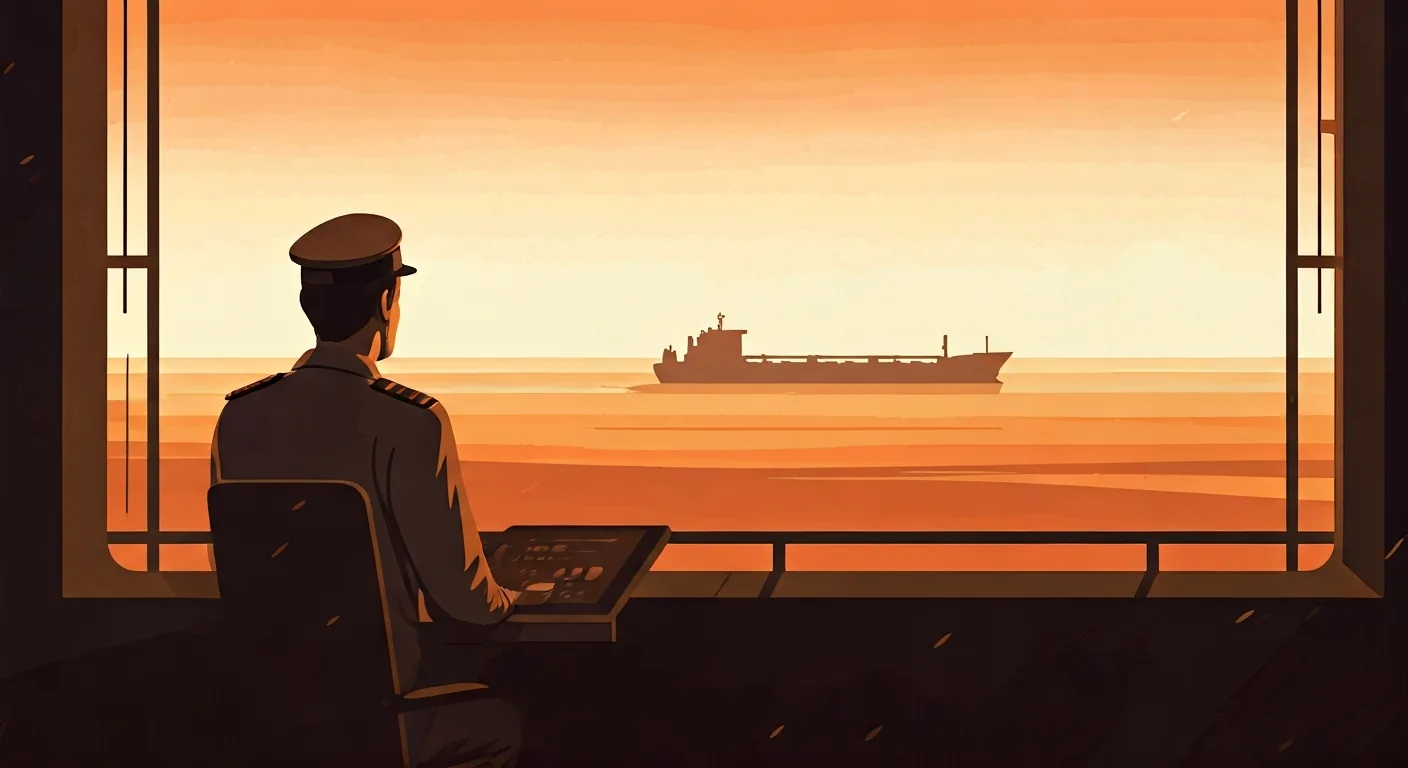
Keeps navigational watch on the bridge, monitors radar and weather systems, and assists the master with safe passage of the vessel. Oversees cargo operations, ensures compliance with international maritime regulations, and supervises crew during assigned shifts.
Ensures the safe and efficient movement of cargo and passengers across global waters, maintaining strict adherence to safety protocols and environmental regulations, which is critical for international trade and travel.
On the job
- Maintain navigational watch, including plotting courses and using electronic navigation aids (ECDIS, GPS, radar).
- Supervise the loading, stowage, and discharge of cargo, ensuring stability and safety.
- Conduct regular inspections of safety equipment, fire-fighting systems, and life-saving appliances.
- Manage and train junior crew members, delegating tasks and ensuring adherence to procedures.
- Monitor weather conditions, interpret forecasts, and make appropriate navigational adjustments.
Tools & technology
Average salary
Job outlook
StableDemand is steady. This is an established role with consistent hiring across sectors.
Education & training
Bachelor's degree or diploma from a maritime academy, often combined with practical sea-time and a cadetship.
AI impact outlook
Note — this is our current view. AI is moving fast, so we revisit these ratings.
Show how this was assessed Hide the detail
Note — this is our current view. AI is moving fast, so we revisit these ratings.
Show how this was assessed Hide the detailWhy this role received this rating
Core task exposure
moderate
How much of the role’s important work could AI perform?
Routine navigational watch, data processing from electronic aids, and cargo optimization are highly exposed to AI automation.
End-to-end automation
low
Can AI complete the work without substantial human involvement?
While significant parts of navigation and cargo planning can be automated, human oversight, decision-making in complex situations, and physical tasks prevent full end-to-end automation.
Adoption pressure
moderate
How likely are employers to introduce AI into this work?
Shipping companies are actively pursuing autonomous navigation and smart cargo systems, indicating high adoption pressure for AI augmentation in this role.
Human dependence
strong
How much does success depend on human judgement, relationships and accountability?
Success depends on human judgement for tactical decisions, supervision of junior crew, and crisis management during their watch, under the Master's authority.
Protective — a higher rating lowers the overall score.
Role adaptability
strong
How easily can the role evolve as AI takes on more tasks?
Officers can adapt by becoming supervisors of highly automated systems, focusing on higher-level decision-making, anomaly detection, and human coordination.
Shown for context — not part of the score.
What AI may take on
These are the parts of the role most likely to be automated or significantly accelerated.
- Maintain routine navigational watch (plotting courses, route monitoring)
- Process and display data from electronic navigation aids (ECDIS, GPS, radar, AIS)
- Optimize cargo loading, stowage, and discharge plans for stability
- Monitor weather conditions and interpret forecasts for route adjustments
- Generate compliance reports for routine operations
Where people remain essential
These parts continue to depend heavily on human judgement, relationships and accountability.
- Exercising tactical judgement in complex navigation scenarios (e.g., heavy traffic, restricted waters)
- Supervising and training junior crew members effectively
- Making rapid decisions and taking command during emergencies on watch
- Ensuring physical security and proper handling during cargo operations
- Communicating effectively with port authorities and other vessels
- Conducting physical inspections of safety equipment and life-saving appliances
How the role may evolve
Supervising automated navigation, elevating human tactical decision-making.
Officers will increasingly manage and validate highly automated navigation and cargo systems, shifting their focus to oversight, anomaly detection, and complex decision-making during their watch.
Strengthen your future fit
- Proficiency in managing and troubleshooting integrated bridge systems
- Advanced decision-making and risk assessment in dynamic environments
- Leadership and team management skills
- Expertise in maritime regulations and safety protocols
- Effective communication and human-machine interaction
- Assessment horizon
- 3–7 years
- Confidence
- High
- Last reviewed
- August 2026
- Methodology
- v1.0
This assessment reflects current AI capabilities and expected adoption patterns. Actual impacts will vary by industry, employer and the way each role is performed.
Career pathways
WHERE YOU COULD GO
CURRENT ROLE
Ship's Officer
Transport & Aviation
ADJACENT MOVES
STARTING POINTS
Who thrives here
Interest profile
realistic · RCE
Individuals who enjoy practical, hands-on tasks, leading teams, and following established procedures in a structured, often challenging, environment will thrive in this role.
Personality characteristics
Conscientious
Meticulous about adhering to safety regulations, procedures, and maintaining high standards in all operational duties.
Calm under pressure
Maintains composure and makes rational decisions during emergencies, adverse weather, or critical operational moments.
Team-oriented
Works effectively and leads a diverse crew in a confined, interdependent environment for extended periods.
Practical
Focuses on tangible tasks, operational efficiency, and problem-solving using established maritime practices.
Responsible leader
Takes charge and confidently directs crew members, ensuring tasks are completed safely and effectively.
Best for
- Individuals who thrive in highly structured, disciplined environments and enjoy leading practical operations.
- People who are meticulous, calm under pressure, and committed to safety and compliance.
- Those seeking a career with global travel, significant responsibility, and a strong sense of purpose in maritime trade.
Watch out for
- Requires long periods away from home, working in confined spaces with the same crew.
- The highly structured and regulated environment may not suit those seeking constant novelty or individualistic work.
- Irregular working hours, including nights, weekends, and holidays, due to watchkeeping duties.
A week in the life
A representative working week for a Ship's Officer — where the deep work, meetings, and admin actually land.
Real people. Real results.
Thousands of people
can't be wrong.




Frequently asked questions about Ship's Officer roles
What does a Ship's Officer do?
A Ship's Officer keeps navigational watch on the bridge, monitors radar and weather systems, and assists the master with safe passage of the vessel. Oversees cargo operations, ensures compliance with international maritime regulations, and supervises crew during assigned shifts. Ensures the safe and efficient movement of cargo and passengers across global waters, maintaining strict adherence to safety protocols and environmental regulations, which is critical for international trade and travel.
How much does a Ship's Officer earn?
A Ship's Officer earns a median of $95,000 per year in the US, typically ranging from $65,000 to $130,000.
What qualifications do you need to become a Ship's Officer?
To become a Ship's Officer, bachelor's degree or diploma from a maritime academy, often combined with practical sea-time and a cadetship. Officer of the Watch (OOW) Certificate of Competency.
What personality suits a Ship's Officer?
Ship's Officer roles tend to suit people who are highly conscientious — precise, organised and strong on follow-through (Conscientiousness 83/100) and steady under pressure — deadlines and setbacks do not rattle them easily (Emotional Stability 72/100). The traits that matter most in the role are Conscientious, Calm under pressure, Team-oriented and Practical. Meticulous about adhering to safety regulations, procedures, and maintaining high standards in all operational duties. On interests, Ship's Officer maps to a RCE Holland Code profile — individuals who enjoy practical, hands-on tasks, leading teams, and following established procedures in a structured, often challenging, environment will thrive in this role.
Who does a Ship's Officer role suit?
A Ship's Officer role is usually a strong fit for these reasons. Strong Realistic (R) and Conventional (C) elements, focusing on practical, structured, and rule-bound operations. The role demands high conscientiousness and emotional stability, crucial for safety and leadership at sea. Involves significant team interaction and leadership, appealing to those with a strong sense of responsibility and influence.
What are the downsides of being a Ship's Officer?
Ship's Officer roles come with trade-offs worth weighing up. Requires long periods away from home, working in confined spaces with the same crew. The highly structured and regulated environment may not suit those seeking constant novelty or individualistic work. Irregular working hours, including nights, weekends, and holidays, due to watchkeeping duties.
What is the work environment like for a Ship's Officer?
Work as a Ship's Officer is mostly field-based with onsite arrangements common, highly structured, with set processes and deadlines, a moderate pace and low exposure to clients or stakeholders. Around 75% of the week is focused deep work.
What skills do you need to be a Ship's Officer?
Core skills for a Ship's Officer include Navigation, Watchkeeping, Cargo Management, Maritime Regulations (STCW, SOLAS, MARPOL), Crew Supervision and Emergency Response Procedures.
How do you become a Ship's Officer?
Common entry routes into Ship's Officer roles include Deck Cadet, Apprentice Seafarer and Maritime Academy Graduate.
What career progression is there for a Ship's Officer?
From a Ship's Officer role, common next steps include Chief Mate and Ship's Master (Captain); lateral moves include Port Captain and Marine Surveyor.
What is the job outlook for Ship's Officer roles?
The outlook for Ship's Officer roles is currently rated stable. Demand is steady. This is an established role with consistent hiring across sectors.
Will AI replace Ship's Officer roles?
Traitstack rates automation risk for Ship's Officer roles at 47 out of 100, which is moderate. AI will increasingly manage routine navigation and optimize cargo operations, allowing officers to focus on supervisory tasks, complex tactical decisions, and critical human leadership. AI is most likely to take on maintain routine navigational watch (plotting courses, route monitoring), process and display data from electronic navigation aids (ecdis, gps, radar, ais) and optimize cargo loading, stowage, and discharge plans for stability. Exercising tactical judgement in complex navigation scenarios (e.g., heavy traffic, restricted waters), supervising and training junior crew members effectively and making rapid decisions and taking command during emergencies on watch stay with people. Supervising automated navigation, elevating human tactical decision-making. That score measures how much of the work could change, not the likelihood the job disappears. It is Traitstack's current view, revisited as AI capability moves.