Radiologic Technologist
SOC 29-2034.00 · ESCO 3211 · OSCA 263131
Role snapshot
Overview
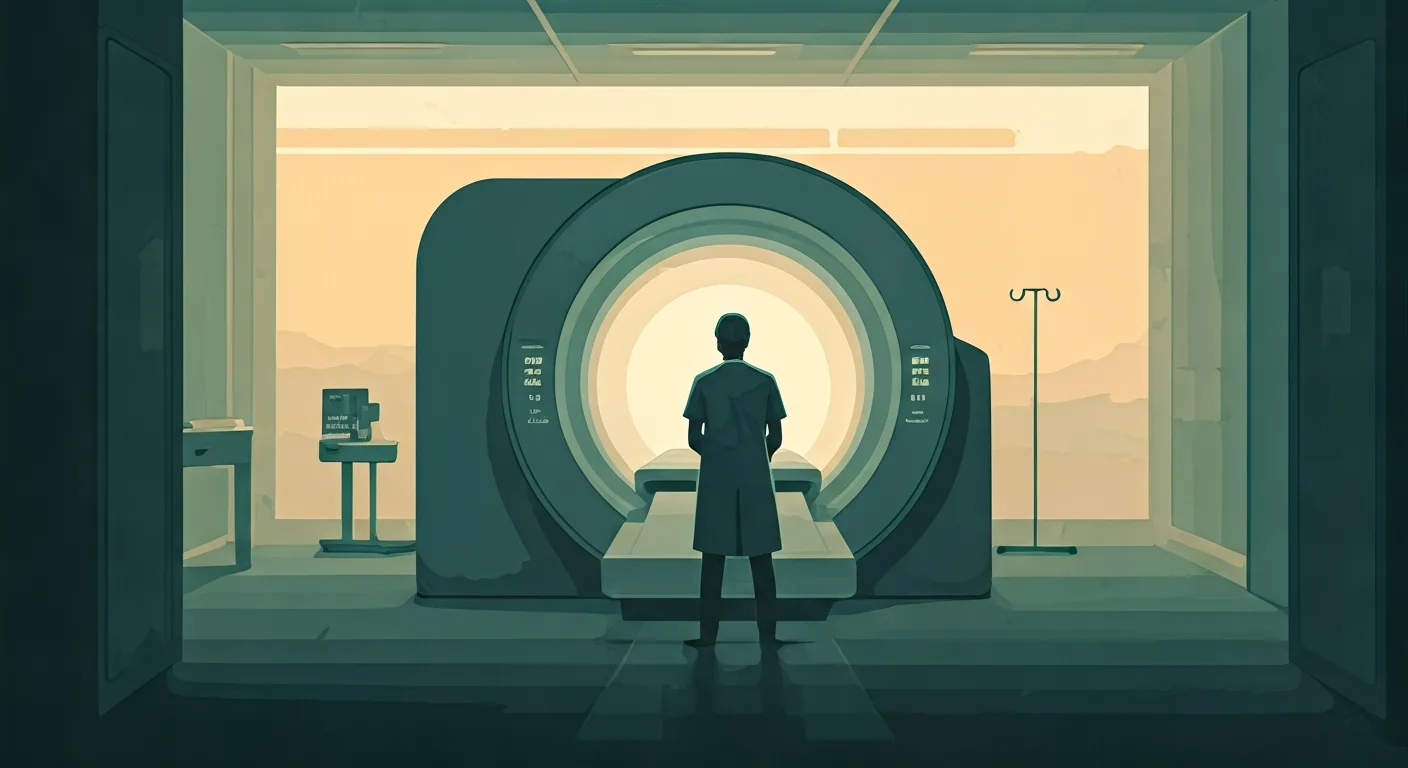
Produces diagnostic images using X-rays, CT scanners, and other equipment, positioning patients precisely and working with physicians to capture the views needed for accurate diagnoses. Ensures patient safety and comfort while operating complex imaging machinery and maintaining detailed patient records.
Provides crucial diagnostic images that enable physicians to accurately diagnose illnesses, injuries, and monitor treatment effectiveness, directly contributing to patient care and health outcomes.
On the job
- Position patients for diagnostic imaging procedures, ensuring comfort and safety
- Operate and maintain X-ray, CT, and other imaging equipment
- Adjust imaging parameters to obtain high-quality images while minimizing radiation exposure
- Communicate clearly with patients about procedures and answer their questions
- Maintain detailed patient records and collaborate with radiologists and other healthcare professionals
Tools & technology
Average salary
Job outlook
StableDemand is steady. This is an established role with consistent hiring across sectors.
Education & training
Associate's degree or certificate in Radiologic Technology is typically required, with some roles preferring a bachelor's degree.
AI impact outlook
Note — this is our current view. AI is moving fast, so we revisit these ratings.
Show how this was assessed Hide the detail
Note — this is our current view. AI is moving fast, so we revisit these ratings.
Show how this was assessed Hide the detailWhy this role received this rating
Core task exposure
moderate
How much of the role’s important work could AI perform?
AI can assist with optimizing imaging parameters, initial image quality assessment, and documentation, but direct patient handling and equipment operation remain human tasks.
End-to-end automation
low
Can AI complete the work without substantial human involvement?
Full automation of image acquisition workflows is not feasible due to the necessity of physical patient positioning, real-time safety management, and human-machine interaction.
Adoption pressure
high
How likely are employers to introduce AI into this work?
Efficiency and accuracy pressures in medical imaging are strong, but patient safety regulations and the need for human interaction limit the scope of full automation.
Human dependence
strong
How much does success depend on human judgement, relationships and accountability?
This role requires high human judgment for patient comfort, safety, managing uncooperative individuals, and adapting to non-standard presentations and potential adverse reactions.
Protective — a higher rating lowers the overall score.
Role adaptability
strong
How easily can the role evolve as AI takes on more tasks?
Technologists can adapt by specializing in advanced imaging techniques, becoming experts in specific modalities, or focusing on enhanced patient communication and education.
Shown for context — not part of the score.
What AI may take on
These are the parts of the role most likely to be automated or significantly accelerated.
- Optimizing imaging parameters for various body parts and patient types
- Performing automated quality checks on acquired images
- Drafting initial patient records and procedural documentation
- Suggesting appropriate imaging sequences based on clinical indications
- Monitoring equipment performance and flagging maintenance needs
Where people remain essential
These parts continue to depend heavily on human judgement, relationships and accountability.
- Physically positioning patients for diagnostic accuracy and comfort
- Operating and maintaining complex imaging equipment safely
- Communicating clearly and empathetically with patients
- Ensuring strict adherence to radiation safety protocols
- Responding to unexpected patient reactions or equipment malfunctions
- Adapting procedures for uncooperative or medically compromised patients
- Collaborating with radiologists and physicians for optimal image acquisition
How the role may evolve
Enhanced patient experience and safety oversight, with AI handling routine checks.
The role will shift from primarily operating equipment to focusing more on patient advocacy, complex problem-solving during procedures, and ensuring a safe, comforting imaging experience.
Strengthen your future fit
- Advanced patient care and communication skills
- Proficiency in radiation protection and safety protocols
- Expertise in troubleshooting imaging equipment issues
- Critical assessment of image quality and technical standards
- Interdisciplinary collaboration and clinical decision support
- Assessment horizon
- 3–7 years
- Confidence
- High
- Last reviewed
- August 2026
- Methodology
- v1.0
This assessment reflects current AI capabilities and expected adoption patterns. Actual impacts will vary by industry, employer and the way each role is performed.
Career pathways
WHERE YOU COULD GO
CURRENT ROLE
Radiologic Technologist
Allied Health
ADJACENT MOVES
STARTING POINTS
Who thrives here
Interest profile
realistic · RCI
Individuals who enjoy practical, hands-on work with technical equipment, prefer following established procedures, and have an interest in understanding scientific principles and anatomy, often thrive as Radiologic Technologists.
Personality characteristics
Precise
Demonstrates meticulous attention to detail and accuracy when positioning patients and operating complex machinery.
Empathetic
Shows care and understanding towards patients, especially those in pain or distress, ensuring their comfort during procedures.
Methodical
Follows strict safety protocols and standardized procedures to ensure patient and personal safety and consistent image quality.
Calm under pressure
Maintains composure and effectiveness when dealing with urgent cases or challenging patient situations.
Inquisitive
Has a natural curiosity about human anatomy and how medical imaging contributes to diagnosis.
Best for
- Individuals who are detail-oriented, patient, and skilled in operating technical equipment.
- Those who want to contribute directly to patient diagnosis and care in a hands-on clinical setting.
- Professionals who thrive in structured environments where following established procedures is paramount.
Watch out for
- The work environment can be fast-paced and demanding, requiring quick decision-making in critical situations.
- Requires consistent adherence to strict safety protocols and precise technical execution, with little room for error.
A week in the life
A representative working week for a Radiologic Technologist — where the deep work, meetings, and admin actually land.
Real people. Real results.
Thousands of people
can't be wrong.




Frequently asked questions about Radiologic Technologist roles
What does a Radiologic Technologist do?
A Radiologic Technologist produces diagnostic images using X-rays, CT scanners, and other equipment, positioning patients precisely and working with physicians to capture the views needed for accurate diagnoses. Ensures patient safety and comfort while operating complex imaging machinery and maintaining detailed patient records. Provides crucial diagnostic images that enable physicians to accurately diagnose illnesses, injuries, and monitor treatment effectiveness, directly contributing to patient care and health outcomes.
How much does a Radiologic Technologist earn?
A Radiologic Technologist earns a median of $75,000 per year in the US, typically ranging from $60,000 to $95,000.
What qualifications do you need to become a Radiologic Technologist?
To become a Radiologic Technologist, associate's degree or certificate in Radiologic Technology is typically required, with some roles preferring a bachelor's degree. State licensure or certification.
What personality suits a Radiologic Technologist?
Radiologic Technologist roles tend to suit people who are highly conscientious — precise, organised and strong on follow-through (Conscientiousness 82/100) and warm and cooperative — tuned in to the people around them (Agreeableness 72/100). The traits that matter most in the role are Precise, Empathetic, Methodical and Calm under pressure. Demonstrates meticulous attention to detail and accuracy when positioning patients and operating complex machinery. On interests, Radiologic Technologist maps to a RCI Holland Code profile — individuals who enjoy practical, hands-on work with technical equipment, prefer following established procedures, and have an interest in understanding scientific principles and anatomy, often thrive as Radiologic Technologists.
Who does a Radiologic Technologist role suit?
A Radiologic Technologist role is usually a strong fit for these reasons. High Conscientiousness and Agreeableness are crucial for patient safety, procedural adherence, and compassionate care. The role involves direct, hands-on interaction with specialized equipment and tangible outcomes, aligning with Realistic interests. A significant portion of the work involves focused task execution and technical procedures, catering to those who prefer structured deep work.
What are the downsides of being a Radiologic Technologist?
Radiologic Technologist roles come with trade-offs worth weighing up. The work environment can be fast-paced and demanding, requiring quick decision-making in critical situations. Requires consistent adherence to strict safety protocols and precise technical execution, with little room for error.
What is the work environment like for a Radiologic Technologist?
Work as a Radiologic Technologist is mostly clinical-based with onsite arrangements common, semi-structured — a mix of set processes and self-directed work, a moderate pace and high exposure to clients or stakeholders. Around 65% of the week is focused deep work.
What skills do you need to be a Radiologic Technologist?
Core skills for a Radiologic Technologist include Patient positioning and care, Radiation safety protocols, Diagnostic imaging techniques, Anatomy and physiology knowledge and Interpersonal communication.
How do you become a Radiologic Technologist?
Common entry routes into Radiologic Technologist roles include Radiology Student, Entry Level Radiographer and X Ray Assistant.
What career progression is there for a Radiologic Technologist?
From a Radiologic Technologist role, common next steps include Lead Radiologic Technologist and Radiology Department Manager; lateral moves include Diagnostic Medical Sonographer and MRI Technologist.
What is the job outlook for Radiologic Technologist roles?
The outlook for Radiologic Technologist roles is currently rated stable. Demand is steady. This is an established role with consistent hiring across sectors.
Will AI replace Radiologic Technologist roles?
Traitstack rates automation risk for Radiologic Technologist roles at 41 out of 100, which is moderate. AI assists with image parameter optimization and quality control, but human technologists remain essential for patient positioning, safety, and direct care during imaging procedures. AI is most likely to take on optimizing imaging parameters for various body parts and patient types, performing automated quality checks on acquired images and drafting initial patient records and procedural documentation. Physically positioning patients for diagnostic accuracy and comfort, operating and maintaining complex imaging equipment safely and communicating clearly and empathetically with patients stay with people. Enhanced patient experience and safety oversight, with AI handling routine checks. That score measures how much of the work could change, not the likelihood the job disappears. It is Traitstack's current view, revisited as AI capability moves.