Project Manager
SOC 11-9021.00 · ESCO 1213 · OSCA 111431
Role snapshot
Overview
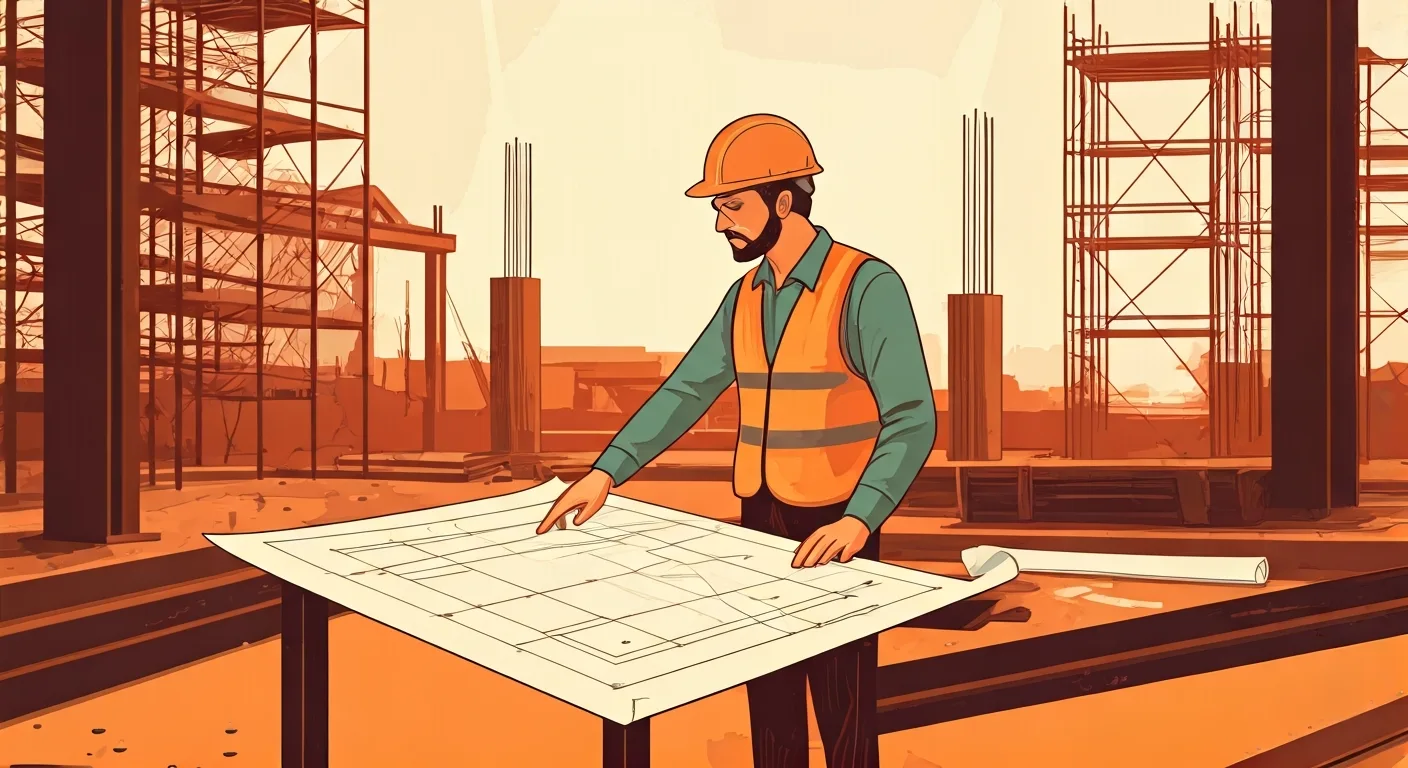
Plans, tracks, and delivers construction or engineering projects by coordinating trades, managing budgets, and resolving issues that threaten scope, schedule, or cost targets. This involves defining project goals, creating detailed plans, allocating resources, overseeing execution, monitoring progress, and ensuring successful completion within agreed-upon parameters.
Ensures projects are completed on time, within budget, and to specification, directly contributing to organizational success, client satisfaction, and efficient resource utilization.
On the job
- Develop comprehensive project plans, including scope, objectives, schedules, and resource allocation.
- Monitor project progress, track milestones, and manage potential risks and issues.
- Coordinate and communicate with cross-functional teams, stakeholders, and external vendors.
- Manage project budgets, financial forecasts, and resource utilization.
- Facilitate meetings, prepare status reports, and present project updates to stakeholders.
Tools & technology
Average salary
Job outlook
GrowingJob growth is expected to be above average over the next five years.
Education & training
Bachelor's degree in engineering, construction management, business administration, or a related field. Project management certifications (e.g., PMP) are highly valued.
AI impact outlook
Note — this is our current view. AI is moving fast, so we revisit these ratings.
Show how this was assessed Hide the detail
Note — this is our current view. AI is moving fast, so we revisit these ratings.
Show how this was assessed Hide the detailWhy this role received this rating
Core task exposure
moderate
How much of the role’s important work could AI perform?
Scheduling, resource allocation, progress tracking, risk identification, and budget management are highly amenable to AI assistance.
End-to-end automation
low
Can AI complete the work without substantial human involvement?
While AI can manage many aspects, the human elements of motivating teams, negotiating, and absorbing blame prevent full automation.
Adoption pressure
moderate
How likely are employers to introduce AI into this work?
High ROI for project management software and AI integration ensures strong employer pressure to enhance efficiency.
Human dependence
strong
How much does success depend on human judgement, relationships and accountability?
Success is highly dependent on leadership, interpersonal skills, negotiation, and making difficult trade-off decisions, which are inherently human.
Protective — a higher rating lowers the overall score.
Role adaptability
strong
How easily can the role evolve as AI takes on more tasks?
Project management skills are broadly applicable, allowing for easy transfer across diverse industries and roles.
Shown for context — not part of the score.
What AI may take on
These are the parts of the role most likely to be automated or significantly accelerated.
- Developing initial project plans and resource allocations
- Monitoring project progress and tracking milestones
- Identifying potential risks and suggesting mitigation strategies
- Managing routine budget tracking and financial forecasts
- Preparing initial drafts of status reports and updates
Where people remain essential
These parts continue to depend heavily on human judgement, relationships and accountability.
- Coordinating and motivating cross-functional human teams
- Negotiating with stakeholders and external vendors
- Resolving complex interpersonal and logistical issues
- Facilitating effective meetings and strategic discussions
- Presenting nuanced project updates to senior stakeholders
- Bearing ultimate accountability for project success or failure
How the role may evolve
The planning paperwork shrinks. The leadership and accountability do not.
Project managers will rely more on AI for data synthesis and routine tasks, allowing them to focus more intensely on strategic leadership, problem-solving, and human-centric challenges.
Strengthen your future fit
- Advanced project management certifications (PMP, Agile)
- Strategic thinking and complex problem-solving
- Exceptional leadership and team motivation
- Interpersonal communication and negotiation expertise
- Risk management and crisis response planning
- Assessment horizon
- 3–7 years
- Confidence
- Medium
- Last reviewed
- August 2026
- Methodology
- v1.0
This assessment reflects current AI capabilities and expected adoption patterns. Actual impacts will vary by industry, employer and the way each role is performed.
Career pathways
WHERE YOU COULD GO
CURRENT ROLE
Project Manager
Construction & Project Mgmt
ADJACENT MOVES
STARTING POINTS
Who thrives here
Interest profile
enterprising · ECR
People who enjoy leading and influencing others, organizing and managing complex tasks, and working with tangible, real-world projects tend to thrive in this role.
Personality characteristics
Organized
Excels at structuring tasks, managing timelines, and maintaining detailed records to keep projects on track.
Decisive Leader
Comfortable taking charge, making timely decisions, and motivating teams to achieve project objectives.
Practical
Focused on tangible outcomes and efficient execution, with a strong ability to manage physical resources and real-world constraints.
Collaborative
Works effectively with diverse teams and stakeholders, fostering cooperation to resolve conflicts and achieve consensus.
Resilient
Remains calm and focused under pressure, adapting quickly to unexpected challenges and setbacks without becoming overwhelmed.
Best for
- Individuals who thrive in dynamic environments where they can lead, organize, and solve complex problems.
- Professionals who enjoy seeing a project through from conception to successful completion, often in a physical, tangible context.
- Those who are adept at balancing multiple priorities, managing budgets, and coordinating diverse teams.
Watch out for
- The fast-paced environment and frequent issue resolution can be demanding and require quick thinking.
- High stakeholder exposure means constant communication and managing diverse expectations.
- Occasional weekend work may be required to meet critical project deadlines.
A week in the life
A representative working week for a Project Manager — where the deep work, meetings, and admin actually land.
Real people. Real results.
Thousands of people
can't be wrong.




Frequently asked questions about Project Manager roles
What does a Project Manager do?
A Project Manager plans, tracks, and delivers construction or engineering projects by coordinating trades, managing budgets, and resolving issues that threaten scope, schedule, or cost targets. This involves defining project goals, creating detailed plans, allocating resources, overseeing execution, monitoring progress, and ensuring successful completion within agreed-upon parameters. Ensures projects are completed on time, within budget, and to specification, directly contributing to organizational success, client satisfaction, and efficient resource utilization.
How much does a Project Manager earn?
A Project Manager earns a median of $105,000 per year in the US, typically ranging from $75,000 to $140,000.
What qualifications do you need to become a Project Manager?
To become a Project Manager, bachelor's degree in engineering, construction management, business administration, or a related field. Project management certifications (e.g., PMP) are highly valued.
What personality suits a Project Manager?
Project Manager roles tend to suit people who are highly conscientious — precise, organised and strong on follow-through (Conscientiousness 85/100) and outgoing — energised by people, visibility and quick social contact (Extraversion 72/100). The traits that matter most in the role are Organized, Decisive Leader, Practical and Collaborative. Excels at structuring tasks, managing timelines, and maintaining detailed records to keep projects on track. On interests, Project Manager maps to an ECR Holland Code profile — people who enjoy leading and influencing others, organizing and managing complex tasks, and working with tangible, real-world projects tend to thrive in this role.
Who does a Project Manager role suit?
A Project Manager role is usually a strong fit for these reasons. Strong Enterprising (E) alignment: the role demands leadership, decision-making, and influencing others. High Conventional (C) affinity: excels in planning, organizing, and meticulous tracking of project details. Consistent Realistic (R) engagement: involves working with tangible project elements, often on-site.
What are the downsides of being a Project Manager?
Project Manager roles come with trade-offs worth weighing up. The fast-paced environment and frequent issue resolution can be demanding and require quick thinking. High stakeholder exposure means constant communication and managing diverse expectations. Occasional weekend work may be required to meet critical project deadlines.
What is the work environment like for a Project Manager?
Work as a Project Manager is mostly mixed-based with hybrid arrangements common, semi-structured — a mix of set processes and self-directed work and high exposure to clients or stakeholders. Around 47% of the week is focused deep work.
What skills do you need to be a Project Manager?
Core skills for a Project Manager include Project planning, Risk management, Budget control, Stakeholder communication, Team leadership and Problem-solving.
How do you become a Project Manager?
Common entry routes into Project Manager roles include Project Coordinator, Assistant Project Manager and Construction Site Supervisor.
What career progression is there for a Project Manager?
From a Project Manager role, common next steps include Senior Project Manager and Program Manager; lateral moves include Operations Manager.
What is the job outlook for Project Manager roles?
The outlook for Project Manager roles is currently rated growing. Job growth is expected to be above average over the next five years.
Will AI replace Project Manager roles?
Traitstack rates automation risk for Project Manager roles at 45 out of 100, which is moderate. AI is streamlining project planning and progress tracking, letting human project managers concentrate on motivating teams, negotiating solutions, and bearing ultimate accountability. AI is most likely to take on developing initial project plans and resource allocations, monitoring project progress and tracking milestones and identifying potential risks and suggesting mitigation strategies. Coordinating and motivating cross-functional human teams, negotiating with stakeholders and external vendors and resolving complex interpersonal and logistical issues stay with people. The planning paperwork shrinks. The leadership and accountability do not. That score measures how much of the work could change, not the likelihood the job disappears. It is Traitstack's current view, revisited as AI capability moves.