Construction Estimator
SOC 13-1051.00 · ESCO 3112 · OSCA 312331
Role snapshot
Overview
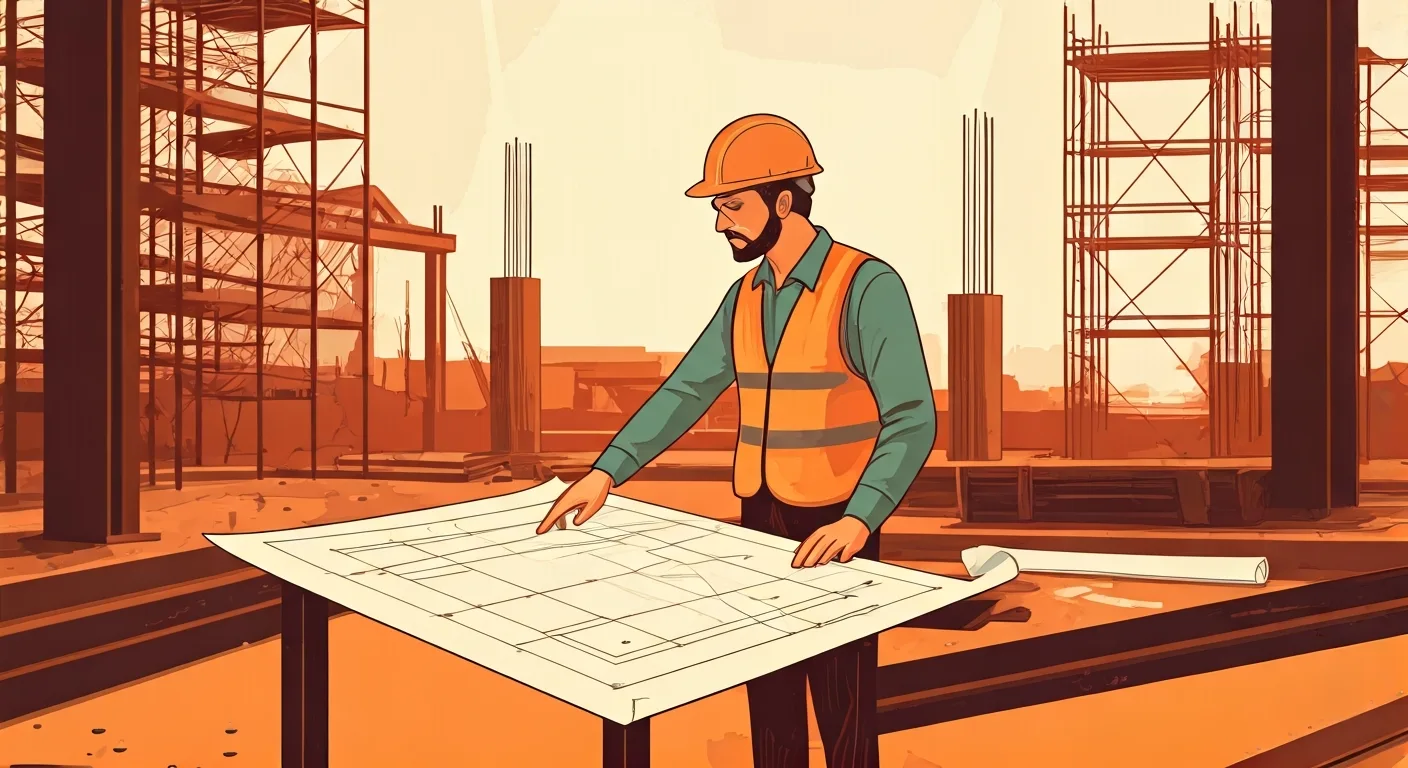
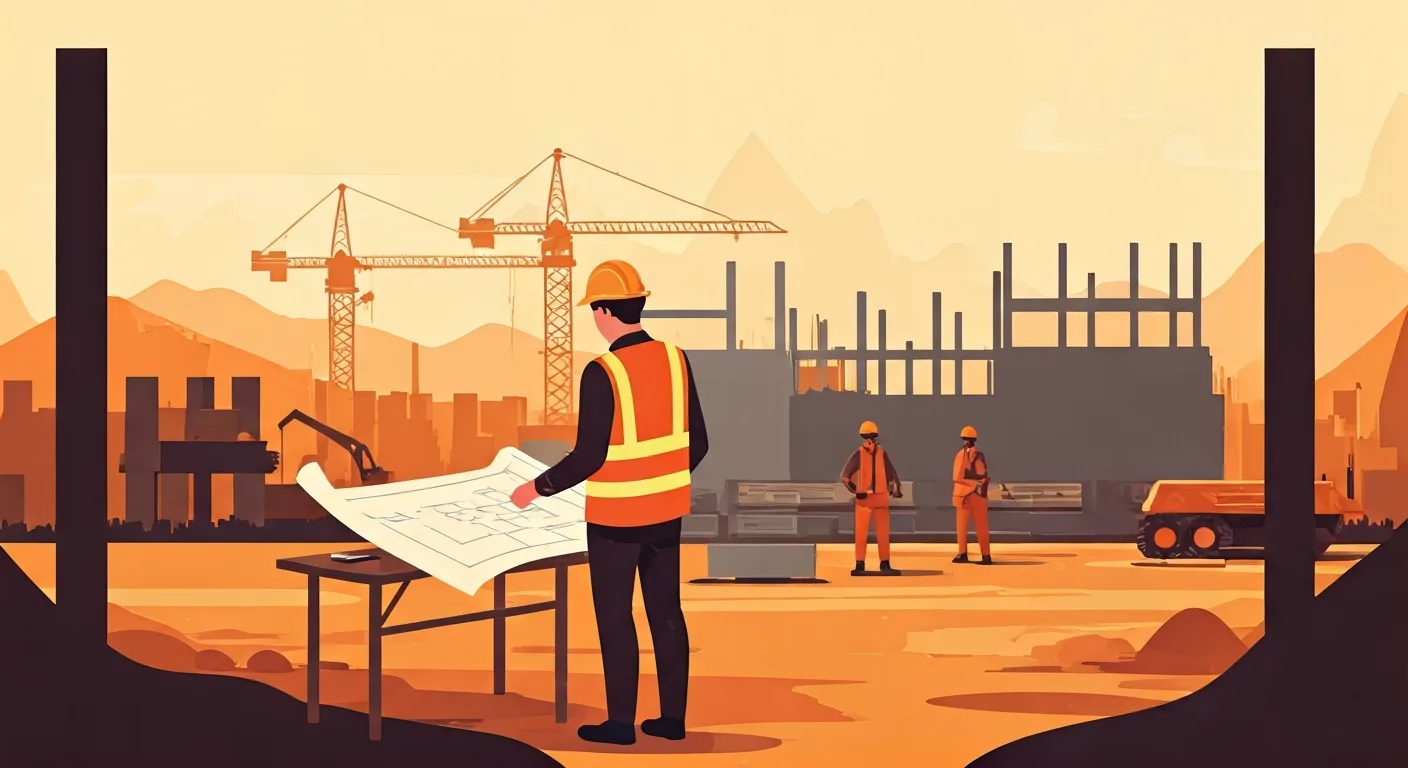
A Construction Estimator calculates the cost of building projects by meticulously reviewing blueprints, specifications, and other project documents. They measure quantities of materials, obtain quotes from suppliers and subcontractors, and analyze labor costs. This role is crucial for preparing detailed cost breakdowns that enable contractors to submit accurate and competitive tenders, ensuring projects are financially viable and profitable.
Ensures the financial viability and profitability of construction projects by providing accurate cost assessments, which allows contractors to bid competitively and manage budgets effectively.
On the job
- Analyze blueprints, specifications, and other documentation to prepare time, cost, and labor estimates
- Collaborate with architects, engineers, and clients to understand project requirements and scope
- Obtain and evaluate bids from subcontractors and suppliers
- Prepare detailed reports, proposals, and cost breakdowns for project tenders
- Conduct site visits to gather information and assess project conditions

Tools & technology
Average salary
Job outlook
StableDemand is steady. This is an established role with consistent hiring across sectors.
Education & training
A certificate, diploma, or bachelor's degree in construction management, civil engineering, or a related field is often preferred. Experience can sometimes substitute for formal education.
AI impact outlook
Note — this is our current view. AI is moving fast, so we revisit these ratings.
Show how this was assessed Hide the detail
Note — this is our current view. AI is moving fast, so we revisit these ratings.
Show how this was assessed Hide the detailWhy this role received this rating
Core task exposure
high
How much of the role’s important work could AI perform?
Extracting quantities from plans, generating initial cost breakdowns, and comparing supplier quotes are highly structured tasks that AI can perform today or soon.
End-to-end automation
low
Can AI complete the work without substantial human involvement?
While AI can generate detailed initial estimates, the crucial steps of negotiating bids, assessing project risks, and applying strategic pricing require human involvement, capping end-to-end automation.
Adoption pressure
high
How likely are employers to introduce AI into this work?
The potential for significant efficiency gains, increased accuracy, and faster bid turnaround drives high employer pressure to adopt AI in construction estimating.
Human dependence
moderate
How much does success depend on human judgement, relationships and accountability?
Success hinges on an estimator's ability to interpret ambiguous specifications, negotiate effectively, assess non-quantifiable risks, and apply strategic judgment to secure profitable contracts.
Protective — a higher rating lowers the overall score.
Role adaptability
strong
How easily can the role evolve as AI takes on more tasks?
The role can readily adapt by shifting focus from data entry and calculation to strategic analysis, client interaction, and risk management as AI handles the more routine tasks.
Shown for context — not part of the score.
What AI may take on
These are the parts of the role most likely to be automated or significantly accelerated.
- Automated quantity take-offs from digital blueprints
- Generating initial cost estimates based on historical data
- Comparing supplier and subcontractor bids for cost discrepancies
- Identifying potential clashes or design inconsistencies
- Drafting preliminary project schedules based on cost components
Where people remain essential
These parts continue to depend heavily on human judgement, relationships and accountability.
- Interpreting ambiguous project specifications and client intent
- Negotiating terms and pricing with subcontractors and suppliers
- Assessing unique project risks (e.g., site conditions, labor availability)
- Applying strategic pricing to win bids while ensuring profitability
- Building and maintaining client and supplier relationships
- Presenting and defending estimates to clients and stakeholders
How the role may evolve
From calculation to strategic consultation.
Estimators will transition from manual data compilation to becoming strategic advisors, leveraging AI-generated insights to refine bids, manage risks, and engage more deeply with clients and project teams.
Strengthen your future fit
- Mastery of AI-powered estimating software and data analysis
- Enhanced negotiation and strategic communication skills
- Advanced risk assessment and mitigation planning
- Deep understanding of construction market dynamics
- Client relationship management and presentation abilities
- Assessment horizon
- 3–7 years
- Confidence
- High
- Last reviewed
- August 2026
- Methodology
- v1.0
This assessment reflects current AI capabilities and expected adoption patterns. Actual impacts will vary by industry, employer and the way each role is performed.
Career pathways
WHERE YOU COULD GO
CURRENT ROLE
Construction Estimator
Construction & Project Mgmt
ADJACENT MOVES
STARTING POINTS
Who thrives here
Interest profile
conventional · CEI
Individuals who enjoy detailed analytical work, systematic problem-solving, and have a practical, results-oriented approach, often thriving when collaborating with others to achieve concrete project goals.
Personality characteristics
Conscientious
Highly organized, disciplined, and meticulous in ensuring accuracy in cost calculations and documentation.
Analytical
Enjoys breaking down complex problems and data to find precise solutions and identify potential risks.
Communicative
Able to clearly present complex financial information and negotiate effectively with suppliers and clients.
Practical
Focused on tangible outcomes and finding efficient, realistic solutions for construction projects.
Calm under pressure
Maintains composure and focus when facing tight deadlines or unexpected changes in project scope.
Best for
- Individuals who thrive on precision, data analysis, and contributing to the financial success of large projects
- Professionals who enjoy a blend of independent analytical work and collaborative stakeholder engagement
- People with a strong understanding of construction processes and materials who can translate technical details into financial terms
Watch out for
- The role requires sustained focus and attention to detail, which can be challenging for those who prefer less structured work
- Dealing with tight deadlines and competitive bidding processes can create pressure
A week in the life
A representative working week for a Construction Estimator — where the deep work, meetings, and admin actually land.
Real people. Real results.
Thousands of people
can't be wrong.



Frequently asked questions about Construction Estimator roles
What does a Construction Estimator do?
A Construction Estimator a Construction Estimator calculates the cost of building projects by meticulously reviewing blueprints, specifications, and other project documents. They measure quantities of materials, obtain quotes from suppliers and subcontractors, and analyze labor costs. This role is crucial for preparing detailed cost breakdowns that enable contractors to submit accurate and competitive tenders, ensuring projects are financially viable and profitable. Ensures the financial viability and profitability of construction projects by providing accurate cost assessments, which allows contractors to bid competitively and manage budgets effectively.
How much does a Construction Estimator earn?
A Construction Estimator earns a median of $75,000 per year in the US, typically ranging from $55,000 to $105,000.
What qualifications do you need to become a Construction Estimator?
To become a Construction Estimator, a certificate, diploma, or bachelor's degree in construction management, civil engineering, or a related field is often preferred. Experience can sometimes substitute for formal education.
What personality suits a Construction Estimator?
Construction Estimator roles tend to suit people who are highly conscientious — precise, organised and strong on follow-through (Conscientiousness 88/100) and steady under pressure — deadlines and setbacks do not rattle them easily (Emotional Stability 75/100). The traits that matter most in the role are Conscientious, Analytical, Communicative and Practical. Highly organized, disciplined, and meticulous in ensuring accuracy in cost calculations and documentation. On interests, Construction Estimator maps to a CEI Holland Code profile — individuals who enjoy detailed analytical work, systematic problem-solving, and have a practical, results-oriented approach, often thriving when collaborating with others to achieve concrete project goals.
Who does a Construction Estimator role suit?
A Construction Estimator role is usually a strong fit for these reasons. High Conscientiousness is key for the meticulous detail required in cost estimation and bid preparation. The role strongly aligns with Conventional and Investigative interests, focusing on data analysis, systematic processes, and problem-solving. Frequent interaction with project managers, clients, and suppliers suits individuals with moderate Extroversion who enjoy collaboration.
What are the downsides of being a Construction Estimator?
Construction Estimator roles come with trade-offs worth weighing up. The role requires sustained focus and attention to detail, which can be challenging for those who prefer less structured work. Dealing with tight deadlines and competitive bidding processes can create pressure.
What is the work environment like for a Construction Estimator?
Work as a Construction Estimator is mostly mixed-based with hybrid arrangements common, semi-structured — a mix of set processes and self-directed work, a moderate pace and high exposure to clients or stakeholders. Around 53% of the week is focused deep work.
What skills do you need to be a Construction Estimator?
Core skills for a Construction Estimator include Cost analysis, Blueprint reading, Quantity takeoff, Subcontractor negotiation and Project scheduling.
How do you become a Construction Estimator?
Common entry routes into Construction Estimator roles include Assistant Estimator, Project Coordinator and Construction Engineer Trainee.
What career progression is there for a Construction Estimator?
From a Construction Estimator role, common next steps include Senior Construction Estimator, Chief Estimator and Quantity Surveyor Manager; lateral moves include Project Manager.
What is the job outlook for Construction Estimator roles?
The outlook for Construction Estimator roles is currently rated stable. Demand is steady. This is an established role with consistent hiring across sectors.
Will AI replace Construction Estimator roles?
Traitstack rates automation risk for Construction Estimator roles at 59 out of 100, which is moderate. AI is poised to automate much of the quantity take-off and initial costing, allowing estimators to focus on strategic negotiation, risk assessment, and client relationship management. AI is most likely to take on automated quantity take-offs from digital blueprints, generating initial cost estimates based on historical data and comparing supplier and subcontractor bids for cost discrepancies. Interpreting ambiguous project specifications and client intent, negotiating terms and pricing with subcontractors and suppliers and assessing unique project risks (e.g., site conditions, labor availability) stay with people. From calculation to strategic consultation. That score measures how much of the work could change, not the likelihood the job disappears. It is Traitstack's current view, revisited as AI capability moves.