Pet Groomer
SOC 39-2021.00 · ESCO 5164 · OSCA 461433
Role snapshot
Overview
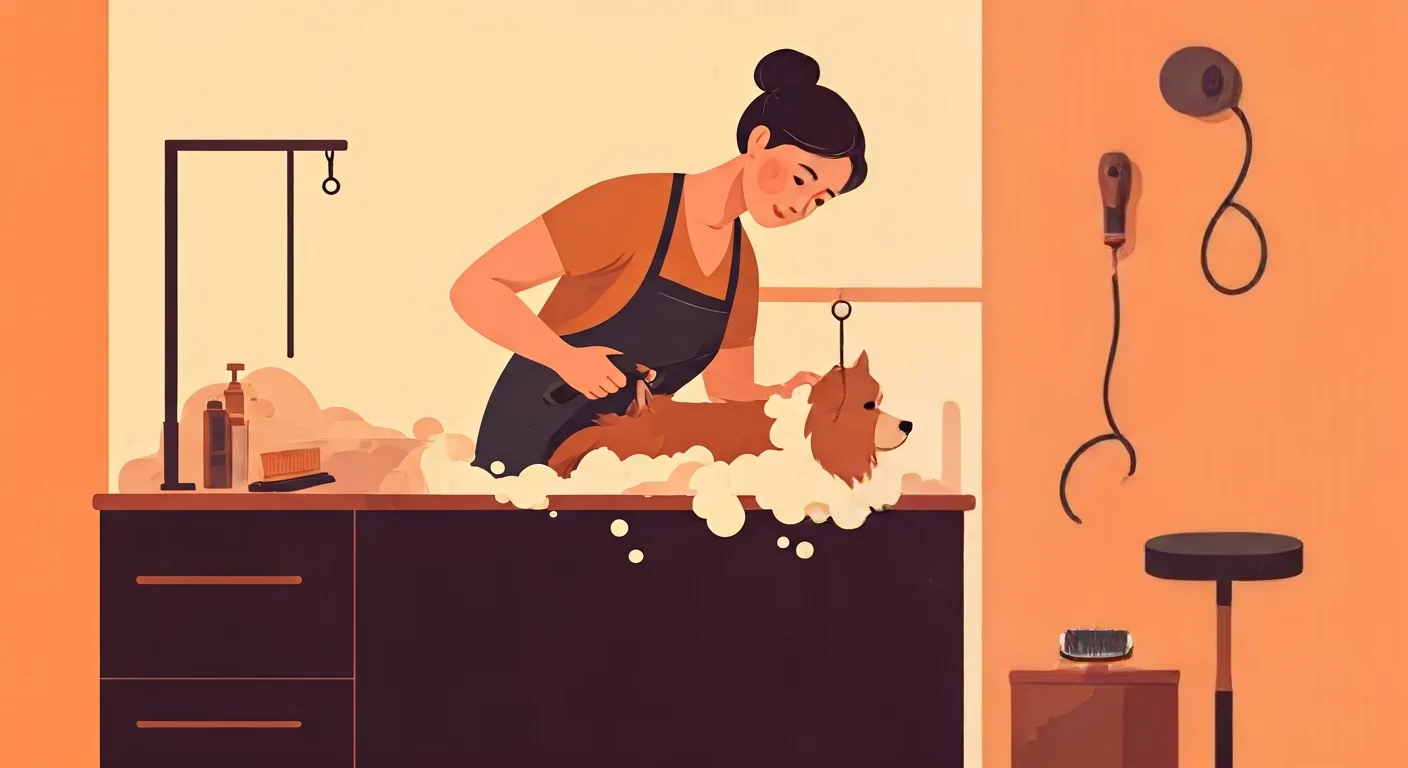
Bathes, clips, and styles pets' coats, trims nails, cleans ears, and checks for skin issues, keeping animals comfortable and well-presented for their owners. This role requires strong animal handling skills, attention to detail, and a compassionate approach to ensure the well-being of all pets.
Ensures the health, hygiene, and aesthetic presentation of pets, contributing to their comfort and owners' satisfaction. Regular grooming can also help detect potential health issues early.
On the job
- Consult with pet owners to understand grooming preferences and identify any specific concerns or health issues.
- Bathe, dry, brush, and detangle pet coats using appropriate shampoos and conditioners.
- Safely trim and style pet fur according to breed standards or owner requests, using clippers, scissors, and other grooming tools.
- Trim nails, clean ears, and express anal glands as needed, maintaining proper hygiene.
- Monitor pets for signs of stress, discomfort, or health problems during the grooming process and report findings to owners or veterinary staff.
Tools & technology
Average salary
Job outlook
GrowingJob growth is expected to be above average over the next five years.
Education & training
Vocational training, certification from a grooming academy, or an apprenticeship is typically required. Knowledge of animal behavior and first aid is also highly valued.
AI impact outlook
Note — this is our current view. AI is moving fast, so we revisit these ratings.
Show how this was assessed Hide the detail
Note — this is our current view. AI is moving fast, so we revisit these ratings.
Show how this was assessed Hide the detailWhy this role received this rating
Core task exposure
low
How much of the role’s important work could AI perform?
While scheduling and basic consultations may be exposed, the physical act of grooming, animal handling, and health observation are very low exposure.
End-to-end automation
low
Can AI complete the work without substantial human involvement?
Full automation is highly improbable due to the need for delicate dexterity, reading animal behavior, and providing compassionate care to unpredictable living subjects.
Adoption pressure
low
How likely are employers to introduce AI into this work?
Ethical considerations regarding animal welfare, the complexity of pet handling, and high risk of injury keep adoption pressure for full automation very low.
Human dependence
strong
How much does success depend on human judgement, relationships and accountability?
Success relies heavily on patience, empathy, animal handling skills, attention to detail in styling, and the ability to build trust with both pets and their owners.
Protective — a higher rating lowers the overall score.
Role adaptability
strong
How easily can the role evolve as AI takes on more tasks?
The role is highly adaptable, allowing for specialization in specific breeds, creative styling, or integration with veterinary services, continually learning new techniques.
Shown for context — not part of the score.
What AI may take on
These are the parts of the role most likely to be automated or significantly accelerated.
- Automated booking and scheduling management
- Generating breed-specific grooming style suggestions
- Maintaining client records and service history
- Advising on basic pet care products and routines
- Monitoring grooming station inventory and ordering supplies
Where people remain essential
These parts continue to depend heavily on human judgement, relationships and accountability.
- Safely bathing, drying, and styling pets with precision
- Trimming nails, cleaning ears, and performing anal gland expressions
- Reading and responding to animal body language and stress signals
- Identifying skin issues, parasites, or other health concerns
- Consulting with owners about specific preferences and concerns
- Providing compassionate care and ensuring animal comfort
- Handling challenging or anxious pets with patience and expertise
How the role may evolve
Automation helps behind the scenes; the groomer's touch is key.
The role will evolve by offloading administrative burdens to AI, freeing groomers to focus intensely on their craft, animal welfare, and enhancing the personalized experience for pets and owners.
Strengthen your future fit
- Advanced animal behavior and handling techniques
- Specialized grooming for various breeds and coat types
- Client communication and consultation skills
- Basic veterinary knowledge for health observation
- Creativity in styling and problem-solving for unique needs
- Assessment horizon
- 3–7 years
- Confidence
- High
- Last reviewed
- August 2026
- Methodology
- v1.0
This assessment reflects current AI capabilities and expected adoption patterns. Actual impacts will vary by industry, employer and the way each role is performed.
Career pathways
WHERE YOU COULD GO
CURRENT ROLE
Pet Groomer
Personal & Professional Services
ADJACENT MOVES
STARTING POINTS
Who thrives here
Interest profile
realistic · RSC
Individuals who enjoy hands-on work with animals, caring for their well-being, and following established grooming standards often thrive in this role.
Personality characteristics
Detail-oriented
Pays close attention to the specific grooming needs of each animal and breed standards.
Compassionate
Shows empathy and patience towards animals, especially those who may be anxious or difficult.
Practical
Enjoys hands-on tasks and working with tools to achieve tangible results.
Calm under pressure
Maintains composure when handling unpredictable animal behavior or managing challenging client requests.
Communicative
Clearly discusses grooming plans and concerns with pet owners and colleagues.
Best for
- Individuals who are passionate about animal welfare and enjoy making pets look and feel their best.
- People who thrive in a hands-on environment and have a meticulous approach to their work.
- Those who enjoy direct client interaction and building relationships with pet owners.
Watch out for
- The role requires significant physical stamina and can involve exposure to animal hair, dander, and occasional bites or scratches.
- Regular weekend work is common, which might not suit everyone's lifestyle preferences.
A week in the life
A representative working week for a Pet Groomer — where the deep work, meetings, and admin actually land.
Real people. Real results.
Thousands of people
can't be wrong.




Frequently asked questions about Pet Groomer roles
What does a Pet Groomer do?
A Pet Groomer bathes, clips, and styles pets' coats, trims nails, cleans ears, and checks for skin issues, keeping animals comfortable and well-presented for their owners. This role requires strong animal handling skills, attention to detail, and a compassionate approach to ensure the well-being of all pets. Ensures the health, hygiene, and aesthetic presentation of pets, contributing to their comfort and owners' satisfaction. Regular grooming can also help detect potential health issues early.
How much does a Pet Groomer earn?
A Pet Groomer earns a median of $35,000 per year in the US, typically ranging from $25,000 to $50,000.
What qualifications do you need to become a Pet Groomer?
To become a Pet Groomer, vocational training, certification from a grooming academy, or an apprenticeship is typically required. Knowledge of animal behavior and first aid is also highly valued.
What personality suits a Pet Groomer?
Pet Groomer roles tend to suit people who are warm and cooperative — tuned in to the people around them (Agreeableness 72/100) and highly conscientious — precise, organised and strong on follow-through (Conscientiousness 68/100). The traits that matter most in the role are Detail-oriented, Compassionate, Practical and Calm under pressure. Pays close attention to the specific grooming needs of each animal and breed standards. On interests, Pet Groomer maps to a RSC Holland Code profile — individuals who enjoy hands-on work with animals, caring for their well-being, and following established grooming standards often thrive in this role.
Who does a Pet Groomer role suit?
A Pet Groomer role is usually a strong fit for these reasons. Strong Realistic and Social alignment for hands-on animal care and client interaction. High Agreeableness and Conscientiousness are highly valued for patient animal handling and meticulous work. A significant portion of the week involves direct grooming, appealing to those who enjoy practical, skill-based tasks.
What are the downsides of being a Pet Groomer?
Pet Groomer roles come with trade-offs worth weighing up. The role requires significant physical stamina and can involve exposure to animal hair, dander, and occasional bites or scratches. Regular weekend work is common, which might not suit everyone's lifestyle preferences.
What is the work environment like for a Pet Groomer?
Work as a Pet Groomer is mostly retail-based with onsite arrangements common, semi-structured — a mix of set processes and self-directed work, a moderate pace and high exposure to clients or stakeholders. Around 77% of the week is focused deep work.
What skills do you need to be a Pet Groomer?
Core skills for a Pet Groomer include Animal handling, Hair cutting and styling, Pet hygiene and sanitation, Nail trimming, Customer communication and Animal first aid.
How do you become a Pet Groomer?
Common entry routes into Pet Groomer roles include Pet Bather, Animal Care Assistant and Grooming Apprentice.
What career progression is there for a Pet Groomer?
From a Pet Groomer role, common next steps include Senior Pet Groomer and Grooming Salon Manager; lateral moves include Mobile Pet Groomer.
What is the job outlook for Pet Groomer roles?
The outlook for Pet Groomer roles is currently rated growing. Job growth is expected to be above average over the next five years.
Will AI replace Pet Groomer roles?
Traitstack rates automation risk for Pet Groomer roles at 20 out of 100, which is low. The physical act of grooming, animal handling, and reading subtle pet cues will remain firmly within the human domain, even as administrative aspects are poised for automation. AI is most likely to take on automated booking and scheduling management, generating breed-specific grooming style suggestions and maintaining client records and service history. Safely bathing, drying, and styling pets with precision, trimming nails, cleaning ears, and performing anal gland expressions and reading and responding to animal body language and stress signals stay with people. Automation helps behind the scenes; the groomer's touch is key. That score measures how much of the work could change, not the likelihood the job disappears. It is Traitstack's current view, revisited as AI capability moves.