Pathologist
SOC 29-1222.00 · ESCO 2212 · OSCA 264935
Role snapshot
Overview
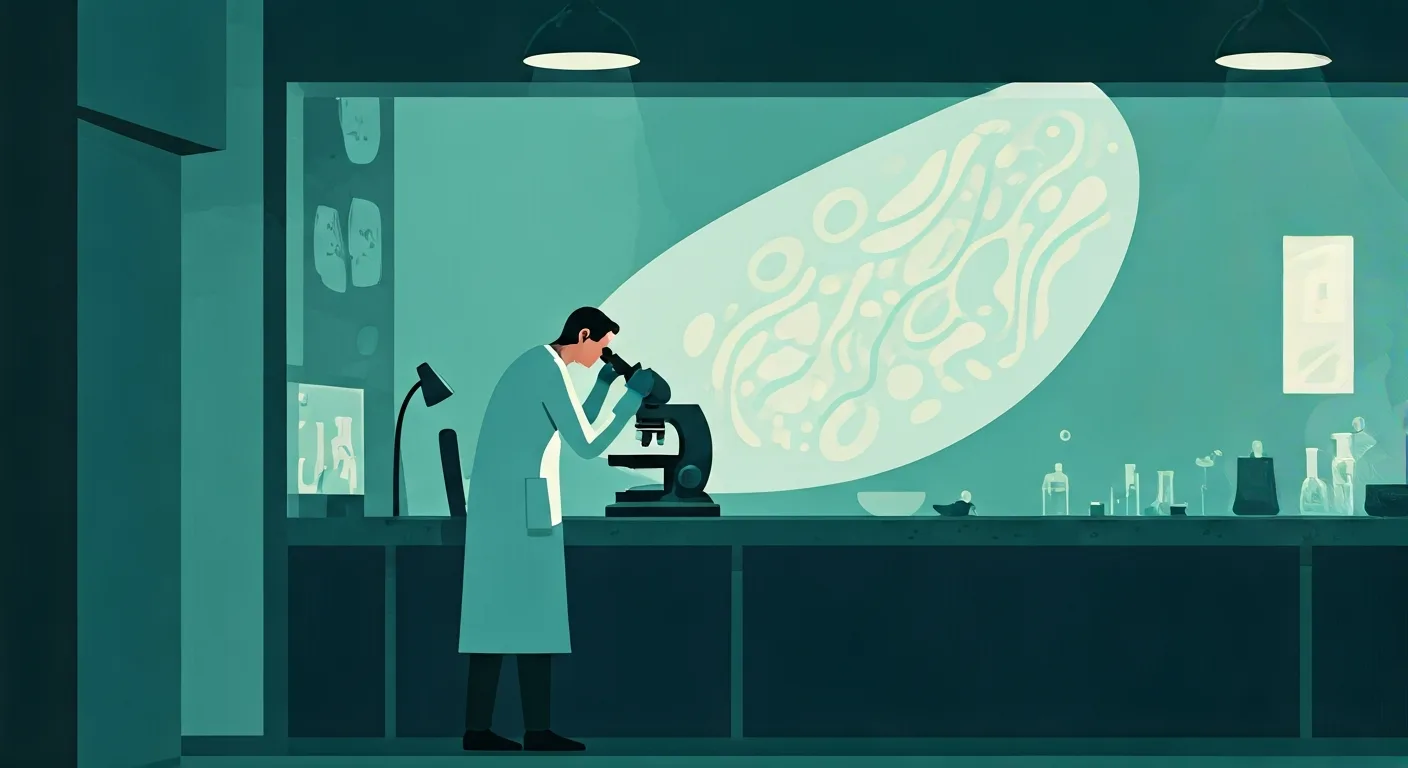
Examines tissue samples, blood, and other body fluids under microscopes to diagnose diseases such as cancer, infections, and other medical conditions. Pathologists play a critical role in patient care by providing accurate and timely diagnostic reports that guide surgeons and treating physicians in choosing the right course of action, monitoring disease progression, and determining the cause of death.
Provides definitive diagnoses essential for patient treatment, disease management, and public health surveillance. Pathologists are often referred to as 'doctors' doctors' due to their crucial role in confirming diagnoses.
On the job
- Perform macroscopic and microscopic examination of surgical resections and biopsy specimens.
- Interpret laboratory tests on blood, urine, and other body fluids to detect abnormalities.
- Consult with clinicians on diagnostic findings, treatment options, and disease prognosis.
- Conduct autopsies to determine the cause and manner of death.
- Participate in tumor boards and interdisciplinary clinical conferences to discuss complex cases.
Tools & technology
Average salary
Job outlook
GrowingJob growth is expected to be above average over the next five years.
Education & training
Doctor of Medicine (MD) or Doctor of Osteopathic Medicine (DO) degree followed by residency training in pathology and often fellowship training.
AI impact outlook
Note — this is our current view. AI is moving fast, so we revisit these ratings.
Show how this was assessed Hide the detail
Note — this is our current view. AI is moving fast, so we revisit these ratings.
Show how this was assessed Hide the detailWhy this role received this rating
Core task exposure
moderate
How much of the role’s important work could AI perform?
AI excels at analyzing digital images of tissue samples and lab results, exposing a significant portion of the core diagnostic interpretation tasks to automation.
End-to-end automation
low
Can AI complete the work without substantial human involvement?
AI could generate comprehensive diagnostic reports, but human oversight and final sign-off are critical due to accountability and the need for complex case integration.
Adoption pressure
high
How likely are employers to introduce AI into this work?
The efficiency and accuracy benefits of AI in digital pathology and lab result interpretation drive high employer adoption pressure.
Human dependence
strong
How much does success depend on human judgement, relationships and accountability?
Success in pathology still requires expert human judgment to integrate complex findings, consult clinicians, and bear ultimate responsibility for diagnoses.
Protective — a higher rating lowers the overall score.
Role adaptability
strong
How easily can the role evolve as AI takes on more tasks?
Pathologists are rapidly integrating digital pathology scanners and AI-powered image analysis tools, demonstrating high adaptability.
Shown for context — not part of the score.
What AI may take on
These are the parts of the role most likely to be automated or significantly accelerated.
- Automate the initial screening of tissue slides for cancerous cells
- Quantify cellular features and identify disease patterns from images
- Interpret complex laboratory test results and flag anomalies
- Draft preliminary diagnostic reports from analyzed data
- Search vast medical literature for relevant case comparisons
- Perform quality control checks on prepared slides
Where people remain essential
These parts continue to depend heavily on human judgement, relationships and accountability.
- Making final, definitive diagnostic judgments in complex cases
- Integrating ambiguous findings with clinical context and patient history
- Consulting with treating physicians on diagnostic implications
- Conducting autopsies and determining cause of death
- Participating in tumor boards and interdisciplinary discussions
- Ensuring ethical and legally sound diagnostic reports
- Developing new diagnostic methodologies
How the role may evolve
From primary slide review to AI-augmented diagnostic expertise.
Pathologists will transition from manually reviewing every slide to validating AI-generated insights, focusing their expertise on the most complex cases and interdisciplinary collaboration.
Strengthen your future fit
- Proficiency in digital pathology and AI analysis platforms
- Enhanced critical thinking for complex diagnostic integration
- Strong consultation and communication skills
- Expert knowledge of disease mechanisms and differential diagnoses
- Adaptability to evolving diagnostic technologies
- Assessment horizon
- 3–7 years
- Confidence
- High
- Last reviewed
- August 2026
- Methodology
- v1.0
This assessment reflects current AI capabilities and expected adoption patterns. Actual impacts will vary by industry, employer and the way each role is performed.
Career pathways
WHERE YOU COULD GO
CURRENT ROLE
Pathologist
Medical & Clinical
ADJACENT MOVES
STARTING POINTS
Who thrives here
Interest profile
investigative · IRC
People who enjoy analytical investigation, methodical problem-solving, and precise, detailed work in a scientific or clinical setting tend to thrive as pathologists.
Personality characteristics
Conscientious
Exhibits meticulous attention to detail and a methodical approach, crucial for accurate diagnostic work.
Analytical
Driven to investigate complex medical puzzles and apply scientific reasoning to pathology cases.
Reserved
Prefers focused, independent work with data and specimens over extensive social interaction, while still collaborating effectively.
Cooperative
Works effectively with clinicians, lab staff, and other medical professionals to ensure comprehensive patient care.
Resilient
Maintains composure and objectivity when dealing with serious diagnoses and emotionally challenging cases.
Best for
- Individuals who thrive on solving complex medical mysteries through meticulous scientific investigation.
- Professionals who are highly detail-oriented, methodical, and committed to diagnostic precision.
- Those who find satisfaction in contributing indirectly but critically to patient outcomes through expert analysis.
- People who enjoy a structured work environment that demands high intellectual rigor and continuous learning.
Watch out for
- The immense responsibility of accurate diagnosis can be mentally demanding and requires constant vigilance.
- Requires continuous learning and staying updated with rapidly evolving medical science and diagnostic techniques.
- While collaborative, much of the work involves solitary focus on specimens and data, which may not suit highly extraverted individuals.
A week in the life
A representative working week for a Pathologist — where the deep work, meetings, and admin actually land.
Real people. Real results.
Thousands of people
can't be wrong.

Frequently asked questions about Pathologist roles
What does a Pathologist do?
A Pathologist examines tissue samples, blood, and other body fluids under microscopes to diagnose diseases such as cancer, infections, and other medical conditions. Pathologists play a critical role in patient care by providing accurate and timely diagnostic reports that guide surgeons and treating physicians in choosing the right course of action, monitoring disease progression, and determining the cause of death. Provides definitive diagnoses essential for patient treatment, disease management, and public health surveillance. Pathologists are often referred to as 'doctors' doctors' due to their crucial role in confirming diagnoses.
How much does a Pathologist earn?
A Pathologist earns a median of $275,000 per year in the US, typically ranging from $200,000 to $350,000.
What qualifications do you need to become a Pathologist?
To become a Pathologist, doctor of Medicine (MD) or Doctor of Osteopathic Medicine (DO) degree followed by residency training in pathology and often fellowship training. State medical license.
What personality suits a Pathologist?
Pathologist roles tend to suit people who are highly conscientious — precise, organised and strong on follow-through (Conscientiousness 90/100) and steady under pressure — deadlines and setbacks do not rattle them easily (Emotional Stability 70/100). The traits that matter most in the role are Conscientious, Analytical, Reserved and Cooperative. Exhibits meticulous attention to detail and a methodical approach, crucial for accurate diagnostic work. On interests, Pathologist maps to an IRC Holland Code profile — people who enjoy analytical investigation, methodical problem-solving, and precise, detailed work in a scientific or clinical setting tend to thrive as pathologists.
Who does a Pathologist role suit?
A Pathologist role is usually a strong fit for these reasons. A strong Investigative (I) score aligns with the core diagnostic and problem-solving nature of the role. High Conventional (C) affinity is well-suited for the precise, systematic, and detail-oriented tasks involved in pathology. The role's emphasis on scientific analysis and contributing to critical medical decisions often appeals to those with a strong Investigative interest.
What are the downsides of being a Pathologist?
Pathologist roles come with trade-offs worth weighing up. The immense responsibility of accurate diagnosis can be mentally demanding and requires constant vigilance. Requires continuous learning and staying updated with rapidly evolving medical science and diagnostic techniques. While collaborative, much of the work involves solitary focus on specimens and data, which may not suit highly extraverted individuals.
What is the work environment like for a Pathologist?
Work as a Pathologist is mostly clinical-based with onsite arrangements common, highly structured, with set processes and deadlines, a moderate pace and high exposure to clients or stakeholders. Around 65% of the week is focused deep work.
What skills do you need to be a Pathologist?
Core skills for a Pathologist include Anatomic pathology, Clinical pathology, Histopathological diagnosis, Cytopathological interpretation, Molecular diagnostics and Diagnostic reasoning.
How do you become a Pathologist?
Common entry routes into Pathologist roles include Medical Student, Pathology Resident and Pathology Fellow.
What career progression is there for a Pathologist?
From a Pathologist role, common next steps include Senior Pathologist and Medical Director of Pathology; lateral moves include Forensic Pathologist and Clinical Laboratory Director.
What is the job outlook for Pathologist roles?
The outlook for Pathologist roles is currently rated growing. Job growth is expected to be above average over the next five years.
Will AI replace Pathologist roles?
Traitstack rates automation risk for Pathologist roles at 52 out of 100, which is moderate. AI is significantly streamlining the analysis of tissue samples and lab data for pathologists, yet the final diagnostic judgment and crucial clinical consultation remain human responsibilities. AI is most likely to take on automate the initial screening of tissue slides for cancerous cells, quantify cellular features and identify disease patterns from images and interpret complex laboratory test results and flag anomalies. Making final, definitive diagnostic judgments in complex cases, integrating ambiguous findings with clinical context and patient history and consulting with treating physicians on diagnostic implications stay with people. From primary slide review to AI-augmented diagnostic expertise. That score measures how much of the work could change, not the likelihood the job disappears. It is Traitstack's current view, revisited as AI capability moves.