Ophthalmic Medical Technologist
SOC 29-2099.05 · ESCO 3211 · OSCA 311935
Role snapshot
Overview
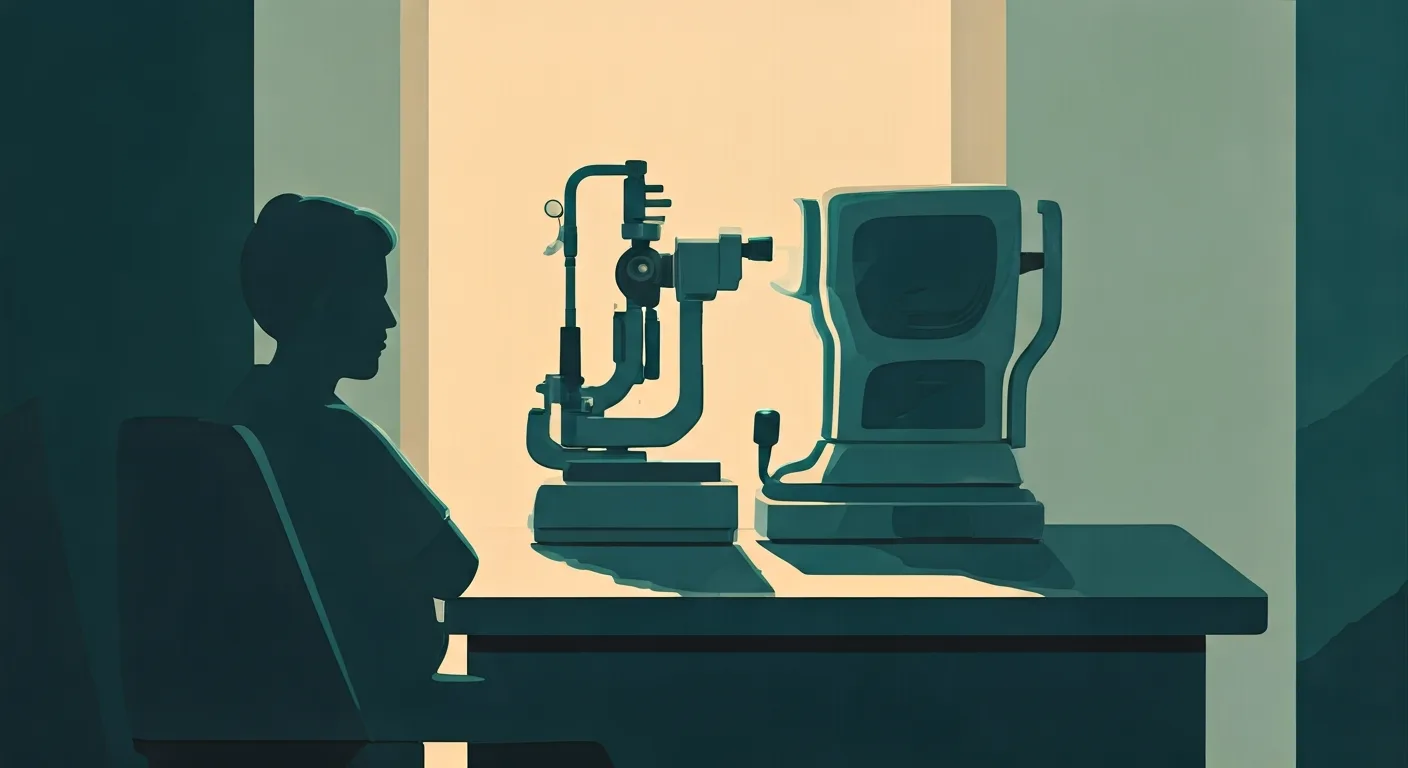
Performs advanced diagnostic tests on patients' eyes, including visual-field mapping, retinal imaging, and contact-lens fitting. Assists ophthalmologists during examinations and minor procedures while educating patients about eye health. This role requires precision, technical expertise, and strong patient communication skills to support comprehensive eye care.
Significantly contributes to accurate diagnosis and treatment of eye conditions by providing critical diagnostic data and patient support, directly improving patient vision and overall eye health.
On the job
- Perform advanced ocular diagnostic tests such as OCT, visual field analysis, and corneal topography
- Assist ophthalmologists during patient examinations, minor surgical procedures, and laser treatments
- Educate patients on various eye conditions, prescribed medications, and proper contact lens care
- Take detailed patient histories, measure visual acuity, and accurately record all findings in electronic health records
- Maintain, calibrate, and troubleshoot ophthalmic equipment to ensure accurate and safe operation
Tools & technology
Average salary
Job outlook
GrowingJob growth is expected to be above average over the next five years.
Education & training
Completion of an accredited ophthalmic medical technology program (associate's degree or certificate) is typically required, often followed by certification.
AI impact outlook
Note — this is our current view. AI is moving fast, so we revisit these ratings.
Show how this was assessed Hide the detail
Note — this is our current view. AI is moving fast, so we revisit these ratings.
Show how this was assessed Hide the detailWhy this role received this rating
Core task exposure
high
How much of the role’s important work could AI perform?
Performing advanced diagnostic tests, taking patient histories, and recording findings are highly exposed to AI augmentation and automation.
End-to-end automation
low
Can AI complete the work without substantial human involvement?
While AI can acquire and analyze diagnostic data, assisting during procedures, interpreting subtle patient responses, and managing complex equipment require human oversight.
Adoption pressure
high
How likely are employers to introduce AI into this work?
High pressure exists for AI integration in diagnostic imaging and data analysis due to efficiency and accuracy benefits in ophthalmology.
Human dependence
moderate
How much does success depend on human judgement, relationships and accountability?
Success requires human judgment for assisting in minor procedures, troubleshooting complex ophthalmic equipment, and providing nuanced patient education and emotional support.
Protective — a higher rating lowers the overall score.
Role adaptability
strong
How easily can the role evolve as AI takes on more tasks?
The role can readily adapt by specializing in advanced imaging techniques, complex diagnostic interpretation, and supporting cutting-edge ophthalmic treatments.
Shown for context — not part of the score.
What AI may take on
These are the parts of the role most likely to be automated or significantly accelerated.
- Automated acquisition and pre-analysis of OCT, visual field, and corneal topography data
- Drafting detailed patient histories and initial findings for review
- Providing standardized patient education on common eye conditions and medications
- Monitoring and calibrating ophthalmic equipment autonomously
- Identifying patterns in diagnostic images to flag potential abnormalities
Where people remain essential
These parts continue to depend heavily on human judgement, relationships and accountability.
- Assisting ophthalmologists during minor surgical procedures and laser treatments
- Interpreting complex diagnostic findings in the context of individual patient cases
- Troubleshooting and maintaining specialized ophthalmic equipment beyond routine checks
- Educating patients on sensitive diagnoses and personalized care plans
- Ensuring patient comfort and compliance during lengthy or intricate tests
- Adapting test protocols for patients with specific needs or challenges
How the role may evolve
Data acquisition shifts to interpretation and procedural support.
OMTs will move from primarily executing diagnostic tests to overseeing AI-driven data acquisition, focusing their expertise on advanced interpretation, assisting during procedures, and patient-centered counseling.
Strengthen your future fit
- Expertise in interpreting complex ophthalmic imaging and diagnostic reports
- Proficiency in managing and troubleshooting advanced AI-integrated equipment
- Strong communication skills for patient education and collaboration with ophthalmologists
- Specialization in specific ocular diseases or diagnostic modalities
- Critical thinking for complex patient cases and unusual test results
- Assessment horizon
- 3–7 years
- Confidence
- High
- Last reviewed
- August 2026
- Methodology
- v1.0
This assessment reflects current AI capabilities and expected adoption patterns. Actual impacts will vary by industry, employer and the way each role is performed.
Career pathways
WHERE YOU COULD GO
CURRENT ROLE
Ophthalmic Medical Technologist
Allied Health
ADJACENT MOVES
STARTING POINTS
Who thrives here
Interest profile
realistic · RCI
Individuals who enjoy practical, hands-on tasks, precise technical work, and systematic investigation in a clinical setting are well-suited for this role.
Personality characteristics
Precise
Applies meticulous attention to detail in diagnostic testing and patient care, ensuring accuracy and safety.
Empathetic
Connects with patients, understanding their concerns and providing reassuring, clear communication.
Methodical
Follows established procedures and protocols consistently to maintain high standards in a clinical setting.
Calm under pressure
Maintains composure during busy clinic hours or when assisting in medical procedures.
Technically adept
Enjoys operating and maintaining specialized ophthalmic equipment and learning new technologies.
Inquisitive
Has an interest in understanding eye conditions and how diagnostic tests contribute to medical insights.
Best for
- Individuals who thrive in a structured clinical environment and enjoy using specialized equipment.
- Those who are patient-focused, empathetic, and committed to accuracy in medical diagnostics.
- People seeking a career that blends technical skills with direct patient interaction.
Watch out for
- Requires constant attention to detail and adherence to strict medical procedures.
- Can involve emotionally sensitive patient interactions and managing patient discomfort.
A week in the life
A representative working week for an Ophthalmic Medical Technologist — where the deep work, meetings, and admin actually land.
Real people. Real results.
Thousands of people
can't be wrong.




Frequently asked questions about Ophthalmic Medical Technologist roles
What does an Ophthalmic Medical Technologist do?
An Ophthalmic Medical Technologist performs advanced diagnostic tests on patients' eyes, including visual-field mapping, retinal imaging, and contact-lens fitting. Assists ophthalmologists during examinations and minor procedures while educating patients about eye health. This role requires precision, technical expertise, and strong patient communication skills to support comprehensive eye care. Significantly contributes to accurate diagnosis and treatment of eye conditions by providing critical diagnostic data and patient support, directly improving patient vision and overall eye health.
How much does an Ophthalmic Medical Technologist earn?
An Ophthalmic Medical Technologist earns a median of $75,000 per year in the US, typically ranging from $55,000 to $95,000.
What qualifications do you need to become an Ophthalmic Medical Technologist?
To become an Ophthalmic Medical Technologist, completion of an accredited ophthalmic medical technology program (associate's degree or certificate) is typically required, often followed by certification. Certification by the Joint Commission on Allied Health Personnel in Ophthalmology (JCAHPO) is often required or preferred by employers, such as Certified Ophthalmic Technician (COT) or Certified Ophthalmic Medical Technologist (COMT).
What personality suits an Ophthalmic Medical Technologist?
Ophthalmic Medical Technologist roles tend to suit people who are highly conscientious — precise, organised and strong on follow-through (Conscientiousness 80/100) and warm and cooperative — tuned in to the people around them (Agreeableness 72/100). The traits that matter most in the role are Precise, Empathetic, Methodical and Calm under pressure. Applies meticulous attention to detail in diagnostic testing and patient care, ensuring accuracy and safety. On interests, Ophthalmic Medical Technologist maps to a RCI Holland Code profile — individuals who enjoy practical, hands-on tasks, precise technical work, and systematic investigation in a clinical setting are well-suited for this role.
Who does an Ophthalmic Medical Technologist role suit?
An Ophthalmic Medical Technologist role is usually a strong fit for these reasons. Strong Realistic (R) and Conventional (C) affinity for hands-on technical work and adherence to protocols. High Agreeableness (A) is valued for patient care and collaborative teamwork with ophthalmologists. The role offers direct impact on patient health through precise diagnostic contributions.
What are the downsides of being an Ophthalmic Medical Technologist?
Ophthalmic Medical Technologist roles come with trade-offs worth weighing up. Requires constant attention to detail and adherence to strict medical procedures. Can involve emotionally sensitive patient interactions and managing patient discomfort.
What is the work environment like for an Ophthalmic Medical Technologist?
Work as an Ophthalmic Medical Technologist is mostly clinical-based with onsite arrangements common, semi-structured — a mix of set processes and self-directed work, a moderate pace and high exposure to clients or stakeholders.
What skills do you need to be an Ophthalmic Medical Technologist?
Core skills for an Ophthalmic Medical Technologist include Ocular diagnostic testing, Patient education and counseling, Clinical assistance, Medical record-keeping and Ophthalmic equipment operation and maintenance.
How do you become an Ophthalmic Medical Technologist?
Common entry routes into Ophthalmic Medical Technologist roles include Ophthalmic Assistant, Medical Assistant and Optician.
What career progression is there for an Ophthalmic Medical Technologist?
From an Ophthalmic Medical Technologist role, common next steps include Senior Ophthalmic Medical Technologist and Ophthalmic Clinical Manager; lateral moves include Ophthalmic Surgical Assistant.
What is the job outlook for Ophthalmic Medical Technologist roles?
The outlook for Ophthalmic Medical Technologist roles is currently rated growing. Job growth is expected to be above average over the next five years.
Will AI replace Ophthalmic Medical Technologist roles?
Traitstack rates automation risk for Ophthalmic Medical Technologist roles at 59 out of 100, which is moderate. Much of the diagnostic test acquisition and initial analysis could be automated, with human technologists retaining responsibility for assisting procedures and patient education. AI is most likely to take on automated acquisition and pre-analysis of oct, visual field, and corneal topography data, drafting detailed patient histories and initial findings for review and providing standardized patient education on common eye conditions and medications. Assisting ophthalmologists during minor surgical procedures and laser treatments, interpreting complex diagnostic findings in the context of individual patient cases and troubleshooting and maintaining specialized ophthalmic equipment beyond routine checks stay with people. Data acquisition shifts to interpretation and procedural support. That score measures how much of the work could change, not the likelihood the job disappears. It is Traitstack's current view, revisited as AI capability moves.